Diamonds & 4Cs Sourcing: The Scorecard We Run on Our Own Vendors - HOLYCOME
Diamonds & 4Cs: tolerances, cost structure and the reject rule for US wholesale buyers.
The 4Cs, cut shapes and lab-grown diamonds explained.
Cut, colour, clarity and carat are the four grades every diamond is sold on, and cut is the one that decides how much light comes back at you. These guides explain what each grade actually looks like on a hand, which combinations are worth paying for, and where the industry's conventional advice stops being true. We also cover the cut shapes beyond round brilliant, how a lab-grown diamond differs from a mined one, and why diamond grading reports can disagree with each other by a grade or two.
Diamonds & 4Cs: tolerances, cost structure and the reject rule for US wholesale buyers.
Diamonds & 4Cs: tolerances, cost structure and the reject rule for US wholesale buyers.
Diamonds & 4Cs: tolerances, cost structure and the reject rule for US wholesale buyers.
Diamonds & 4Cs: tolerances, cost structure and the reject rule for US wholesale buyers.
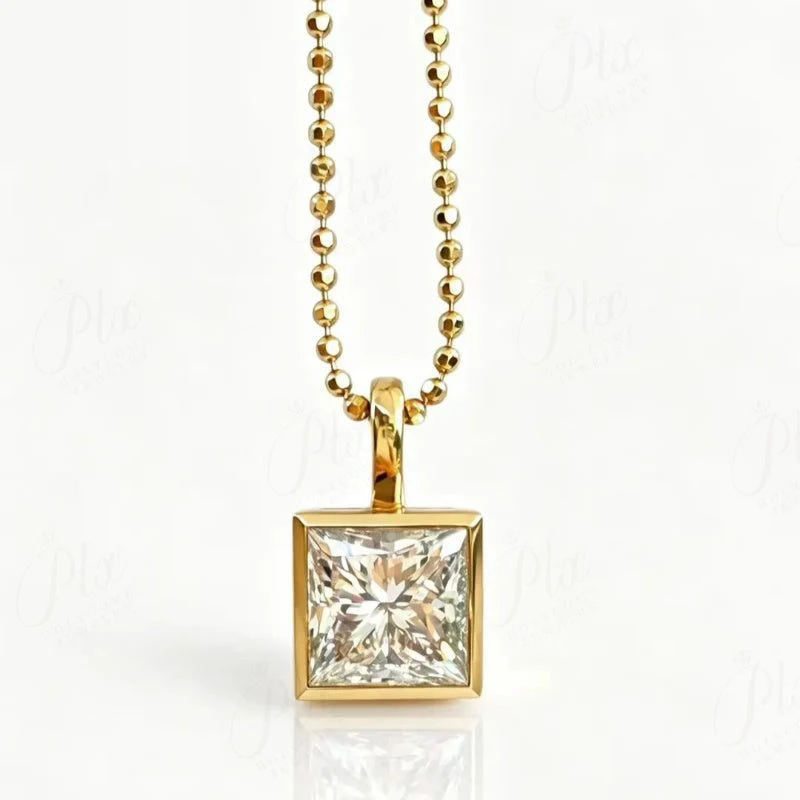
Diamonds & 4Cs: tolerances, cost structure and the reject rule for US wholesale buyers.
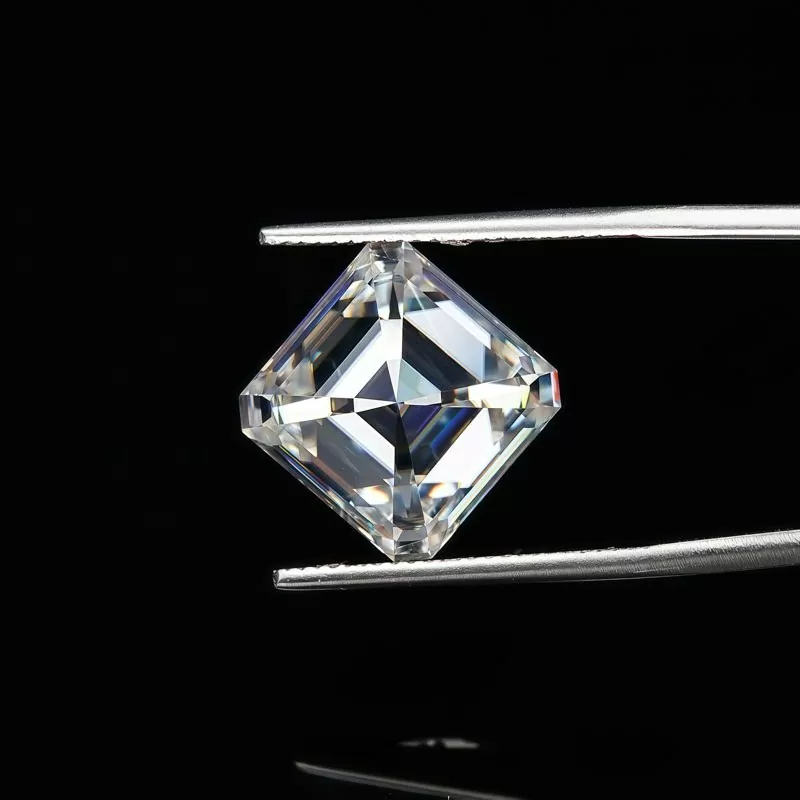
Lab-grown stones are manufactured goods, and manufactured goods get cheaper. This guide sets turnover rules, ageing limits and a buy-versus-hold test that keeps a parcel from losing value in storage.
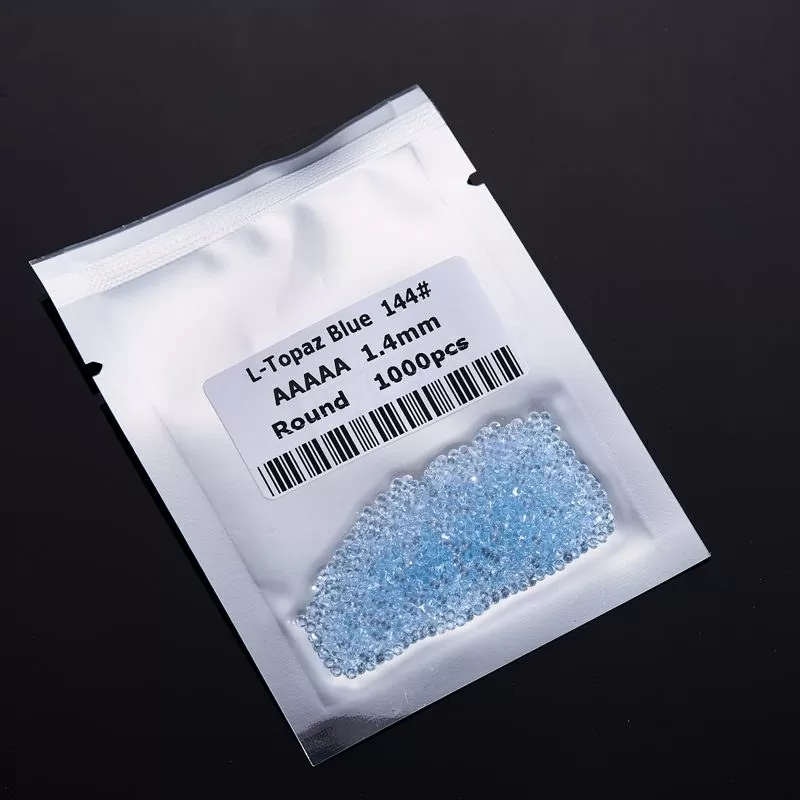
Melee is bought by the millimetre, not the carat. This guide explains sieve ranges, calibration tolerance and the sorting loss that decides whether a parcel is usable.
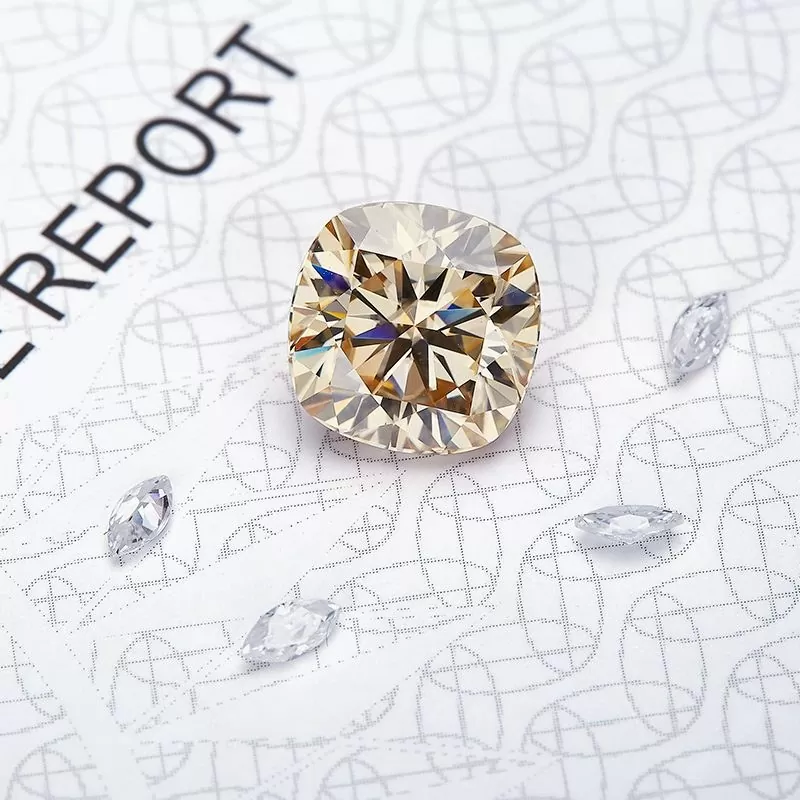
Four grades describe a stone; six report fields price it. This guide walks through the fields buyers skip and the price differences they explain.
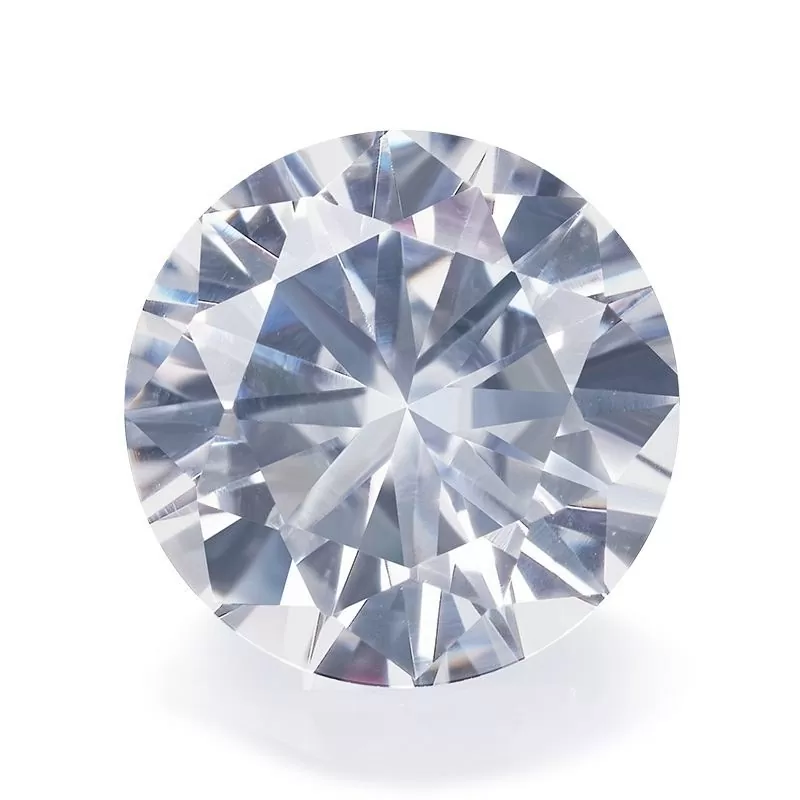
Growth method is not a marketing label. It changes strain behaviour, UV response and repair risk, and those differences show up in your setting bench and your service desk.
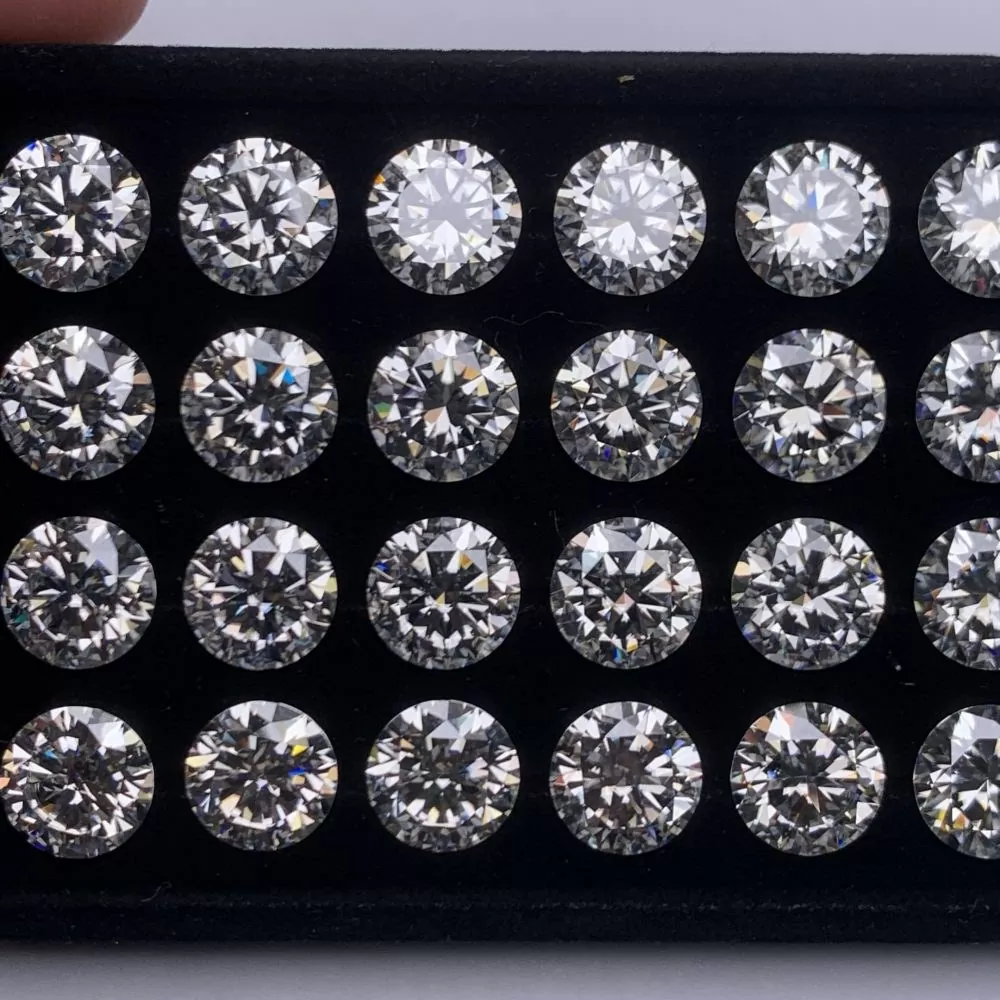
A parcel report is a compressed inventory statement. This guide explains the sieve range, colour and clarity mix, and the three figures that tell you whether a lot is priced correctly.
Diamonds & 4Cs: tolerances, cost structure and the reject rule for US wholesale buyers.
Diamonds & 4Cs: tolerances, cost structure and the reject rule for US wholesale buyers.
Diamonds & 4Cs: tolerances, cost structure and the reject rule for US wholesale buyers.

Diamonds & 4Cs: tolerances, cost structure and the reject rule for US wholesale buyers.
Diamonds & 4Cs: tolerances, cost structure and the reject rule for US wholesale buyers.
Diamonds & 4Cs: tolerances, cost structure and the reject rule for US wholesale buyers.
Diamonds & 4Cs: tolerances, cost structure and the reject rule for US wholesale buyers.
Diamonds & 4Cs: tolerances, cost structure and the reject rule for US wholesale buyers.
Diamonds & 4Cs: tolerances, cost structure and the reject rule for US wholesale buyers.
Diamonds & 4Cs: tolerances, cost structure and the reject rule for US wholesale buyers.
Diamonds & 4Cs: tolerances, cost structure and the reject rule for US wholesale buyers.
A 32-door accessory chain in Columbus asked for 500 diamonds at a landed price of $4.20 and the second order came back at $5.60 because the first quot
A buyer in São Paulo had a carton held for eleven days and the commercial invoice listed a total weight that did not match the packing list. The order
Retailers, boutique owners, and jewelry brands sourcing diamond price comparison in wholesale volumes regularly hit the same frustrations: inconsistent finishing, vague lead times, hidden markups layered on by trading companies, and minimum…
Retailers, boutique owners, and jewelry brands sourcing diamond cut ideal in wholesale volumes regularly hit the same frustrations: inconsistent finishing, vague lead times, hidden markups layered on by trading companies, and minimum order…
Retailers, boutique owners, and jewelry brands sourcing lab diamond clarity in wholesale volumes regularly hit the same frustrations: inconsistent finishing, vague lead times, hidden markups layered on by trading companies, and minimum order…
Retailers, boutique owners, and jewelry brands sourcing diamond color grades in wholesale volumes regularly hit the same frustrations: inconsistent finishing, vague lead times, hidden markups layered on by trading companies, and minimum order…
Retailers, boutique owners, and jewelry brands sourcing lab diamond 4cs in wholesale volumes regularly hit the same frustrations: inconsistent finishing, vague lead times, hidden markups layered on by trading companies, and minimum order…
Retailers, boutique owners, and jewelry brands sourcing certified lab diamond in wholesale volumes regularly hit the same frustrations: inconsistent finishing, vague lead times, hidden markups layered on by trading companies, and minimum order…
Retailers, boutique owners, and jewelry brands sourcing hpht diamond process in wholesale volumes regularly hit the same frustrations: inconsistent finishing, vague lead times, hidden markups layered on by trading companies, and minimum order…
Retailers, boutique owners, and jewelry brands sourcing cvd diamond process in wholesale volumes regularly hit the same frustrations: inconsistent finishing, vague lead times, hidden markups layered on by trading companies, and minimum order…
Retailers, boutique owners, and jewelry brands sourcing grown diamond basics in wholesale volumes regularly hit the same frustrations: inconsistent finishing, vague lead times, hidden markups layered on by trading companies, and minimum order…
Buying lab vs natural diamond for your jewelry store, boutique, or e-commerce brand demands reliable supply, consistent quality, and a partner who understands B2B lead times.
Buying lab diamond price comparison for your jewelry store, boutique, or e-commerce brand demands reliable supply, consistent quality, and a partner who understands B2B lead times.
Buying lab diamond cut ideal for your jewelry store, boutique, or e-commerce brand demands reliable supply, consistent quality, and a partner who understands B2B lead times.
Buying lab diamond clarity VS for your jewelry store, boutique, or e-commerce brand demands reliable supply, consistent quality, and a partner who understands B2B lead times.
Buying lab diamond color grades for your jewelry store, boutique, or e-commerce brand demands reliable supply, consistent quality, and a partner who understands B2B lead times.
Buying lab diamond 4Cs for your jewelry store, boutique, or e-commerce brand demands reliable supply, consistent quality, and a partner who understands B2B lead times.
Buying IGI certified lab diamond for your jewelry store, boutique, or e-commerce brand demands reliable supply, consistent quality, and a partner who understands B2B lead times.
Buying HPHT diamond process for your jewelry store, boutique, or e-commerce brand demands reliable supply, consistent quality, and a partner who understands B2B lead times.
Buying CVD diamond process for your jewelry store, boutique, or e-commerce brand demands reliable supply, consistent quality, and a partner who understands B2B lead times.
Buying lab grown diamond basics for your jewelry store, boutique, or e-commerce brand demands reliable supply, consistent quality, and a partner who understands B2B lead times.
What Buyers Really Need to Know About Lab Grown Diamond Lead Time If you are new to moissanite and trying to understand the gemstone before your first purchase, you have probably run into conflicting information online.
What Buyers Really Need to Know About Lab Grown Diamond Qc Process If you are new to moissanite and trying to understand the gemstone before your first purchase, you have probably run into conflicting information online.
What Buyers Really Need to Know About Lab Grown Diamond Cvd Hpht If you are new to moissanite and trying to understand the gemstone before your first purchase, you have probably run into conflicting information online.
What Buyers Really Need to Know About Lab Grown Diamond Quality Grading If you are new to moissanite and trying to understand the gemstone before your first purchase, you have probably run into conflicting information online.
What Buyers Really Need to Know About Lab Grown Diamond Igi Certified If you are new to moissanite and trying to understand the gemstone before your first purchase, you have probably run into conflicting information online.
What Buyers Really Need to Know About Lab Grown Diamond Moq If you are new to moissanite and trying to understand the gemstone before your first purchase, you have probably run into conflicting information online.
What Buyers Really Need to Know About Lab Grown Diamond Bulk Pricing If you are new to moissanite and trying to understand the gemstone before your first purchase, you have probably run into conflicting information online.
What Buyers Really Need to Know About Lab Grown Diamond Factory Audit If you are new to moissanite and trying to understand the gemstone before your first purchase, you have probably run into conflicting information online.
What Buyers Really Need to Know About Lab Grown Diamond Supplier If you are new to moissanite and trying to understand the gemstone before your first purchase, you have probably run into conflicting information online.
A couple came to our gemology desk in 2024 looking to sell a 1.5-carat diamond engagement ring they had purchased secondhand online for $8,500. The seller listed it as a natural diamond with an EGL report.
Lab Grown Diamonds Complete Education Guide CVD HPHT vs Natural - HOLYCOME Lab grown diamonds have moved from scientific curiosity to mainstream jewelry in less than a decade.
D is colorless, Z is tinted. Most engagement rings land in G to I. Here is how the scale works and how your setting changes which grade you need.
Cut, color, clarity and carat weight do not have to be intimidating. This guide walks a first-time buyer through each C and how to weigh them.
Most buyers shop VS and SI and never reach the included grades. But I1 stones have a real place in budget and industrial jewelry.
VS1 and VS2 look identical to the naked eye; the money difference is in the loupe.
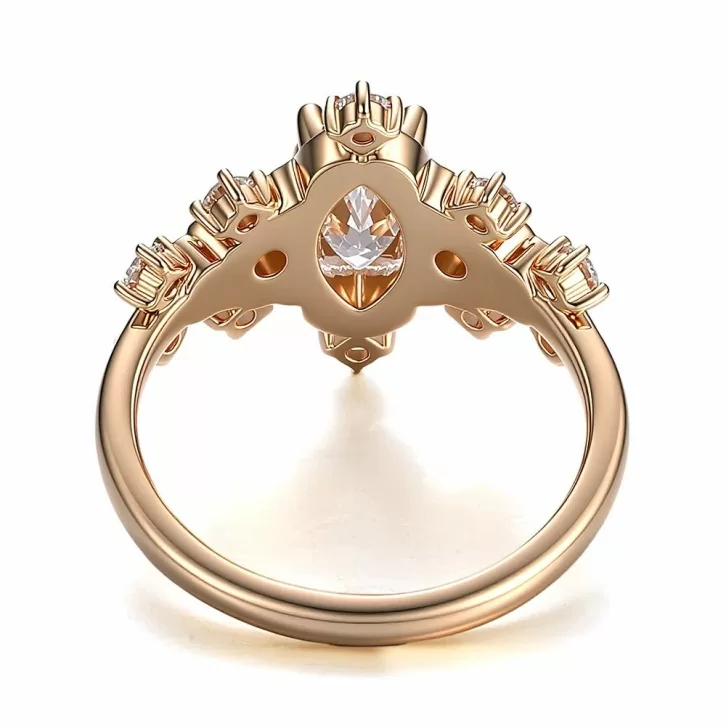
Emerald and round diamonds trade light return for geometry. Here is how step-cut and brilliant-cut designs differ in fire, scintillation and apparent face-up size per carat.
D-to-J is where most bridal buying happens. Here is what each grade looks like mounted and where the invisible premium sits.
Clarity is graded under 10x magnification, not by how the ring looks at arm's length. Here is what IF, VVS, VS, SI and I really mean.
Cut grade is the only C the cutter chooses. Here is what each grade changes.
Cut is the 4C that controls how bright, fiery and lively a diamond looks. Here is what actually drives sparkle and how to judge it.
Excellent vs Very Good is a 10-18% price gap. Here is when the customer notices the difference and when they do not.
Cubic zirconia looks like a diamond at a glance, but the differences are easy to spot once you know the tests. We cover breath, weight, fog, scratches and price.
Round is classic, but oval, pear and cushion shapes each read differently on the hand. We compare size, sparkle, finger-flattering effect and which flaws each shape hides.
Diamond fluorescence divides buyers. We explain what it is, why blue fluorescence can help or hurt a stone, and when a faint or medium grade is actually worth choosing.
Inclusions are the internal marks that set clarity grades. Here is what each type is, and which ones you can ignore.
Color grade is the C buyers overpay for. Here is where the scale actually stops mattering face-up.
Cut, colour, clarity and carat. Here is what each one means, which ones you can see with the naked eye, and where to compromise.
Buyers mix up color and clarity letters constantly. Here is what G, VS1, VS2, SI1 and SI2 really describe on a diamond report.
Two loose rounds with the same GIA Excellent label can look completely different once mounted. The table and depth percentages are why.
Fluorescence is not a flaw. It is a discount lever for J stones and a small haze risk for D-F stones. Here is the honest breakdown.
Those tiny symbols on the clarity plot are the geological fingerprint of the stone. What each type means, and how to read it before you buy.
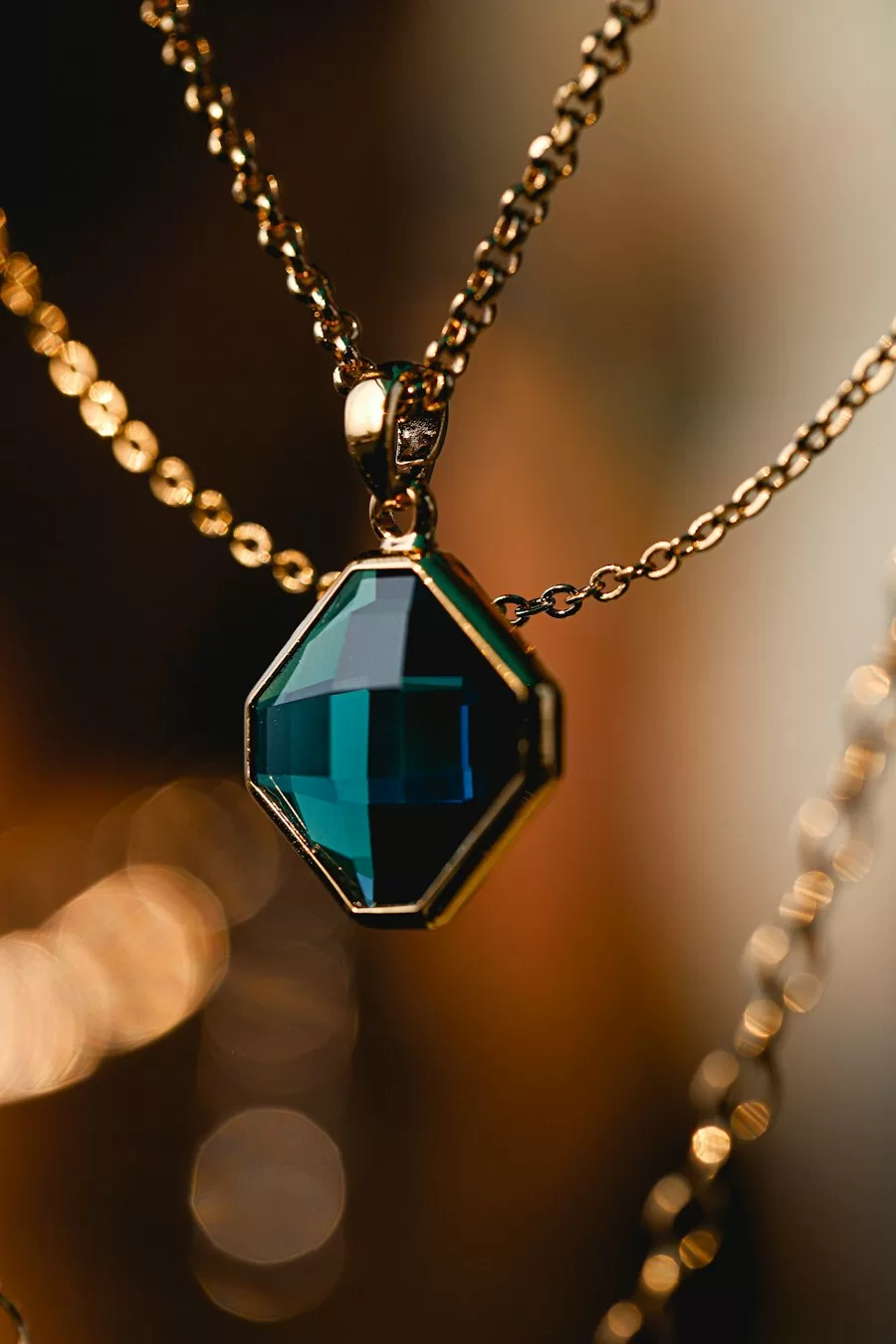
Once a yellow, pink or blue diamond holds noticeable color, it leaves the D-to-Z scale and enters the fancy-color system. Here is how that grading works.
Step cuts and brilliant cuts catch light in completely different ways. Here is how each one performs, what it costs, and who should pick which.
Two numbers on a grading report quietly decide how bright your diamond looks. We explain table % and depth % in plain English.
Composition, hardness and optical behavior match. What changes is price, supply chain narrative and resale value. We lay out the differences plainly.
A laser-inscribed number on the girdle is your diamond's fingerprint. Here is what it means and how to confirm it matches the certificate.
That dark band across the middle of many oval diamonds is the bowtie effect, and some elongated shapes fight it more than others.
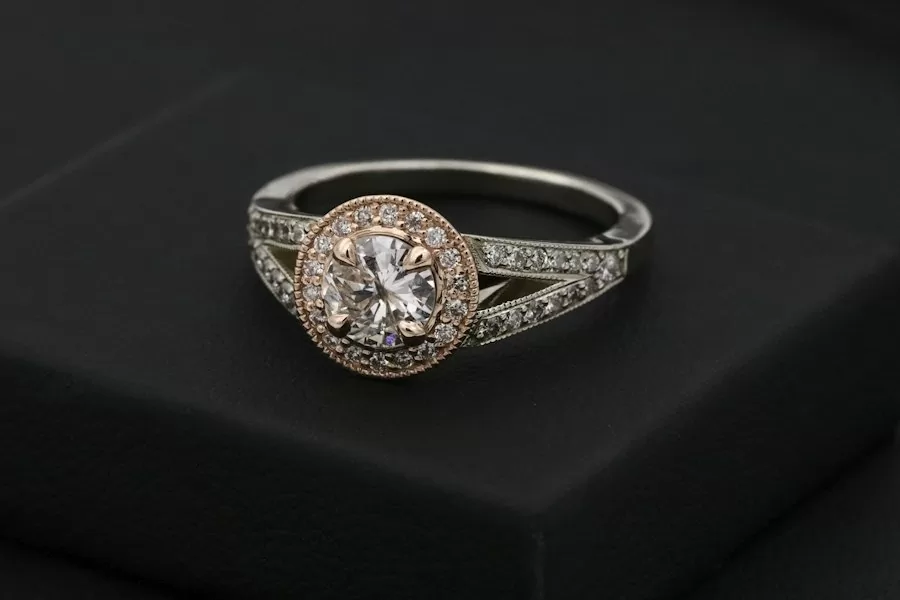
Melee can make up a fraction of a ring's carat weight but drive a huge share of its sparkle. Here is how they are graded.
Most diamonds glow blue under a black light for a few seconds; some glow orange, green, or yellow. The GIA notes it separately on your report.
Phosphorescence is the faint glow a diamond keeps after ultraviolet light is removed. It is related to fluorescence but is a separate, usually harmless trait.
A halo or pavé setting is held together by dozens of tiny diamonds called melee. They are graded in parcels, sold by weight, and they quietly decide how bright your ring looks.
Cut grade letters hide real numbers. Here are the proportion ranges that make a diamond sparkle, in plain terms.
Hearts and arrows is a precision pattern seen through a special scope. It hints at excellent alignment, but it is not a grading grade on its own.
Symmetry and polish sit just below cut grade on the lab report. Here is what they actually control, and where buyers can safely save money.
A grading report looks dense, but most of it is simple once you know which lines drive price and which are background detail.
The table is the largest facet on your diamond, and its width relative to the whole stone drives how light enters and exits. Crown angle is the other half of the equation.
Depth percentage is one of the least understood numbers on a diamond report. Here is what it measures and why it matters more for some shapes than others.
The table is the flat top facet; the depth is total height as a percentage of width. Both influence brightness, but they are guides, not guarantees.
SI2 is where report and stone disagree. Inspect these four inclusion types first.
Laser drilling removes visible black inclusions from a diamond using a tiny laser tunnel and acid. It is permanent, disclosed, and affects value differently than fracture filling.
A laser-inscribed girdle links your diamond to its grading report. Here is what the tiny letters actually say and why buyers should care.
Lab grown diamonds are chemically, optically and physically identical to mined diamonds, yet they cost roughly half as much and hold their value very differently. This guide compares the two on appearance, durability, price, resale, certification and what family jewellers quietly think. It tells you who should buy lab grown, who should still choose mined, and why the difference matters more if you ever plan to sell or upgrade.
Diamond type is a gemology classification based on trace impurities in the crystal lattice, and it quietly explains much of diamond colour and rarity.
Shape changes the price per carat more than any other decision. Here is how the six common cuts differ in look, price and practical wear.
Salt and pepper diamonds trade flawless clarity for a cloudy, speckled character that has become its own engagement ring category.
A diamond grading report is the only independent proof of what you are buying, yet most people never read past the headline grade. This guide explains what a GIA or IGI report actually contains, which fields matter and which are filler, how to check the report number online, why two labs can grade the same diamond differently, and what to do if the certificate does not match the ring in front of you. A mismatch is the single biggest red flag in diamond buying.
The table percentage — width of the flat top divided by the diamond's average width — is a quiet driver of how bright a round brilliant looks.
The culet is the tiny facet at the bottom point of a diamond. Most modern stones have none. Here is why.
Carat is a weight, not a measurement of across-the-finger size, which is why one 1-carat stone can look noticeably bigger than another. This guide shows you how a 0.5, 1, 1.5 and 2-carat round brilliant actually reads on an average UK finger, why cut quality changes perceived size, what face-up size in millimetres really means, and how to get a bigger-looking stone without paying for extra weight that just adds depth you cannot see.
Rose cut diamonds have a domed crown of triangular facets and a flat base, producing a soft, glassy antique glow rather than fiery modern sparkle.
VVS sounds impressive but costs a fortune. Here is which clarity grade you can actually see on a worn ring, and where the smart money sits.
A 1ct oval looks like a 1.5ct round. Carat is weight, shape is size. Use the mm chart.
Clarity measures the internal and external flaws, called inclusions, that a diamond forms inside the earth. The scale runs from Flawless, which is museum-grade and ruinously expensive, down to I3, where inclusions are obvious to the eye and can weaken the stone. This guide tells you which clarity grade is actually eye-clean, why most grades above VS1 are a waste of money, how inclusions can be hidden under prongs, and why a skilled cutter can move a flaw somewhere you will never see.
Micro-laser engraving on the girdle links your diamond directly to its grading report. It is tiny, permanent, and easier to verify than most buyers expect.
Salt and pepper diamonds are naturally included stones with a cloudy, speckled appearance that has become a distinctive alternative to colourless diamonds.
Table percentage is one of the cut proportions that controls how light bounces inside a diamond. Here is what the numbers on your report actually mean.
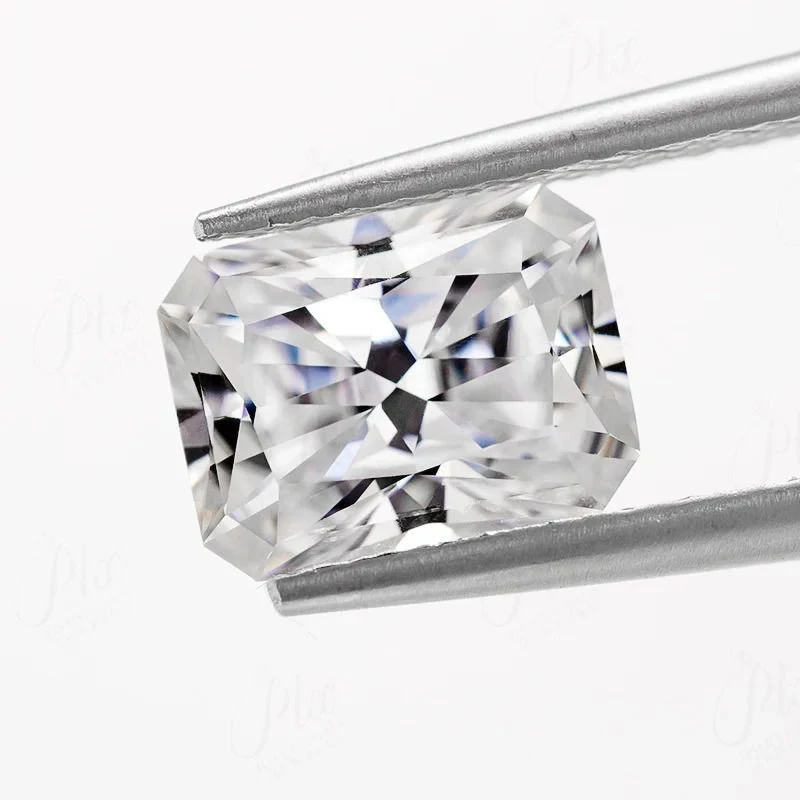
Diamond colour is graded on a scale from D, completely colourless, down to Z, light yellow or brown. Most buyers chase D-F and overpay for a difference no one can see on a finger. This guide explains where the eye actually stops noticing yellow tint, why warm stones look better in yellow gold, how setting colour changes your perception of the stone, and which grades offer the best value for UK shoppers on a real budget.
Old European cuts and modern round brilliants look related but behave very differently under light, and they are priced on completely different curves.
Of the four Cs, cut is the only one humans fully control, and the only one that decides whether a diamond looks alive. A perfectly colourless, flawless stone with a poor cut will look dull and glassy, while a slightly included stone with an excellent cut will sparkle from across a room. This guide explains what cut grade actually measures - proportions, symmetry and polish - why GIA and IGI use slightly different scales, and how to read the numbers on a grading report without becoming a gemologist.
SI1 and SI2 sit between VS and I. Learn what Slightly Included means, when an SI stone is eye-clean, and how to read the clarity plot.
A thin laser-engraved code on the girdle ties a loose or mounted diamond to its certificate. Here is what each field means.
Two ovals of the same carat weight can look completely different, and the difference is almost always the length-to-width ratio.
A diamond's clarity grade is judged under 10x magnification. Eye-clean means nobody but a trained grader will ever see its flaws.
Two stones, two certificates, identical grades on paper. The differences live in the numbers and plots most buyers skip. Here is how to read them.
A clarity-enhanced diamond can look like a premium stone at a fraction of the price, until you learn how the fix was made and what can undo it.
D-colour diamonds sell for a premium most buyers cannot see. Here is how colour grading actually works and where the sensible cut-off is.
The girdle is the edge of the diamond. Too thin and it chips; too thick and the stone looks smaller. Here is the sweet spot.
Lab-grown diamonds are identical in material to mined ones. Here is how HPHT and CVD grow them, and what buyers should compare instead.
The small diamonds lining a halo or pave band are called melee, and buyers rarely ask about them. Yet they determine how even the sparkle looks and how much the setting wears over time.
The pieces of conventional wisdom about the 4Cs that are just not true. Includes the "eye-clean" lie and the "colourless is best" trap.
Round brilliants are safe and bright; emerald cuts are modern and graphic. Here is how to choose between the two.
Lab-grown diamonds are chemically identical to mined ones but cost less. Here is how they are made, how they are graded, and what to know before you buy.
Cut, colour, clarity and carat — what each one actually means, which ones matter most, and where you can save money without anyone noticing.
MOQ starts at 5 pieces per ready-stock style; OEM/ODM custom rings follow a quoted minimum order set in the order agreement.
Ready-stock orders are prepared within 2–5 business days after confirmation. Custom, OEM and ODM projects follow a quoted lead time of 15–30 days, depending on design, metal, stone availability and order size.
Pricing is quoted per piece or per carat according to stone, metal weight, setting and finish. After you send styles, stone and quantity, our sales team returns a written price list and price range for the proposed order.
We accept T/T bank transfer, PayPal and Western Union. Custom and OEM/ODM orders require an agreed 30% deposit, with the balance paid before shipment; bulk and private-label payment terms are confirmed in the order agreement.
We keep our wholesale MOQ low, but the exact minimum is quoted on request rather than fixed on this page. Ready-stock styles can usually be ordered in small mixed batches across categories; OEM, ODM, private-label and custom packaging runs carry their own minimums depending on tooling, branding and quantity. After you send your selected styles or categories and estimated quantities, our sales team confirms the MOQ, mixed-batch options and unit price in a written quotation. Any fixed number quoted on a proposal applies to that specific order only.
Ready-stock orders are picked, inspected and packed within 2–5 business days after confirmation, subject to availability. Custom, OEM and ODM orders follow a longer quoted schedule because the project includes consultation, 3D modeling, prototype approval, production and final inspection. The total lead time depends on design complexity, metal, stone availability, setting type and order size; we state the expected production window in your quotation after reviewing the brief. No fixed production day count is promised publicly because each project differs, and sample approval always precedes bulk production.
Yes. Sample-first cooperation is standard for custom, OEM and ODM projects. For ready-stock wholesale, buyers may order a small sample batch to check quality, finish and packaging before committing to a larger order. A sample or prototype cost may apply to custom designs; that cost and whether it is credited toward a later bulk order are stated in the quotation. We recommend approving the physical sample or prototype before production begins, because changes made after approval can affect cost and lead time.