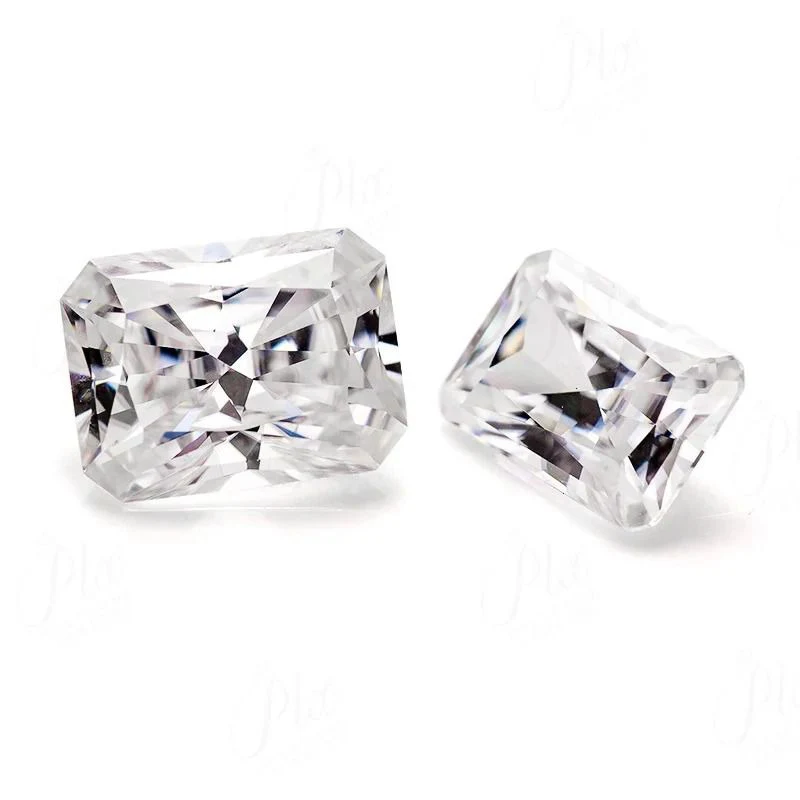
You are shopping for a diamond and the lab report shows a row of tiny symbols plotted inside the outline of the stone. They look like a map of a city from above. Those symbols are inclusions, and they are the reason two diamonds of the same carat and color can differ by hundreds or thousands of dollars. Clarity grading is the system that describes what those inclusions are, how big they are and where they sit. The GIA diamond clarity page defines the scale used in nearly every serious report.
What an inclusion actually is
An inclusion is any internal feature inside the diamond, or a tiny blemish on its surface. Diamonds form under heat and pressure over billions of years, and most contain traces of other minerals, small fractures called feathers, or tiny crystals trapped as the stone grew. No natural diamond is perfectly perfect; even the highest grades have features only a trained grader sees under 10x magnification. Inclusions are not defects in the sense of damage; they are the geological fingerprint of the stone. The difference between a VVS and an SI grade is whether that fingerprint is visible to the unaided eye, not whether the stone is "flawed."
The main types of inclusion you will see on a report
Crystals are tiny minerals trapped inside the diamond; they look like small dots, black or white, depending on the mineral. Feathers are small internal fractures, thin and whitish; most are harmless, but a long feather reaching the surface can be a chipping risk. Clouds are a cluster of tiny pinpoints that can make a stone look hazy if they are large. Needles are thin, thread-like crystals. Knots are crystals that reach the surface and can affect polishing. Bearding is tiny fine fractures around the girdle caused by aggressive cutting. The plotted diagram on the certificate shows you exactly where each feature sits, which matters more than the grade letter alone.
How the clarity scale runs
The GIA scale runs from Flawless (no internal or external features under 10x) down to Included (features visible to the unaided eye). The tiers in between are Internally Flawless, VVS1 and VVS2 (very, very slightly included), VS1 and VS2 (very slightly included), SI1 and SI2 (slightly included), and I1, I2, I3 (included). The sweet spot for most engagement rings is VS1 or VS2, where inclusions exist but are invisible to the naked eye at 12 inches. SI1 stones can also be eye-clean, which is where reading the plotted diagram pays off. We go deeper on the lower grades in clarity grades from IF to I1.
Why location matters more than the grade letter
Two VS2 stones are not equal. One may have a tiny feather tucked under a facet where no one will see it. The other may have a black crystal dead-center under the table, which catches the eye. The plotted clarity diagram on the certificate is the tool that tells the difference. Always look at the plot before you buy, and ask the seller for a magnified photo of the inclusion location. A small inclusion under a prong or near the girdle is effectively hidden; a small inclusion in the center face-up is not. This is also why the 4Cs explained stresses cut and location over chasing the top clarity letter.
Inclusions in moissanite and other gems
Moissanite, like diamond, is a crystal and can contain inclusions, but lab-grown moissanite is typically very clean because it grows in a controlled environment. Natural colored stones such as emerald and ruby are almost always heavily included; their "garden" of inclusions is part of their character and is expected. Cubic zirconia and other simulants are usually inclusion-free because they are manufactured, which is one way a trained eye can spot a simulant. If you are weighing a durable non-diamond center stone, our durable birthstones guide covers which inclusions are normal in which gems.
Frequently asked questions
Can I see inclusions in a VS2 diamond with my own eye?
Usually no. VS1 and VS2 inclusions are defined as not visible to the unaided eye at 12 inches. You need a 10x loupe to see them.
Are inclusions a sign of a weak diamond?
No. Most inclusions have no effect on strength. The exception is a long feather reaching the surface, which a jeweler will flag on the report.
Should I pay extra for Flawless?
Almost never. Flawless stones are collector-grade and carry a large premium that is invisible in jewelry worn daily. VS1 or VS2 is the practical sweet spot.
Do inclusions affect sparkle?
Only if they are large, cloudy or centered. Tiny, tucked-away features have no visible effect on how the stone looks on the hand.
Pair the clarity choice with the rest of the 4Cs: read 4Cs guide and color and clarity grades for the full tradeoffs.


