How We Manufacture Jewelry: From Design to Shipping
This page walks through the eleven stages a piece passes through in our Wuzhou workshop, whether it is a ready-stock ring prepared for wholesale, an OEM copy of a buyer reference, or a fully bespoke ODM design. Each stage has an inspection handoff, and each quotation states the expected production window for the order in question.
The Eleven Production Stages
-
1. Design and Requirement Review
The project opens with the buyer's input: a drawing, reference photo, sample piece, existing catalog style, or a brief describing the occasion, stone type, metal, setting and finish. Our design team records the requirements, confirms what is feasible in our workshop, and flags any point where proportions, stone size or comfort need adjustment before modeling begins. Pricing, MOQ and production window are quoted on request after this review.
-
2. 3D Modeling
Approved requirements are translated into a 3D digital model showing profile, stone seat, band width, prong layout and overall proportion. The buyer receives the model render for confirmation; changes to contour, stone setting style or band shape are made in the model stage where adjustments are fastest and least costly.
-
3. Model Wax or Prototype
The approved model produces a wax prototype (or a silver model for projects needing a physical fit review). The prototype checks how the stone sits, how the band feels against the finger, and whether decorative details read at real scale. Buyer approval of the prototype is the gate before casting and production; this stage supports redesign, stone change and size modification for custom and OEM projects.
-
4. Casting and Model Preparation
Approved prototypes move into casting preparation and model work for the chosen metal: 925 sterling silver or solid 9K, 10K, 14K or 18K gold, according to the order specification. Casting details, alloy choice and any plating base are confirmed in the quotation; weight and material tolerance are quoted on request rather than assumed from the catalog page.
-
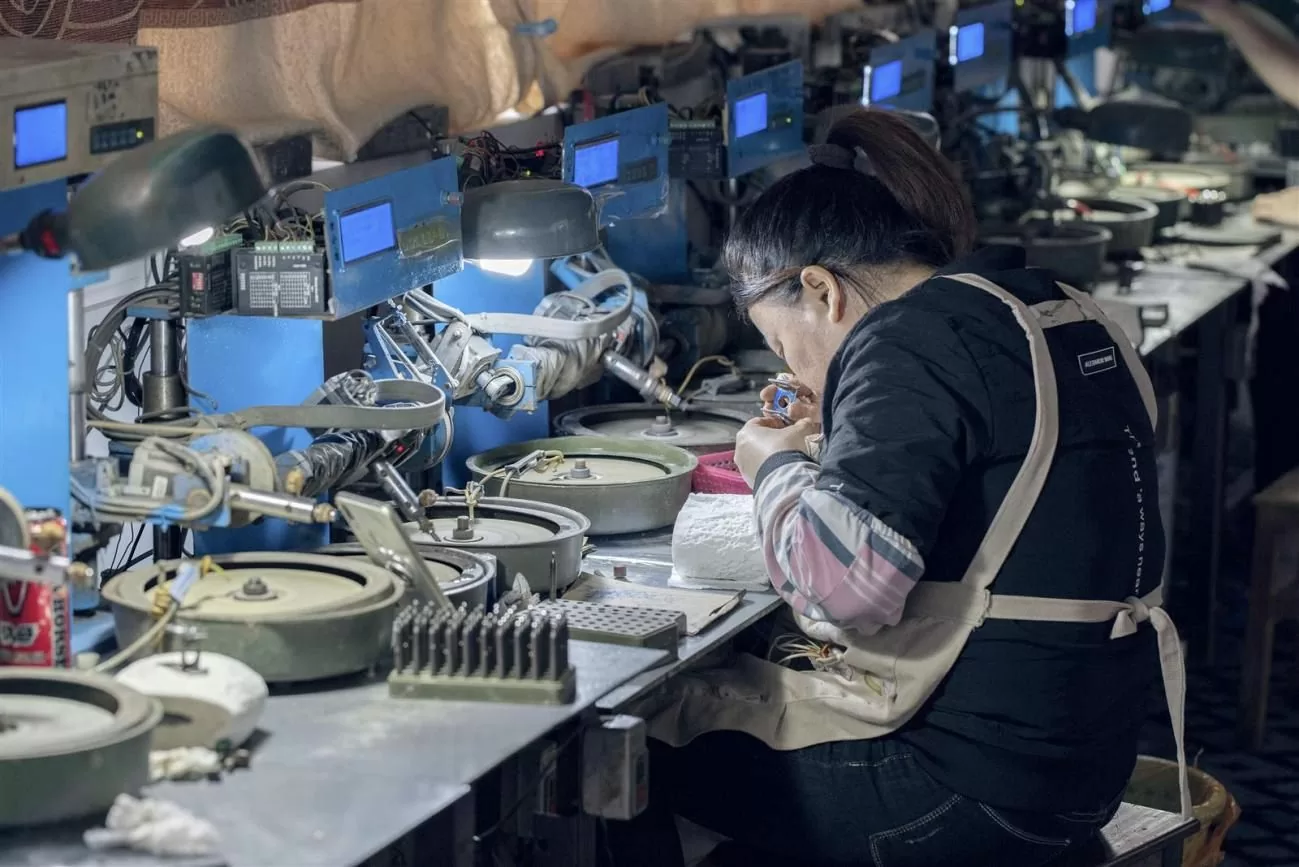
5. Stone Setting
Stones are seated under magnification using the agreed setting style: prong, bezel, pave, halo or half-eternity. Setting work covers round, princess, emerald, radiant, asscher, marquise, pear, heart, oval and cushion cuts held or sourced for the project. The patrol inspector checks seating and prong condition at this station before the piece moves to finishing.
-
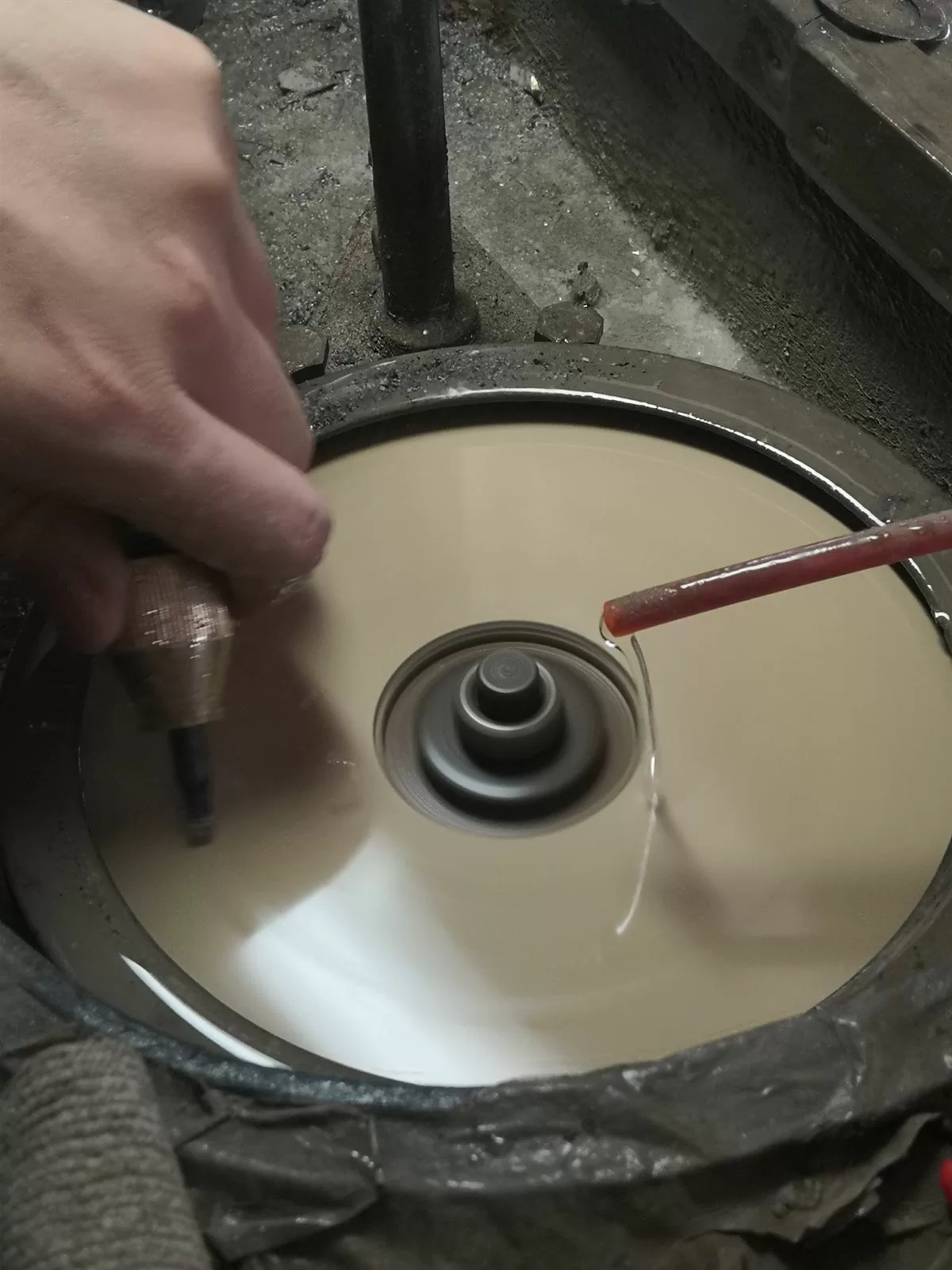
6. Polishing and Surface Finishing
Polishing removes tool marks and evens the surface before final finish work. Ring contours, pendant edges, earring posts and bracelet links are finished to the agreed shine level; matte, brushed or other finish variations are treated as design notes recorded at the modeling stage.
-
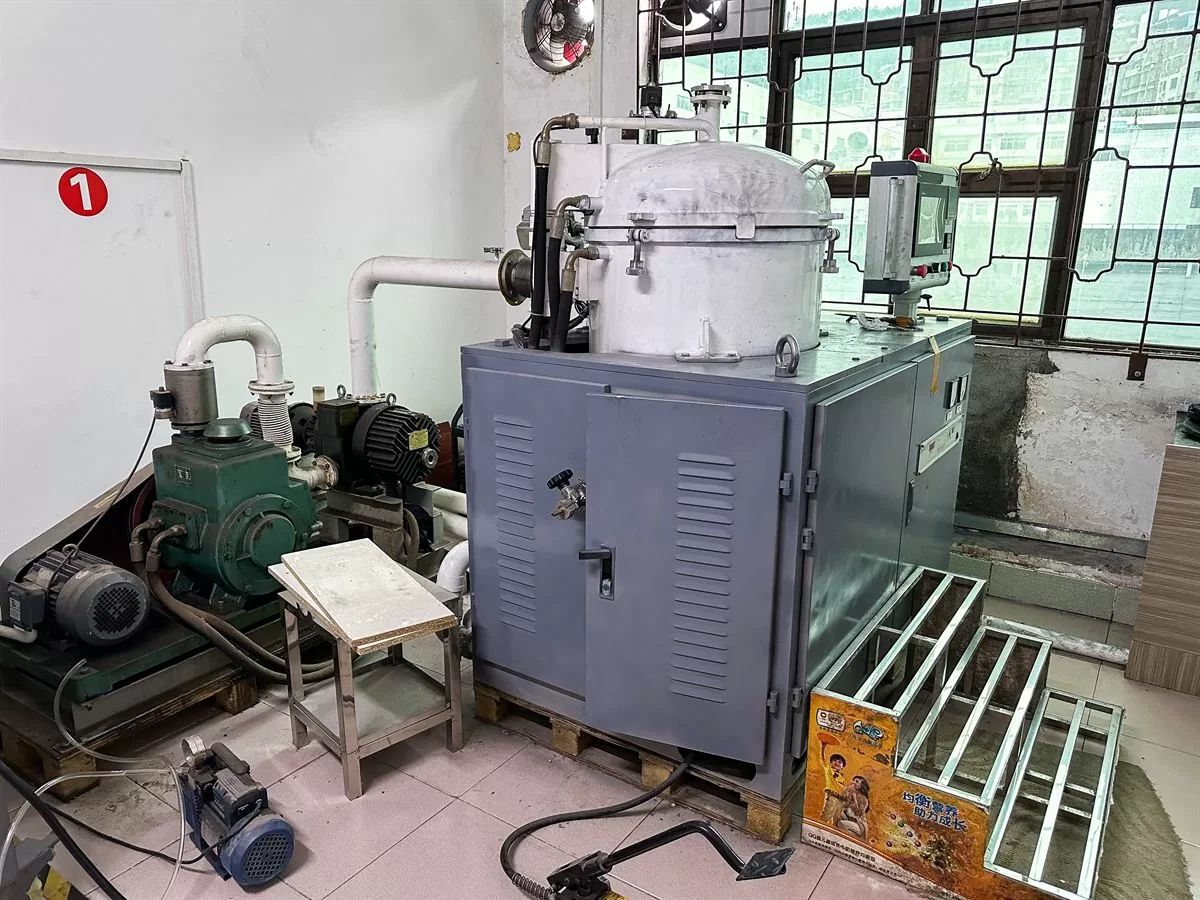
7. Plating and Anti-Tarnish Treatment
Plating and surface treatment run as a separate station with its own inspection point. Silver pieces receive anti-tarnish treatment consistent with our established silver production standard; gold finishes follow the material specification in the order. Plating thickness and color tone for a specific run are quoted on request.
-
8. Assembly
Multi-part pieces are assembled at this stage: pendant bails, chains, earring backs, bracelet clasps, extension links and charm attachments are fitted and checked for function and security. Sizing tolerance is rechecked after plating before the piece enters final inspection.
-
9. Quality Control (Finished-Item Full Inspection)
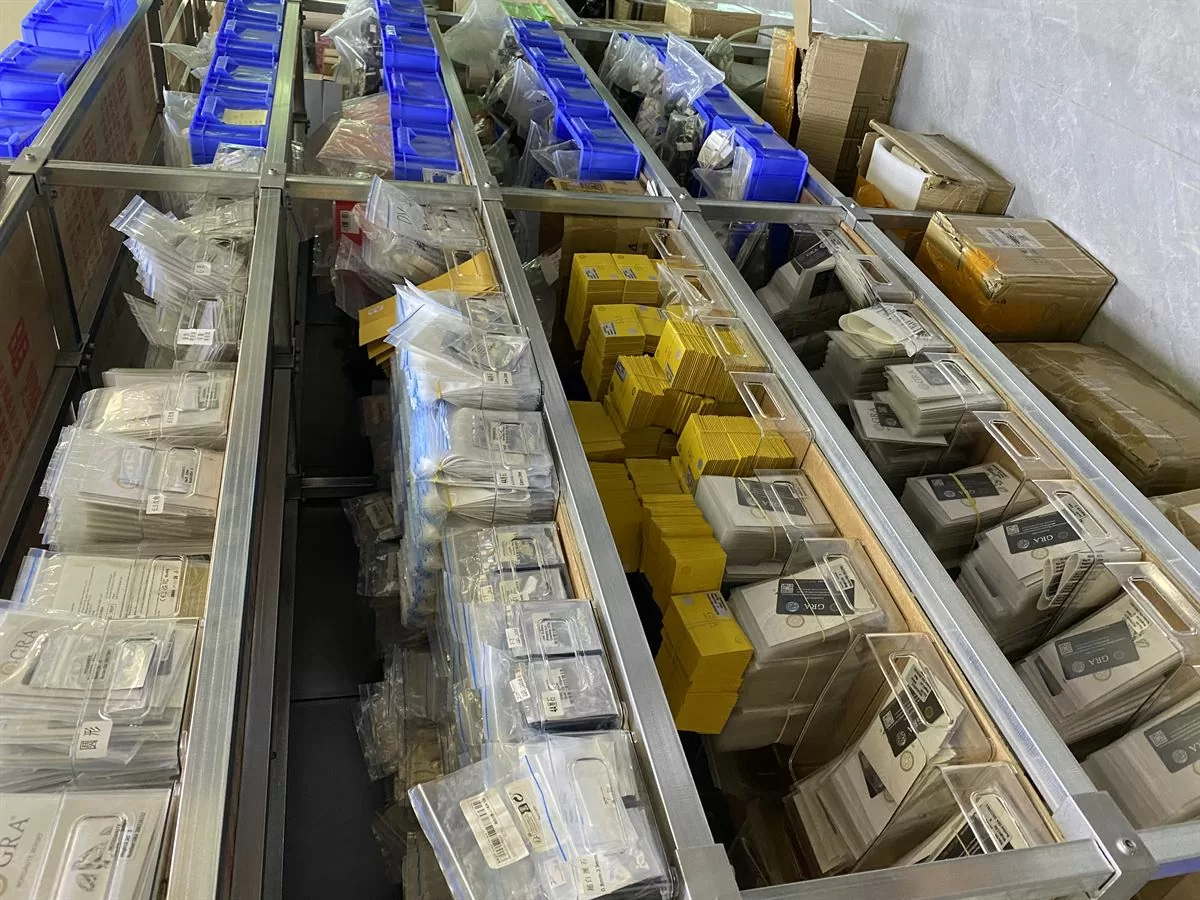
Every piece passes the finished-item full inspection: stone seating and security, setting seats, surface condition, band and clasp function, sizing tolerance and overall appearance. Certificate matching happens here as well — GRA report card for moissanite, IGI certificate for lab-grown diamond — paired to the specific item. The full inspection system is described on the Quality Control page.
-
10. Packaging
Accepted pieces are packed under the appropriate standard: loose-stone divided boxes, melee bags with batch labels, finished-jewelry gift boxes with velvet pouch and care card, or consolidated master cartons for wholesale and private-label orders. Customer logos, tags and insert cards are applied where the OEM/ODM agreement includes them.
-
11. Dispatch and Shipping
Orders are handed to Shun Feng Express, ZTO Express or a customer-designated forwarder. The tracking number is issued and sent to the buyer, and the parcel is followed through transit. Processing and delivery windows, free-shipping threshold and regional estimates are published on the Shipping Policy page; customs duties and import taxes are the recipient's responsibility.
Lead Time and Quotation Rules
- Ready-stock wholesale: picked, inspected and packed within 2–5 business days after order confirmation, subject to stock availability.
- OEM / ODM and bespoke orders: prototype approval precedes production; total lead time depends on design complexity, metal, stone availability and quantity, and is stated in the written quotation. No fixed production day count is promised on this page.
- Sample-first cooperation: a sample or prototype is approved before bulk production begins.
- Changes after approval: design changes requested after prototype approval may affect lead time and cost; the sales team confirms the revised quotation before work resumes.
Process Gallery Groups
Design desk and 3D model screens
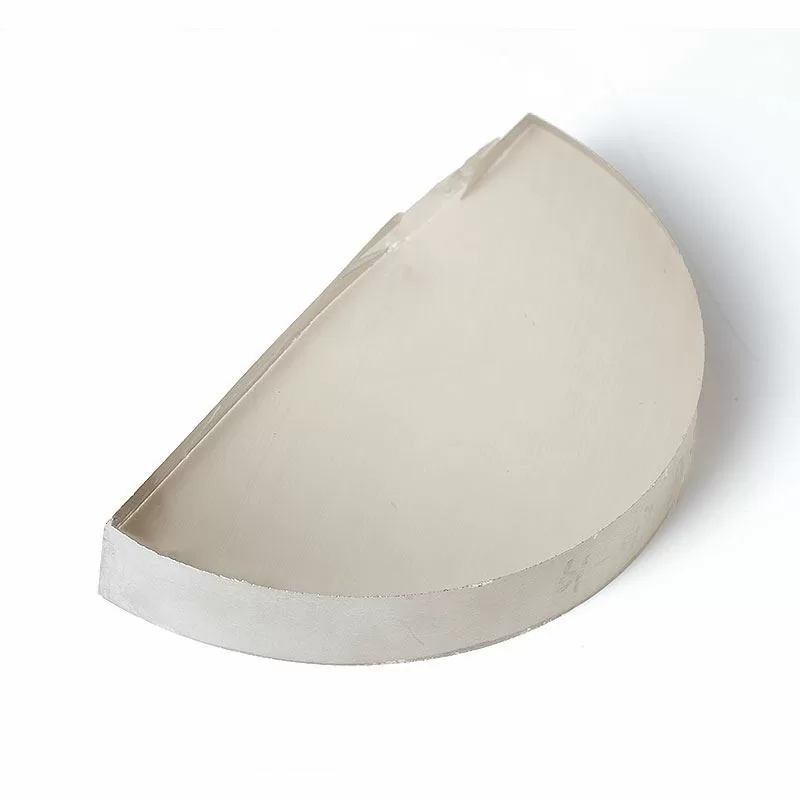
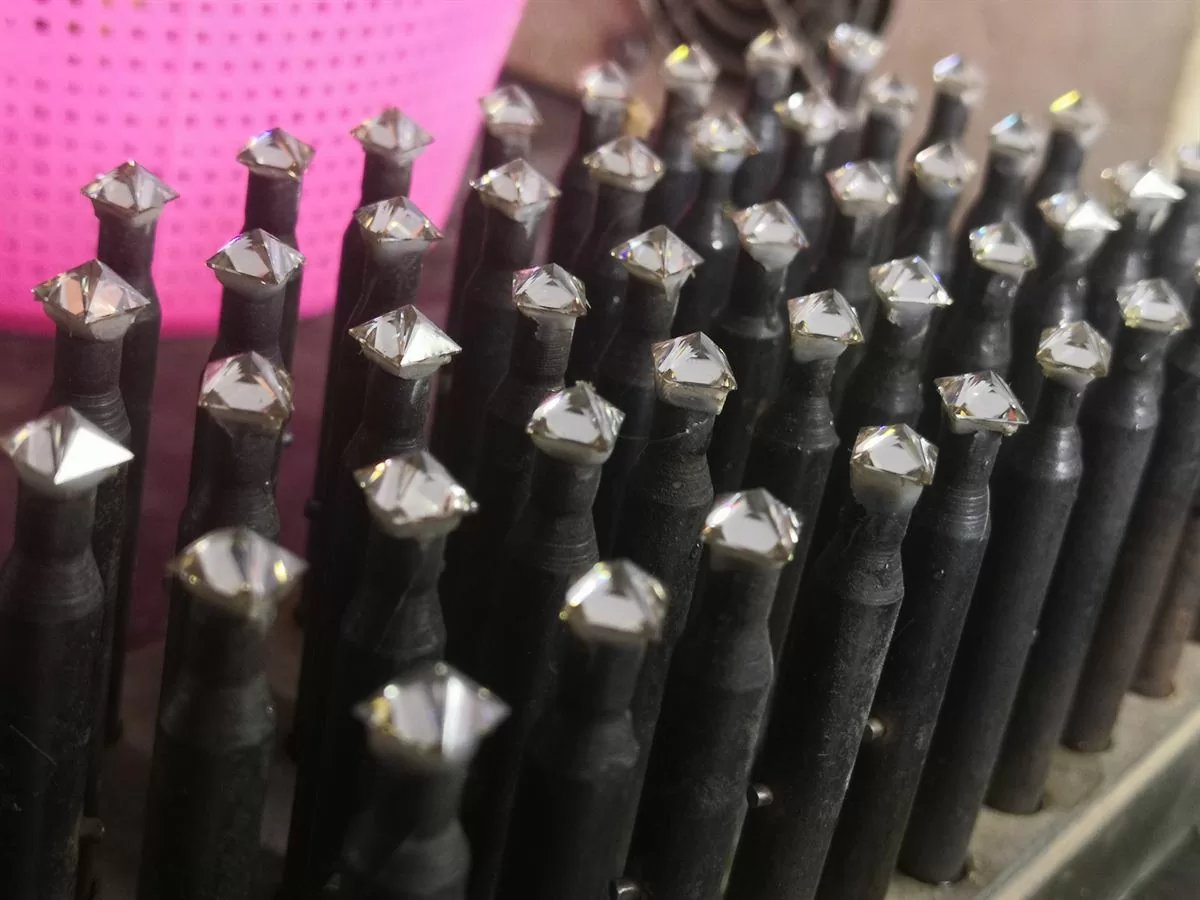
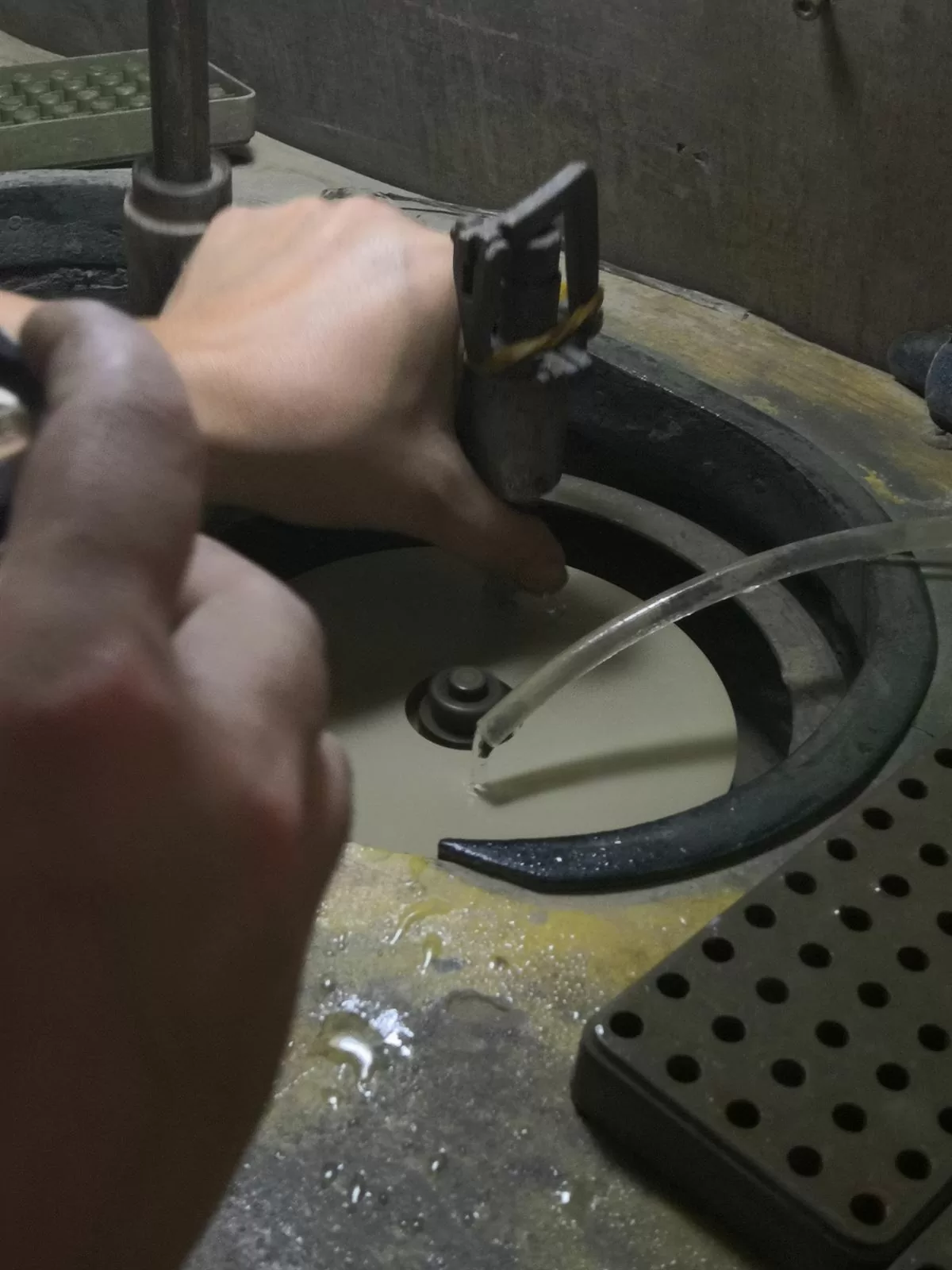
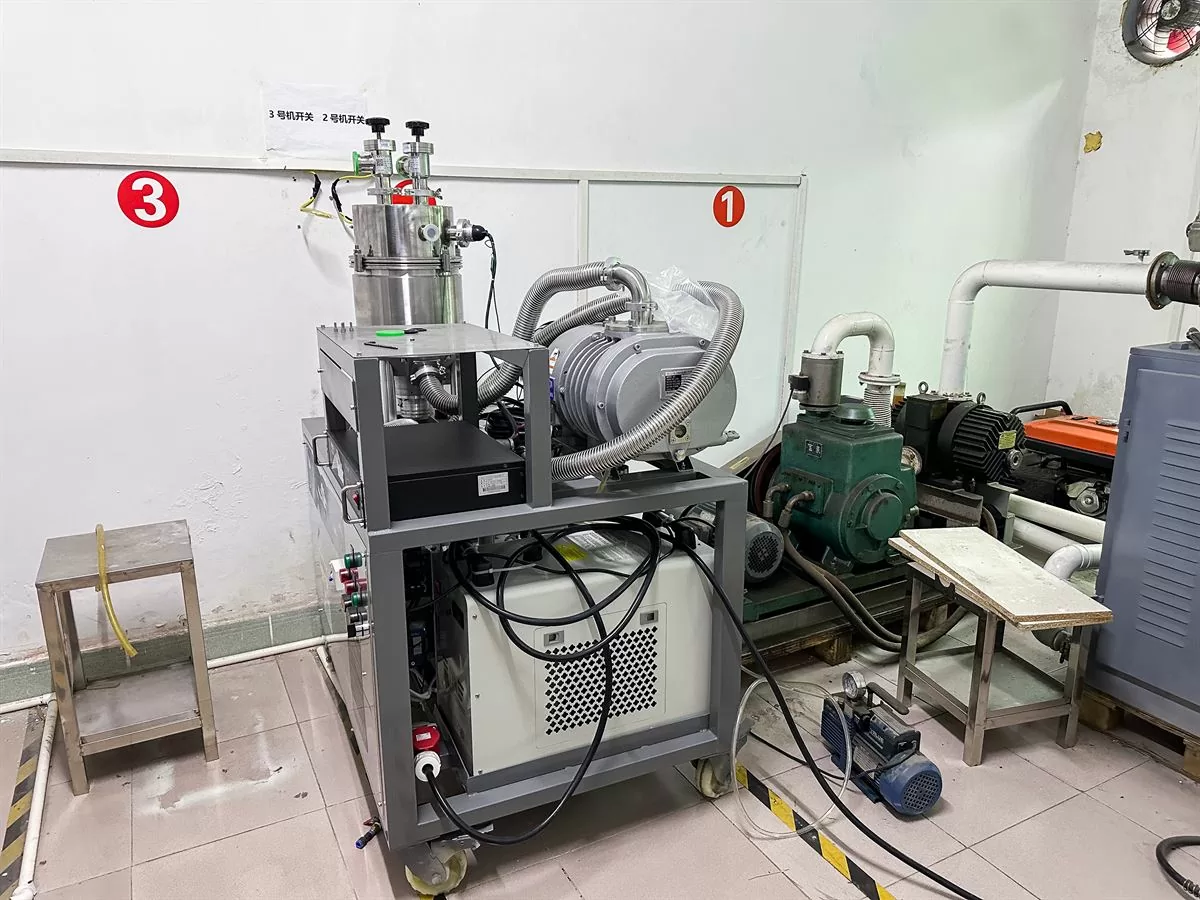
Bench work: setting, polishing, plating
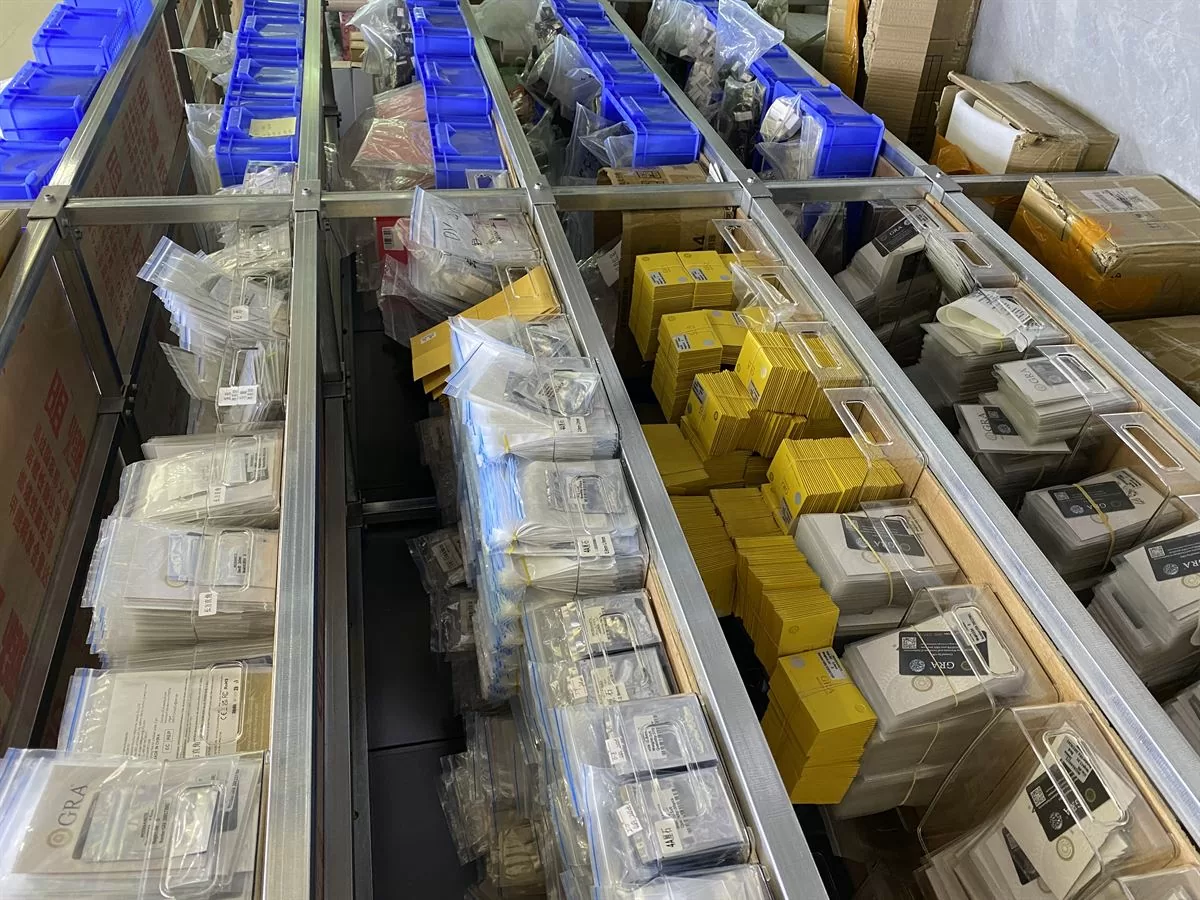
Inspection, certificate and packing
Start a Custom or Wholesale Project
Send your reference, stone and metal requirements and target quantity; our team returns feasibility notes and a quoted production window.
Wholesale Order Terms
Minimum order quantity
MOQ starts at 5 pieces per ready-stock style; OEM/ODM custom rings follow a quoted minimum order set in the order agreement.
Lead time
Ready-stock orders are prepared within 2–5 business days after confirmation. Custom, OEM and ODM projects follow a quoted lead time of 15–30 days, depending on design, metal, stone availability and order size.
Pricing basis
Pricing is quoted per piece or per carat according to stone, metal weight, setting and finish. After you send styles, stone and quantity, our sales team returns a written price list and price range for the proposed order.
Payment terms
We accept T/T bank transfer, PayPal and Western Union. Custom and OEM/ODM orders require an agreed 30% deposit, with the balance paid before shipment; bulk and private-label payment terms are confirmed in the order agreement.
Frequently Asked Questions for Wholesale Buyers
What is the minimum order quantity (MOQ) for wholesale orders?
We keep our wholesale MOQ low, but the exact minimum is quoted on request rather than fixed on this page. Ready-stock styles can usually be ordered in small mixed batches across categories; OEM, ODM, private-label and custom packaging runs carry their own minimums depending on tooling, branding and quantity. After you send your selected styles or categories and estimated quantities, our sales team confirms the MOQ, mixed-batch options and unit price in a written quotation. Any fixed number quoted on a proposal applies to that specific order only.
How long does production take for a custom or OEM/ODM order?
Ready-stock orders are picked, inspected and packed within 2–5 business days after confirmation, subject to availability. Custom, OEM and ODM orders follow a longer quoted schedule because the project includes consultation, 3D modeling, prototype approval, production and final inspection. The total lead time depends on design complexity, metal, stone availability, setting type and order size; we state the expected production window in your quotation after reviewing the brief. No fixed production day count is promised publicly because each project differs, and sample approval always precedes bulk production.
Do you offer samples before bulk production?
Yes. Sample-first cooperation is standard for custom, OEM and ODM projects. For ready-stock wholesale, buyers may order a small sample batch to check quality, finish and packaging before committing to a larger order. A sample or prototype cost may apply to custom designs; that cost and whether it is credited toward a later bulk order are stated in the quotation. We recommend approving the physical sample or prototype before production begins, because changes made after approval can affect cost and lead time.