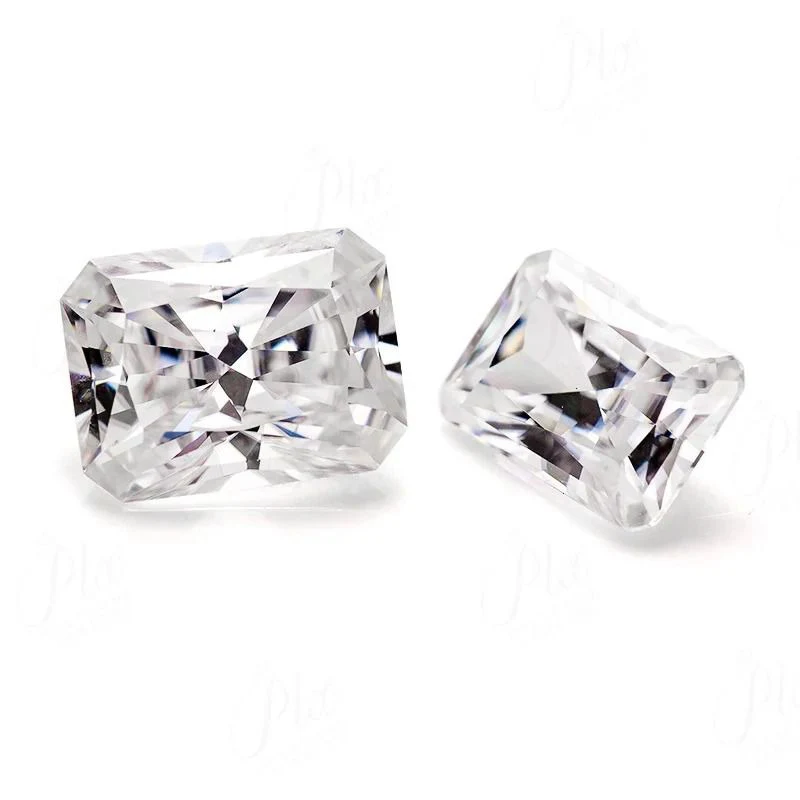
A buyer comparing a VS1 at ,200 with an SI2 at ,900 on the same 1ct round is looking at a 25 percent discount. The temptation is to take the saving. The trap is that SI2 is the grade where some stones are eye-clean and some are not, and the grading report does not tell you which. Wholesale accounts who pull SI2 stock without a checklist end up with stones customers can see at arm length and return. Here is what to inspect before you buy the SI2 lot.
What SI2 means on the GIA scale
GIA clarity runs FL, IF, VVS1, VVS2, VS1, VS2, SI1, SI2, I1, I2, I3. SI stands for slightly included. An SI2 means a trained grader sees the inclusions easily under 10x loupe, but they are not guaranteed visible to the naked eye. The clarity scale is documented on the GIA diamond-clarity. The key fact: SI2 is the lowest grade that still retails cleanly in a solitaire, and the highest grade where you can save real money. It is also the grade where you must inspect the stone, not the report.
The eye-clean test at 15 inches
Hold the stone at 15 inches from your eye under diffuse white light. If you cannot see an inclusion without squinting, the stone is eye-clean. If you can, it is not. Do this with the stone both face-up and at a 45-degree tilt. Do not use a direct lamp; it throws contrast that hides inclusions. Do not do it in sunlight; it magnifies them. The point is to match the conditions the customer will actually wear the ring in. Pair with the SI1/SI2 eye-clean buyer guide and what clarity grades I to I1 look like.
Inclusions to avoid in SI2
Four inclusions make an SI2 unsellable. First, a black crystal or carbon spot directly under the table: it is visible at arm length in white gold. Second, a feather that reaches the girdle: it can chip later. Third, a dense pinpoint cloud in the center: it makes the stone look hazy. Fourth, an inclusion aligned with a prong: it will be visible next to the metal. The clarity plot on the GIA report tells you where each inclusion sits; cross-reference that with the photos before you buy. For more on reading plots, see what inclusions actually mean.
What is fine in SI2
Three inclusion types sell cleanly. A feather on the girdle edge, covered by a prong, is invisible. A natural (unpolished rough skin) on the girdle, also covered by the setting, is invisible. A small white crystal off-center to the side is not seen at arm length. These stones look clean in the case, photo well, and hold the VS1 look on the hand. The saving is real, and the customer will never know. For budget context, see how much a real engagement ring costs.
The wholesale margin on eye-clean SI2
An eye-clean SI2 round buys roughly 25 percent below a comparable VS1. That margin does not all go to profit; a chunk of it should go into a side-by-side photo shoot at 15 inches, because that photo is what prevents the return. Wholesale accounts that pull SI2 lots blind and list them on the strength of the GIA report get returns. Accounts that photograph each stone under diffuse light and reject the ones with visible dark crystals at arm length keep the margin and the customer. The cost of the rejected stones is the price of doing SI2 honestly.
Is SI2 ever eye-clean in an oval?
Yes, but ovals show inclusions more than rounds because the elongated shape and the bow-tie area pull the eye to the center. Inspect oval SI2 stones more strictly than rounds.
Does SI2 hold resale value?
At resale, SI2 sells more slowly than VS1 because it is harder to grade from a photo. The discount at trade-in is usually 5 to 10 percent deeper than the original saving.
Can inclusions grow over time?
No. A feather can chip if hit, but the inclusion itself does not grow. Polishing the stone can remove surface-reaching feathers, but that costs weight.
Is SI2 okay in a halo setting?
Yes, and the halo hides more inclusions than a solitaire. A dark crystal near the girdle disappears between the pavé stones. This is the easiest setting to pair with an SI2.
Should I tell the customer it is SI2?
Yes. The GIA report is part of the sale. Honest disclosure prevents returns. Most customers who choose an SI2 do so because they want a bigger stone, and they are fine with the trade-off.
If you are a retailer buying calibrated SI2 lots and want a pre-screened batch of eye-clean stones with photos at 15 inches, our wholesale team can send a hand-inspected selection. Request an eye-clean SI2 sheet.
Frequently Asked Questions
What care instructions should I give end customers?
Remove jewelry before swimming, cleaning or applying perfume. Store dry in a sealed bag. Clean with mild soap and a soft brush, then dry fully.
How often does rhodium plating need renewal?
Every 12–18 months under daily wear. Offer a re-plating service to your customers to build repeat visits.
Does chlorine damage sterling silver?
Yes. Chlorine and saltwater accelerate tarnish and can pit the surface. Rinse and dry immediately after any contact.
What causes green skin marks?
Copper or nickel in the base alloy reacting with sweat. Switch to 316L, titanium or sterling, and specify nickel-free plating.


