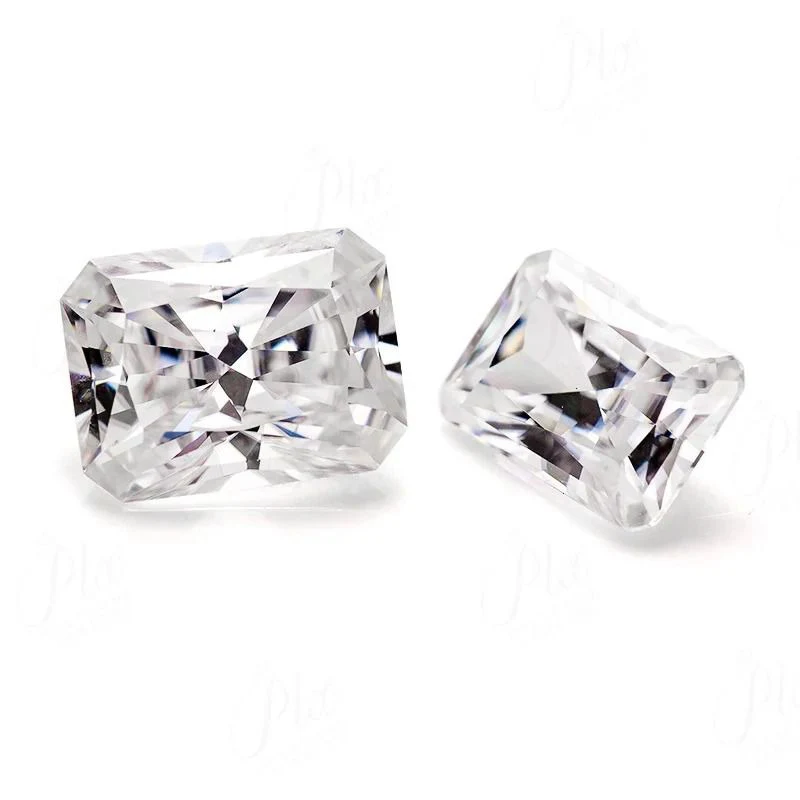
The shape of the diamond is the first visible choice, and it is also the one that moves price the most. A round brilliant of a given grade can cost 25–35% more per carat than an oval of the same grade. That single decision is where most buyers either overspend or, knowingly, get more stone for the money. This is the honest comparison of the six shapes people actually choose.
The six common shapes
| Shape | Price index (round=100) | Flattens / lengthens finger | Hides inclusions? |
|---|---|---|---|
| Round brilliant | 100 | Neutral | Good |
| Oval | 75–85 | Lengthens | Good |
| Cushion | 75–85 | Softens, square-ish | Very good |
| Emerald | 70–85 | Lengthens if rectangular | Poor — shows clarity |
| Pear | 75–85 | Lengthens strongly | Good |
| Princess | 70–80 | Modern, angular | Good |
How each shape wears
- Round: the safest, most traditional choice. Best sparkle, highest price. Ages well in any setting.
- Oval: looks larger than a round of the same carat, lengthens the finger. Watch for the 'bow-tie' dark band across the centre on badly cut stones.
- Cushion: soft, square with rounded corners. Hides inclusions so well that a VS2 cushion often looks like a VVS. A romantic, slightly vintage look.
- Emerald: step-cut, elegant, but an open table that shows every inclusion. Step up a clarity grade if you choose it.
- Pear: teardrop, very flattering, but the point can chip if unprotected. Bezel or prong the tip.
- Princess: square, modern, good value. Sharp corners chip easily — make sure the setting covers them.
Matching shape to the hand
Long, slender fingers carry almost any shape well. Short fingers benefit from elongated shapes — oval, pear, rectangular emerald — which optically lengthen the hand. Wider, more squared hands read well with cushion or round, which balance the width. The honest move is to try shapes on a hand similar to your partner's, because a catalogue photo flatters every shape equally.
The durability caveat
How shape interacts with the setting
A solitaire setting is not one-size-fits-all by shape. Round brilliants sit in a four or six-claw round head. Ovals and pears need a head made for their outline, and a pear tip needs a claw that cups the point. Emerald cuts look best in a bezel or a four-corner setting that protects the sharp corners. If you are choosing a fancy shape, ask the jeweller which head it needs — and whether that head is in stock. A shape that is easy to love on a screen can be surprisingly fiddly to set well.
The bow-tie and window caveats
Two optical flaws show up on specific shapes. An oval or pear cut too shallow across the centre develops a dark bow-tie shadow across the middle, visible face-up. An emerald cut cut too shallow develops a 'window' — a see-through dark patch in the table. Both are cut-quality problems, and both are invisible on a small product photo. Ask for a daylight video of the exact stone, face-up, before you buy an oval, pear or emerald online. The difference between a well-cut and poorly cut example of the same shape is the difference between a ring that looks expensive and one that does not.
Trend versus heirloom
Shapes move in and out of fashion. Rounds have been steady for a century. Ovals and pears have had a strong decade but are still recognisable and wearable. Emerald and cushion reads as timeless. If the ring is meant to be an heirloom that a future generation will wear rather than sell, the round or cushion is the safest long-term bet; if it is being chosen for the next thirty years of your own wear, the shape you actually love now matters more than fashion forecasts.
Try shapes on, do not just read about them
Shape is the one 4Cs decision that cannot be judged from a certificate, because it is about proportion and flattery, not grade. Most jewellers keep a few shape samples on hand — a round, an oval, a cushion — that you can hold against your partner's hand or your own. Spend ten minutes doing this. People who fall in love with an oval online and then see an oval on their hand often switch to a cushion; people who thought they wanted an emerald cut sometimes find it too severe. The ten-minute try-on saves an expensive mistake.
Shape is the decision that moves price most and is judged least on paper, which makes it the one most worth getting right in person.
Pointed shapes — pear tips, princess corners, emerald corners — are the weak points. A ring in one of these shapes needs a setting that protects the corners, not a bare-prong solitaire. If the ring will be worn during work with the hands, the round or cushion is the lower-maintenance choice. Shape sits alongside the rest of the 4Cs in our beginner's guide.
Carat weight conventions cited here follow the Wikipedia entry on carat weight.
Related Reading
- I1, I2, I3 Clarity: What Included Diamonds Actually Mean
- Diamond Table and Depth Percentages: What the Numbers Actually Mean
- VS1 vs VS2 Diamond Clarity: Which Grade to Buy
Frequently Asked Questions
Is moissanite a good diamond alternative for retail buyers?
Yes for price-sensitive customers who want brilliance and hardness. Moissanite ranks 9.25 on the Mohs scale, holds up to daily wear and costs a fraction of a natural diamond of the same size, so it resells fast in bridal and fashion lines.
What is the minimum order for wholesale moissanite?
MOQ starts at 50 pieces per design for stock items. Custom cuts and private-label settings usually start at 100–300 pieces depending on the mold.
Do you provide certificates with moissanite stones?
Yes. Every parcel ships with GRA or IGI documentation listing carat weight, color grade and cut. We recommend passing the certificate to your end customer for trust.
How long does sample and bulk production take?
Samples ship in 3–5 days. Bulk runs take 15–20 days under 500 pieces, and 25–30 days for custom work.


