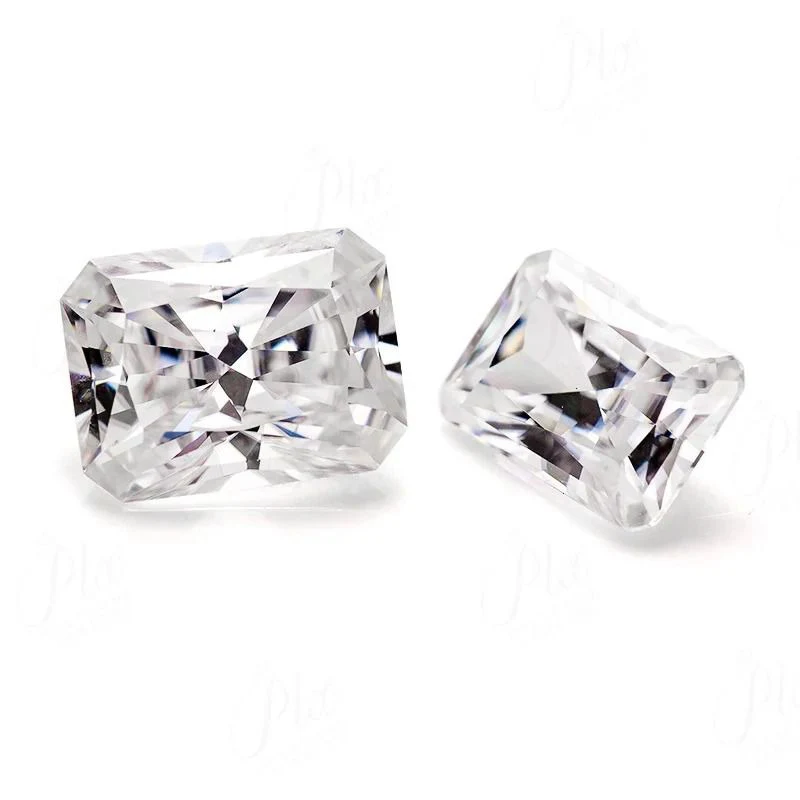
Buyers increasingly ask whether a lab-grown diamond is "real." The short answer is that it is physically and chemically identical to mined diamond; the difference is where and how it was grown. Knowing the two main production methods lets you explain the category confidently instead of repeating marketing language.
Same material, different origin
A lab-grown diamond is crystallized carbon with the same optical and physical properties as a mined diamond. It will read as diamond on standard testers and receives independent grading reports. The technology and history are summarized on the lab-grown diamond reference. US sellers are required to disclose lab-grown treatment accurately under the jewelry guides at 16 CFR Part 23, so honest labeling is a compliance point, not a suggestion.
Method one: HPHT (high pressure, high temperature)
HPHT recreates the conditions deep in the earth: a press squeezes carbon with a metal solvent at extreme pressure and temperature until a diamond crystal grows around a small seed. This is the older method and it still produces much of the industrial and smaller gem-quality material. Some HPHT stones show a faint growth structure that a grader can identify. For the buyer, the process detail matters less than the final certified grade, but it is useful context when a client asks why prices vary.
Method two: CVD (chemical vapor deposition)
CVD grows a diamond layer by layer inside a vacuum chamber from a carbon-rich gas plasma, onto a diamond seed at a much lower pressure. It is highly controllable and is the dominant method for larger, high-color gem-quality stones today. Both methods produce finished rough that is cut and polished exactly like mined diamond. The resulting optical quality is governed by the same cut principles described in what makes a stone sparkle.
What buyers should actually compare
Since material is identical, the decision is about price, sizing, and resale expectations. Lab-grown stones cost less per carat, which lets a buyer step up in size or clarity. The tradeoff is in resale liquidity, which we cover in lab-grown diamond resale value. If a client is choosing between mined and grown, our comparison in lab-grown vs natural diamond lays out the practical differences. Sourcing logistics are in buying an engagement ring online.
How pricing and grading differ from mined
A lab-grown diamond is graded by the same laboratories and awarded the same 4Cs grades as a mined stone, so a G or VS2 grown diamond is evaluated on the same scale. The practical difference is price per carat: grown stones typically cost a fraction of a comparable mined stone, which means a buyer can move from 1 to 2 carats, or from SI to VS, on the same budget. Because supply of grown diamonds keeps rising, prices per carat have fallen steadily year over year, and that trend is the main driver of the resale gap.
When you quote grown stock to a client, always include the lab report and the "lab-grown" designation on the invoice, both because US rules require truthful disclosure and because it builds trust. Tell the buyer up front that grown diamonds are a purchase for wearing and enjoying, not for resale appreciation. Within that frame they are an excellent value: a larger, cleaner, whiter stone for the money. Many couples choose a grown center stone and put the savings into a better setting or a matching band, which is the most satisfying way to spend the difference.
If a client asks whether grown diamonds degrade over time, the answer is no: the material is the same stable crystallized carbon as mined, so it does not cloud, fade, or change color with age. Any dullness is surface film, removable with a normal clean, and the stone keeps its optical properties for the life of the piece.
FAQ
Is a lab-grown diamond a real diamond?
Yes. It is crystallized carbon with the same physical, chemical, and optical properties as a mined diamond, and it is graded by the same laboratories.
What is the difference between HPHT and CVD?
HPHT grows carbon under extreme pressure and heat in a press. CVD grows the diamond layer by layer from carbon gas in a low-pressure chamber. Both produce gem-quality diamond; CVD is favored for larger, high-color stones.
Can a jeweller tell a lab-grown diamond apart?
A standard diamond tester cannot. Identification requires laboratory equipment that reads the specific growth markers and fluorescence, which is why grading reports include a "lab-grown" designation.
Do lab-grown diamonds hold their value?
They typically depreciate more on resale than mined diamonds because supply is increasing. Their value to the buyer is the larger, better stone for the budget, not an investment.
We stock certified lab-grown diamonds in calibrated sizes with full grading reports, and we can match mined and grown stones side by side for your clients. Request a grown-diamond price list.


