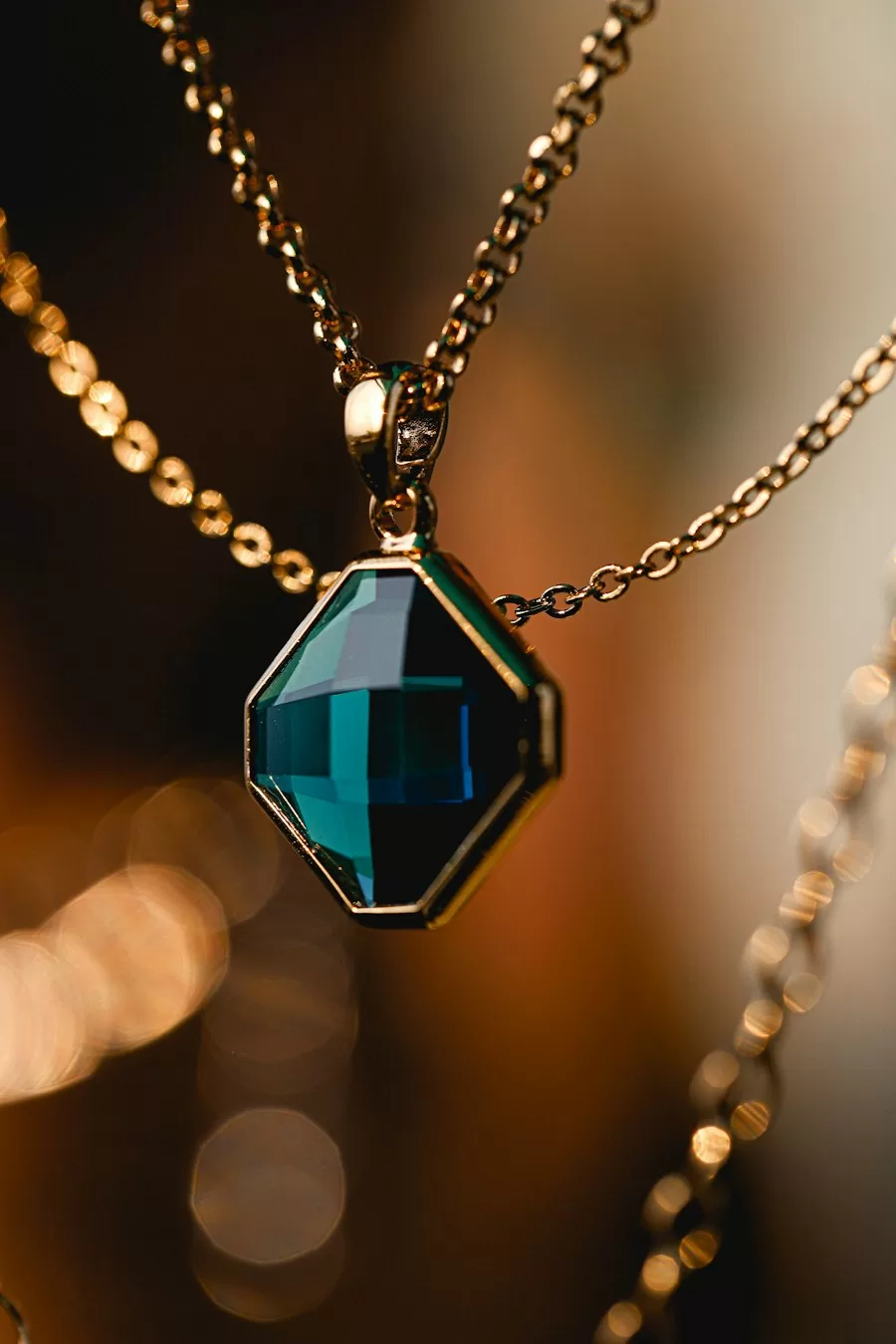
Most buyers learn the D-to-Z color scale first: a chart that rewards a diamond for being colorless and transparent. That system only tells half the story. When a diamond shows enough body color to go beyond the end of that ladder, or appears in hues like pink, blue, green or cognac, it stops being graded for absence of color and starts being graded for the beauty of the color itself. That is the world of fancy-colored diamonds, and it is where some of the most extraordinary stones on earth are found.
Why colored diamonds leave the D-to-Z scale
The D-to-Z range describes near-colorless to light yellow or brown stones. A yellow diamond that sits above the Z end is treated completely differently. Instead of asking "how colorless is it?" a grader asks "how strong and pure is the color?" The answer lands on a fancy-color scale built from three words: hue, tone and saturation. Hue is the actual color family, such as yellow, pink or blue. Tone is how light or dark the stone appears on a sliding scale from very light to very dark. Saturation is how intense and pure that color looks, rather than washed out, grayish or brownish.
A stone can have the right hue but the wrong saturation, which is why two "pink" diamonds can look nothing alike. One may be a soft pastel, the other a vivid raspberry, and the price gap between them is enormous even when the carat weight matches.
The intensity scale
Labs such as GIA grade (per GIA's diamond grading standards) the strength of fancy color in steps that run roughly from Faint and Very Light up through Light, Fancy, Fancy Light, Fancy Intense, Fancy Vivid, Fancy Deep and Fancy Dark. Fancy Vivid sits near the top of the desirability list because the color reads clean and saturated without turning muddy. Fancy Deep stones can look gorgeous in larger sizes, but a deep tone can also overwhelm a small stone and make it look dark rather than colorful. Fancy Light grades are often the most accessible entry point, because they show clear color without the premium of the top tiers.
The most valuable combinations are specific. A Fancy Vivid pink or blue diamond is rare enough to command prices that rival the finest colorless stones, while a Fancy Light yellow in the same carat weight is far more approachable. Rarity of the hue matters as much as the grade: pink, red and blue are scarce; yellow, brown and champagne are far more common and therefore more affordable.
Natural color versus treated color
This is where careful buyers earn their money. Some colored diamonds are colorless or lightly tinted stones that have been treated with irradiation, high-pressure high-temperature (HPHT) processing, or surface coating to produce an intense hue. These treatments are permanent in many cases, but they change the value and the price dramatically. A grading report from a reputable lab will state whether the color is natural or treated, and it will often flag the specific enhancement in writing.
Always read that note rather than assuming. A stone that looks stunning under showroom lighting can be worth far less once you learn its color was artificially produced. Natural fancy color stones also tend to hold value better and offer more predictable long-term worth, while treated stones are bought for their look rather than their investment potential. If a seller is evasive about origin, that hesitation tells you everything.
Color zoning and viewing conditions
Fancy-colored diamonds are rarely uniform. Color often pools in one corner or concentrates around the culet, a condition called color zoning. A well-cut stone spreads the color evenly across the face-up view, which is why cut still matters even in colored diamonds. View the stone in natural daylight as well as under spotlights, because warm showroom lighting can oversell a pale yellow or pink. Compare two stones of the same grade side by side so your eye calibrates to the real difference between Fancy Light and Fancy Intense.
Pairing the stone with its setting
The metal you choose changes the perceived color. Yellow gold warms a yellow or cognac stone, while white gold or platinum makes a pink or blue stone pop. A halo of small colorless diamonds can boost the apparent size and brightness without overwhelming the hue. For daily wear, a protective bezel or half-bezel setting helps shield the girdle, because colored diamonds are still diamonds at the end of the day and can chip if knocked against a hard edge.
What to ask before you buy
Before committing, ask for the written lab report, confirm the color is natural, and request face-up photographs in neutral light. Compare two stones of the same hue side by side so you can judge tone and saturation with your own eyes rather than from a single word on a certificate. Do that, and the fancy-color system stops looking like a mystery and starts feeling like a fair way to compare one colored diamond against another.
Related Reading
- I1, I2, I3 Clarity: What Included Diamonds Actually Mean
- Diamond Table and Depth Percentages: What the Numbers Actually Mean
- VS1 vs VS2 Diamond Clarity: Which Grade to Buy
Frequently Asked Questions
Is moissanite a good diamond alternative for retail buyers?
Yes for price-sensitive customers who want brilliance and hardness. Moissanite ranks 9.25 on the Mohs scale, holds up to daily wear and costs a fraction of a natural diamond of the same size, so it resells fast in bridal and fashion lines.
What is the minimum order for wholesale moissanite?
MOQ starts at 50 pieces per design for stock items. Custom cuts and private-label settings usually start at 100–300 pieces depending on the mold.
Do you provide certificates with moissanite stones?
Yes. Every parcel ships with GRA or IGI documentation listing carat weight, color grade and cut. We recommend passing the certificate to your end customer for trust.
How long does sample and bulk production take?
Samples ship in 3–5 days. Bulk runs take 15–20 days under 500 pieces, and 25–30 days for custom work.


