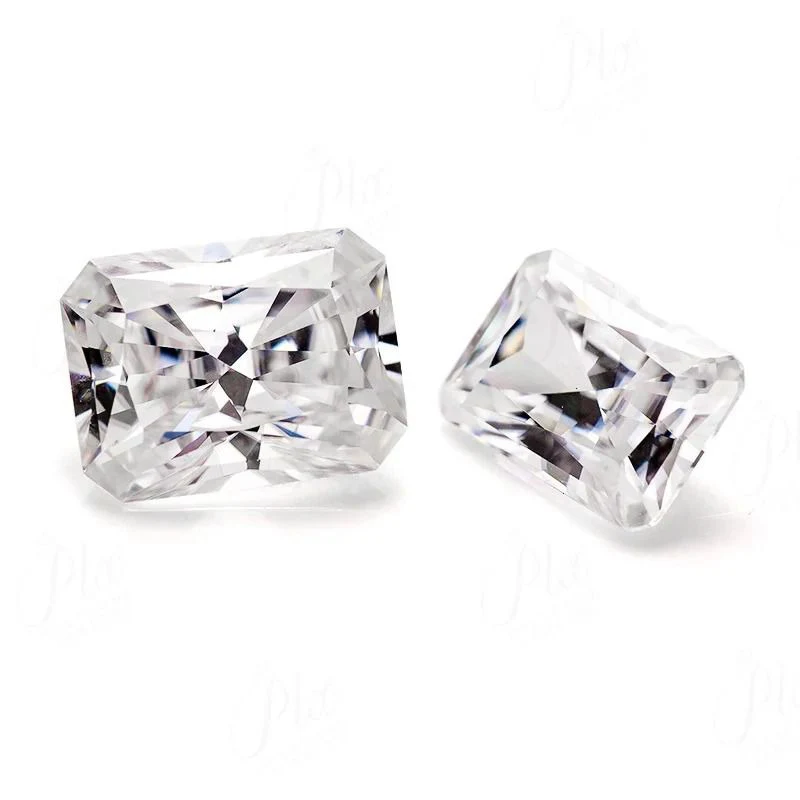
Two diamonds arrive with certificates that both say 1.0ct, G, VS2, Excellent cut. They are priced within £100 of each other. People assume they are interchangeable. They are not. The real differences sit in the numbers and plots that most buyers never look at. This is how a trained buyer compares two reports in about ten minutes.
Start with the lab, not the grades
A GIA report and an IGI report are not directly comparable. GIA grades conservatively; IGI tends to run slightly more generous. Comparing a GIA G stone against an IGI G stone and paying the same price is usually a small mistake in the wrong direction. Before you compare grades, confirm both reports are from the same — or equally strict — laboratory.
The numbers that move the needle
- Table percentage: on a round brilliant, 55–60% is the sweet spot. A table over 65% reads as flat; under 53% can look chunky.
- Depth percentage: 58–62% is ideal. Too shallow leaks light out the bottom; too deep makes the stone look dark and small face-up.
- Measurements: compare length-to-width on fancy shapes. An oval at 1.4:1 looks elegant; at 1.2:1 it reads almost round.
- Plot: where are the inclusions? Edge-placed beats centre-placed, every time.
| Attribute | Stone A | Stone B | Which wins |
|---|---|---|---|
| Carat | 1.01ct | 0.99ct | Tie on the finger |
| Colour / clarity (per GIA's diamond grading standards) | G / VS2 | G / VS2 | Tie |
| Cut grade | Excellent | Very Good | A |
| Table / depth | 57% / 60.5% | 64% / 63% | A |
| Inclusion position | Centre black crystal | Edge feather | B |
| Fluorescence | None | Medium blue | Tie / slight B discount |
The eye-clean test beats the grade
The deciding question, once the numbers are close, is which stone looks cleaner face-up at arm's length. Ask the seller for daylight photos of both at the same size. The VS2 with an edge feather will often out-look the VS2 with a central black crystal, even though the printed grade is identical. If a seller will not produce side-by-side daylight photos, you cannot do this comparison — which is itself useful information.
The plotting diagram tells the rest
Every GIA report includes a diagram of the stone with small symbols marking inclusions. The symbols are not decoration: a black crystal plotted dead in the centre of the table will read as a dark dot on the finger, while an identical crystal plotted near the girdle will be hidden once a claw covers it. When two certificates show the same VS2 grade, the one with edge-plotted inclusions is the better-looking ring. Ask the seller to circle the inclusions on the plot and tell you which ones are visible face-up — if they cannot, the comparison stops there.
The price-per-carat sanity check
Work out the price per carat for each stone: total price divided by carat weight. Two stones of the same grade should land within about 10% of each other per carat. If one is meaningfully cheaper per carat, find out why — it may be a looser certificate, a treated stone, or a cut the letter grades do not capture. If it is meaningfully more expensive, it may simply be the 'must-have' stone that a good jeweller bought on a good day. Either way, the number tells you which direction to probe before you commit.
When to walk away from the comparison
If a seller will not show you the actual certificate for the exact stone you are buying — only a generic grade — you cannot do this comparison, and you should not buy. Reputable online and high-street sellers both make the certificate number visible before you pay. The handful who do not are the ones where the small print matters.
Trust your eyes over the spreadsheet
After ten minutes of comparing numbers, it is tempting to choose the stone with the best per-carat price and the cleanest plot. The last check is the simplest: which stone looks better on the hand, in daylight? If one of the two reads livelier and cleaner face-up, that is the one to buy, even if its printed grade is marginally lower. A certificate describes a stone under controlled conditions; your ring will live on a finger in uncontrolled light. The eye-clean test on the actual stone beats the spreadsheet every time, which is why a reputable jeweller will let you compare the two in the window before you pay.
Comparing certificates takes ten minutes and saves the single most common online-buying regret: paying the same money for a stone that looks duller on the hand. The grades on paper are a starting point, not the decision. Use them to shortlist, then let the actual stones decide. The ten minutes you spend comparing two reports is the highest-value part of the whole purchase — more than the brand, more than the shape, more than the setting.
Clarity and colour are the two sections most often misunderstood when comparing reports; our clarity guide goes deeper on the one that moves the price most.
Related Reading
- I1, I2, I3 Clarity: What Included Diamonds Actually Mean
- Diamond Table and Depth Percentages: What the Numbers Actually Mean
- VS1 vs VS2 Diamond Clarity: Which Grade to Buy
Frequently Asked Questions
Is moissanite a good diamond alternative for retail buyers?
Yes for price-sensitive customers who want brilliance and hardness. Moissanite ranks 9.25 on the Mohs scale, holds up to daily wear and costs a fraction of a natural diamond of the same size, so it resells fast in bridal and fashion lines.
What is the minimum order for wholesale moissanite?
MOQ starts at 50 pieces per design for stock items. Custom cuts and private-label settings usually start at 100–300 pieces depending on the mold.
Do you provide certificates with moissanite stones?
Yes. Every parcel ships with GRA or IGI documentation listing carat weight, color grade and cut. We recommend passing the certificate to your end customer for trust.
How long does sample and bulk production take?
Samples ship in 3–5 days. Bulk runs take 15–20 days under 500 pieces, and 25–30 days for custom work.


