Care & Maintenance Sourcing Vetting: 7 Checks That Decide a Bulk Order - HOLYCOME
Care & Maintenance: tolerances, cost structure and the reject rule for US wholesale buyers.
Looking after jewellery so it lasts.
Most jewellery damage is not dramatic. It is hand sanitiser, a dishwasher cycle, a chain left in a damp bathroom, or a prong that thinned quietly over two years until the stone moved. These guides cover cleaning routines that actually work, how to store pieces so they do not scratch each other, what household insurance does and does not cover, and how to inspect your own ring at home before a small problem becomes a lost stone.
Care & Maintenance: tolerances, cost structure and the reject rule for US wholesale buyers.
Care & Maintenance: tolerances, cost structure and the reject rule for US wholesale buyers.
Care & Maintenance: tolerances, cost structure and the reject rule for US wholesale buyers.
Care & Maintenance: tolerances, cost structure and the reject rule for US wholesale buyers.
Care & Maintenance: tolerances, cost structure and the reject rule for US wholesale buyers.
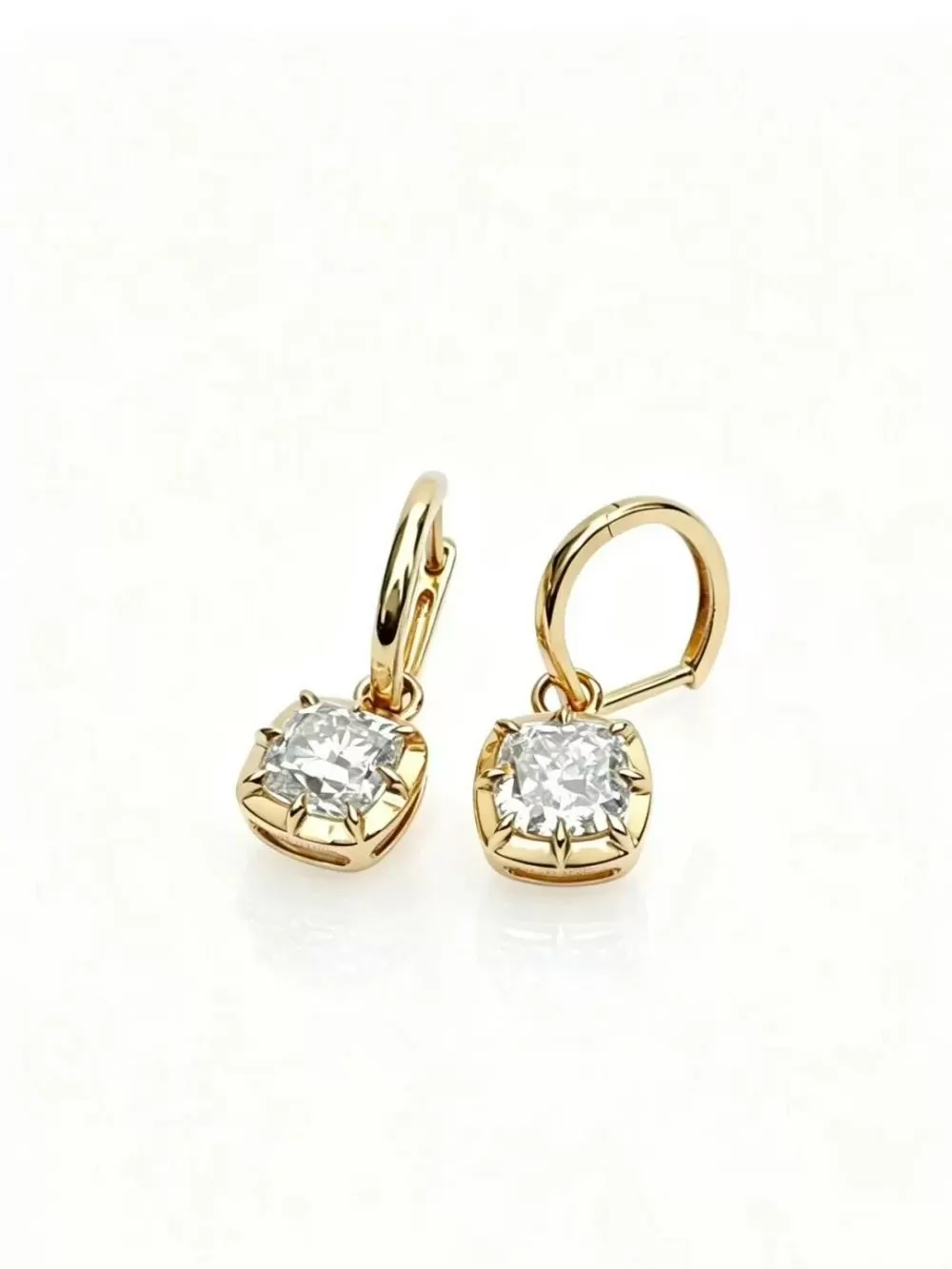
A plating claim turns on a number nobody measured. This guide covers the test methods, the reading points, the tolerances and the specification wording that settles the argument.
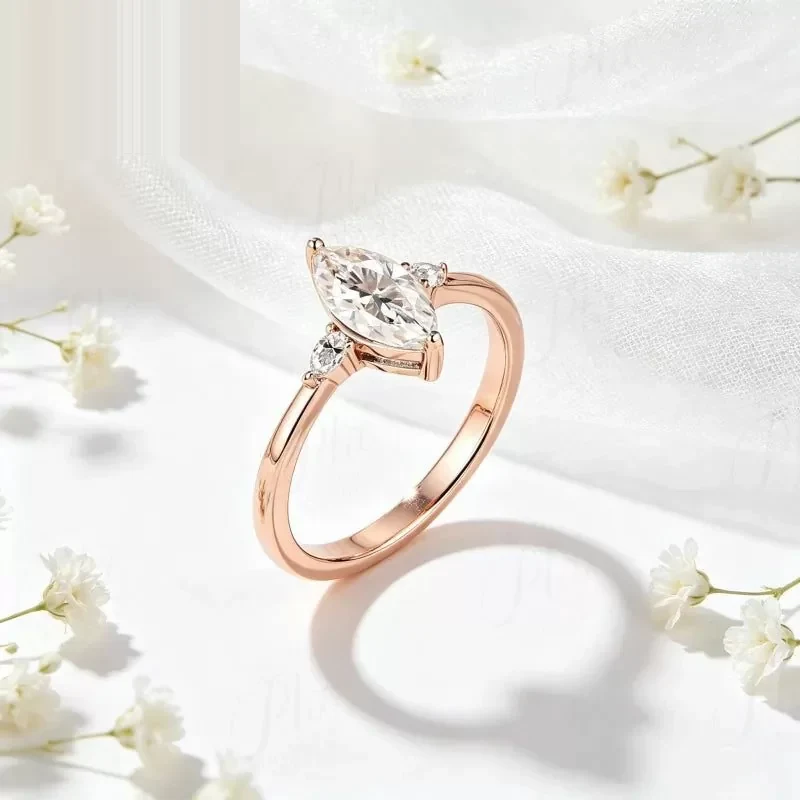
A repair policy is a margin decision. This guide separates manufacturing defects from wear, sets price bands for resizing, and gives the wording that keeps a wholesale relationship workable.
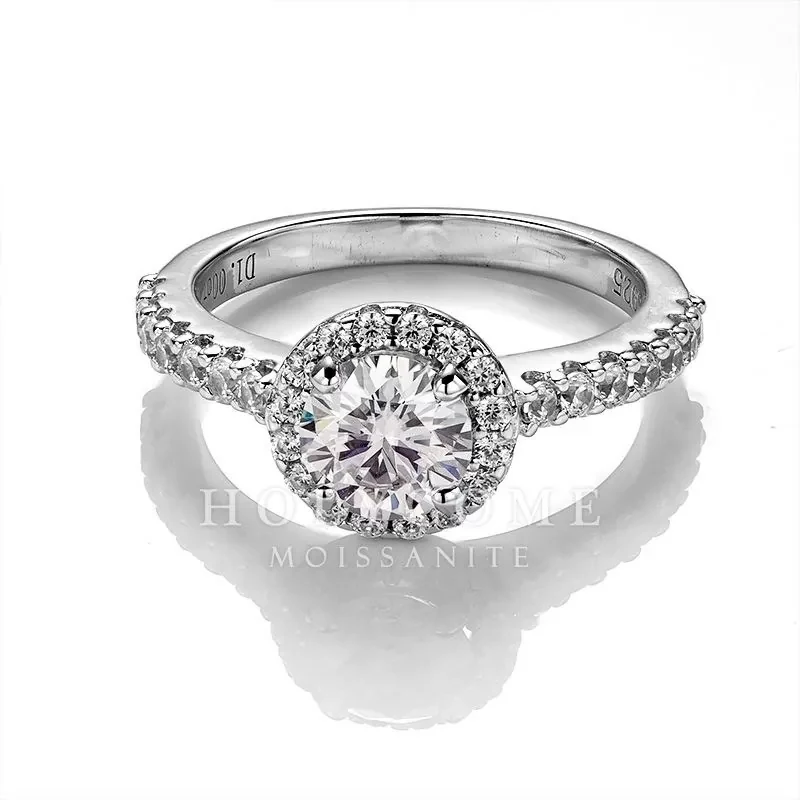
Tarnish is chemistry, and packaging is part of the chemistry. This guide covers the materials that cause it, the ones that prevent it, and the storage routine for bulk stock.
Most returns are detectable before the box closes. This guide sets out a seven step final inspection, the defects each step catches, and the record that supports a claim.
Replating is a service commitment, not a defect fix. This guide sets intervals by wear zone, plating thickness and price tier, and gives the wording a wholesale buyer can pass on.
Care & Maintenance: tolerances, cost structure and the reject rule for US wholesale buyers.
Care & Maintenance: tolerances, cost structure and the reject rule for US wholesale buyers.
Care & Maintenance: tolerances, cost structure and the reject rule for US wholesale buyers.
Care & Maintenance: tolerances, cost structure and the reject rule for US wholesale buyers.
Care & Maintenance: tolerances, cost structure and the reject rule for US wholesale buyers.
Care & Maintenance: tolerances, cost structure and the reject rule for US wholesale buyers.
Care & Maintenance: tolerances, cost structure and the reject rule for US wholesale buyers.

Care & Maintenance: tolerances, cost structure and the reject rule for US wholesale buyers.
Care & Maintenance: tolerances, cost structure and the reject rule for US wholesale buyers.
Care & Maintenance: tolerances, cost structure and the reject rule for US wholesale buyers.
Care & Maintenance: tolerances, cost structure and the reject rule for US wholesale buyers.
A distributor in Singapore packed sets in one box and the necklace and the earrings arrived with different metal tone because plating lots were split
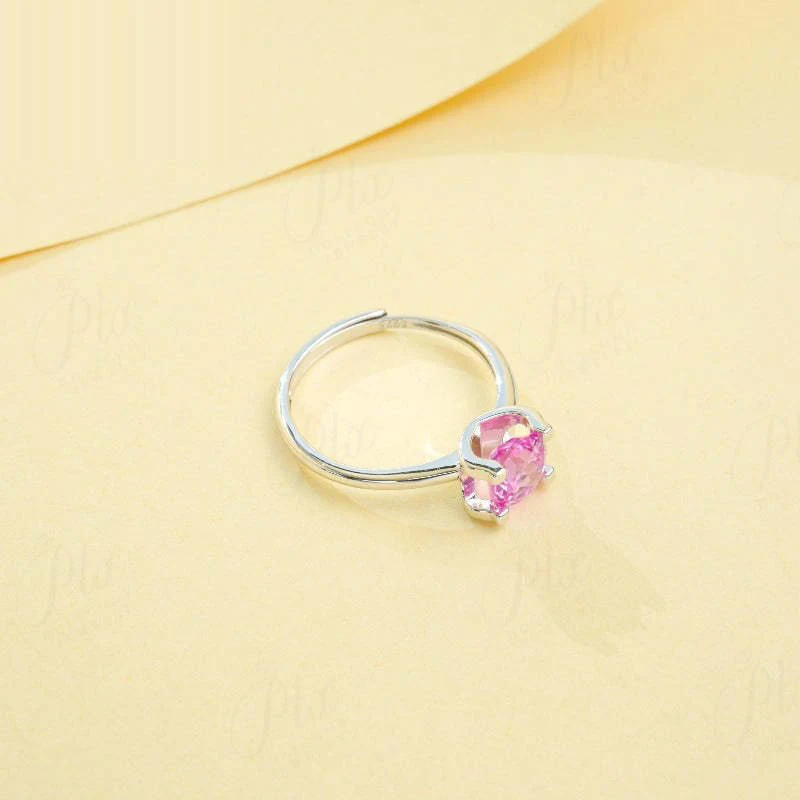
A retail chain in Phoenix had a 14% tarnish complaint rate and the cause was a 0.02 micron rhodium layer, invisible on arrival and gone by the second
Retailers, boutique owners, and jewelry brands sourcing silver storage in wholesale volumes regularly hit the same frustrations: inconsistent finishing, vague lead times, hidden markups layered on by trading companies, and minimum order…
Retailers, boutique owners, and jewelry brands sourcing silver plating thickness in wholesale volumes regularly hit the same frustrations: inconsistent finishing, vague lead times, hidden markups layered on by trading companies, and minimum…
Retailers, boutique owners, and jewelry brands sourcing silver vermeil explained in wholesale volumes regularly hit the same frustrations: inconsistent finishing, vague lead times, hidden markups layered on by trading companies, and minimum…
Retailers, boutique owners, and jewelry brands sourcing 925 silver jewelry in wholesale volumes regularly hit the same frustrations: inconsistent finishing, vague lead times, hidden markups layered on by trading companies, and minimum order…
Retailers, boutique owners, and jewelry brands sourcing nickel free sterling in wholesale volumes regularly hit the same frustrations: inconsistent finishing, vague lead times, hidden markups layered on by trading companies, and minimum order…
Retailers, boutique owners, and jewelry brands sourcing hypoallergenic silver in wholesale volumes regularly hit the same frustrations: inconsistent finishing, vague lead times, hidden markups layered on by trading companies, and minimum order…
Retailers, boutique owners, and jewelry brands sourcing anti tarnish silver in wholesale volumes regularly hit the same frustrations: inconsistent finishing, vague lead times, hidden markups layered on by trading companies, and minimum order…
Retailers, boutique owners, and jewelry brands sourcing sterling silver cleaning in wholesale volumes regularly hit the same frustrations: inconsistent finishing, vague lead times, hidden markups layered on by trading companies, and minimum…
Buying silver vs stainless steel for your jewelry store, boutique, or e-commerce brand demands reliable supply, consistent quality, and a partner who understands B2B lead times.
Buying silver storage for your jewelry store, boutique, or e-commerce brand demands reliable supply, consistent quality, and a partner who understands B2B lead times.
Buying silver plating thickness for your jewelry store, boutique, or e-commerce brand demands reliable supply, consistent quality, and a partner who understands B2B lead times.
Buying silver vermeil explained for your jewelry store, boutique, or e-commerce brand demands reliable supply, consistent quality, and a partner who understands B2B lead times.
Buying 925 silver jewelry for your jewelry store, boutique, or e-commerce brand demands reliable supply, consistent quality, and a partner who understands B2B lead times.
Buying nickel free sterling for your jewelry store, boutique, or e-commerce brand demands reliable supply, consistent quality, and a partner who understands B2B lead times.
Buying hypoallergenic silver for your jewelry store, boutique, or e-commerce brand demands reliable supply, consistent quality, and a partner who understands B2B lead times.
Buying anti tarnish silver for your jewelry store, boutique, or e-commerce brand demands reliable supply, consistent quality, and a partner who understands B2B lead times.
Buying silver polishing cloth for your jewelry store, boutique, or e-commerce brand demands reliable supply, consistent quality, and a partner who understands B2B lead times.
Buying sterling silver cleaning for your jewelry store, boutique, or e-commerce brand demands reliable supply, consistent quality, and a partner who understands B2B lead times.
What Buyers Really Need to Know About 925 Silver Care Cleaning If you are new to moissanite and trying to understand the gemstone before your first purchase, you have probably run into conflicting information online.
What Buyers Really Need to Know About 925 Silver Lead Time If you are new to moissanite and trying to understand the gemstone before your first purchase, you have probably run into conflicting information online.
What Buyers Really Need to Know About 925 Silver Jewelry Styles If you are new to moissanite and trying to understand the gemstone before your first purchase, you have probably run into conflicting information online.
What Buyers Really Need to Know About 925 Silver Tarnish Prevention If you are new to moissanite and trying to understand the gemstone before your first purchase, you have probably run into conflicting information online.
What Buyers Really Need to Know About 925 Silver Nickel Free If you are new to moissanite and trying to understand the gemstone before your first purchase, you have probably run into conflicting information online.
What Buyers Really Need to Know About 925 Silver Rhodium Plating If you are new to moissanite and trying to understand the gemstone before your first purchase, you have probably run into conflicting information online.
What Buyers Really Need to Know About 925 Silver Moq If you are new to moissanite and trying to understand the gemstone before your first purchase, you have probably run into conflicting information online.
What Buyers Really Need to Know About 925 Silver Wholesale Pricing If you are new to moissanite and trying to understand the gemstone before your first purchase, you have probably run into conflicting information online.
What Buyers Really Need to Know About 925 Silver Factory Audit If you are new to moissanite and trying to understand the gemstone before your first purchase, you have probably run into conflicting information online.
What Buyers Really Need to Know About 925 Sterling Silver Jewelry Supplier If you are new to moissanite and trying to understand the gemstone before your first purchase, you have probably run into conflicting information online.
A customer brought in a sterling silver engagement ring she had owned for two years, frustrated that it had developed a patch of dark brown tarnish at the base of the shank.
Understanding silver-925 requires grounding in the fundamental gemology, material science, and quality factors that determine beauty, durability, and value.
What Is 925 Sterling Silver Complete Guide to Quality Marks and Care - HOLYCOME Sterling silver is the most widely used precious metal in jewelry worldwide.
A ring that turns a finger green, a chain that blackens, a gold plate that fades in weeks. Sweat is usually the cause, not poor quality.
Toothpaste is not a jewelry cleaner. The grit that scrubs teeth is the same grit that hazes moissanite.
The cloth you clean a ring with matters as much as the solution. Some everyday rags leave swirl marks you cannot polish out.
White gold and sterling silver look alike on day one and diverge by month six.
Return rates drop when you explain half sizes and resize limits up front. Here is the sizing cheat sheet for online stores.
Scratches on a gold band are usually not from wear, they are from storage. Here is how to separate rings so stones and metals do not damage each other.
Probate jewellery valuations follow a different rulebook to insurance valuations. Here is what is needed, what it costs, and where to get it.
Pool chlorine in summer, dry indoor heating in winter, salty air by the sea. Jewellery faces different threats each season. We map the care calendar for the year.
A stone has fallen out of your ring. Do not panic. This step-by-step guide covers what to do in the first hour, how to find a replacement, and what the repair costs.
Ring resizing sounds simple, but not every ring can be resized and some should never be. We cover when it works, typical UK costs, and the settings that make it impossible.
A dull ring is usually just a dirty ring. Here is the safe, cheap way to bring a solitaire back to life at home without ruining the setting.
Sanitizer will not dissolve a diamond, but it can leave a film that kills sparkle and slowly wears at gold settings. A 30-second habit protects both.
Jewelry survives travel based on how it is packed. Here is a storage-by-piece guide that prevents scratches, snags and tarnish on the road.
Most fine jewelry damage happens on vacation. Here is the packing, wearing, and insurance checklist to send with every order.
Do not panic and do not yank. Here are safe, proven ways to free a stuck ring and when to call a jeweller instead.
Cold water shrinks fingers, soap makes stones slip, and chlorine can pit white gold over years. The risk is small per dip, but it adds up.
Swollen fingers turn a stuck ring into a small emergency. These methods work without cutting the ring or damaging the finger.

That bright white look on your white-gold ring is a thin rhodium layer, not the gold itself. It wears off unevenly, and the interval depends on how you live in the ring.
Most household cleaning hacks damage jewelry. Learn which home items are safe for diamond, gold, silver, pearls and colored stones.
Alcohol-based hand sanitiser gets all the attention, but it's the everyday hand cream and makeup residue that quietly dulls a diamond. Here's what's really safe and what isn't.
Not every ring can be sized. Here is which designs resize cleanly, which need a new ring, and how far a band can safely move.
A polishing cloth is the simplest between-cleaning tool you own — but using it wrong can scratch fine details.
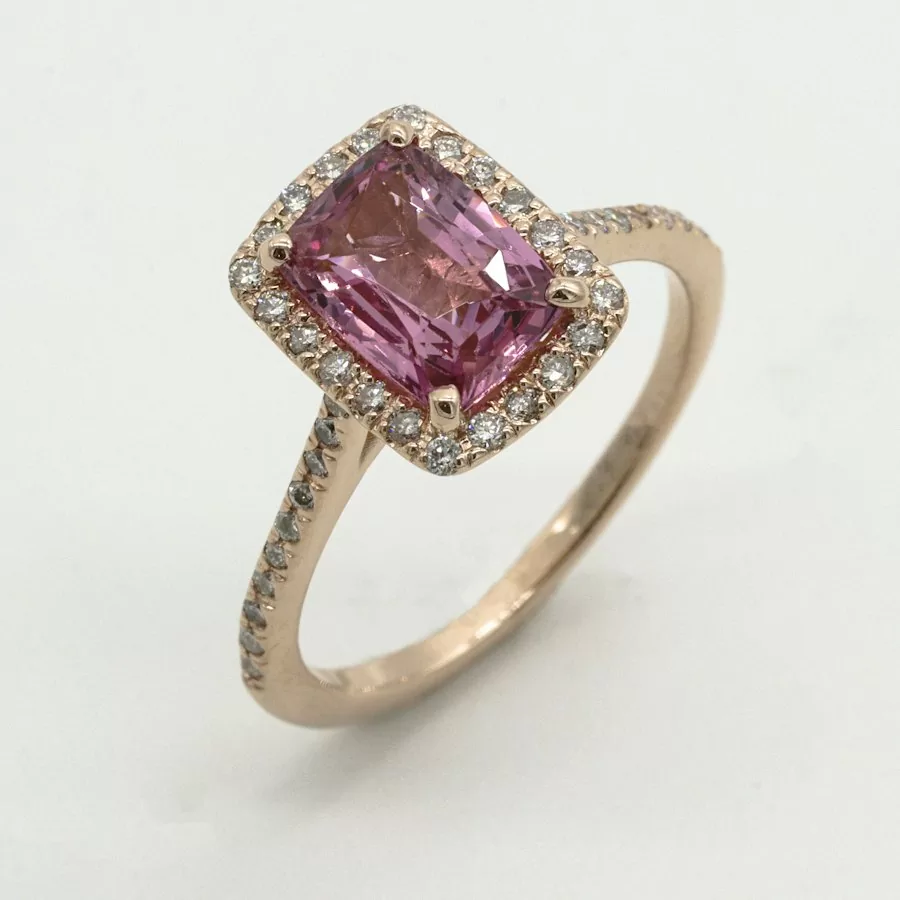
Platinum scratches develop a soft satin patina, but the metal is not wearing away—it is moving. Here is how to care for it and polish it back when you want.
Wrong cleaner etches gold, strips plating and loosens prongs. The short safe list, and the household products you should keep far from your ring.
Most ring damage is not a single accident. It is years of doing up buttons, lifting weights, applying fake tan, gardening, typing with a heavy setting, or sleeping in a thin band, until a prong snaps or the shank thins to a wire. This guide lists the daily habits that quietly wear a ring down, which are genuinely risky and which are harmless fuss, and the small adjustments that add years to a ring's life.
Sterling silver tarnishes because it reacts with sulfur in the air. The fix is storage, occasional polishing and knowing which home tricks work.
A green finger after wearing a gold ring usually means copper in the alloy is reacting with your skin — and it doesn't mean the ring is fake.
A ring that has been worn for a few years almost always needs something: prongs tightened, a re-finish, a resize, or a fresh coat of rhodium on white gold. This guide lists the common repairs UK jewellers carry out, realistic price ranges in pounds, how often a white gold ring needs re-plating, when polishing removes too much metal, and the warning that a ring can only be polished so many times before it becomes too thin.
Most lost engagement stones are not the result of a hard knock but of prongs that thinned and bent over years of unnoticed wear. Knowing what to look for can save the stone.
Soak, brush gently, rinse and dry. The routine that removes lotion film, checks prongs and keeps the ring bright without damaging the setting.
A ring worn daily picks up hand cream, soap, skin oils and microscopic dirt within a week, and that grime is exactly what stops a diamond returning light. This guide sets a realistic cleaning routine for a daily-wear ring, explains the difference between a quick home clean and a professional ultrasonic clean, tells you when visible dullness means more than dirt, and warns against over-cleaning the parts of a ring that actually need repair.
Hand sanitiser, perfume, hairspray, household bleach, chlorine and even suntan lotion do not attack diamonds directly, but they coat them in a film that kills sparkle, and they genuinely damage softer coloured stones, pearls and plated white gold. This guide lists the everyday chemicals that age jewellery, which are harmless to a diamond solitaire, which will eat a pearl or dull rhodium plating, and the simple habit that avoids most of the damage.
An engagement ring left in a hotel safe, a wedding band worn swimming on holiday, or a necklace stuffed into hand luggage is the jewellery equivalent of leaving the front door open. This guide covers how to pack rings so they do not scratch each other, what to wear versus leave at home, how hotel safes actually work, airport security rules, and the insurance fine print that usually only covers stolen jewellery if it was on your person.
Most lost engagement stones are not lost in a dramatic moment. They are lost after a prong thins, bends or snaps quietly over months, and the stone shifts until one day it is gone. This guide shows you how to inspect your own ring at home with a pin and a magnifier, the signs that a prong needs attention, why you should never wiggle the stone hard, and how often to have a jeweller tighten the setting as part of normal wear.
A jewellery box is not just storage. Done wrong, rings scratch each other, gold tarnishes and stones loosen. Here is the right way.
Ultrasonic baths and steam cleaners strip off grime faster than any brush, but they are not safe for every gemstone. Opal, emerald, pearl, tanzanite and fractured or treated stones can crack or lose their treatment in a bath. This guide explains how each machine works, which stones are safe, which are risky, when a jeweller uses steam versus an ultrasonic, and the simple warm-soap-and-brush method that is always the safe default.
A diamond cannot be scratched by most things — but it can quietly scratch everything else you wear or store with it.
A quick hand wash at the sink is fine for most durable rings, but daily showering in the bath is a slow way to dull a stone and loosen prongs over time.
Scratches on gold are not damage in the dramatic sense. They are normal wear, and most can be improved by polishing, but there are limits worth knowing.
Most lost stones start with a prong that has worn paper-thin. Prong re-tipping rebuilds those tips and saves your ring from an expensive accident.
Hardest doesn't mean indestructible. Diamonds chip along cleavage planes, usually at the girdle or corners, and the fix is re-cutting.
Moissanite higher RI makes oil film show fast. Warm soap and water in two minutes fixes it.
Used well, a treated cloth removes light tarnish without scratching. Used badly, it can push grit into your finish.
You would not take your ring into a cleaning product aisle, but many people swim with it on. Chlorine — especially warm chlorinated water — is one of the few real chemical threats to a gold band.
Gold and platinum are both precious, but they clean and age differently. Here is the metal-by-metal care guide.
Most rings can go up or down two sizes for under £60. Some cannot. Here is the practical UK resizing guide.
A ring that suddenly looks flat or dull is almost always fixable. The cause is usually buildup, wear, or a setting issue rather than the stone itself.
Most repairs come from impact at the gym, not the shower. Teach the 60-second rule.
A swollen finger and a tight ring are common, especially in heat or after exercise. A calm sequence of lifting, cooling and lubricating gets most rings off without cutting.
Warm soapy water, gentle brushing and when ultrasonic cleaning is safe. The routine that keeps a moissanite ring brilliant for years.
Your ring is most vulnerable when you are not wearing it. A small nightly routine prevents lost and damaged rings.
A quick dip in the pool seems harmless, but chlorine is one of the most corrosive substances a gold or platinum ring can encounter.
Swollen fingers in pregnancy are common, but resizing permanently during this window is usually a mistake. Here is what actually helps.
Years of rubbing against desks, door handles and each other slowly wear a ring shank thinner, and a weak band is the most common cause of a lost stone.
A cheap ultrasonic cleaner shifts grease a soak cannot, but it is not safe on every stone or setting. Here is the safe list.
Which stones and metals survive showering, sleeping and gym sessions, and which settings protect a ring you never take off.
Why tossing everything in one box is quietly ruining your pieces, and the simple storage setup that fixes it.
How home contents insurance covers (or does not cover) an engagement ring, and when to add a separate policy.
The five-minute home clean, the things that actually damage jewellery, and how often to get a professional check-up.
MOQ starts at 5 pieces per ready-stock style; OEM/ODM custom rings follow a quoted minimum order set in the order agreement.
Ready-stock orders are prepared within 2–5 business days after confirmation. Custom, OEM and ODM projects follow a quoted lead time of 15–30 days, depending on design, metal, stone availability and order size.
Pricing is quoted per piece or per carat according to stone, metal weight, setting and finish. After you send styles, stone and quantity, our sales team returns a written price list and price range for the proposed order.
We accept T/T bank transfer, PayPal and Western Union. Custom and OEM/ODM orders require an agreed 30% deposit, with the balance paid before shipment; bulk and private-label payment terms are confirmed in the order agreement.
We keep our wholesale MOQ low, but the exact minimum is quoted on request rather than fixed on this page. Ready-stock styles can usually be ordered in small mixed batches across categories; OEM, ODM, private-label and custom packaging runs carry their own minimums depending on tooling, branding and quantity. After you send your selected styles or categories and estimated quantities, our sales team confirms the MOQ, mixed-batch options and unit price in a written quotation. Any fixed number quoted on a proposal applies to that specific order only.
Ready-stock orders are picked, inspected and packed within 2–5 business days after confirmation, subject to availability. Custom, OEM and ODM orders follow a longer quoted schedule because the project includes consultation, 3D modeling, prototype approval, production and final inspection. The total lead time depends on design complexity, metal, stone availability, setting type and order size; we state the expected production window in your quotation after reviewing the brief. No fixed production day count is promised publicly because each project differs, and sample approval always precedes bulk production.
Yes. Sample-first cooperation is standard for custom, OEM and ODM projects. For ready-stock wholesale, buyers may order a small sample batch to check quality, finish and packaging before committing to a larger order. A sample or prototype cost may apply to custom designs; that cost and whether it is credited toward a later bulk order are stated in the quotation. We recommend approving the physical sample or prototype before production begins, because changes made after approval can affect cost and lead time.