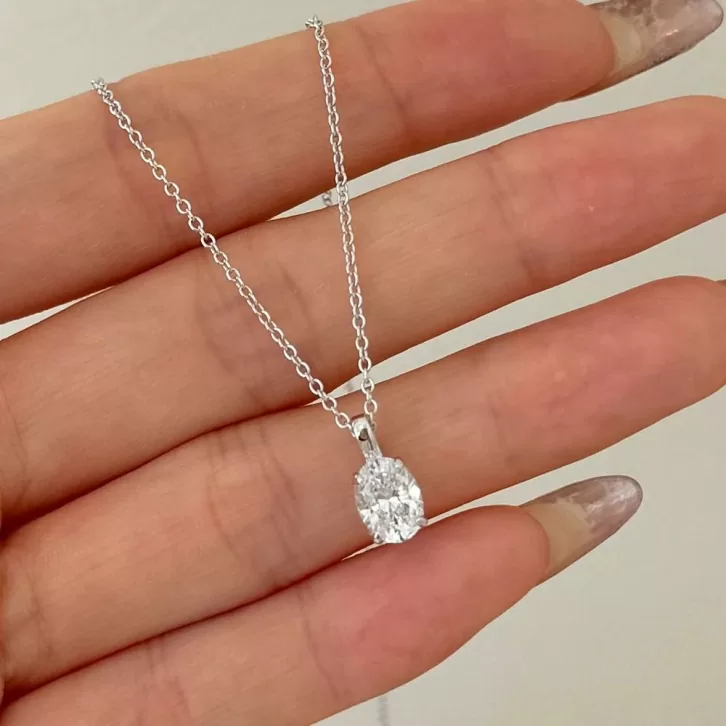
A customer brings in a necklace that turned their neck green and a ring that blackened at the band line, convinced both are defective. They are not. The common cause is sweat: a salty, slightly acidic fluid that reacts differently with every jewelry metal. Most everyday jewelry complaints come down to which metal the buyer chose, not how it was made. Here is how each common metal behaves under sweat, and what to stock for active wearers.
What sweat actually does to metal
Sweat is roughly 99 percent water, with sodium chloride, urea, and trace acids, and a pH that sits between 4.5 and 7.5 depending on diet and hydration. Salt is the active ingredient: it accelerates tarnish on silver, corrodes plating, and leaches nickel out of low-grade alloys. The sterling silver reference notes that tarnish is a sulfide reaction that moisture and salt speed up. The EU's nickel directive limits nickel release from items worn on the skin, summarized on the EUR-Lex portal, because repeated contact triggers skin reactions. Sweat is the carrier that makes that nickel release matter.
How each common metal handles sweat
Sterling silver (92.5% silver, 7.5% copper) tarnishes black under sweat and can leave a dark mark on the skin. Solid 14k or 18k gold resists sweat well because it is alloyed with metals like copper and silver but has a high gold fraction; it may darken slightly but does not corrode. Gold-plated brass or gold vermeil over base metal fades fast under sweat, because the plating wears through and the brass underneath reacts. Stainless steel and platinum are the most sweat-resistant: they sit nearly inert under normal body chemistry. Brass and copper are the worst, turning skin green within days of active wear. Read what everyday jewelry is safe to wear and shower and exercise safety.
Which metals to recommend for active buyers
For buyers who work out, garden, or wear jewelry to bed, recommend solid gold (14k minimum), platinum, or 316L stainless steel. Avoid plated brass, gold vermeil, and sterling silver for rings worn during sports. A sterling silver chain is fine for occasional wear; a sterling silver ring worn through gym sessions will tarnish within months. Stockers should label sweat-sensitive pieces as occasional-wear and pair them with a care card. Cross-reference with durable wedding bands for active lifestyles and mixing metals in stackable rings.
The green finger and black mark explained
A green finger from a ring is copper reacting with sweat and soap, common in brass or low-karat gold. A dark mark from a silver ring is silver sulfide tarnish transferring to the skin. Neither means the jewelry is fake; both are chemistry. The fix is to choose a higher-karat solid metal for daily wear, or to remove plated pieces before showering and exercise. For the rest of the care routine, see silver care at home and protecting rings while traveling.
Care habits that extend the life of sweat-exposed metal
Choosing the right metal is the first step, but a few habits extend its life. Remove plated rings and chains before the gym, before a long run, and before showering, because the combination of sweat, soap, and hot water is what strips plating fastest. Solid gold and platinum can stay on, but rinse them under clean water after a heavy sweat session to wash off the salt, then blot dry. Do not store a sweaty piece in a closed jewelry box while it is still damp; the trapped moisture accelerates tarnish on silver and speeds corrosion on brass. For sterling silver worn daily, a quick wipe with a dry jewelry cloth at the end of the day removes the salts that cause black marks. For plated pieces that have faded, a re-plating service through your supplier is cheaper than a replacement, so keep a plating vendor on call. These small habits mean the difference between a ring that looks new after two years and one that looks tired after six months, and they cost the buyer nothing but ten seconds a day.
Why did my ring turn my finger green?
Usually copper reacting with sweat and soap. It is common in brass, low-karat gold, or plated pieces. Solid 14k gold or higher rarely does this.
Which metal is safest for daily sweat?
Platinum and 316L stainless steel are nearly inert. Solid 14k or 18k gold also handles sweat well. Avoid plated brass and low-karat alloys for active wear.
Does sweat damage sterling silver?
It accelerates tarnish, which turns the silver dark and can leave a mark on the skin. Sterling silver is better for occasional wear than gym-day rings.
Is gold-plated brass okay for everyday wear?
Not under heavy sweat. The plating wears through in weeks to months, and the brass underneath reacts with sweat and skin. Use it for occasional pieces.
If you are a jeweler building an active-lifestyle jewelry line, our wholesale team can supply solid gold, platinum, and stainless-steel basics. Request a durable-metal sample set.
Frequently Asked Questions
How do I verify a factory before placing a bulk order?
Request a production video, business license, export records and a paid sample run. A factory that accepts a 50-piece test order is usually a real manufacturer.
What payment terms do you offer?
30% T/T deposit with the balance against the bill of lading. This protects both sides on first orders and can move to net terms after a track record.
What is your normal reject rate?
3–5% under 10x loupe inspection for cast and set pieces. Defective units are replaced free in the next shipment.
Where is the factory located?
Wuzhou, Guangxi, China—the core lab-grown and moissanite manufacturing cluster. Shipments go via Guangzhou or Shenzhen ports.


