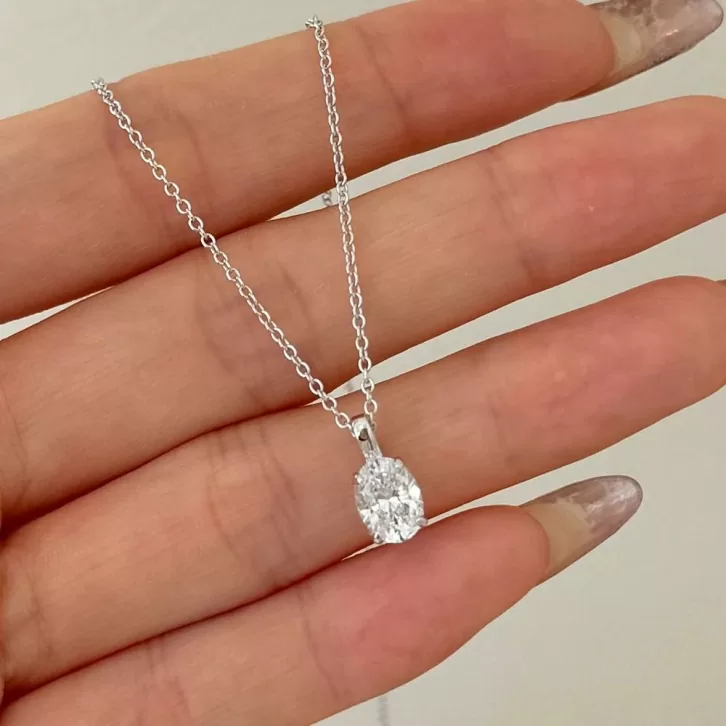
The ring looks dull after a month of hand lotion and soap, and the kitchen counter has a dozen bottles that look like they might fix it. Wrong choice and you can etch the metal, cloud the stone or strip the rhodium plating in one sitting. A safe jewelry cleaning solution is a short list: warm water, a drop of mild dish soap, a soft brush. Everything else on that counter is on the do-not-use list, and the FTC jewelry guides are useful reading because they set the disclosure rules that tell you what your ring is actually made of before you clean it.
The short safe list
Warm (not boiling) water, a single drop of fragrance-free dish soap, a soft toothbrush and a lint-free cloth. That combination is safe for diamond, moissanite, sapphire and ruby in platinum, gold or silver settings. Soak for 15 minutes, brush gently behind the stone, rinse and pat dry. This is the routine we detail in home cleaning guide, and it is the baseline you should default to when you are unsure.
Bleach and chlorine: the worst offenders
Bleach, household chlorine and hot tub chlorine pit and discolor gold alloys and eat at solder joints over time. Chlorine is the reason a white gold ring can develop a pinkish tint after a summer in a hot tub, and it weakens prongs. Never soak a fine ring in bleach, never use a bleach-based bathroom cleaner near the sink where the ring is washing, and remove the ring before swimming. If you have used chlorine on a ring and noticed a change, bring it to a jeweler; do not try to fix the discoloration yourself.
Toothpaste, baking soda and other abrasives
Toothpaste is mildly abrasive, and so is baking soda. Both are fine on teeth but scratch gold, platinum and sterling silver over time. The scratches scatter light and make the metal look dull faster. "Jewelry sparkle" pastes and powders often fall into the same abrasive category; check the ingredients. A jewelry polishing cloth (the treated fabric kind) is safe because the abrasive is bonded into the cloth and used lightly, but even that should be used sparingly, because each polish removes a tiny amount of metal. We cover safe household options in safe household cleaning items.
Ultrasonic and steam cleaners at home
Ultrasonic cleaners use vibrating solution to shake dirt off. They are great for a professional on a known-safe stone, but at home they can loosen prongs over time and are risky for fracture-filled, heavily included or delicate stones such as emerald, opal and pearl. Steam cleaners are in the same category: the heat and pressure can crack an included stone or pop a loose prong. If your jeweler has explicitly said your ring is ultrasonic-safe, you can use one occasionally. Otherwise, stick to the soap and water method. The stone you wear changes the rules; see durable birthstones guide for which stones need a lighter touch.
Alcohol, acetone and hand sanitizer
Hand sanitizer and rubbing alcohol will not damage diamond, moissanite or solid gold, but they dry out skin and can strip the oils that keep a silver ring's patina even. Acetone (nail polish remover) is safe on metal and diamond but should be kept away from pearls, porous stones and any glued setting. The bigger habit issue is that sanitizer and soap build a thin film under prongs, which is why the biweekly wash matters more than the occasional deep clean. If you wear sterling silver, our silver care guide covers the special rules for that metal.
Storage after cleaning
How you store the ring between washes matters as much as how you wash it. Diamond is hard enough to scratch gold and even other gemstones, so do not toss the ring into a jewelry bowl where it rattles against earrings and bracelets. A separate soft pouch or a divided ring box compartment prevents fine scratches. Our storage guide walks through the setup. The goal is a ring that looks ten years old, not ten months old, and that starts with a cleaning routine that does no harm.
Frequently asked questions
Can I clean my ring with vinegar?
On solid gold, no. Vinegar is acidic and can dull polish and affect solder. On pure silver it is sometimes used, but a mild soap-and-water wash is safer and just as effective.
Is hand sanitizer bad for an engagement ring?
It will not damage diamond or solid gold, but the residue builds up under prongs. Wash the ring with soap and water every two weeks if you sanitize often.
Can I use an ultrasonic cleaner at home?
Only if your jeweler has confirmed the stone and setting are ultrasonic-safe. Skip it for emerald, opal, pearl, fracture-filled stones or loose prongs.
What should I do if I used the wrong cleaner?
Rinse the ring well with warm water and bring it to a jeweler for an inspection. Do not try to polish out discoloration yourself; that often makes it worse.
Stick to the safe routine: read home cleaning guide and storage guide to keep the ring bright without damage.
Rhodium plating, which gives white gold jewellery its bright finish, is covered in the Wikipedia article on rhodium.


