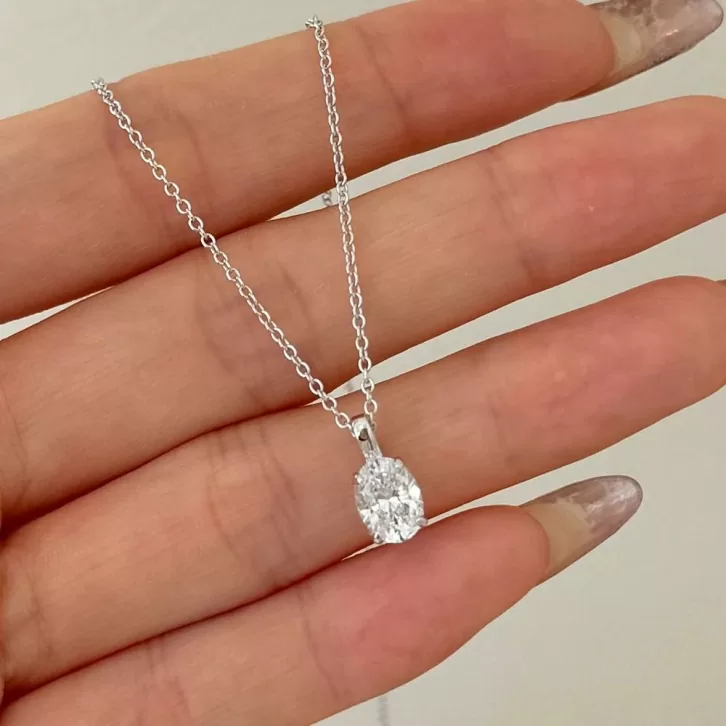
You take your ring off at the kitchen sink, drop it next to another ring on the shelf, and two weeks later the gold band is covered in fine lines. The damage did not happen while you were wearing it. It happened while both rings were sitting in the same pouch. Diamond is the hardest natural mineral on the Mohs hardness scale, at 10, and gold is around 2.5 to 3 depending on karat. Put them together and the diamond wins every time.
Why stones scratch metal
Every mineral has a Mohs hardness number. Diamond (10) and moissanite (around 9.25) will scratch gold (2.5 to 3), platinum (4 to 4.5), silver (2.5 to 3) and even sapphire and ruby (9) if rubbed hard enough. So when you toss an engagement ring into a drawer next to a plain band, the faceted edge of the center stone grinds micro-scratches into the band every time the drawer slides. Over a year, that turns a polished ring matte. The fix is not better polish, it is physical separation. Once you start separating pieces, you will notice the scratches slow down within weeks.
Compartment boxes: the home default
A rigid jewelry box with individual padded compartments is the minimum for a collection of more than two rings. Each ring sits in its own slot, stones up, so nothing touches. Look for compartments deep enough that a high-set engagement ring does not hit the lid when you close it. Soft velvet lining is fine; suede is better because it does not shed lint onto prongs. Avoid flocked boxes that turn sticky in damp climates.
Ring rolls and pouches for daily rotation
A ring roll is a fabric folder with individual pockets that zip shut. It is the practical choice for the three or four rings you rotate through each week. Slip each ring into its own pocket, fold, and drop it on a dresser. At home, a roll beats a dish on the nightstand because loose rings in a dish knock against each other every time you reach in. For trips, read our travel jewelry storage guide; the same separation rules apply, but the roll goes into carry-on, not checked luggage.
Drawer and safe storage
If you keep a larger collection in a drawer or a safe, use divided trays rather than a single open box. Wood drawers smell of tannins, which can speed tarnish on silver, so line the tray with anti-tarnish cloth or add a small anti-tarnish strip. Silica gel sachets absorb moisture; swap them out every six months. Keep the box away from radiators, bathroom shelves and windowsills, where temperature and humidity swing daily. Our guide to cleaning an engagement ring at home pairs well with this, because dirty bands scratch faster than clean ones.
Stones that need extra care
Pearls, opal, emerald, turquoise and amber are soft, porous or both. They should never share a compartment with diamond or sapphire, and they should not be stored in an airtight safe long-term because they need a little humidity. Pearls on a soft cloth roll on their own age better than pearls stuffed into a hard compartment next to a tennis bracelet.
What never to do
Do not keep rings on a soap dish. Soap film builds up under prongs and the stone can slide off if the dish is knocked. Do not stack rings in one pouch for a night; a night becomes a month. Do not store rings on a dresser in direct sunlight; sunlight fades colored stones and weakens some pearl threads. Do not put a wet ring back in its box; dry it with a lint-free cloth first. Pair these rules with our resizing guide so you know when a loose ring should come off for repair rather than storage.
Frequently asked questions
Will a diamond scratch my gold wedding band?
Yes. Over years of rubbing together, the pavilion edges of the diamond will scratch the inner wall of a plain gold band. Separate them in storage.
Is it okay to wear my engagement ring next to my wedding band?
Worn as a matched set on the same finger, the two rings touch constantly and do scuff each other over decades. Most couples accept this; scratches are evenly distributed and can be polished out.
Should rings be stored stones up or down?
Stones up in a compartment box. Stones down means the girdle and pavé diamonds bear the weight of the box lid and the stone can chip on the base.
How do I stop silver from tarnishing in storage?
Use anti-tarnish strips or a zip bag with a small silica sachet. Avoid rubber bands, which contain sulfur that accelerates tarnish. Pair this with our silver care at home guide.
Stocking retailers with velvet compartment trays and ring rolls? HOLYCOME supplies private-label packaging; ask the wholesale team for sample sets.


