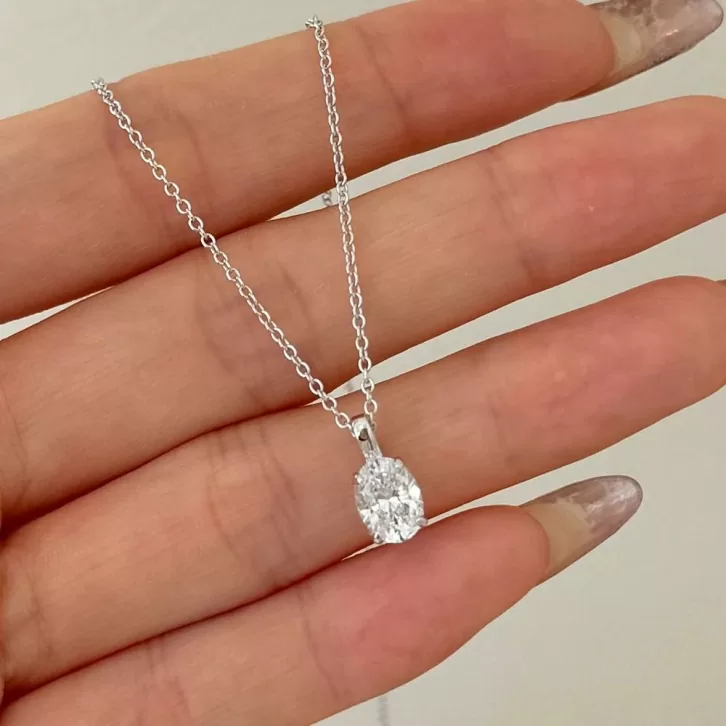
A customer brought in a sterling silver engagement ring she had owned for two years, frustrated that it had developed a patch of dark brown tarnish at the base of the shank. She had been cleaning it weekly with a commercial silver dip, showering with it on, swimming in a chlorinated pool, and occasionally applying hand lotion while wearing it. The "tarnish" was actually a combination of chlorine corrosion and plating wear-through where the rhodium plate had worn thin on the underside of the shank. A 15-minute polish and re-plating restored the ring, but the underlying issue was cleaning and wear habits that were actively damaging the finish. Sterling silver is forgiving, but it does have specific care requirements. This guide explains why silver tarnishes, how to clean it safely at home, how to store it to prevent tarnish, how rhodium and vermeil plating change care requirements, when to take a piece to a jeweler, and how to keep silver jewelry looking new for years.
Why 925 Sterling Silver Tarnishes
925 sterling silver is 92.5% pure silver and 7.5% copper (the alloy mix that gives it hardness for jewelry). Silver itself reacts with sulfur compounds in the air to form silver sulfide—the familiar dark brown-black discoloration we call tarnish. Copper in the alloy can also react with moisture, salt, chlorine, and acids from skin oils to form green or brown copper compounds (verdigris and copper oxides). For alloy composition details see the sterling silver entry on Wikipedia.
Tarnish is a surface reaction, not permanent damage. It can always be polished off with the right method and the piece is as good as new. What causes tarnish to accelerate:
- Sulfur in air (common in urban areas, near industrial activity, in some well water)
- High humidity and coastal salt air
- Hydrogen sulfide from certain foods (eggs, onions, mustard, fish, cruciferous vegetables)
- Chlorine from pools, hot tubs, and bleach-based cleaners
- Wool, rubber bands, latex, felt (traditional jewelry box felt often contains sulfur compounds)
- pH of individual skin—some people's skin chemistry makes silver tarnish faster because of acidity or sulfur compounds in perspiration
- Cosmetics, perfume, hairspray, lotion (chemicals that interact with silver and copper)
Some amount of tarnish is inevitable on exposed sterling silver, even with perfect care. The goal of maintenance is to slow tarnish, prevent it from becoming deeply etched, and remove it safely when it forms—without damaging the piece.
Daily Wear Best Practices
The simplest silver care is what you do (and do not do) every day:
- Put jewelry on last, take it off first. Apply perfume, hairspray, lotion, sunscreen, and makeup before you put on silver jewelry. Let products absorb fully before putting on jewelry. Take jewelry off before washing your face, applying skincare at night, or washing dishes.
- Remove before water exposure. Take silver rings, bracelets, and necklaces off before showering, swimming (chlorine and saltwater both attack silver and weaken soldered joints), hot tubs, saunas, and bathing.
- Remove during chemicals and heavy work. Take silver off before cleaning with bleach or ammonia products, gardening, gym workouts, lifting weights, painting, or any activity with impact or chemical exposure.
- Wipe after each wear. Before putting silver away, wipe it with a soft, lint-free jewelry polishing cloth or 100% cotton cloth to remove skin oils, sweat, and lotion residue. This single step dramatically slows tarnish between cleanings.
- Rotate your pieces. Silver actually stays brighter when worn regularly (skin oils and gentle friction keep the surface polished) but rotating between pieces avoids excessive wear on any one piece.
Following these rules alone will reduce tarnish frequency by 50-70% for most people.
Cleaning Sterling Silver at Home
There are several methods for cleaning silver at home, ranging from gentle daily cleaning to aggressive tarnish removal. Use the gentlest method that works.
| Method | How To | Best For | Cautions |
|---|---|---|---|
| Polishing cloth | Rub piece firmly with treated silver polishing cloth (like Sunshine or Goddard's) until tarnish lifts; do not rinse; do not wash the cloth (washing removes the polishing compound) | Regular maintenance, light tarnish, plated pieces (rhodium/vermeil) | Safest method; does not remove plating when used correctly; do not use on pearls or soft gemstones |
| Soap and water | Warm water with a drop of mild dish soap (Dawn, Castile); soak 5-10 minutes; scrub gently with soft baby toothbrush; rinse; pat dry with lint-free cloth | Regular cleaning, lotion/oil buildup, lightly tarnished unplated silver | Safe for most stones; avoid soaking opals, pearls, emeralds, or turquoise; dry thoroughly after |
| Baking soda paste | Make a thick paste of baking soda and water; apply with damp cloth; rub gently in the direction of the grain; rinse; dry | Moderate tarnish on plain, smooth unplated silver | Do NOT use on rhodium-plated or vermeil pieces (too abrasive); avoid pieces with stones, especially soft gems |
| Aluminum foil and baking soda | Line a bowl with aluminum foil; add 1 tbsp baking soda and 1 tbsp salt; pour boiling water over; submerge silver pieces for 2-5 minutes until tarnish transfers to foil; rinse; dry | Heavy, uniform tarnish on plain unplated silver, silverware, simple jewelry without stones | Do NOT use on rhodium-plated silver, vermeil, pieces with soft stones (pearls, opals, turquoise), or pieces with intentional antiquing/oxidation (this method strips patina too) |
| Commercial silver dip | Dip piece in liquid silver cleaner for 5-10 seconds (per bottle instructions); remove immediately; rinse thoroughly; dry | Heavy tarnish on plain silver without stones | Harsh; can strip rhodium and gold plating; can damage pearls, opals, enamel, and soft stones; use infrequently—overuse etches the silver surface and accelerates future tarnish |
What we recommend for everyday: Soap and water for regular cleaning, plus a silver polishing cloth for periodic light polishing. Avoid the aluminum foil method and silver dips for rhodium-plated or vermeil pieces; they strip the plating and require re-plating sooner.
Cleaning Silver Jewelry with Stones
Extra care is needed when silver has gemstones:
- Diamond, moissanite, sapphire, ruby, CZ: Can be cleaned with soap and water or gentle commercial jewelry cleaner; safe in ultrasonic cleaners on low power.
- Emerald, opal, pearl, turquoise, onyx, lapis, malachite, coral, amber: Porous or soft stones—wipe with a soft barely-damp cloth only; do not soak, do not use ultrasonic, do not use commercial dip cleaners. These stones are damaged by heat, chemicals, and long water exposure.
- Enamel: Wipe gently with damp cloth; do not soak or scrub; chemicals can dull enamel.
When in doubt, stick to mild soap, warm water, a soft brush, and a quick rinse—this is safe for virtually all durable stones. For soft or porous stones, take the piece to a jeweler for professional cleaning rather than risking damage.
Storing Sterling Silver to Prevent Tarnish
Proper storage is half the battle. Tarnish needs oxygen and sulfur to form—sealing silver airtight dramatically slows it.
- Store in anti-tarnish bags or treated cloth. Anti-tarnish strips (3M Anti-Tarnish Strips, Pacific Silvercloth) absorb sulfur compounds in enclosed storage. Place one strip inside your jewelry box or inside each small sealed bag.
- Use resealable plastic zip bags. Place each piece in an individual poly bag (we include these with our orders), squeeze out excess air before sealing. This is the cheapest and most effective home storage method for silver.
- Do not store on wood, felt, wool, or paper. Many wood finishes and traditional felt jewelry box liners contain sulfur. Acidic paper and cardboard can also cause tarnish. If your jewelry box has felt lining, keep pieces inside individual sealed bags inside the box.
- Store in a cool, dry place. Avoid bathroom storage (humidity accelerates tarnish). Add a small silica gel packet to storage bags in humid climates.
- Do not stack or jumble pieces together. Silver scratches easily; store pieces separately or individually wrapped in soft cotton or anti-tarnish cloth. Chains should be laid flat or hung to prevent kinks.
With proper sealed storage, sterling silver can stay bright for 6-12 months between polishes.
Caring for Plated Sterling Silver
Most retail sterling silver jewelry today has a plating layer, and care differs from raw silver:
Rhodium-Plated Silver
Rhodium plating (a bright white platinum-family metal) is applied over sterling to give a bright white finish similar to white gold, and to slow tarnish. Premium rhodium plate is 2-3 microns thick and lasts 6-12 months with regular wear; thin plate (0.5 micron) wears through in weeks. Care guidelines:
- Clean with soap and water and a soft cloth only; do not use silver dips, baking soda pastes, or the aluminum foil method—they strip rhodium.
- Avoid rubbing the plating with harsh polishing cloths; use light pressure, not firm polishing, when cleaning plated pieces.
- Remove during washing, swimming, cleaning chemicals, and gym.
- When plating wears through (usually on the back of the shank or edges first, giving a yellowish contrast), have a jeweler re-plate; this is a simple, low-cost process (typically $25-45 per ring) that restores the original bright white finish.
Gold Vermeil
Vermeil is gold plating over sterling silver, legally defined in the US by the FTC as minimum 10-karat gold and minimum 2.5 microns thick. Premium vermeil (2.5-3 microns 14K or 18K gold) lasts 1-3 years with gentle wear.
- Clean with warm soapy water and a soft cloth; do not use gold polishing cloths (they are designed for solid gold and will wear through plate) or silver dips.
- Avoid contact with perfume, lotion, chlorine, and sweat when possible; these accelerate plating wear.
- When plating wears through, the piece can be re-plated by a jeweler for $40-80 depending on size.
Oxidized / Antiqued Silver
Blackened patina in recesses (intentional antique finish) is achieved with liver of sulfur or similar chemical oxidizer. The patina can rub off raised surfaces with polishing or wear. Do not use silver dip or aluminum foil methods on oxidized silver—these strip the antiquing. Wipe gently with a soft cloth and soap; do not polish. Over time the raised areas naturally brighten with wear, enhancing the antique look.
When to Visit a Professional Jeweler
See a jeweler for these situations rather than cleaning at home:
- Deep tarnish that home cleaning cannot remove (can be professionally polished, often with a steam clean, ultrasonic, and rouge wheel)
- Significant scratches, dents, or bent bands (requires refinishing and potentially re-plating)
- Rhodium or vermeil plating wear-through (re-plating service)
- Loose stones (prong retipping or tightening before the stone falls out)
- Broken chains, bent rings, worn shanks (requires soldering and repair)
- Yearly prong inspection and professional cleaning (recommended for rings worn daily)
For rings worn daily, we recommend a yearly visit to a jeweler for a prong check, ultrasonic clean, and steam clean—this catches worn prongs before a stone is lost.
Frequently Asked Questions
Q: Does tarnish mean my silver is low quality?
No—tarnish is a property of silver itself. High-quality 925 sterling silver tarnishes at the same rate as lower-quality silver when exposed to the same conditions. The difference between cheap and good silver is in alloy purity, solder quality, and plating thickness—not whether it tarnishes. If a "silver" piece does not tarnish over a year of wear, it may be plated stainless steel or not silver at all.
Q: Can I wear sterling silver in the shower?
We recommend removing silver jewelry before showering. Soap scum, shampoo, and hot water accelerate tarnish and leave dull film; hard water leaves mineral deposits. If you occasionally forget, the piece is not ruined, but it will need more frequent cleaning.
Q: Is sterling silver safe for sensitive ears?
Sterling silver alloy (92.5% silver, 7.5% copper) itself does not contain nickel, which is the most common contact allergy in jewelry. Premium-quality silver with nickel-free plating and nickel-free posts is safe for most people with metal sensitivities. Cheap silver costume jewelry sometimes uses nickel-containing plating brighteners that cause reactions—ask for nickel-free REACH-compliant silver if you have sensitive ears or skin.
Q: How often should I clean my silver jewelry?
Wipe pieces with a soft cloth after every wear. Do a soap-and-water cleaning every 2-4 weeks for pieces worn daily, and polish with a polishing cloth as needed when tarnish appears (every 1-3 months depending on your skin chemistry and storage). Professional cleaning once a year is a good baseline for daily-worn rings.
Q: Can I use toothpaste to clean silver?
Toothpaste is mildly abrasive and will polish silver, but it also scratches silver over time, dulls polished finishes, and can damage rhodium plating and soft stones. We do not recommend it—use a proper silver polishing cloth instead, which is designed for silver and costs a few dollars.
Q: Does 925 silver rust?
No—silver does not contain iron and does not rust. The brown/green/black discoloration you see on old silver is tarnish (silver sulfide) and copper oxidation, both of which polish off completely. Rust requires iron.
Key Takeaways for Sterling Silver Care
- Tarnish is a surface reaction, not damage—it always polishes off.
- Last on, first off: put jewelry on after cosmetics, take off before water and chemicals.
- Wipe after every wear; clean with soap and water monthly; polish with a silver cloth as needed.
- Avoid silver dip and aluminum foil on rhodium-plated, vermeil, oxidized, or stone-set pieces—these methods strip plating and damage stones.
- Store in sealed poly bags with anti-tarnish strips in a cool, dry place, not in bathroom humidity.
- Soap, water, and a soft brush is the safest universal cleaning method for durable-stone silver.
- Visit a jeweler yearly for prong inspection and professional cleaning on daily-worn pieces; have rhodium/vermeil re-plated as wear shows.
Caring for sterling silver is straightforward once you understand tarnish and plating. With daily wiping, occasional cleaning, proper storage, and annual professional inspection, sterling silver jewelry will remain bright and wearable for decades—often generations.
Related Reading
- Gemstone Buying Guide for Jewelry Makers & Buyers - HOLYCOME
- Lab Grown Diamonds Complete Education Guide - HOLYCOME
- Gemstone Jewelry Buyer Education Guide - HOLYCOME
Related reading: What Is 925 Sterling Silver Complete Guide to Quality Marks and Care, 925 Sterling Silver Care Maintenance Guide, Sterling Silver Cleaning Silver Care.


