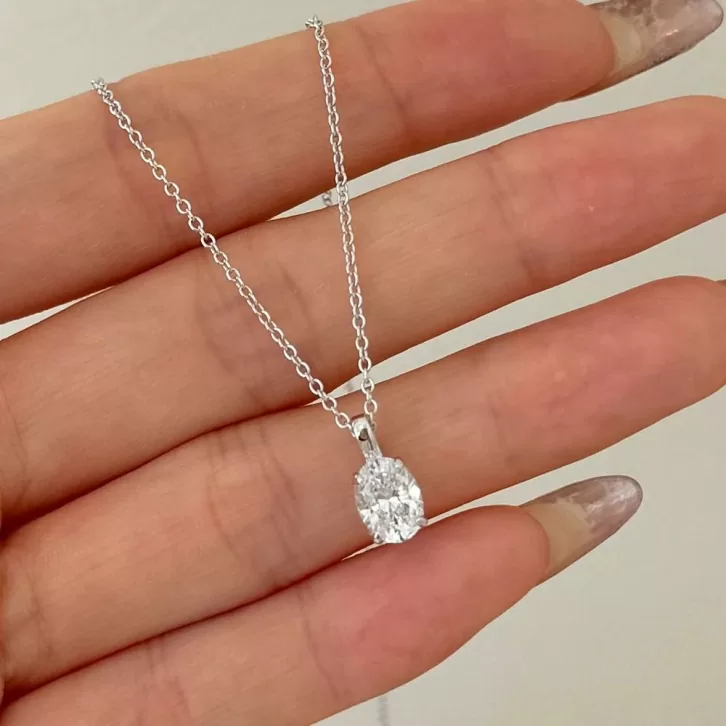
What Is 925 Sterling Silver Complete Guide to Quality Marks and Care - HOLYCOME
Sterling silver is the most widely used precious metal in jewelry worldwide. Walk into any jewelry store, browse any jewelry website, and you will find rings, necklaces, bracelets, and earrings stamped "925" - but what does that stamp actually mean? How is sterling silver different from pure silver, silver plate, or other silver alloys? How do you verify authenticity and care for silver jewelry properly? This complete guide from HOLYCOME answers these questions for consumers, jewelry buyers, and retailers.
The Chemistry of Silver
Silver (chemical symbol Ag, from the Latin argentum) is a chemical element with atomic number 47. It is a soft, white, lustrous transition metal prized since antiquity for its beauty, rarity, and workability. Pure silver (999/1000 parts silver, called "fine silver") is extremely malleable - it can be hammered into sheets thinner than paper and drawn into wire finer than a human hair. This softness is wonderful for silversmithing craft but problematic for jewelry: pure silver bends, scratches, and dents under everyday wear. A pure silver ring would lose its shape within weeks of daily wear, and a pure silver chain would pull apart.
For this reason, silver used in jewelry is almost always alloyed - mixed with another metal to increase hardness and durability. Sterling silver is the standard alloy.
What "925 Sterling Silver" Actually Means
Sterling silver is defined by law in most major jewelry markets as an alloy containing a minimum of 92.5% pure silver and up to 7.5% other metals. The "925" stamp you see on silver jewelry indicates compliance with this standard - 925 parts per thousand pure silver.
The 7.5% alloy is almost always copper. Copper is chosen because it increases silver's hardness and durability without significantly affecting its white color (copper gives a very slight warm undertone that most consumers perceive as part of silver's natural charm). Some modern sterling silver alloys use small amounts of zinc, silicon, germanium, or boron to reduce firescale and improve castability (e.g., Argentium silver and Sterlium are proprietary tarnish-resistant sterling alloys with germanium additions), but the 92.5% silver minimum is preserved.
| Silver Type | Silver Content | Alloy Content | Uses |
|---|---|---|---|
| Fine silver | 99.9% (999) | None | Bullion, investment bars, some enamel work |
| Sterling silver | 92.5% (925) | 7.5% copper (usually) | Standard jewelry, flatware, holloware |
| Britannia silver | 95.8% (958) | 4.2% copper | UK higher standard, some antique pieces |
| Coin silver | 90% (900) | 10% copper | Historical US coinage, antique silver |
| 800 silver | 80% | 20% copper | European vintage/discount jewelry |
| Silver plate | <1% (thin layer) | Base metal (brass, nickel) | Costume jewelry, decorative items |
| Vermeil | 92.5% silver base | Gold plating (≥2.5 microns) | Premium silver jewelry with gold finish |
| Argentium silver | 92.5-93.5% Ag | Cu + germanium | Tarnish-resistant modern sterling |
Silver Hallmarks and Quality Marks
Silver jewelry carries stamps (hallmarks) that indicate silver content and sometimes the maker, origin, or date of manufacture. Hallmarking systems vary by country, but the 925 mark is the most internationally recognized indication of sterling silver.
Common marks you will see: "925", "925 Sterling", or "Sterling" - standard sterling silver. "925 Italy" / "925 Thailand" / "925 China" - sterling silver with country of manufacture. Country of origin does not affect silver quality; Italy and Thailand are known for silver craftsmanship, while China produces silver at all quality levels. Maker's marks (e.g., "TIFFANY & CO.", "PANDORA", or factory trademarks) identify the manufacturer. Assay office marks (UK, France): a symbol from an official assay office indicating independent testing (e.g., leopard's head for London, eagle head for France). Date letters (UK system) indicate year of hallmarking. Nickel-free marks (EU) indicate compliance with nickel release regulations.
Important caveat: a "925" stamp alone does not guarantee genuine sterling silver. Unscrupulous manufacturers stamp base-metal pieces "925" fraudulently. Always buy from reputable sellers who can verify silver content, and use additional tests (see below) when authenticity is in question.
How to Verify Genuine Sterling Silver
Magnet Test
Silver is non-magnetic. If a strong neodymium magnet sticks firmly to a piece, it is not sterling silver (the spring mechanism in clasps often contains steel and may show weak magnetism - this is normal). If the magnet does not stick, you still need further verification (many non-magnetic metals like lead and aluminum can be silver-colored).
Stamp/Hallmark Inspection
Look for genuine, well-struck 925 marks. Fuzzy, uneven, or misspelled stamps ("952", "S925" without clear numerals) are warning signs. Genuine sterling almost always has a crisp stamp, though well-worn vintage pieces may show wear to the mark.
Acid Test
Jewelers use nitric acid or silver testing acid to verify silver content. A small scratch is made on an inconspicuous area of the piece, acid applied, and the resulting color compared to a reference chart (sterling silver turns cream-colored; silver plate turns green; base metals turn other colors). This test is mildly destructive (leaves a tiny scratch) but definitive for silver content.
XRF Testing
X-ray fluorescence (XRF) guns used by professional jewelers and assay offices measure the alloy composition non-destructively in seconds. This is the most reliable verification. If purchasing high-value silver pieces, ask the seller for XRF test results.
Tarnish Test
Genuine sterling silver tarnishes over time (blackens when exposed to sulfur compounds in air). Pieces that remain perfectly bright after years of use without polishing may be silver-plated or non-silver. This is an observational test only, not definitive.
Weight Check
Silver is dense (10.49 g/cm³). A large "silver" chain that feels very light for its size is likely hollow silver or non-silver. This requires experience to judge but helps identify obvious fakes.
Silver Plating, Vermeil, and Gold-Filled - What's the Difference?
Much consumer confusion stems from the terminology around silver- and gold-colored jewelry. These are distinct categories:
Sterling silver: Solid 92.5% silver alloy throughout. Valuable, durable, lasts generations. Silver plate: Thin layer of silver (typically 0.5-5 microns) electroplated onto base metal (brass, copper, nickel alloy). Inexpensive, wears through in weeks to months (especially on rings), reveals base metal underneath. Not suitable for everyday-wear fine jewelry. Vermeil (pronounced ver-MAY): Sterling silver base with gold plating at least 2.5 microns thick. The legal standard for "vermeil" in the US requires sterling silver base and 2.5+ micron gold plating. Vermeil offers the look and feel of gold at silver-level pricing, and the thick plating lasts 1-5 years depending on wear. Gold-filled: A thick layer of gold (mechanically bonded, not plated) over brass or other base metal, with gold constituting at least 5% of total weight. More durable than gold plate; gold vermeil is thicker and more durable than gold-filled but requires a silver base. Gold-plated: Thin layer of gold (0.5-1 micron) over any base metal - wears quickly. Rhodium-plated silver: Sterling silver with a thin rhodium plating (platinum-family metal) for bright white, tarnish-resistant finish. Standard for most commercial silver jewelry.
Why Silver Tarnishes (and How to Prevent It)
Tarnish is a thin layer of corrosion on the silver surface, primarily silver sulfide (Ag2S), formed when silver reacts with hydrogen sulfide (H2S) and sulfur-containing compounds in the air, certain foods (eggs, onions, mustard), wool, rubber, and some industrial pollutants. Tarnish appears first as a golden or brownish discoloration, progressing to dark purple and then black.
Tarnish is not a defect - it is a natural chemical property of silver. It does not damage the silver significantly (unlike rust on iron, which flakes off and corrodes through metal); a properly stored and polished silver piece lasts centuries. Sterling silver tarnishes faster than fine silver because the copper alloy content accelerates sulfide formation.
Preventing Tarnish
Store silver in airtight containers (zip-lock bags, anti-tarnish cloth bags) with anti-tarnish strips (3M anti-tarnish tabs, chalk, or silica gel packets). Avoid storing silver in humid environments (bathrooms). Keep silver away from sulfur sources: eggs, onions, mustard, rubber bands, latex gloves, wool, and certain papers/papers. Do not wear silver in hot tubs, swimming pools (chlorine accelerates tarnish and can pit silver with long exposure), or while applying perfume/hairspray/household cleaners. Wear silver regularly - pieces worn daily tarnish much less because regular friction with skin and clothing polishes the surface. Wipe silver with a soft jewelry cloth after each wear to remove skin oils before storage.
Cleaning and Polishing Sterling Silver
Several methods work depending on the level of tarnish:
Silver polishing cloth: The safest, gentlest option. Impregnated with mild polish, these cloths remove light tarnish without scratching. Use them regularly (every few weeks for worn pieces). Do not wash polishing cloths - washing removes the polishing compound. Liquid silver dip: Commercial silver dip solutions (like Goddard's, Hagerty, Wright's) use thiourea to chemically dissolve heavy tarnish. Dip pieces for 5-10 seconds only (do not soak), then rinse thoroughly and polish. Avoid getting dip on stones, especially pearls and soft gems, as it can damage them. Baking soda and aluminum foil: For DIY cleaning, line a bowl with aluminum foil, add hot water, baking soda (1 tablespoon per cup), and salt. Immerse silver, touching the foil. A chemical reaction removes tarnish through ion exchange. Rinse well and polish. Works well for heavily tarnished pieces without stones. Professional polishing: Jewelers use polishing wheels with rouge (jeweler's polishing compound) to restore mirror finish and remove scratches. Professional polishing removes a tiny layer of silver each time - maybe 1-2 microns per polish - so it is not something to do monthly, but annual polishing does not harm pieces over their lifetime. Do not polish intentionally oxidized/antiqued silver (where dark tarnish is part of the design, e.g., in engraved recesses) unless you want to remove the effect.
Silver Allergies and Nickel Content
Pure silver is hypoallergenic, but the copper in standard sterling silver rarely causes allergy. Most "silver allergy" reactions are actually nickel allergies from silver-plated jewelry over nickel-containing base metals, or from cheap alloys misrepresented as sterling. Genuine 925 sterling silver without nickel content is safe for the vast majority of people with metal sensitivities.
EU REACH regulations limit nickel release from jewelry to less than 0.5 μg/cm²/week for post-assemblies (earrings) and 0.5 μg/cm²/week for other skin-contact jewelry. Reputable silver manufacturers comply with these standards. If you have extreme nickel sensitivity, look for nickel-free silver (which standard sterling is, since its alloy is copper, not nickel), and avoid any silver-plated jewelry with unknown base metal.
Frequently Asked Questions
Is sterling silver good quality for everyday jewelry?
Yes. Sterling silver is the standard material for everyday bridge and demi-fine jewelry worldwide. Properly cared for, sterling silver rings, earrings, necklaces, and bracelets last decades. The metal can scratch (like any jewelry metal) and tarnishes over time, but both issues are manageable. Silver is significantly harder and more durable than pure silver, gold-filled, or plated alternatives.
Why is some sterling silver more expensive than others?
Even at 925 purity, factors affect price: silver weight (heavier pieces cost more), craftsmanship (hand fabrication vs casting, intricate detailing vs simple design), stones (CZ, gemstones, diamonds add cost), brand markup (luxury brands charge multiples), finish (rhodium plating, antiquing, multiple plating steps), and country of manufacture (labor costs vary). Two pieces both stamped "925" can legitimately sell at very different prices based on these factors.
Can sterling silver be resized or repaired?
Yes. Silver is relatively easy for jewelers to work with. Rings can be resized (typically up or down 2 sizes), chains can be soldered, prongs retipped, and finishes restored. However, heavily plated silver (vermeil or rhodium-plated) needs re-plating after repair in the repaired area.
Is sterling silver safe for newly pierced ears?
Sterling silver posts are generally safe for healed piercings, but for fresh piercings the Association of Professional Piercers recommends implant-grade titanium, surgical steel (316LVM), niobium, or 14K/18K gold. Silver can tarnish in a new piercing and rarely cause argyria (localized skin discoloration) if worn during healing. Switch to silver after the piercing is fully healed (6-12 weeks for earlobes).
Can I shower or swim with sterling silver jewelry?
Occasional showering with plain silver is fine (avoid highly chlorinated water and harsh soaps). Swimming pools (chlorine), hot tubs (chlorine and bromine), salt water (oceans), and mineral springs should be avoided - extended chlorine exposure pits and discolors silver, and salt water accelerates corrosion. Remove silver jewelry before swimming and always dry thoroughly after contact with water.
How can I tell if a piece is silver plated or solid sterling?
Look for wear spots - silver plate shows base metal where worn through, especially on the inside of rings, edges of chains, and areas rubbing against skin. Solid sterling silver is uniformly silver-colored even where scratched (a scratch test is definitive but damages the piece). Weight is another indicator - large plate pieces are often lighter than equivalent solid silver. Acid testing is the most reliable DIY test.
Does sterling silver contain lead?
Genuine modern sterling silver produced by reputable manufacturers does not contain lead. Lead is sometimes used as an illegal adulterant in cheap, counterfeit "925-stamped" pieces. EU and US regulations restrict lead content in jewelry. HOLYCOME silver is regularly XRF-tested and contains no lead or nickel beyond regulatory limits.
Understanding 925 sterling silver - its composition, hallmarks, care requirements, and quality verification - helps consumers buy with confidence and retailers stock the right products. HOLYCOME manufactures genuine 925 sterling silver jewelry to international quality standards.
The 92.5% silver composition and properties of sterling silver are described in the Wikipedia entry on sterling silver.
Related Reading
- Gemstone Buying Guide for Jewelry Makers & Buyers - HOLYCOME
- 925 Sterling Silver Care Maintenance Complete Guide - HOLYCOME
- Lab Grown Diamonds Complete Education Guide - HOLYCOME
Related reading: 925 Sterling Silver Care Maintenance Complete Guide, 925 Sterling Silver Care Maintenance Guide, Sterling Silver Cleaning Silver Care.


