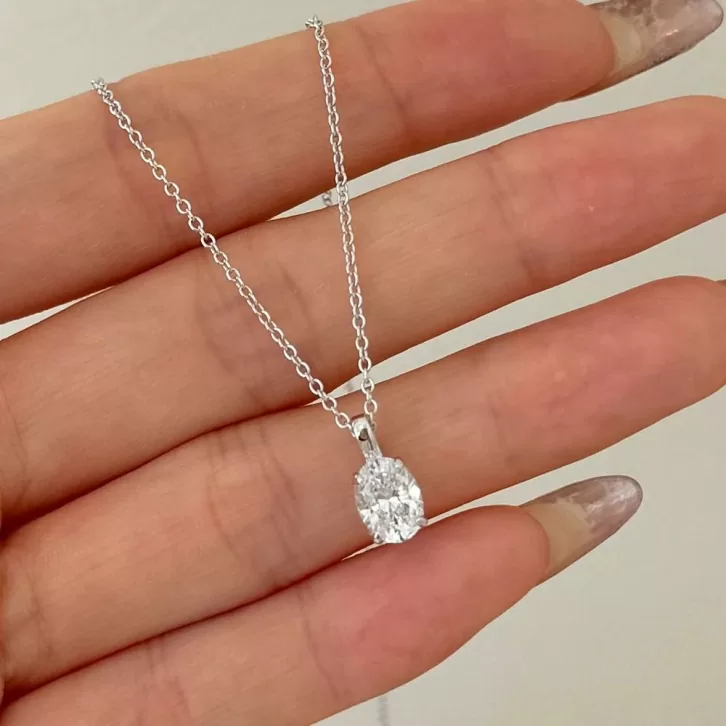
A quick search tells you to clean your ring with toothpaste, soak silver in baking soda and aluminum foil, and dip gold in ammonia. Some of that works. Some of it strips the rhodium off your white gold, scratches your platinum, or eats through a pearl. The line between a safe home clean and a ruined piece is thinner than most blogs admit. Here is the cheat sheet you can actually follow.
The one method that is almost always safe
Warm water, a drop of plain dish soap, and a soft baby toothbrush. Soak for 10 to 20 minutes, brush gently under the prongs and around the pavé, rinse under warm running water with a drain cover, and pat dry with a lint-free cloth. This works for diamond, moissanite, sapphire, ruby, gold, platinum and silver. It is the method the GIA jewelry care guide recommends, and it removes the lotion and skin oil that make stones look dull. For engagement rings specifically, also read cleaning an engagement ring at home.
Ammonia: useful but limited
Diluted ammonia (one part household ammonia to six parts water) cuts through grease and hard film on diamond and gold. It is safe for diamond, sapphire and ruby set in solid gold or platinum. It is not safe for pearls, opal, emerald, turquoise, coral, ivory, amber, or any treated or fracture-filled stone. It can also dull porous gemstones and strip oils from pearls. If the stone is anything other than diamond, ruby or sapphire, skip the ammonia and use soapy water.
What to avoid: the common hacks that damage jewelry
Toothpaste contains abrasive silica that scratches gold, platinum and soft gemstones; it looks like it is cleaning because it is polishing off a thin layer of metal. Baking soda is mildly abrasive and alkaline, and can dull rhodium plating; the famous aluminum-foil-and-baking-soda silver bath works for tarnish only on plain silver with no stones. Bleach and chlorine can pit and discolor gold alloys, especially white gold, so never swim in a pool with your ring on. Vinegar is acidic enough to dull pearls. Home ultrasonic machines are fine for hard stable stones but dangerous for emerald, pearls, opal, tanzanite and any stone with surface fractures. When in doubt, skip the machine.
Porous and soft stones: the short list
Pearls, opal, emerald, turquoise, coral, lapis lazuli, amber, ivory, shell and moonstone need to be cleaned with a barely damp soft cloth, never soaked. They absorb water, oils and chemicals, which changes color and weakens the material. If a piece has one of these stones, treat the whole piece by the softest component. Pair this with our ring storage guide; clean jewelry stores better than dirty jewelry because oils do not sit on it overnight.
Silver at home
Sterling silver tarnishes from sulfur in the air. A commercial silver polish cloth is the fastest safe fix. For light tarnish, mild soapy water and a soft cloth work. Avoid dips on silver that is rhodium-plated; the dip strips the plating. Read our silver care at home guide for the full routine, and our travel storage guide to keep silver from tarnishing in your bag.
A routine that keeps jewelry looking new
Wipe rings with a lint-free cloth after each wear. Do the warm-soap soak once a month. Avoid applying lotion, perfume or hairspray with the ring on. Take rings off before washing dishes, cleaning, exercising or swimming. That routine does more than any occasional deep clean. If you have a white gold ring, the rhodium plating will wear off over years and the ring will start to look slightly yellow. That is not a cleaning problem; it is a re-plating job that takes a jeweller a day. Do not try to fix it at home with abrasive cloths. For gold that has dulled from soap film, the warm-soak method restores the shine without touching the plating. For stones set in prongs, pay attention to the area under the head; that is where lotion builds up and makes the stone look less lively.
Frequently asked questions
Can I clean my diamond ring with toothpaste?
No. Toothpaste is abrasive and will scratch the gold or platinum band. Use warm soapy water and a soft brush.
Is ammonia safe for moissanite?
Yes, moissanite is chemically stable. But warm soapy water is enough; reserve ammonia for heavy grease.
How do I clean pearls at home?
Wipe them with a damp, soft cloth after wearing. Never soak them, never use soap, never use ultrasonic machines.
How often should I clean my engagement ring?
Once a month at home, and once a year professionally inspected and ultrasonically cleaned by a jeweller who will also check the prongs.
Wholesale clients wanting care pamphlets for retail bags can request printed inserts from HOLYCOME alongside their jewelry orders.


