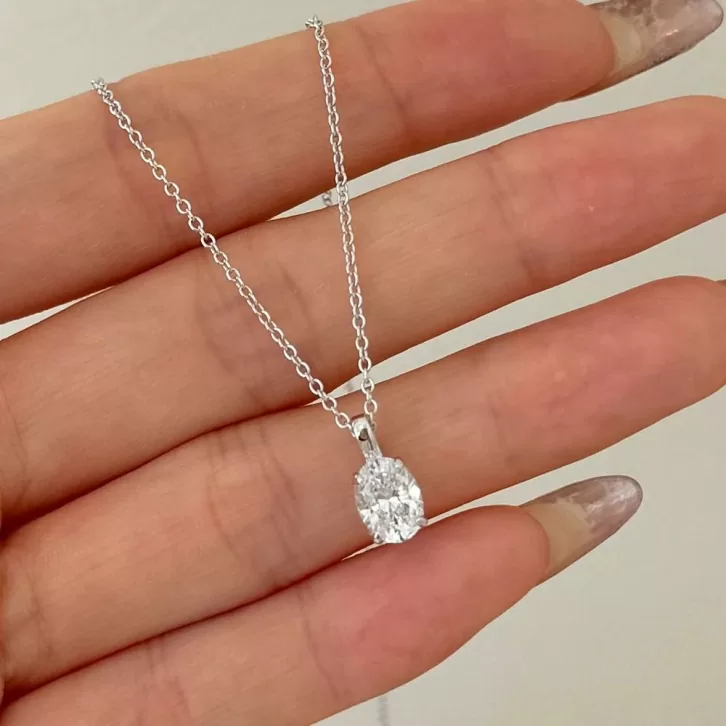
A customer polishes a cloudy moissanite solitaire with a dab of toothpaste and a toothbrush, rinses, and finds the stone looks worse, not better. The haze that appears is a fresh network of micro-scratches. Toothpaste is marketed as mild, but it is engineered to abrade plaque, and the same abrasives that clean teeth are exactly what hazes a hard but not diamond-hard gem. Here is why toothpaste is the wrong tool and what safely restores a moissanite's sparkle.
Why toothpaste damages the surface
Toothpaste contains microscopic abrasives, typically silica, calcium carbonate, or hydrated alumina, chosen to scrub away film without damaging enamel. Those particles sit in the 5 to 7 Mohs range. Moissanite at 9.25 is harder, but repeated circular brushing presses abrasive grit into the facet edges and the thin polished skin, building fine parallel scratches over time. Diamond dust and quartz in household dust do the same thing. The abrasiveness of common cleaners is summarized on the diamond hardness reference, which sets the Mohs context. The result is a frosted look that cannot be wiped off because it is now physically in the surface.
What actually cleans moissanite safely
Moissanite is chemically stable, so the safe recipe is simple: warm water, a drop of mild dish soap, and a soft brush for the underside where body oil and lotion collect. The gunk that makes a stone look dull is almost never a scratched surface; it is oily film trapped under the culet and around the prongs. A five-minute soak in warm soapy water, a soft brush around the setting, and a lint-free polish cloth restore the mirror. For the full routine, see how to clean a moissanite ring and the soap-and-water method. Ultrasonic cleaners are usually safe for moissanite itself but can loosen settings, so skip them on mounted rings.
The household products to avoid
Beyond toothpaste, the list of things that haze or damage a moissanite ring includes baking soda (abrasive), powdered cleansers, chlorine bleach (which attacks the metal, not the stone), abrasive silver dips, and boiling water on a cold stone. The rule of thumb: anything you would not use on a pair of eyeglasses should not go on your ring. For the wider list, read which jewelry cleaning solutions to avoid and how to safely clean an engagement ring at home.
When haze is not cleaning at all
If soapy brushing does not bring the stone back, the cause is likely surface micro-scratching from months of abrasive contact, or worn rhodium plating on a white-gold setting making the stone look dull. In both cases the fix is a jeweler visit: re-polish the stone or re-plate the setting. A customer who keeps scrubbing toothpaste at it only deepens the scratches. Setting honest expectations on day one saves that return.
How often should a moissanite ring actually be cleaned?
Daily-wear moissanite benefits from a light rinse once a week and a proper soak once a month. The reason moissanite seems to dull faster than a diamond is not that it scratches; it is that its high dispersion makes oily film more obvious. Body lotion, hand cream, soap scum, and cooking grease build a thin coating on the flat facets, and that film scatters the light that would otherwise fire as rainbow flashes. A thirty-second warm-soap soak restores the brightness completely, which is why most customers who think their moissanite has worn out actually just have a dirty stone. The habit worth teaching is to clean under the stone, where the culet traps the most film, rather than rubbing the top surface that already looks fine.
Can I use toothpaste on a diamond ring instead?
Better, but still not recommended. Diamond is hard enough to resist toothpaste grit, but the paste can scratch the metal setting and build up in prongs. Soap and water is the safe answer for both.
What is the fastest way to clean moissanite at home?
Soak the ring for five minutes in warm water with a drop of dish soap, gently brush under the stone and around the prongs with a soft toothbrush, rinse, and pat dry with a lint-free cloth.
Is rubbing alcohol safe for moissanite?
Yes, a quick wipe with rubbing alcohol removes oily film safely and will not scratch the stone. Avoid soaking jewelry in alcohol for long periods if it has porous companion stones.
Why does my moissanite look cloudy even after cleaning?
If soap and water do not fix it, the cloud is either surface micro-scratches from abrasives or worn plating on the setting. Both are a jeweler fix, not a home cleaner problem.
If you are a jeweler selling moissanite, our wholesale team can include a printed care card with each solitaire so customers know the soap-and-water routine before they reach for the toothpaste. Request care cards with your order.
Frequently Asked Questions
Is moissanite a good diamond alternative for retail buyers?
Yes for price-sensitive customers who want brilliance and hardness. Moissanite ranks 9.25 on the Mohs scale, holds up to daily wear and costs a fraction of a natural diamond of the same size, so it resells fast in bridal and fashion lines.
What is the minimum order for wholesale moissanite?
MOQ starts at 50 pieces per design for stock items. Custom cuts and private-label settings usually start at 100–300 pieces depending on the mold.
Do you provide certificates with moissanite stones?
Yes. Every parcel ships with GRA or IGI documentation listing carat weight, color grade and cut. We recommend passing the certificate to your end customer for trust.
How long does sample and bulk production take?
Samples ship in 3–5 days. Bulk runs take 15–20 days under 500 pieces, and 25–30 days for custom work.


