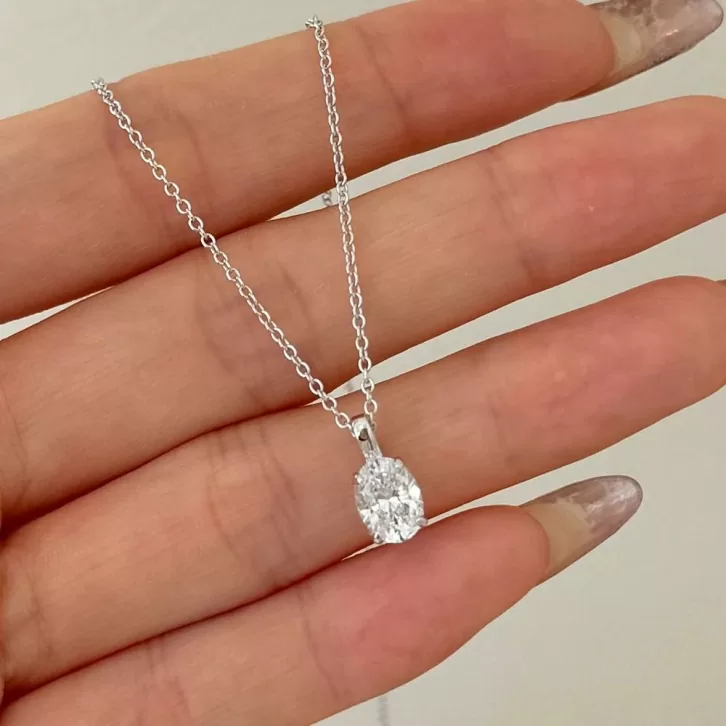
You pull a sterling silver chain out of a drawer and it has gone from bright white to dull grey, almost brown. You did nothing to it. It sat in a jewelry box for a few months and turned on its own. That is tarnish, and it is the normal behavior of sterling silver, which is 92.5 percent silver alloyed with copper for strength. The good news: tarnish is reversible. The bad news: the wrong home tricks can strip the plating or scratch the metal.
Why silver tarnishes
Sulfur in the air reacts with silver on the surface to form silver sulfide, the black layer you see. Sulfur comes from paper (many cardboards contain sulfur), rubber bands, wool, certain foods (onions, eggs), pollution and even some people's skin chemistry. The reaction speeds up in warm, humid air. That is why silver stored in a bathroom tarnishes faster than silver stored in a cool, dry drawer. It is also why a piece worn daily often stays brighter than a piece stored away: the skin oils and regular wiping slow the reaction.
Storage: the most important habit
Stop tarnish before it starts. Store silver in anti-tarnish cloth bags or zip bags with an anti-tarnish strip included. Add a small silica gel sachet to absorb moisture. Keep silver away from cardboard boxes, newspaper, rubber bands and wool, all of which carry sulfur. Do not leave silver out on an open dresser tray; it will tarnish in weeks. For rings, use our ring storage guide; for travel, use the travel storage guide. A jewelry box with a felt-lined compartment and a closing lid beats an open dish every time.
Cleaning at home: what works
For light tarnish, a jeweler's polishing cloth (the impregnated kind, not a plain cloth) is the safest tool. Rub gently along the surface, not in circles, and rinse. The cloth carries a very mild abrasive that lifts the silver sulfide without scratching the silver underneath. For heavier tarnish, warm soapy water with a soft baby toothbrush followed by a polish cloth works. For silver with no stones, no pearls and no rhodium plating, a commercial silver dip works in seconds, but it strips patina and is too harsh for plated pieces. Read household cleaning safe list before you dip anything with stones.
The baking soda aluminum bath: when to skip it
The popular home trick (line a glass dish with aluminum foil, add hot water and baking soda, drop the silver in) chemically reverses tarnish. It works for plain silver. It also removes patina from antique pieces, can leave a dull film on rhodium-plated silver, and should never touch pieces with pearls, gemstones, glued settings or enamel. Use it only on plain, unplated silver items that have no stones.
Rhodium-plated silver: handle differently
A lot of modern sterling silver jewelry is rhodium-plated to look like white platinum and resist tarnish. Once the rhodium wears off (typically 1 to 3 years with regular wear), the silver underneath starts to tarnish from the edge of the piece. Polishing a rhodium-plated piece with an abrasive cloth speeds up the wear. For plated silver, use warm soapy water and a soft cloth only, and plan to have it re-plated professionally when the edge shows. Compare this with solid metals in our band metal guide.
Daily habits that keep silver bright
Wear your silver. Pieces left in drawers tarnish faster than pieces worn. Apply perfume, hairspray and lotion before you put the jewelry on, not after. Take silver off before swimming in a pool (chlorine spots silver), before cleaning with bleach, and before showering with harsh soaps. Dry it with a soft cloth before you store it. Those four habits cut tarnish time by more than half. If a piece has gone very dark, take it to a jeweller for an ultrasonic clean rather than fighting it at home; the machine reaches crevices a cloth cannot.
Frequently asked questions
Is tarnish on silver permanent?
No. It is a surface layer of silver sulfide and can be polished off without removing silver, if you use a gentle cloth rather than abrasive pastes.
Why does my silver tarnish faster than my friend's?
Skin chemistry, local air quality, storage humidity and the jewelry you store next to it all change the rate. Sulfur-rich paper and rubber bands are common hidden causes.
Can I wear sterling silver in the shower?
You can, but harsh soaps and hot water speed up dulling. Take it off and wipe it, and it will stay bright longer.
How often should I polish silver?
Only when it actually looks dull. Frequent polishing wears through rhodium plating and removes tiny amounts of metal. Storage, not polishing, is the main tool.
Wholesale clients ordering sterling silver lines for retail can request anti-tarnish packaging and polishing cloths from HOLYCOME alongside their order.


