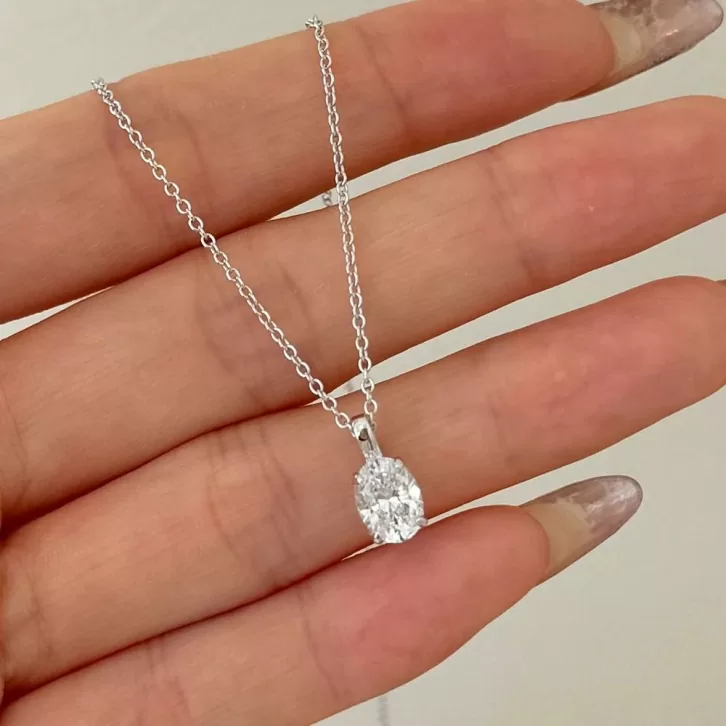
A customer polishes a 14k gold band with a paper towel after washing their hands, then brings it in two months later with a matte swirl across the high points. They assumed a dry paper towel is neutral. It is not. The cleaning cloth is the most overlooked part of jewelry care, and it is the source of most fine wear marks on gold, platinum, and soft gemstones. Here is which cloths are safe and which are quietly damaging.
Why soft-looking cloths still scratch
Scratching depends on hardness, not how soft a cloth feels. Paper towels contain wood pulp fibers and often pick up grit from the counter. Standard cotton rags trap dust and salt. Even a clean-looking t-shirt carries lint and residual soap. A diamond at Mohs 10 shrugs this off, but 14k gold at Mohs 3 and platinum at 4.5 to 5 take micro-scratches from any cloth harder than they are. The Mohs scale reference explains why soft metals mark easily. Over months, those micro-scratches build a matte, swirled look on a band that started mirror-bright.
The cloths to avoid on jewelry
Skip paper towels, toilet paper, napkins, and rough cotton dishcloths. Skip any cloth that has been sitting on a counter and picked up sand, salt, or kitchen grit. Skip abrasive polishing cloths sold for silver that contain a chemical rouge; they strip gold plating and leave swirls on platinum. The safe choice is a lint-free, 100 percent cotton or microfiber jewelry cloth, used dry and kept only for jewelry. Read what cleaning solutions to avoid and how to clean an engagement ring at home.
What is safe on each material
Diamond and moissanite at Mohs 9 to 10 tolerate a gentle wipe with a jewelry cloth, but still not a paper towel, because the grit can scratch the setting metal. Gold, platinum, and sterling silver need the softest cloth. Pearls, opals, and emeralds should be wiped with a damp soft cloth only, never polished dry. The cleaning rule that prevents most damage is this: rinse the jewelry first in warm soapy water to float off the grit, then blot with a lint-free cloth rather than rubbing. See silver care at home and the soap-and-water moissanite method.
The return problem from the wrong cloth
When a band comes back swirled six months after purchase, it is almost never a defective metal. It is the cleaning cloth. The fix is to hand every buyer a free jewelry cloth at purchase and tell them not to use paper towels on the band. That single instruction eliminates the majority of care-related returns. For the rest of the care routine, see which household items are safe and storage that avoids scratches.
The safe step-by-step cleaning routine
Avoiding the wrong cloth is half the job; the other half is a routine that does the work without rubbing. Start with a small bowl of warm water and a drop of mild dish soap. Drop the ring in for two or three minutes to float off the body oils and salt. Use a soft baby toothbrush or a jewelry brush to gently move the soap water under the prongs and around the setting. Do not scrub across the face of the stone; move the brush in soft circles. Rinse under clean warm running water, with the drain closed, so a loose prong never sends a stone down the pipe. Then blot, not rub, with a lint-free cotton jewelry cloth. For diamonds and moissanite this routine can run once a week without harm. For pearls, opals, and emeralds, skip the brush and use a damp cloth only, because those stones are porous and the soap and brush can dull the surface. Ultrasonic cleaners are fine for diamond and moissanite settings but not for soft or included stones, so check the material before running one.
Can I use a paper towel to clean my ring?
No. Paper towels carry wood pulp and often pick up grit, which leaves micro-scratches on gold and platinum. Use a lint-free jewelry cloth instead.
Is a silver polishing cloth safe on gold?
Usually not. Silver polishing cloths often contain abrasive rouge that strips gold plating and leaves swirls on yellow or white gold. Use a plain untreated jewelry cloth.
What cloth is safe for diamond rings?
A lint-free cotton or microfiber jewelry cloth, used after a warm soapy rinse. Even diamond settings have soft metal prongs that paper towels can mark.
How do I keep my jewelry cloth clean?
Rinse it gently in plain water, let it air dry, and store it separately. Never wash it with fabric softener, which leaves a residue that can haze gemstones.
If you are a jeweler adding care kits to purchases, our wholesale team can supply bulk lint-free jewelry cloths and care cards. Request a care-kit sample.
Frequently Asked Questions
What care instructions should I give end customers?
Remove jewelry before swimming, cleaning or applying perfume. Store dry in a sealed bag. Clean with mild soap and a soft brush, then dry fully.
How often does rhodium plating need renewal?
Every 12–18 months under daily wear. Offer a re-plating service to your customers to build repeat visits.
Does chlorine damage sterling silver?
Yes. Chlorine and saltwater accelerate tarnish and can pit the surface. Rinse and dry immediately after any contact.
What causes green skin marks?
Copper or nickel in the base alloy reacting with sweat. Switch to 316L, titanium or sterling, and specify nickel-free plating.


