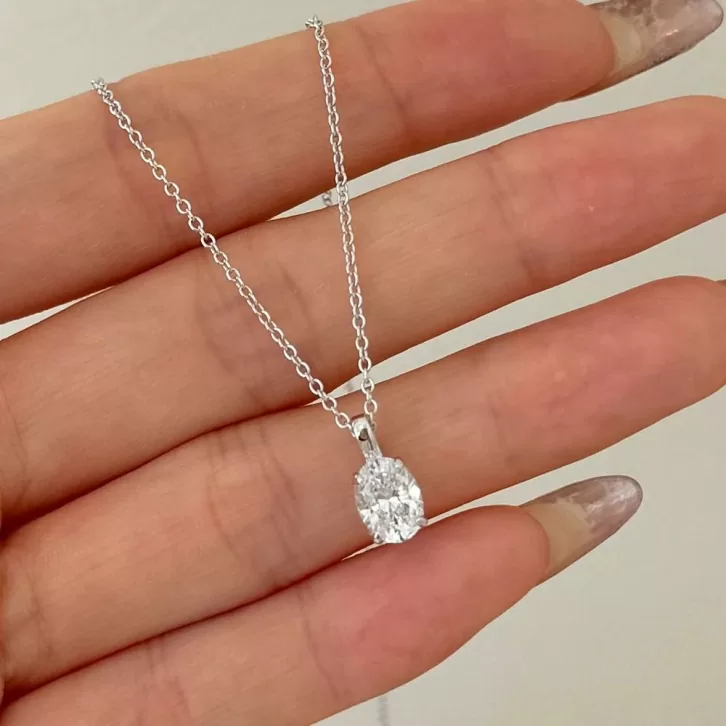
The way jewellery is stored matters more than people think. Throwing three rings into one box is how pavé stones get knocked loose, how gold gets micro-scratched, and how silver tarnishes in a drawer. Long-term storage — the rings you do not wear every day, the heirloom pieces, the gifts you keep safe — has its own simple rules.
The golden rule: keep pieces apart
Rings scratch each other when they rattle together. Store each ring in its own soft pouch, slot or box compartment. A divided jewellery box is worth the money; a single open tray is not. Diamond especially should never rub against another diamond, because diamond scratches diamond.
Climate and tarnish
- Avoid damp bathrooms: moisture speeds tarnish on silver and lower-carat gold. Store in a dry bedroom.
- Avoid direct sun: sunlight fades some coloured gems and can warm pearls.
- Anti-tarnish strips: in a closed box, these slow silver tarnish. Cheap and effective.
- Do not wrap in newspaper: the print ink can transfer; use acid-free tissue.
| Item | Best storage | Avoid |
|---|---|---|
| Solitaire ring | Own pouch, upright | Loose in a tray with other rings |
| Silver jewellery | Anti-tarnish box | Damp bathroom drawer |
| Pearls | Soft cloth, breathable | Airtight plastic (they need air) |
| Watch | Original box, wound if automatic | Next to magnets |
The long-forgotten box
Silver tarnish and how to slow it
Silver tarnishes when it reacts with air — it is inevitable, just a question of speed. Storing silver in an airtight box with an anti-tarnish strip slows it dramatically. A piece worn regularly tarnishes less than one stored, because the wear polishes the surface. If your silver has gone dull, a silver polishing cloth — not toothpaste, which scratches — brings it back in minutes. Do not store silver next to rubber or wool, which speed tarnishing.
Storage for travel vs long-term
Long-term storage at home and travel storage on a trip are different problems. At home you want a dry, divided box. On a trip you want a roll or pouch that protects the rings in your hand luggage. A ring box at home is fine; a ring box in a suitcase is bulky and noisy. Keep the two systems separate — a small travel pouch that lives inside your jewellery box until you need it.
Check the stored pieces once a year
A ring left for years is not a set-and-forget item. Claws can loosen, elastic in necklaces can perish, and a stored ring may need a clean and a polish when it comes back into use. Once a year, open the box, look at each piece, and set the loose stones. It is a five-minute check that prevents a lost stone when the ring finally comes out.
Document the box while you are at it
When you pack a box away, take five minutes to photograph each piece, note any hallmarks, and write down where each piece came from. That record becomes enormously useful later — for insurance, for probate, or simply for remembering which ring was which. A shoebox of jewellery with no paperwork is a puzzle to sort out in ten years; a shoebox with a photo list and receipts is a well-organised estate. It takes one afternoon and saves weeks later.
Pearls and other organic gems
Pearls, amber and coral are porous and want to breathe. Do not store pearls in an airtight plastic bag; the trapped moisture can cloud them. Lay them flat in a soft cloth, away from direct sun, and restring them every few years as the silk stretches. Perfume and hairspray are the real enemies of pearls — apply them before you put the necklace on, not after. Treat organic gems gently and they last. Everything else — diamonds, gold, platinum — simply wants to be dry and alone. A proper jewellery box with individual slots costs little and does the whole job for you. Open it once a year, clean what is inside, and close it again — that is the long-term routine, and it is enough. No special climate control, no silica gel, no worry. A cool, dry drawer does the job perfectly well, for decades if needed, with absolutely no special care at all.
Jewellery left in a box for years still needs the occasional check. Claws loosen, elastic stretches, and a ring stored for a decade may need a clean and a re-polish when it comes back into use. If you are storing an heirloom for a child, photograph it, note the hallmarks, and keep the receipt or valuation with it. For the cleaning that brings a stored ring back to life, our jewellery care guide is the place to start. Store each piece apart, keep the box dry, and open it once a year — that is the whole long-term storage rulebook.
The 92.5% silver composition and properties of sterling silver are described in the Wikipedia entry on sterling silver.
Related Reading
- Sweat and Jewelry: Which Metals Survive Everyday Wear
- Cleaning Jewelry: Which Cloths Actually Scratch Your Pieces
- Cleaning Moissanite: Why Toothpaste Is the Wrong Cleaner
Frequently Asked Questions
What ring sizes can you supply in bulk?
US sizes 5–12 including half sizes. Send a size breakdown with your order and we cast to that curve; comfort-fit inner bands reduce resize requests.
Can I order a mixed size run instead of one size?
Yes. Mixed runs are standard for wholesale: specify quantity per size and we pack and label by size at no extra labor cost.
What is the MOQ for custom ring designs?
50 pieces per design for existing molds; 100–300 pieces when a new mold or CAD model is required.
How should I price rings for retail margin?
Most partners use a 3–4x markup on FOB cost for sterling and 2.5–3x for moissanite solos, which keeps landed cost under 30% of retail.


