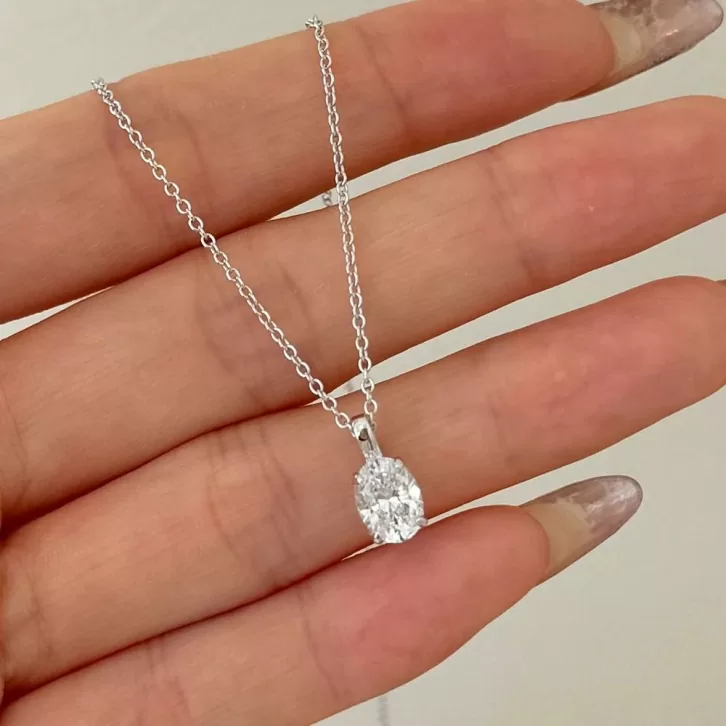
The ring and bracelet a customer never takes off should be chosen deliberately. A piece that looks beautiful in the case can tarnish, scratch, bend, or irritate skin if it is expected to survive showering, sleeping, gym sessions, and dishwashing. The good news is that most jewelry can be daily wear if the materials and settings are chosen right.
Use hardness as the first filter
The simplest rule is material hardness. Stones rated 7 and above on the Mohs scale resist the quartz in household dust that gradually scuffs softer gems. Diamond (10), moissanite (around 9.2), sapphire and ruby (9) are daily-wear safe. Opal (5.5-6.5), pearl (2.5-4), and turquoise (5-6) should be reserved for occasional wear. The ranking is on the Mohs scale reference. Our durable-stone picks are in durable birthstone jewelry, and the moissanite daily-wear picture in moissanite hardness for daily wear covers the most common stone we sell for never-take-off rings.
Metals for all-day wear
14k gold and platinum are the safest daily metals: they do not tarnish and repair well. Sterling silver tarnishes, which is not dangerous but means regular cleaning, as our guide in caring for silver at home describes. Costume metals with nickel plating are the most common cause of skin greening or irritation; under US rules sellers must disclose metal content, and the jewelry guides at FTC jewelry guides set the labeling expectations. Choose solid gold, platinum, or sterling with a clear stamp for pieces that never come off.
Settings that survive daily life
Bezel and flush settings protect a stone on all sides; prongs catch on clothing and can loosen over time. Full eternity bands are beautiful but hard to resize and vulnerable to chips on the bottom edge. Thin bands (under 1.2mm) bend faster than robust ones. If the piece is for the gym, avoid dangling earrings and tall settings. Storage also matters: tossing pieces into one drawer lets harder stones scratch softer ones, so follow our notes in avoiding scratches in storage.
The practical remove list
Even safe daily jewelry should come off for: swimming in chlorinated pools (chlorine attacks gold solder), applying perfume or hairspray, applying hand cream, and heavy manual work. Keep a small dish by the sink so removal becomes automatic rather than a risk of losing the piece.
Building a jewelry box that survives daily life
A practical everyday jewelry box has two tiers. The never-take-off tier holds a solid gold or platinum band set with diamond, moissanite, sapphire, or ruby. These are the pieces showered, slept, and worked in. The occasional tier holds everything else: pearls, opals, plated pieces, delicate chains with fine links, and anything with a dangling or high setting. Wearing the occasional pieces on date nights and special events, and keeping the durable tier on every day, gives the customer variety without scuffing or losing anything.
Teach customers one habit that prevents most accidents: a single fixed spot. Rings come off when cooking, lotioning, or washing, and that spot should always be the same small dish by the sink, never a napkin, a pocket, or a hotel nightstand where rings get swept away. A daily-wear ring chosen in a robust setting and worn with that one habit will look polished for years. For your retail clients, this framing turns a one-off sale into repeat business: they start with a never-take-off band, then add an everyday necklace and studs in the same durable materials, and come back for the occasional pieces later.
For sensitive skin, choose nickel-free alloys and avoid plated fashion pieces for daily wear. Nickel is the common trigger in cheaper white gold and costume metal, and solid 14k gold, platinum, or sterling silver with a clear stamp almost never causes the greening or itching that sends customers back to the jewelry box.
FAQ
Can I shower with my ring on?
Yes for diamond, moissanite, and sapphire in solid gold or platinum. Soap residue builds up and dulls sparkle, so a weekly clean helps. Avoid showering with pearls, opals, or plated pieces.
Is it safe to sleep in a ring?
Most solid-gold and platinum bands are fine. Tall prong settings and thin bands can bend or catch on bedding, so many people remove those before sleep.
Which jewelry metal is best for everyday wear?
14k yellow or white gold and platinum are the top choices because they resist tarnish and hold up to bending. Sterling silver works but requires occasional polishing.
Why does my skin turn green under the ring?
Usually copper in a lower-karat alloy or plated costume metal reacting with skin chemistry. Switching to solid 14k gold, platinum, or sterling silver removes most reactions.
We design and supply daily-wear jewelry in solid gold, platinum, and durable moissanite, with settings chosen for never-take-off lifestyles. Discuss your everyday collection with us.


