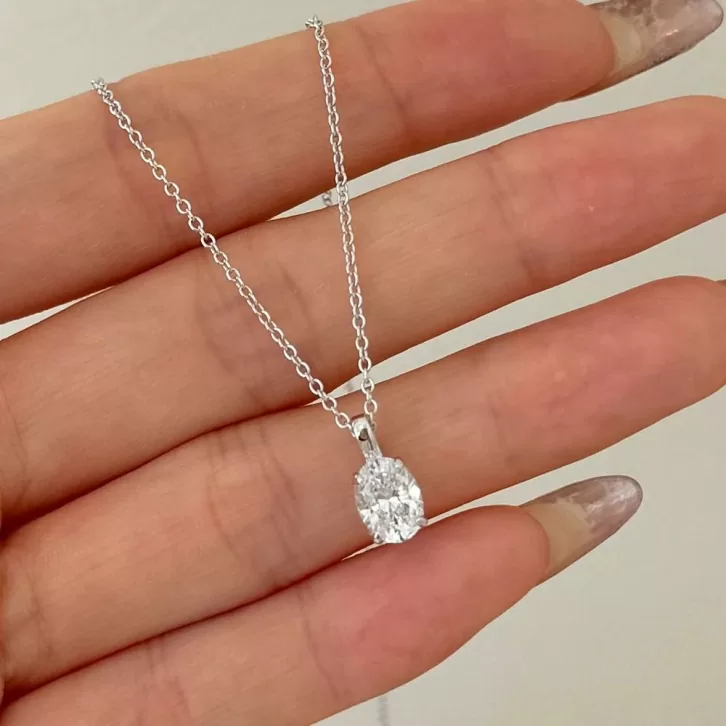
That dull, grey look on a year-old engagement ring is almost never the stone losing its sparkle. It is a thin film of hand lotion, soap residue, skin oils and dust sitting on the facets and trapped behind the stone. The fix is cheap, takes ten minutes, and does not require a jeweler. The general principles match the routine that GIA gem care guidance recommends for diamond and fine jewelry.
The basic four-step routine
First, make sure your sink drain is closed or covered; lost rings from open drains are far more common than lost rings from cleaning. Fill a small bowl with warm (not boiling) water and a drop of mild dish soap. Second, drop the ring in and let it soak for 15 to 20 minutes. This softens the oily film so you are not scrubbing hard. Third, gently brush behind the stone and around the prongs with a soft toothbrush; this is where residue hides. Fourth, rinse under warm running water and pat dry with a lint-free cloth. Do this once every two weeks and the ring will look the way it did the day it arrived.
What to use, and what to avoid
Mild dish soap and warm water are safe for diamond, moissanite, sapphire and ruby settings in platinum, gold or silver. Avoid bleach, chlorine, and abrasive powders; they pit and discolor white gold plating and can attack softer stones. Avoid "diamond sparkle" sprays and ultrasonic cleaners unless your jeweler has specifically said they are safe for your stone. Ultrasonic cleaners can loosen prongs over time and are risky for fracture-filled or heavily included stones. Steam cleaners sit in the same category: great for a professional, risky for home use on an unfamiliar ring.
Stone-by-stone notes
Diamond and moissanite are tough enough for gentle brushing; their main weakness is that gunk collects under the table. Opal, pearl, emerald, tanzanite and other softer or included stones need a lighter touch; wipe with a damp cloth rather than soak, because they are porous or oil-treated. If your ring has a halo of small accent diamonds, brush the gaps between them; hairspray and foundation build up there fastest. For context on which stones survive daily wear, see our moissanite durability guide.
Check the prongs while you clean
Cleaning is also the monthly inspection. Look at each prong under a magnifying glass or a phone macro photo. A bent, worn or missing prong is the number one cause of lost center stones. If a prong looks thin or has a gap, stop wearing the ring until a jeweler retipps it; that is a five-minute repair that costs almost nothing, compared with replacing a stone. The setting style you chose changes how often you should check: a pave setting with tiny stones has many small prongs and needs a closer look than a simple bezel. We compare these in prong, bezel and pave settings.
The metal underneath
White gold rhodium plating wears off over months to years, turning the ring slightly yellowish at the edges. That is not dirt and cleaning will not fix it; re-plating by a jeweler is the answer, and it costs a fraction of the ring. Platinum develops a soft patina and surface scratches that many owners prefer. If you are deciding between the two, platinum versus white gold explains how each ages over decades.
Storage and keeping stones from scratching each other
Cleaning is only half of care. Where you store the ring matters as much as how you wash it. Diamond is hard enough to scratch gold, silver and even other gemstones, so do not toss the engagement ring into a jewelry bowl where it rattles against earrings and bracelets. A separate soft pouch or a divided ring box compartment prevents fine scratches in the metal band. When you travel, keep the ring in its own pouch rather than loose in a toiletry bag. These small habits, combined with the biweekly wash, are what keep a ring looking ten years old rather than ten months old.
Frequently asked questions
Can I clean my ring with toothpaste?
No. Toothpaste is mildly abrasive and will scratch gold and platinum over time, even though it is fine on teeth. Stick to liquid dish soap.
How often should I clean an engagement ring?
Every two weeks with the soap-and-water method if you wear it daily. Once a month is the minimum to keep the center stone looking clean.
Will cleaning remove scratches in the metal?
No. Cleaning removes surface film; it does not polish out scratches. A jeweler's polishing cloth or professional polish handles that, and should be done sparingly because polishing removes a tiny amount of metal each time.
Should I take my ring off to wash hands?
It is not necessary for occasional hand washing, but taking it off for long soaks, dish washing with gloves, or applying hand lotion is good habit. Lotion is the single biggest cause of dull-looking rings.
Keep the setting strong and the metal bright: read setting styles and metal guide for the next steps beyond a home wash.


