Buying Guides Wholesale: The Scorecard We Run on Our Own Vendors - HOLYCOME
Buying Guides: tolerances, cost structure and the reject rule for US wholesale buyers.
How to buy an engagement ring without guessing.
Choosing an engagement ring in the UK or Europe comes down to four decisions, and they are best made in order: what you can spend, what shape suits the hand, which setting protects the stone, and which metal survives daily wear. Our buying guides walk through each one in plain English, with the price tiers UK shoppers actually encounter, the questions worth asking a jeweller before you pay a deposit, and the small print people forget until after the proposal. Nothing here assumes you already know what a carat is, and nothing is written to push you toward a particular shop or stone.
Buying Guides: tolerances, cost structure and the reject rule for US wholesale buyers.
Buying Guides: tolerances, cost structure and the reject rule for US wholesale buyers.
Buying Guides: tolerances, cost structure and the reject rule for US wholesale buyers.

Buying Guides: tolerances, cost structure and the reject rule for US wholesale buyers.
Buying Guides: tolerances, cost structure and the reject rule for US wholesale buyers.
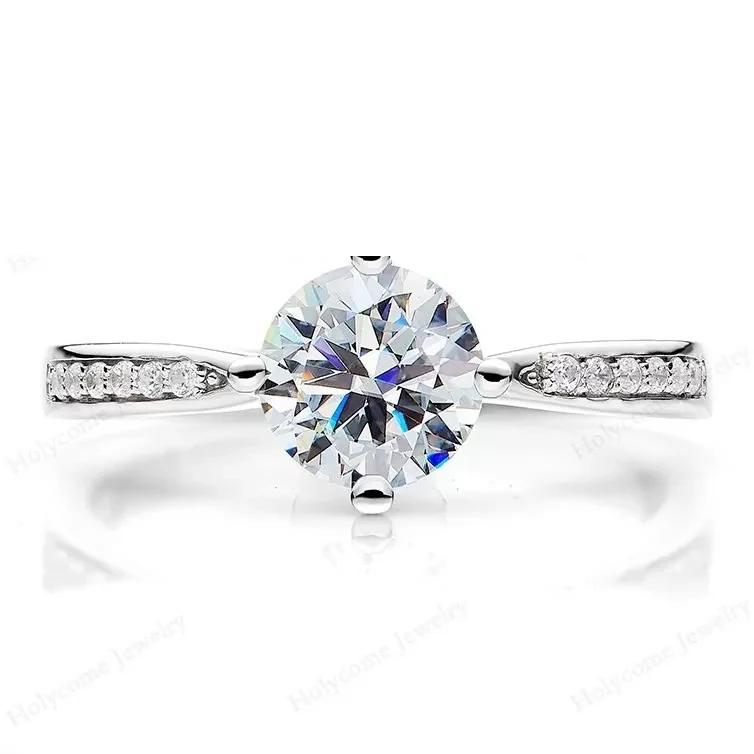
Payment terms decide who carries risk when a lot goes wrong. This guide compares deposit structures, method risk and the two clauses that make a claim enforceable.
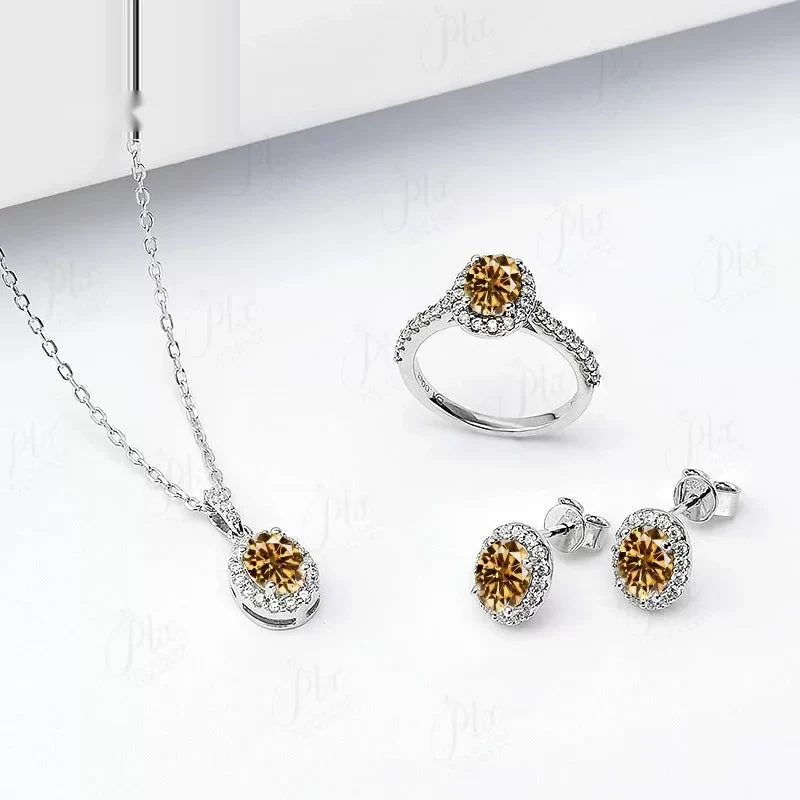
Overstock in jewelry is usually a depth problem, not a taste problem. This guide sets SKU depth rules, replenishment windows and a sell-through target that keeps a seasonal buy recoverable.
Supplier vetting is a paperwork exercise before it is a factory visit. These twelve documents separate a trading office from a manufacturer, and three of them carry most of the risk signal.
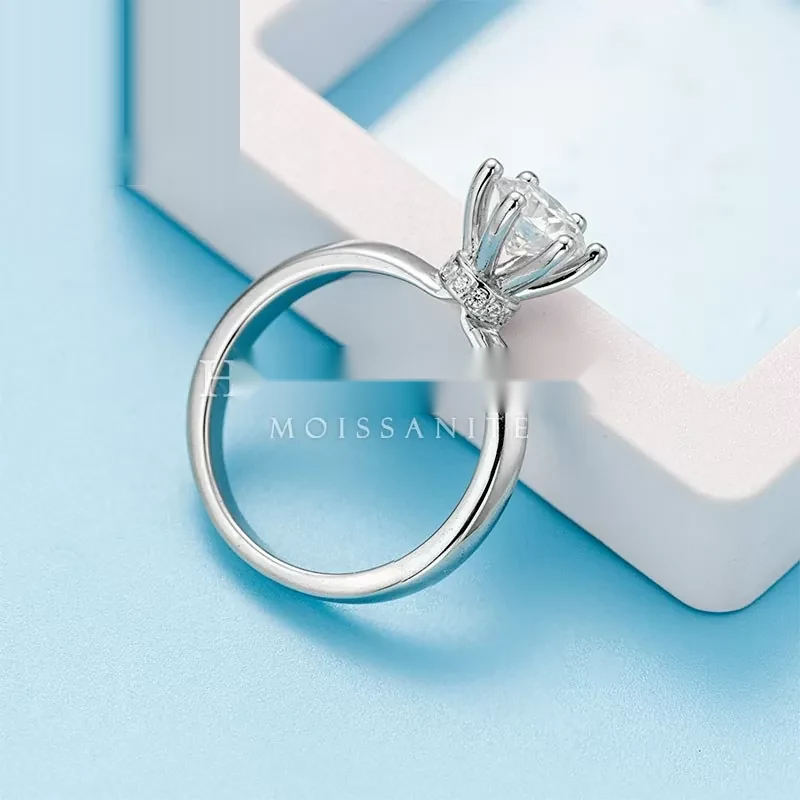
A ring quote is six numbers stacked on top of each other. This breakdown shows what each line should contain, where suppliers hide cost, and how to compare two quotes that look different.
A sample run is the cheapest risk test in wholesale jewelry. This guide sets out what to order, which tests to run, and the pass-fail rules that separate a factory worth scaling with from one that will cost you a season.
Buying Guides: tolerances, cost structure and the reject rule for US wholesale buyers.
Buying Guides: tolerances, cost structure and the reject rule for US wholesale buyers.
Buying Guides: tolerances, cost structure and the reject rule for US wholesale buyers.
Buying Guides: tolerances, cost structure and the reject rule for US wholesale buyers.
Buying Guides: tolerances, cost structure and the reject rule for US wholesale buyers.
Buying Guides: tolerances, cost structure and the reject rule for US wholesale buyers.
Buying Guides: tolerances, cost structure and the reject rule for US wholesale buyers.
Buying Guides: tolerances, cost structure and the reject rule for US wholesale buyers.
Buying Guides: tolerances, cost structure and the reject rule for US wholesale buyers.
Buying Guides: tolerances, cost structure and the reject rule for US wholesale buyers.
Buying Guides: tolerances, cost structure and the reject rule for US wholesale buyers.
A distributor in Santiago accepted a credit note and lost the season because a credit does not restock a shelf. The order was not lost on price. It wa
A brand in Los Angeles sent a mood board and asked for a price and got six quotes that differed by 300% because nobody had specified stone size, setti
Retailers, boutique owners, and jewelry brands sourcing vs synthetic gems in wholesale volumes regularly hit the same frustrations: inconsistent finishing, vague lead times, hidden markups layered on by trading companies, and minimum order…
Retailers, boutique owners, and jewelry brands sourcing lab created gemstones in wholesale volumes regularly hit the same frustrations: inconsistent finishing, vague lead times, hidden markups layered on by trading companies, and minimum order…
Retailers, boutique owners, and jewelry brands sourcing gemstone treatments in wholesale volumes regularly hit the same frustrations: inconsistent finishing, vague lead times, hidden markups layered on by trading companies, and minimum order…
Retailers, boutique owners, and jewelry brands sourcing topaz vs citrine in wholesale volumes regularly hit the same frustrations: inconsistent finishing, vague lead times, hidden markups layered on by trading companies, and minimum order…
Retailers, boutique owners, and jewelry brands sourcing amethyst properties in wholesale volumes regularly hit the same frustrations: inconsistent finishing, vague lead times, hidden markups layered on by trading companies, and minimum order…
Retailers, boutique owners, and jewelry brands sourcing sapphire color in wholesale volumes regularly hit the same frustrations: inconsistent finishing, vague lead times, hidden markups layered on by trading companies, and minimum order…
Retailers, boutique owners, and jewelry brands sourcing emerald quality in wholesale volumes regularly hit the same frustrations: inconsistent finishing, vague lead times, hidden markups layered on by trading companies, and minimum order…
Retailers, boutique owners, and jewelry brands sourcing vs pink sapphire in wholesale volumes regularly hit the same frustrations: inconsistent finishing, vague lead times, hidden markups layered on by trading companies, and minimum order…
Retailers, boutique owners, and jewelry brands sourcing gemstone properties in wholesale volumes regularly hit the same frustrations: inconsistent finishing, vague lead times, hidden markups layered on by trading companies, and minimum order…
Retailers, boutique owners, and jewelry brands sourcing gemstone identification in wholesale volumes regularly hit the same frustrations: inconsistent finishing, vague lead times, hidden markups layered on by trading companies, and minimum…
Retailers, boutique owners, and jewelry brands sourcing vs stainless steel in wholesale volumes regularly hit the same frustrations: inconsistent finishing, vague lead times, hidden markups layered on by trading companies, and minimum order…
Retailers, boutique owners, and jewelry brands sourcing silver polishing cloth in wholesale volumes regularly hit the same frustrations: inconsistent finishing, vague lead times, hidden markups layered on by trading companies, and minimum order…
Retailers, boutique owners, and jewelry brands sourcing vs natural diamond in wholesale volumes regularly hit the same frustrations: inconsistent finishing, vague lead times, hidden markups layered on by trading companies, and minimum order…
Buying natural vs synthetic gems for your jewelry store, boutique, or e-commerce brand demands reliable supply, consistent quality, and a partner who understands B2B lead times.
Buying lab created gemstones for your jewelry store, boutique, or e-commerce brand demands reliable supply, consistent quality, and a partner who understands B2B lead times.
Buying gemstone treatments for your jewelry store, boutique, or e-commerce brand demands reliable supply, consistent quality, and a partner who understands B2B lead times.
Buying topaz vs citrine for your jewelry store, boutique, or e-commerce brand demands reliable supply, consistent quality, and a partner who understands B2B lead times.
Buying amethyst properties for your jewelry store, boutique, or e-commerce brand demands reliable supply, consistent quality, and a partner who understands B2B lead times.
Buying sapphire color guide for your jewelry store, boutique, or e-commerce brand demands reliable supply, consistent quality, and a partner who understands B2B lead times.
Buying emerald quality guide for your jewelry store, boutique, or e-commerce brand demands reliable supply, consistent quality, and a partner who understands B2B lead times.
Buying ruby vs pink sapphire for your jewelry store, boutique, or e-commerce brand demands reliable supply, consistent quality, and a partner who understands B2B lead times.
Buying gemstone properties for your jewelry store, boutique, or e-commerce brand demands reliable supply, consistent quality, and a partner who understands B2B lead times.
Buying gemstone identification for your jewelry store, boutique, or e-commerce brand demands reliable supply, consistent quality, and a partner who understands B2B lead times.
What Buyers Really Need to Know About Jewelry Business Startup If you are new to moissanite and trying to understand the gemstone before your first purchase, you have probably run into conflicting information online.
What Buyers Really Need to Know About Jewelry Inventory Management If you are new to moissanite and trying to understand the gemstone before your first purchase, you have probably run into conflicting information online.
What Buyers Really Need to Know About Jewelry Product Photography If you are new to moissanite and trying to understand the gemstone before your first purchase, you have probably run into conflicting information online.
What Buyers Really Need to Know About Jewelry Warranty Policy If you are new to moissanite and trying to understand the gemstone before your first purchase, you have probably run into conflicting information online.
What Buyers Really Need to Know About Jewelry Trade Show If you are new to moissanite and trying to understand the gemstone before your first purchase, you have probably run into conflicting information online.
What Buyers Really Need to Know About Jewelry Drop Shipping If you are new to moissanite and trying to understand the gemstone before your first purchase, you have probably run into conflicting information online.
What Buyers Really Need to Know About Custom Jewelry Packaging If you are new to moissanite and trying to understand the gemstone before your first purchase, you have probably run into conflicting information online.
What Buyers Really Need to Know About Jewelry Factory Tour If you are new to moissanite and trying to understand the gemstone before your first purchase, you have probably run into conflicting information online.
What Buyers Really Need to Know About Custom Jewelry Oem Odm If you are new to moissanite and trying to understand the gemstone before your first purchase, you have probably run into conflicting information online.
What Buyers Really Need to Know About Private Label Jewelry Manufacturer If you are new to moissanite and trying to understand the gemstone before your first purchase, you have probably run into conflicting information online.
Independent jewelry designers and small jewelry brand founders ask us every month how to buy colored gemstones without overpaying or getting scammed.
Understanding other requires grounding in the fundamental gemology, material science, and quality factors that determine beauty, durability, and value.
Gemology 101 Introduction to Precious and Semi-Precious Gemstones - HOLYCOME Gemology is the science of identifying, grading, and evaluating gemstones.
Lab-grown diamonds arrive by two routes: HPHT and CVD. The buyer does not care about the chemistry, but the jeweler should.
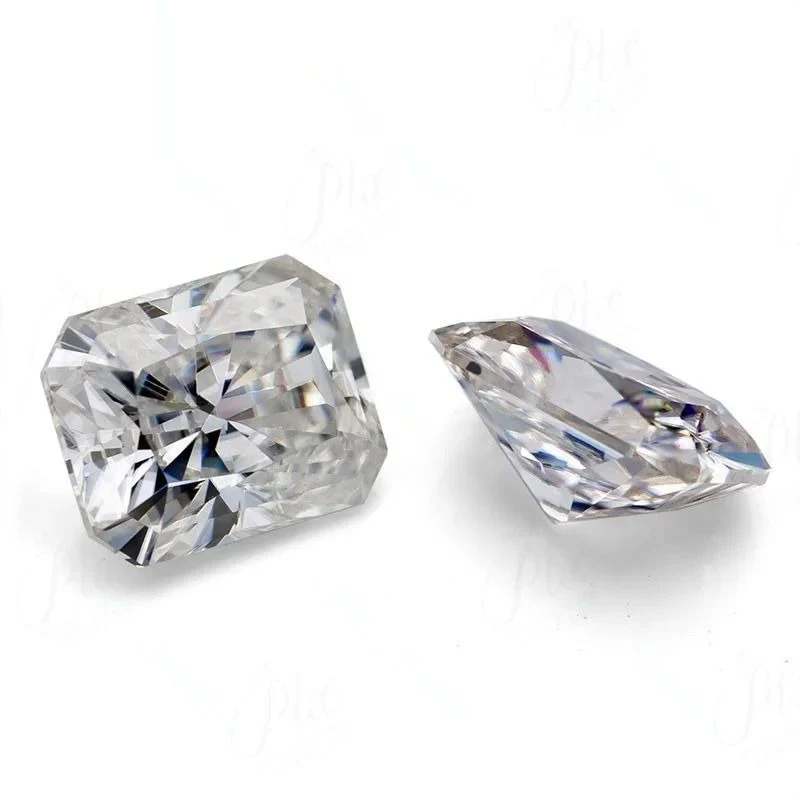
Natural solitaires under 1.5ct for the story. Lab-grown 1.5 to 3ct for the visual size. That is the split.
A printable guide needs a calibration box and width correction. Otherwise returns spike.
Borrow a ring, cut a strip of paper, measure the circumference in millimeters, and convert to a size chart. Three covert methods that work before a surprise proposal.
A jewelry policy is not a generic homeowner's add-on. Here is the coverage language wholesale and retail buyers should demand before insuring high-value pieces.
Measuring at home is easy; measuring accurately is where almost everyone slips.
A ring measured perfectly at noon can pinch by evening. Finger size is not a fixed number, and buyers keep getting this wrong.
Gym, hiking, gardening and hands-on work: which engagement ring styles actually survive an active lifestyle, and which settings and metals to avoid.
Which engagement ring metal is safest for sensitive skin and a nickel allergy? We compare platinum, 18ct gold, titanium and cobalt on nickel release and daily wear.
Buying an engagement ring online? Run this ten-point checklist first: certificates, ring sizing, returns, settings, metals, real photos and the small print most people scroll past before they pay.
Carat weight tells you what the stone weighs, not how big it looks on her finger. Two 1-carat stones can read as a full size apart on the hand.

Engagement ring prices are more flexible than most buyers expect, but negotiating well depends on knowing where the margin actually is.
Borrow an existing ring, cut a strip of paper, and convert millimeters to a ring size chart. Methods that work before the surprise proposal.
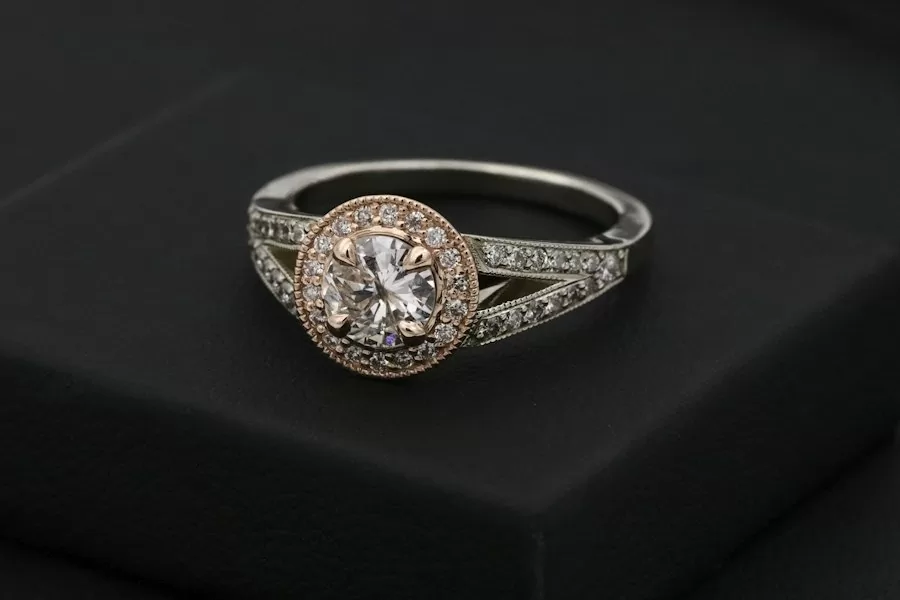
Bezel settings wrap metal around the stone for protection; prong settings lift it up for sparkle. Here is how to choose based on how you actually live.
The right jeweller welcomes tough questions. Bring this list to your appointment.
Carat weight is a number on a certificate. The face-up millimeter measurement is what you see on the finger. Here is how 1ct and 2ct compare.
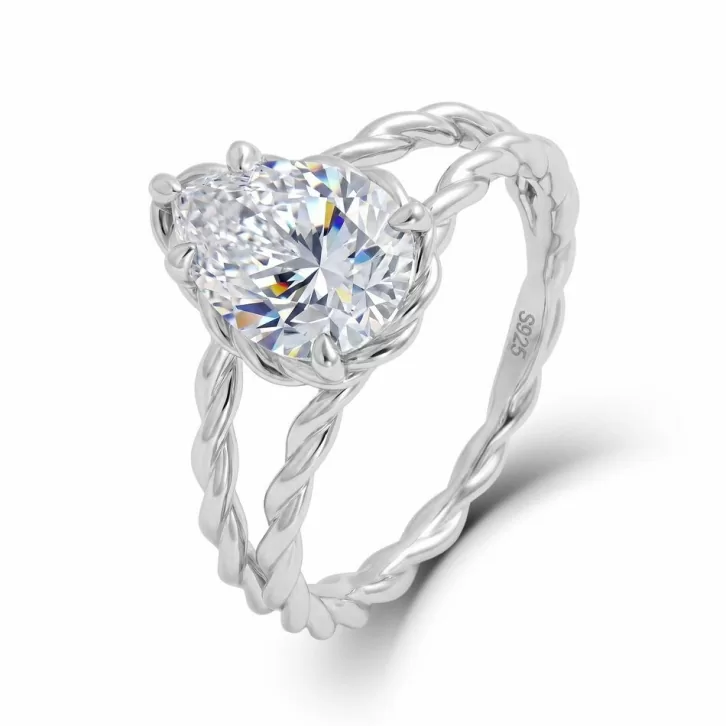
Lab-grown pricing looks like a discount, but it follows its own supply-and-demand curve.
Overpaying for the wrong cut, ignoring eye cleanliness, and buying a certificate without seeing the stone are three mistakes that cost buyers thousands. Learn how to sidestep them.
Gold color is an alloy choice, not a quality difference. Here is how the three colors are made, who they suit and what maintenance each needs.
Prices for the same diamond swing wildly between retailers. Here is what each budget band realistically buys on the UK high street and online.
A ring warranty is rarely an insurance policy. Knowing the difference between free servicing, paid repairs and accidental loss cover stops you from assuming more than you have.
Ring shape can balance, lengthen or widen your features just like a haircut. Here is a plain-English guide to matching stone shape to face shape.
Some birthstones are ring-hard. Others scratch the first month you wear them. Here is the durability breakdown by month.
A halo adds a ring of small diamonds around the centre, which boosts both visual size and sparkle, but it also changes how the ring wears and ages.
The halo setting surrounds the center stone with a ring of smaller diamonds to boost size and sparkle. It is one of the most popular modern engagement ring styles, but it is not for everyone.
Prong count changes how a diamond looks and how well it stays put. Four and six prongs each have real trade-offs in security, sparkle, and stone coverage.
A diamond bought on holiday can be a bargain — or a customs bill. Here is how EU jewellery buying works for UK residents.
A no-kit method for measuring ring size at home, plus timing tips, knuckle rules and when to size up for wider bands.
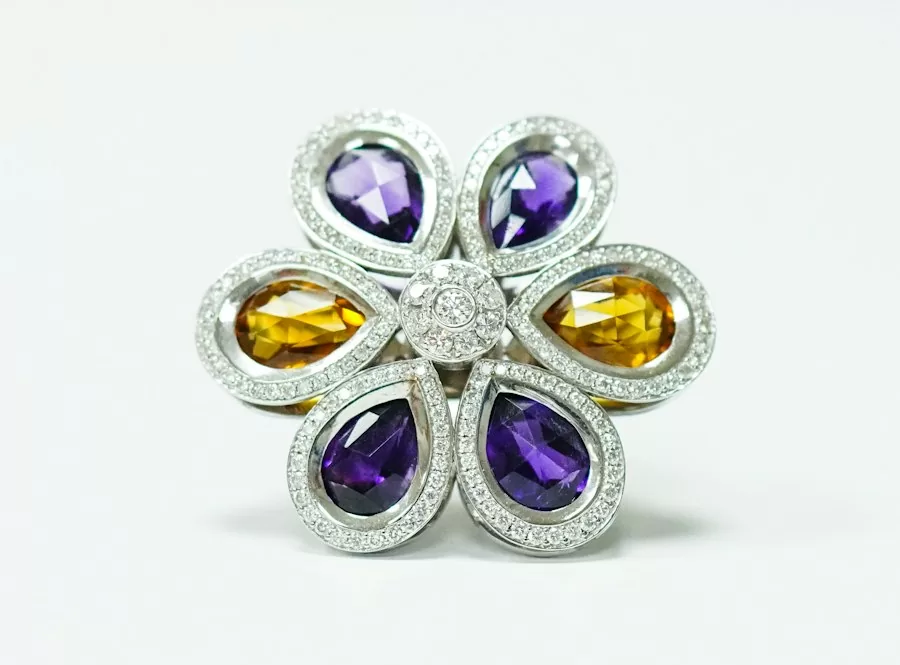
Upgrading an engagement ring can mean a new center stone, a fresh setting, or restyling the one you love. Here are your real options and what each costs.
Online moissanite retailers offer serious savings, but the stones look very different on a screen than on a finger. This checklist keeps you from ending up with a yellowed, poorly cut surprise.
Should you buy the diamond separately and set it yourself, or choose a ready-made ring? Here is the trade-off in cost and control.
A halo adds sparkle and visual size; a solitaire keeps all the attention on the centre stone. Here is how to weigh the two.
Online engagement ring buying is not riskier than in-store if you follow five steps: budget, stone, report, size, approval. Here is the process end to end.
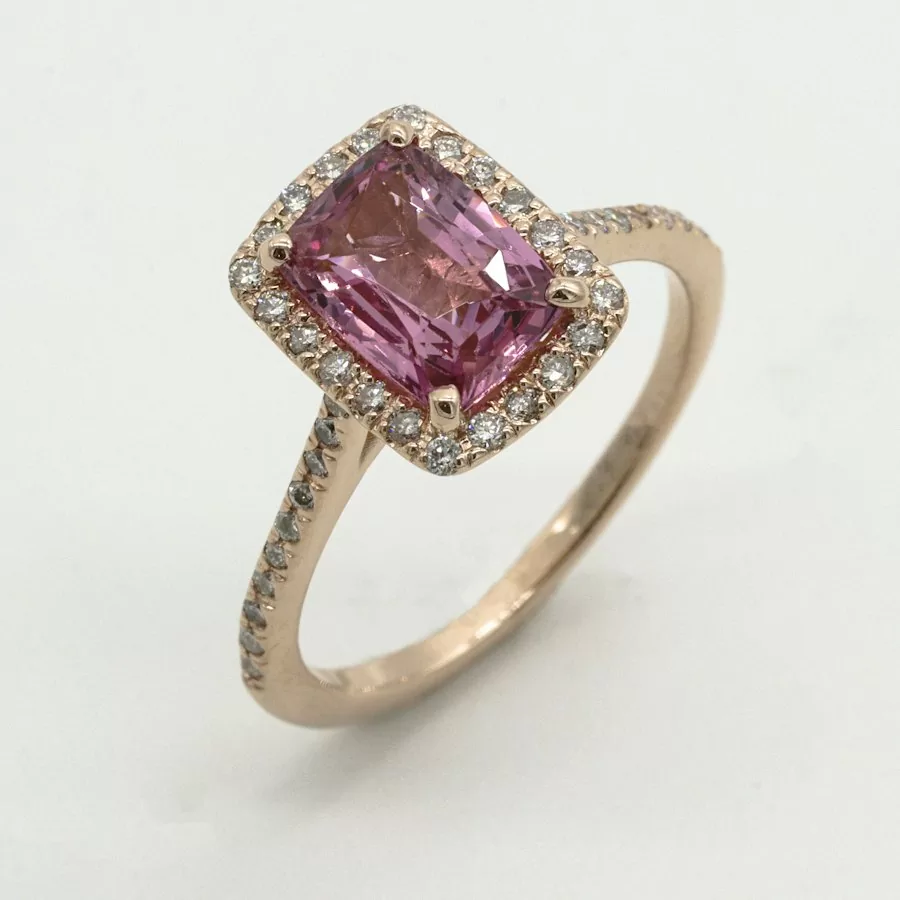
A bezel wraps the stone in metal rather than gripping it with prongs, which makes it one of the most secure settings for everyday wear.
The engagement ring industry is built on folklore. We separate the ten most expensive myths from the gemology and economics that actually matter.
A custom ring takes more time and communication than picking from a case, but the process is more predictable than most buyers expect.
Conflict-free is a starting point, not a guarantee. Here is how to dig into a diamond's sourcing before you spend the money.
A solitaire on a home contents policy is usually under-insured. Here is what specialist jewellery insurance costs and when to buy it.
The return policy is your safety net. Here is the five-point checklist to check before you pay the deposit.
The number and shape of prongs changes how a stone catches light and how safely it sits on your finger. Pick the setting as carefully as the stone.
The solitaire is the classic engagement ring because it shows off a single center stone without distraction. Yet within that simple definition there are more variations than most buyers expect.
Most shoppers never ask, but there is often more flexibility than you think. Here is a polite, realistic approach.
A five-part budget framework that separates the stone, the setting, the metal choice and the insurance you actually need.
Most reputable jewellers have room on setting, mounting, and service packages. The stone itself moves less, but the overall bill has wiggle room.
An antique ring can be utterly unique, but its condition, stones and sizing flexibility need checking before you commit.
Online diamond sellers can save you 25%, but only if you verify the certificate and know the returns rules. Here is the safe process.
The price tag on a ring is rarely the final cost once you factor in insurance, resizing, appraisals, future maintenance and the occasional repair.
The average UK engagement ring price keeps drifting upward, yet the number itself is misleading because it mixes a GBP 800 silver-set CZ ring with a GBP 15,000 solitaire. This guide breaks the market into the tiers British shoppers actually live in - under GBP 1,000, GBP 1,000 to GBP 2,500, GBP 2,500 to GBP 5,000, GBP 5,000 to GBP 10,000, and above that - and tells you what kind of stone and setting each tier realistically buys. It also explains the three-month-salary myth and why it never made sense in Britain.
Both options cost far less than mined diamonds, but they are not the same material. Here is how to decide which one fits your ring.
The ticket price is only the start. Insurance, upkeep, and one-off services quietly add to the true cost of an engagement ring.
A GBP 3,000 ring can look like GBP 3,000 or like GBP 1,500 depending entirely on how the money is divided between the stone, the setting and the metal. Most first-time buyers put almost everything into carat weight and end up with a muddy stone in a thin band. This guide shows you a sensible way to split the budget, which part you should never under-spend on, and where cutting a corner actually saves you money without anyone noticing.
The choice most UK buyers face is not which jeweller is best, but whether to buy online, on the high street, or through an independent workshop. Each route has genuine advantages and a different set of traps. This guide compares the three on price, selection, trust, after-sales, returns and the risk of buying blind. It tells you when a high-street shop is worth the markup, when an online retailer is the smarter move, and what questions to ask before you hand over a deposit to anyone.
A moissanite looks perfect in a photo and disappointing in a tray. Before you commit, run through this ten-point inspection with the stone in your hand.

Shopping together kills the surprise? Not always. We compare the two routes and show how to keep the proposal romantic while getting the ring right.
Rings go missing on trips more than at home. Here is the practical packing and security advice for travelling with fine jewellery.
There is no single correct month to get engaged, yet plenty of couples freeze up because they think the timing is wrong. This guide looks at the real signals UK couples use - shared finances, job security, how you handle arguments, and whether you actually want the same future - instead of the old anniversary rule. It also covers the seasons that suit a proposal in Britain, how to avoid proposing when life is in chaos, and the honest reason pressure from family rarely matters.
A secondhand solitaire can be the sharpest money in jewelry — if you verify the stone against its lab report before you pay.
Wrong ring size is the most common post-proposal fix. Here is how to measure her finger without spoiling the surprise, and what to do if you get it wrong.
Carat weight is not face-up size. See how finger width, band width and shape change how big a diamond really looks on the hand.
A diamond report is an independent measurement, not a quality endorsement. Understanding that line is the key to deciding whether paying for certification is worth it for you.
Left hand, third finger? In the UK and most of Europe it is, but the customs differ across countries and the old vein theory is not the reason.
The three most common engagement ring settings, what they look like, and how they affect the way the ring wears.
A realistic UK budget framework: what a solitaire actually costs at different price points, and where the money goes.
UK alphabetical sizes, EU numerical sizes and the inside-diameter millimetres you need when ordering online from Europe.
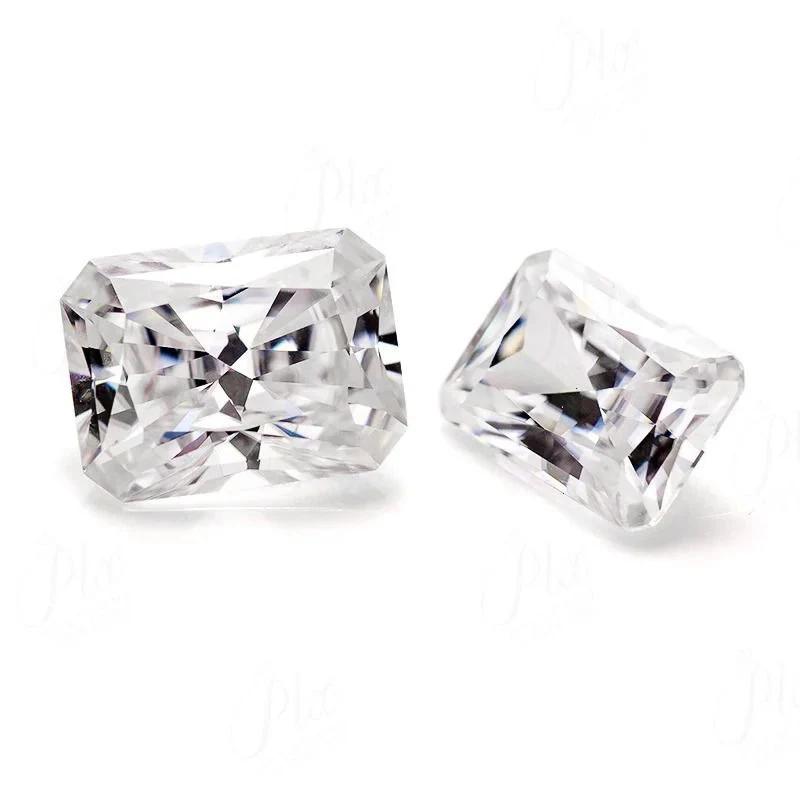
A plain-English, UK-focused walkthrough of choosing an engagement ring: budget, shape, setting, metal and the questions to ask before you pay a deposit.
MOQ starts at 5 pieces per ready-stock style; OEM/ODM custom rings follow a quoted minimum order set in the order agreement.
Ready-stock orders are prepared within 2–5 business days after confirmation. Custom, OEM and ODM projects follow a quoted lead time of 15–30 days, depending on design, metal, stone availability and order size.
Pricing is quoted per piece or per carat according to stone, metal weight, setting and finish. After you send styles, stone and quantity, our sales team returns a written price list and price range for the proposed order.
We accept T/T bank transfer, PayPal and Western Union. Custom and OEM/ODM orders require an agreed 30% deposit, with the balance paid before shipment; bulk and private-label payment terms are confirmed in the order agreement.
We keep our wholesale MOQ low, but the exact minimum is quoted on request rather than fixed on this page. Ready-stock styles can usually be ordered in small mixed batches across categories; OEM, ODM, private-label and custom packaging runs carry their own minimums depending on tooling, branding and quantity. After you send your selected styles or categories and estimated quantities, our sales team confirms the MOQ, mixed-batch options and unit price in a written quotation. Any fixed number quoted on a proposal applies to that specific order only.
Ready-stock orders are picked, inspected and packed within 2–5 business days after confirmation, subject to availability. Custom, OEM and ODM orders follow a longer quoted schedule because the project includes consultation, 3D modeling, prototype approval, production and final inspection. The total lead time depends on design complexity, metal, stone availability, setting type and order size; we state the expected production window in your quotation after reviewing the brief. No fixed production day count is promised publicly because each project differs, and sample approval always precedes bulk production.
Yes. Sample-first cooperation is standard for custom, OEM and ODM projects. For ready-stock wholesale, buyers may order a small sample batch to check quality, finish and packaging before committing to a larger order. A sample or prototype cost may apply to custom designs; that cost and whether it is credited toward a later bulk order are stated in the quotation. We recommend approving the physical sample or prototype before production begins, because changes made after approval can affect cost and lead time.