A retailer bought 240 pieces of a single hoop earring for a spring drop. The style sold out in five weeks and could not be replenished before the campaign ended. The same buy carried 90 pieces of a slower stud that was still on the shelf at full price in autumn. Total revenue was close to plan; total margin was not.
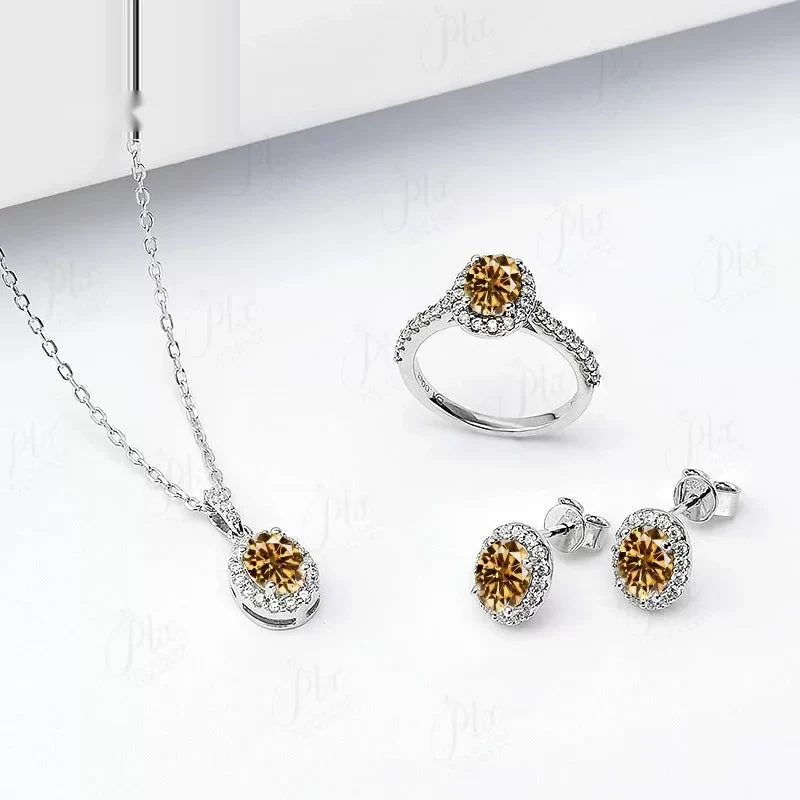
Assortment planning is not a taste exercise. It is a depth and timing exercise, and the math is simple enough to run on a spreadsheet before a purchase order goes out.
Start from units, not from styles
Buyers often start with a style count and then divide the budget. That produces a flat, safe-looking range where every style is too shallow to matter. Start instead from the unit budget and allocate by role.
| Role | Share of units | Share of styles | Depth per style |
|---|---|---|---|
| Traffic drivers | 30% | 15% | Deep, 20-40 pcs |
| Core sellers | 45% | 35% | Medium, 12-20 pcs |
| Test styles | 15% | 35% | Shallow, 6-12 pcs |
| Statement pieces | 10% | 15% | Very shallow, 3-8 pcs |
The percentages are a starting frame, not a rule. What matters is that a style has a declared role before it gets a quantity. A style with no role gets no depth, and a shallow buy of a good style is the most expensive mistake in the table.
Why depth beats breadth at the top
A sell-out teaches you something specific: demand exceeded supply at that price, in that size, in that market. A shallow buy that sells out in twelve pieces teaches you almost nothing, because twelve pieces is noise. Depth is what converts a sale into information.
The seasonal calendar and reorder windows
Jewelry seasons do not start on the calendar date; they start when stock lands and content goes live. Work backwards from the retail peak.
| Peak | Stock must land | PO must be placed | Material constraint |
|---|---|---|---|
| Valentine | Early January | Late November | Silver and plated goods |
| Mother's Day | Mid April | Late February | Silver, some gold |
| Bridal season | March to May | December to February | Certified stones |
| Holiday | Early November | Late August | Gold and gift packaging |
Our standard production windows fit this calendar with little slack: three to five days for stock samples, fifteen to twenty days for bulk under 500 pieces, and roughly twenty days for a custom sample plus twenty-five to thirty days for the following bulk run. A first order placed six weeks before a peak is already late.
Leave one reorder slot open
Plan a second, smaller order at roughly 60 percent through the selling window for the two or three styles that are clearly working. Budget 15 to 20 percent of the buy for that slot and keep the specification unchanged so the reorder does not need a new sample.
The markdown math that decides depth
Depth is safe when the cost of leftover units is smaller than the margin lost by understocking. Run the numbers per style before committing.
If a piece costs 9.00 USD landed and sells at 34.00 USD, the full-price margin is 25.00 USD. If 20 percent of the buy ends in markdown at 22.00 USD, the margin on those units falls to 13.00 USD. A 30 percent shortfall on a sold-out style, by contrast, removes 25.00 USD of margin per missing unit entirely.
- Deep buys make sense when the markdown recovery is above 60 percent of cost
- Shallow buys make sense when the style is visually distinctive and hard to repeat
- Never buy deep on a style you cannot reorder, because you cannot correct a miss
Colourways and sizes as depth multipliers
Two colourways at half the depth each behaves differently from one colourway at full depth. Splitting depth across variants lowers the chance of a complete sell-out but raises the chance of a broken size run. For silver fashion jewelry, keep depth in one colourway and treat the second colourway as a test.
Build the assortment on a shared component base
The cheapest way to widen a range without adding tooling is to reuse components. One casting can support three finishes; one setting can carry two stone sizes; one chain can support four pendant heads.
When you structure a buy this way, the tooling cost is paid once and the range looks broader than the SKU count suggests. Ask your supplier which of your styles share a master model, and design the next season around that base.
The risk of too much sharing
Shared components can make a range look repetitive at retail. Keep one or two styles per season that break the pattern, and place them where the customer sees a difference rather than where the catalogue counts a difference.
Cash cycle: the part the buy sheet ignores
The unit economics of a seasonal buy usually look fine and the cash cycle still breaks the plan. Jewelry is paid for weeks before it sells, and the gap between the deposit and the first full-price sale is the real constraint on depth.
Model it as a timeline rather than a margin. A 30 percent deposit leaves with the PO, the balance leaves before shipment, freight and duty land at import, and the first full-price sale arrives after the stock is merchandised and photographed. On a silver buy that is roughly three months of exposure; on a certified stone buy it is longer.
Three ways to shorten the exposure
- Split the buy into two shipments so the second half is paid for with revenue from the first
- Place the deposit early against a production slot and negotiate a later balance date
- Keep a reorder slot rather than funding full depth in the first shipment
The first option is the most effective and the least used. Two shipments of 120 pieces each usually cost slightly more in freight and buy a month of cash headroom, which is worth more than the freight difference when a style underperforms.
Depth is a financing decision
A 40-piece depth on a 9.00 USD cost piece ties 360 USD for a season. Across 25 styles that is 9,000 USD of working capital sitting in inventory before a single sale. Decide depth against the cash you can leave in stock for a full season, not against the margin per unit in isolation.
Retailers with a small open-to-buy often buy wider and shallower, then spend the season explaining why nothing is available in the size the customer wants. A narrower, deeper buy with one reorder slot usually produces a better full-price sell-through, because the styles that work can be repeated while they still have selling time.
Replenishment discipline
Reordering is where seasonal plans quietly fail. Three rules keep it honest.
- Reorders keep the original specification, including stone grade and plating thickness
- A reorder placed after the peak is a markdown buy, not a replenishment, and should be priced accordingly
- Never reorder a style you have not sold through at least 60 percent, because you are funding a guess twice
Ask the supplier for the production slot before confirming the reorder. A promise of fifteen to twenty days is only meaningful if the slot exists when the order lands.
What our terms look like for seasonal buys
We run a 50-piece minimum per design for first orders, negotiable when the buy mixes styles. Volume steps at 200 and 500 pieces apply per design, so a seasonal buy structured around a shared component base usually reaches the second step without a large single-style commitment.
Samples ship in three to five days when the style is in stock, and bulk runs in fifteen to twenty days under 500 pieces. Payment is a 30 percent deposit with the balance before shipment, by T/T, PayPal or Western Union, which keeps the cash cycle short enough to fund a reorder slot.
Frequently Asked Questions
Should I buy the same styles across two seasons?
Yes for core sellers, with a refreshed finish or stone. Carrying a proven style forward protects the sell-through rate, and changing it every season means paying tooling for a new guess.
How do I plan for a market I have not sold into before?
Halve the depth and double the style count for the first buy, then use the first season's sell-through to set depth for the second. The cost of a shallow first buy is lower than the cost of a deep wrong bet.
Is it better to reorder or to substitute a similar style?
Reorder when the specification is unchanged and the slot is available. Substitute only when the original cannot be repeated, because a substitute resets the demand signal you just paid to obtain.
What packaging lead time should I plan for?
Add one to two weeks for branded boxes and printed inserts, and confirm the packaging arrives at the factory before the jewelry does. Packaging that lands after the goods delays the shipment, not the production.
Next step
Send a unit budget and a season date. We will return a style split with depth per role, the production window that fits your peak, and a shared-component plan that keeps tooling down. Start with our sourcing team or read the guide index for specification detail.


