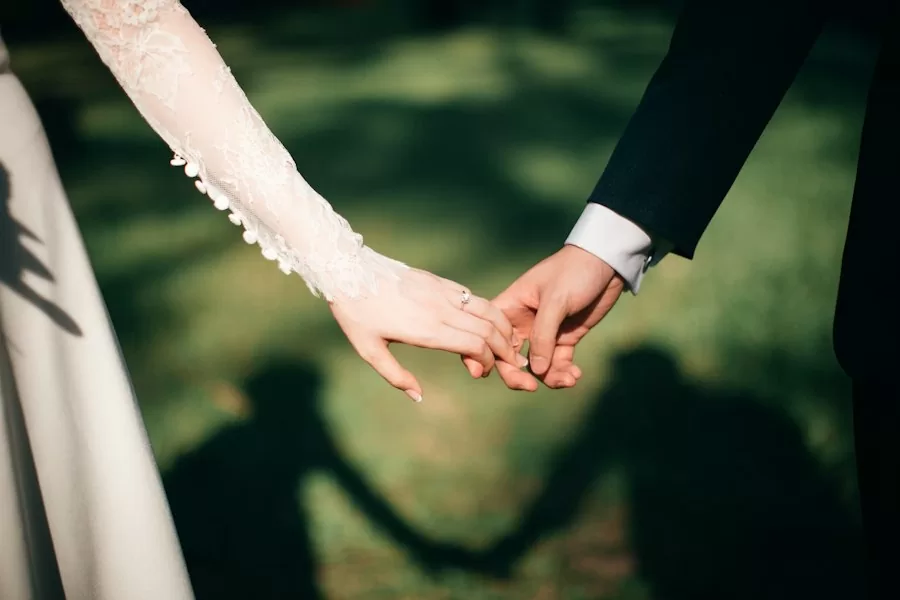
One of the first decisions a couple faces is not about the diamond itself, but about who is in the room when it is chosen. Should you walk into the jeweller together, or should the proposer guess the style, size and metal? There is no single right answer, but there is a clearly wrong process: guessing everything and hoping.
The Case for Keeping It a Surprise
The traditional route still wins on romance. A planned proposal catches the other person off guard in the best way, and the ring itself becomes part of the theatre. For this to work, the proposer needs reconnaissance: her current jewellery, her Pinterest boards, her friends' opinions, and a ring size borrowed from a ring she already owns. It is doable, but it is detective work. Budget for a resizing visit, because size is the variable most often wrong.
The Case for Shopping Together
More couples now shop together. The proposal then happens after the ring is chosen, often in a completely different moment. The advantages are concrete: the ring fits on the first try, the metal matches her skin tone and wardrobe, and the budget is negotiated by both people rather than guessed. It also sidesteps the heartbreak of spending thousands on a setting she dislikes. Roughly a third of engagement rings are resized within a year; shopping together largely eliminates that.
The Middle Path: Joint Browsing, Private Proposal
Most modern couples land somewhere in between. You browse settings, shapes and price ranges together, narrow down two or three favourites, and then one partner secretly completes the purchase from that shortlist. The proposal remains a surprise, but the ring is no longer a lottery. This is the route we recommend most often.
What to Agree on Before You Browse
Treat the trip like a consultation, not a purchase. Agree in advance on: the total budget, the general shape (round, oval, emerald, cushion), the metal (yellow gold, white gold, platinum), and whether you want a certified natural or lab-grown diamond. Walking in without these four anchors means you will either leave with nothing or overspend on emotion. If budget is the sticking point, our guide to engagement ring budget gives a neutral framework.
Questions Every Couple Should Answer in the Shop
- Does she wear warm or cool tones? Yellow gold flatters warm skin; platinum and white gold suit cooler tones.
- How active is her lifestyle? A high-profile six-prong setting catches on more than a bezel or flush setting.
- Will the ring sit next to a wedding band? Stack height and fitted bands matter, which we cover in our stack height and fitted band guide.
- Is the ring insured from day one? Add it to your contents policy the same week.
What If You Want a Complete Surprise?
If you are set on hiding everything, borrow a ring from her jewellery box in the right size finger and take it to the jeweller. Ask her best friend or sister what she has been mentioning. Choose a setting that is resizable, and avoid eternity bands with stones all the way around, because they are hard to size. Leave the receipt, the grading report and a flexible return policy in your drawer, not in hers.
The Proposal Itself
Whether you shopped together or alone, the proposal should be planned. Pick a location that matters to both of you, keep it private rather than staged in front of strangers, and have someone nearby to photograph the moment. The ring is the symbol; the moment is the memory.
What to Bring on the Day
If you are shopping together, bring her current jewellery box rather than guessing at taste. Note which metals she already wears, whether her rings are slim or bold, and whether her earrings lean modern or classic. Bring a measuring tape if you already know her ring size, and bring a trusted friend whose opinion she values. Do not bring everyone. Too many voices turns a romantic decision into a committee vote.
Online vs In-Store When You Shop Together
Many couples now touch and try on rings in a high street shop, then compare prices online before buying. That is a sensible modern route. Just make sure the online seller offers the same certificate, an inspectable 360-degree video, and a return window long enough to wear the ring for a few days. Our online engagement ring checklist lists every box to tick.
Bottom Line
Shopping together does not kill romance. It kills resizing bills, ill-fitting stones and quiet disappointment. If you can agree on budget, shape and metal before you walk in, the proposal stays a surprise while the ring finally fits on the first try.
The Gemological Institute of America’s gem encyclopedia is an authoritative, widely cited reference on moissanite and diamond quality factors.
Related Reading
- HPHT vs CVD Lab-Grown Diamonds: The Basics Buyers Ask
- When Your Ring Size Changes: Day to Day, Season to Season
- How Lab-Grown Diamonds Are Priced
Frequently Asked Questions
What ring sizes can you supply in bulk?
US sizes 5–12 including half sizes. Send a size breakdown with your order and we cast to that curve; comfort-fit inner bands reduce resize requests.
Can I order a mixed size run instead of one size?
Yes. Mixed runs are standard for wholesale: specify quantity per size and we pack and label by size at no extra labor cost.
What is the MOQ for custom ring designs?
50 pieces per design for existing molds; 100–300 pieces when a new mold or CAD model is required.
How should I price rings for retail margin?
Most partners use a 3–4x markup on FOB cost for sterling and 2.5–3x for moissanite solos, which keeps landed cost under 30% of retail.


