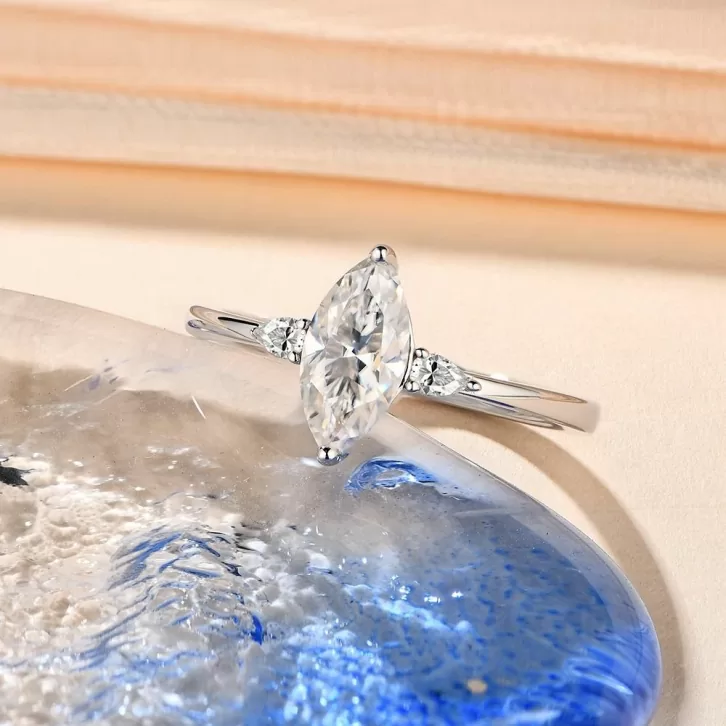
Couples plan intensely for the ring's purchase price and then get a small shock a year later, when the first bill for keeping that ring safe and clean arrives. The sticker number is not the whole cost. A handful of recurring and occasional expenses sit quietly behind it, and budgeting for them from day one saves awkward surprises.
Insurance: the biggest annual line
Once the ring is worn daily, it is exposed to loss, theft, and accidental damage. A specialist jewellery policy — or a scheduled item on your home insurance — costs roughly one to two percent of the ring's value per year. A £5,000 ring therefore costs around £50–£100 annually. Skip it, and a lost stone means replacing the whole thing out of pocket. Our engagement ring insurance cost guide lays out the options, and what to do when a stone is lost shows why cover matters.
Insurance valuation
To insure the ring you need a professional valuation, usually issued by the jeweller or an independent valuer. This one-off cost is often £50–£150 depending on the ring. It is also the document you will need for probate if the ring is ever part of an estate, as our appraisal and probate guide explains. Keep the valuation in a safe place, not in the same drawer as the ring.
Resizing
Ring sizes change over time with weather, weight, and hand. A resize early on — before the proposal if you can get the size right — costs £30–£80. Repeated resizing weakens a band, and full eternity rings often cannot be resized at all. Getting the size right the first time, using how to choose your ring size, avoids a recurring fee.
Rhodium plating
White gold is naturally slightly yellow; it is coated in rhodium to look bright white. That coating wears off over one to two years, and re-plating costs around £30–£60 each time. It is not optional if you want the white tone to stay. Platinum never needs rhodium, which is one reason its higher upfront price can be cheaper over the long run — see platinum vs white gold.
Prong inspection and tightening
Over a year of daily wear, prongs bend and wear down. A jeweller will inspect and tighten them for a small charge or often for free as a courtesy. Ignoring this is how stones go missing; the habit is covered in checking prongs at home.
Ultrasonic and steam cleaning
Most jewellers clean a ring bought from them free for life. If you bought online, occasional professional cleaning runs £15–£30 a time. At home, you can manage most of this yourself — see home ultrasonic cleaning — but some stones and settings prefer gentle hand washing covered in how often to clean your ring.
Wedding band and aftercare
Do not forget the matching wedding band itself. Couples budgeting only for the engagement ring are often caught out by the band cost, which we break down in wedding ring metal. Factor in also the engraving, a small but genuine add-on.
A simple maintenance schedule
Once you know the recurring costs, a routine keeps them predictable. Every month, wash the ring in warm soapy water and dry it gently. Twice a year, glance at the prongs under a strong light — see home prong checks — and book a jeweller's inspection if anything wiggles. Every one to two years, send the white gold piece for rhodium plating. Every year, update the insurance valuation if the ring has changed (a new wedding band added, a resize, a repair). Spread this across the calendar and the costs feel small rather than sudden.
Do not forget the band fitting either. If the engagement ring and wedding band do not sit flush, a jeweller may charge to shape one, which is part of the stack-height conversation covered in fitted band sizing. Budgeting for the whole stack — ring, band, and the small tweaks to make them sit together — prevents the most common surprise in the final weeks before a wedding.
These running costs are small compared with the ring itself, but they are easy to forget when you are saving for the purchase price. Building them into the original budget — even as a rough buffer — means the ring never becomes a recurring surprise. Treat the first year's valuation and first insurance premium as part of the total cost of ownership, not as an afterthought.
Putting a number on it
As a rough annual estimate, budget about two to three percent of the ring's purchase price for insurance plus upkeep. On a £4,000 ring, that is £100–£150 a year. Add the one-off valuation in year one, and you have a realistic total cost of ownership. Plan for it now, and the ring stays sparkling and protected without ever feeling like a surprise bill.
Rhodium plating, which gives white gold jewellery its bright finish, is covered in the Wikipedia article on rhodium.
Related Reading
- HPHT vs CVD Lab-Grown Diamonds: The Basics Buyers Ask
- When Your Ring Size Changes: Day to Day, Season to Season
- How Lab-Grown Diamonds Are Priced
Frequently Asked Questions
What ring sizes can you supply in bulk?
US sizes 5–12 including half sizes. Send a size breakdown with your order and we cast to that curve; comfort-fit inner bands reduce resize requests.
Can I order a mixed size run instead of one size?
Yes. Mixed runs are standard for wholesale: specify quantity per size and we pack and label by size at no extra labor cost.
What is the MOQ for custom ring designs?
50 pieces per design for existing molds; 100–300 pieces when a new mold or CAD model is required.
How should I price rings for retail margin?
Most partners use a 3–4x markup on FOB cost for sterling and 2.5–3x for moissanite solos, which keeps landed cost under 30% of retail.


