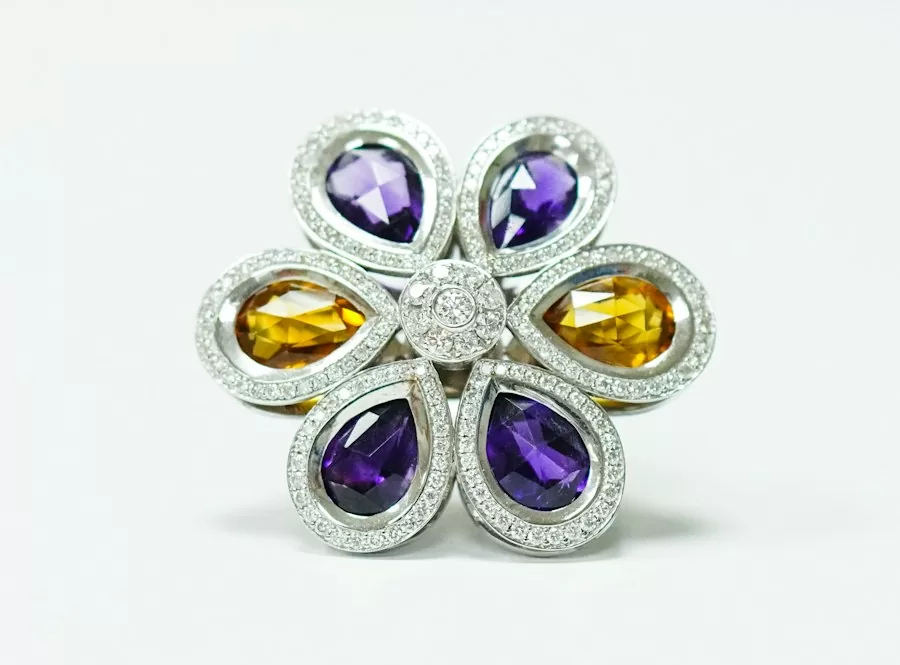
Many people who said yes to a ring a decade ago now want a different one. That is normal. Tastes change, budgets grow, anniversaries arrive, and a ring that felt perfect at 25 can feel small at 35. The good news is that upgrading does not have to mean starting from scratch. You have several paths, and each has a different cost and emotional trade-off.
Option 1: Keep the stone, change the setting
The most common upgrade is a reset. You take the existing center diamond out of its current mounting and set it into a new band—a halo to make it look larger, a bezel for a modern look, or a pavé band for extra sparkle. Because you reuse the center stone, the cost is mostly the new mounting and labor. It is also the option that preserves the sentimental weight of the original ring. Our look at loose vs preset rings explains why the setting choice matters as much as the stone.
Option 2: Keep the setting, upgrade the stone
The reverse works too. If the band and setting are ones you love, you can buy a larger or better-graded center diamond and drop it into the existing head. This is a popular anniversary gift approach: the ring feels familiar, but the center stone now reflects where you are. Because the new stone must fit the existing basket and prongs, sizing it precisely matters—a jeweller will measure the old stone and match the new one to the seat.
Option 3: Add to what you have
You do not always need to replace. Adding a halo of small diamonds around the center instantly increases apparent size and sparkle. Swapping a plain band for a pavé version, or introducing side stones, changes the look without removing the original diamond. Stacking a shaped wedding band or an anniversary band is another low-cost way to refresh the whole stack—see our eternity band guide.
What happens to the old diamond or metal?
If you replace the center stone outright, you have choices: keep the old stone as a pendant or stud earrings (a very sentimental second life), trade it in with the jeweller against the new one, or sell it privately. Bear in mind that resale values are discounted, so trading in rarely recovers what you first paid. The old gold or platinum from the mounting can usually be recycled or credited toward the new setting—ask about metal trade-in when you get a quote. Our guide to pre-owned rings gives a sense of the secondhand market if you ever sell.
Budget and timing
A reset is the cheapest route, a full new center stone the most expensive. Get two or three quotes, and ask whether the jeweller can show you a CAD or wax model of the new design before committing. If you are upgrading for an anniversary, allow six to eight weeks for design and making so the timing works out. Bring the original certificate (per GIA's diamond grading standards) with you—it makes grading and insuring the new combination straightforward.
The emotional note
Upgrading is not about "fixing" the old ring. It is about carrying the stone or the setting that means something into a style that fits your life now. Many couples keep the original mounting as a keepsake, turning the old band into a pendant. Whichever route you pick, the best upgrade is the one that still feels like you—just grown up a little.
Resizing, insurance and paperwork
Two admin details are easy to forget. First, a reset often changes the ring's overall size and weight, so have it re-sized on the spot and re-inspected by the jeweller—a new set of prongs or a new seat should be checked for tightness before you wear it daily. Second, update your jewellery insurance the moment the upgrade is done. A larger stone or extra diamonds changes the insured value, and an under-declared ring is a common reason a claim gets questioned. Keep both the old and new certificates together in your records.
When not to upgrade
Upgrading is not always the right move. If you love your ring and wear it happily, there is nothing to fix—a ring that fits your hand and your life does not need to grow. If budget is tight, remember that adding a halo or a band is far cheaper than replacing the centre stone, and that resale values on old diamonds will not fund much of a new purchase. And if the pull to upgrade is about comparing yourself to others rather than about your own taste, a quiet conversation with your partner usually settles it. The best reason to upgrade is that the ring you have no longer reflects who you are—not that someone else's ring looks bigger.
Related Reading
- HPHT vs CVD Lab-Grown Diamonds: The Basics Buyers Ask
- When Your Ring Size Changes: Day to Day, Season to Season
- How Lab-Grown Diamonds Are Priced
Frequently Asked Questions
What ring sizes can you supply in bulk?
US sizes 5–12 including half sizes. Send a size breakdown with your order and we cast to that curve; comfort-fit inner bands reduce resize requests.
Can I order a mixed size run instead of one size?
Yes. Mixed runs are standard for wholesale: specify quantity per size and we pack and label by size at no extra labor cost.
What is the MOQ for custom ring designs?
50 pieces per design for existing molds; 100–300 pieces when a new mold or CAD model is required.
How should I price rings for retail margin?
Most partners use a 3–4x markup on FOB cost for sterling and 2.5–3x for moissanite solos, which keeps landed cost under 30% of retail.


