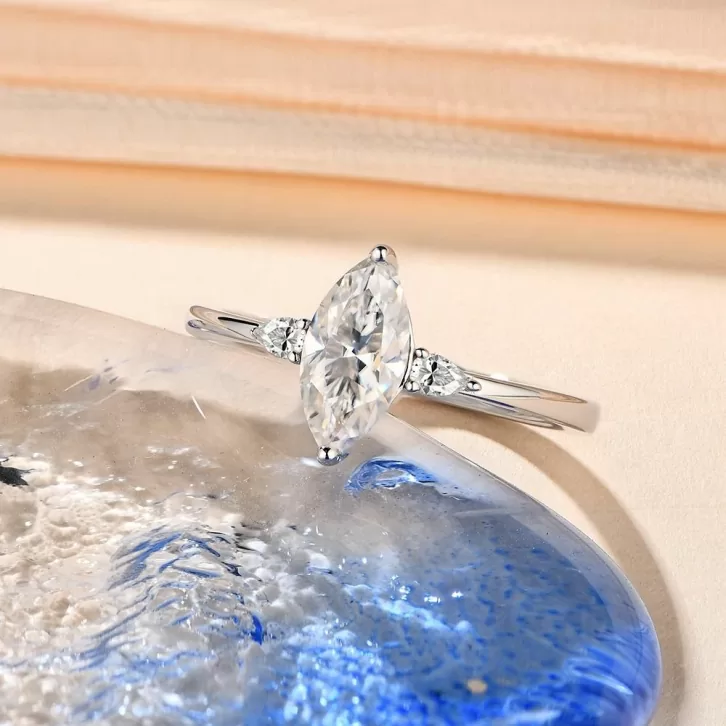
A client likes a ring but cannot decide between yellow, rose and white gold, assuming the colors mean different purities. They do not. All three are made from the same pure gold mixed with different metals. The choice comes down to alloy, skin tone and maintenance. For jewelers, explaining the alloy is what closes the sale.
How each color is made
Pure gold is 24k and too soft for rings, so it is alloyed. Yellow gold mixes gold with copper and silver, keeping the warm yellow tone. Rose gold adds more copper, which produces the pink blush; a typical 14k rose gold uses roughly 58 percent gold with copper. White gold mixes gold with white metals such as nickel, silver or palladium, and is then usually plated with rhodium for a bright, silvery finish. The fineness standard behind the marking is covered by ISO 9202 and the karat definition at Karat on Wikipedia.
Skin tone and style
Cool skin tones with pink or blue undertones pair naturally with white gold and platinum. Warm tones with yellow or olive undertones suit yellow and rose gold. Rose gold is the most forgiving across skin tones because the copper blush flatters both. Style matters too: yellow gold reads classic and vintage; rose gold reads modern and romantic; white gold reads clean and contemporary and sets off a white diamond's color. For pairing with a center stone, see diamond color grades.
Rhodium plating and nickel allergy
White gold needs re-plating with rhodium roughly every 12 to 18 months, as the bright finish wears and a faint gold tone shows through. Yellow and rose gold do not need plating. Nickel is the other consideration: some white gold alloys use nickel, which can trigger contact dermatitis. Buyers with sensitive skin should ask for a palladium-based white gold alloy. The EU nickel restriction is summarized by the chemical agency framework at ECHA.
Durability and resale
All three colors in 14k are similarly durable; the alloy changes color, not hardness. Rose gold's higher copper content makes it slightly harder and more scratch-resistant, which is why it suits active clients. Yellow gold shows scratches more visibly but polishes back easily. On resale, the gold weight determines value, so color does not penalize the melt value. For how bands wear, see wedding band metals, and check platinum vs white gold before a higher-budget choice.
FAQs
Is white gold real gold?
Yes. White gold is gold alloyed with white metals and plated with rhodium. A 14k white gold ring is still 58.3 percent pure gold.
Why does rose gold look pink?
The copper in the alloy gives rose gold its pink blush. More copper produces a deeper rose tone.
How often does white gold need rhodium plating?
About every 12 to 18 months, depending on wear. The plating wears thin and reveals the underlying gold tone.
Which gold color is best for sensitive skin?
Yellow or rose gold avoid nickel. Among white golds, ask for a palladium-based alloy rather than a nickel-based one.
Karat choice for everyday and bridal wear
Once the color is chosen, the karat sets durability and price. 10k gold contains 41.7 percent gold and is the hardest and most scratch-resistant, which suits clients who wear the ring daily with their hands. 14k gold contains 58.3 percent gold and is the standard for bridal rings in the US, balancing durability and richness. 18k gold contains 75 percent gold and reads softer and more valuable, but it scratches more easily and bends under hard knocks.
Plan for the small maintenance costs before the client buys. White gold will need rhodium re-plating every 12 to 18 months, a routine service that should be priced in when selling the ring. Yellow and rose gold need no plating, though rose gold's copper content means it can tarnish very slowly and polish back. If the client has reacted to cheap fashion rings before, ask whether the reaction was to nickel; a palladium-based white gold alloy avoids it, and yellow or rose gold is the safest default. These small questions at the sale prevent a return a year later when the plating wears.
For prong settings that hold a center stone, 14k is the practical choice: strong enough to grip the stone, soft enough to tighten, and reasonably priced. 18k suits clients who want a richer color and are willing to polish more often. 10k is common in lower-priced bridal and in rings for active lifestyles. Whatever the karat, the color should match across the engagement ring and the wedding band; mixing a 14k yellow engagement ring with an 18k white wedding band reads as mismatched even if both are real gold.
HOLYCOME manufactures mounts in 10k, 14k and 18k yellow, rose and white gold, including nickel-free white alloys. Request a color swatch set for your showroom.
Frequently Asked Questions
What gold purities and platings do you offer?
Solid 10K, 14K and 18K, plus gold-filled and vermeil. Plated fashion lines use 1–2 micron PVD over brass or 316L.
How do I avoid mislabeling gold products?
Label by construction: solid, gold-filled, vermeil or plated. Mislabeling plated as vermeil is the most common compliance complaint in this category.
Can you stamp karat marks?
Yes. Every solid-gold and vermeil piece is stamped with karat and maker marks, which supports customs and resale claims.
What is the MOQ for gold lines?
50 pieces per design for stock settings; custom CAD work starts at 100 pieces.


