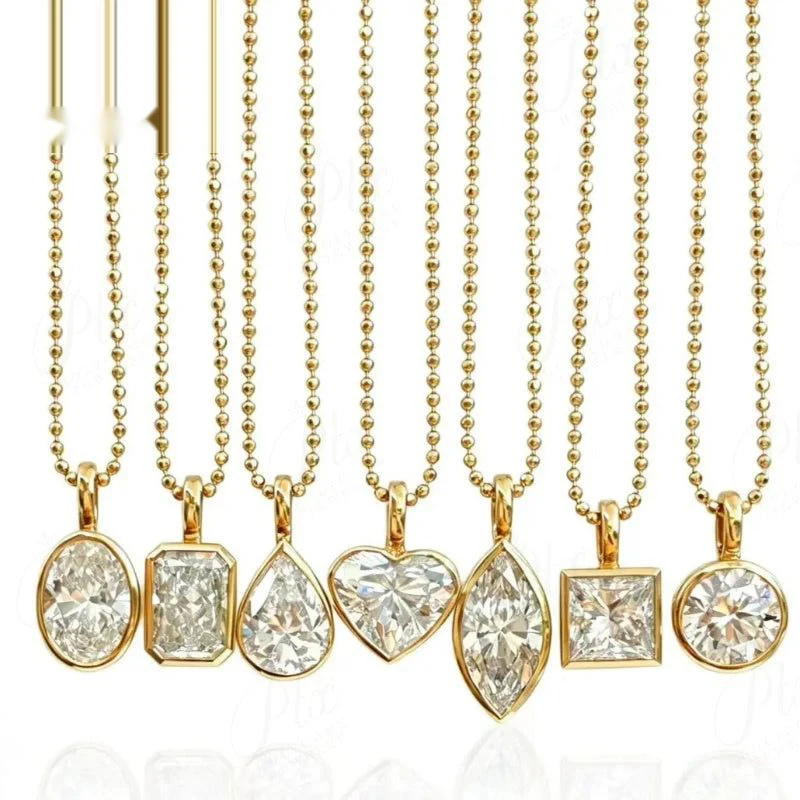
Buying Guides
Buying Guides: tolerances, cost structure and the reject rule for US wholesale buyers.
699 articles in the knowledge base. Filter by topic below.
Buying Guides: tolerances, cost structure and the reject rule for US wholesale buyers.
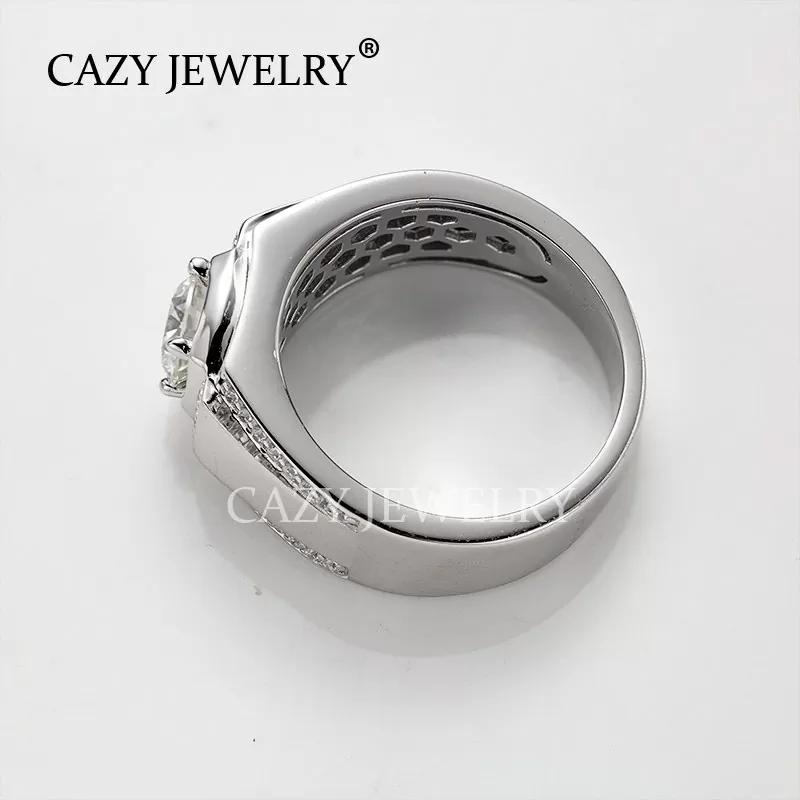
Alternative metal bands sell on durability and price, and they cannot be resized. This guide covers the metals, their finishing limits, the sizing consequence and the supply terms.
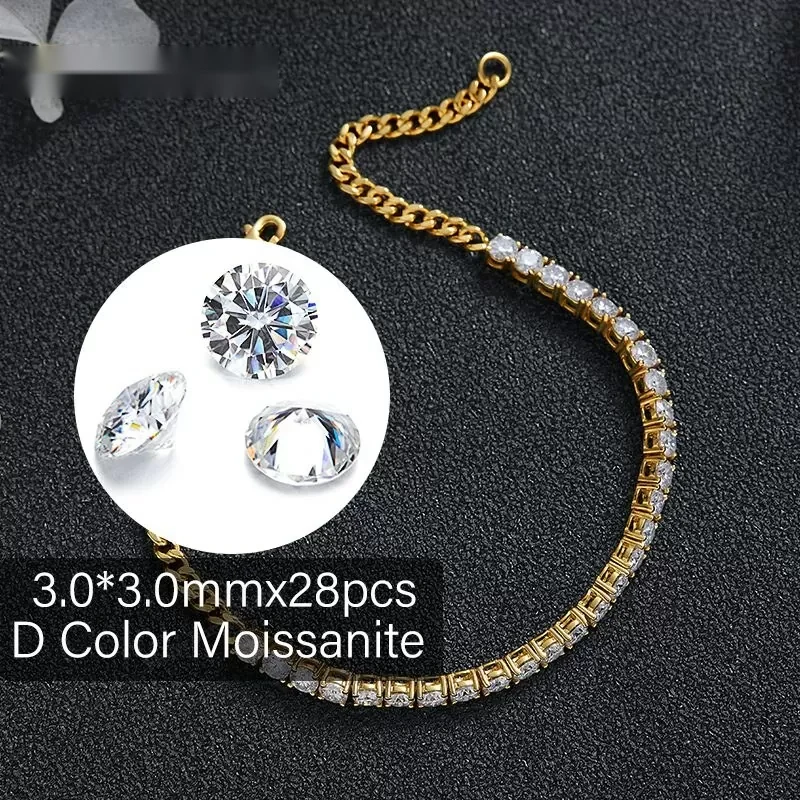
A bridal set sells as a pair or not at all. This guide covers pairing rules, price architecture, display grouping and the attach rate that decides a wedding range's margin.
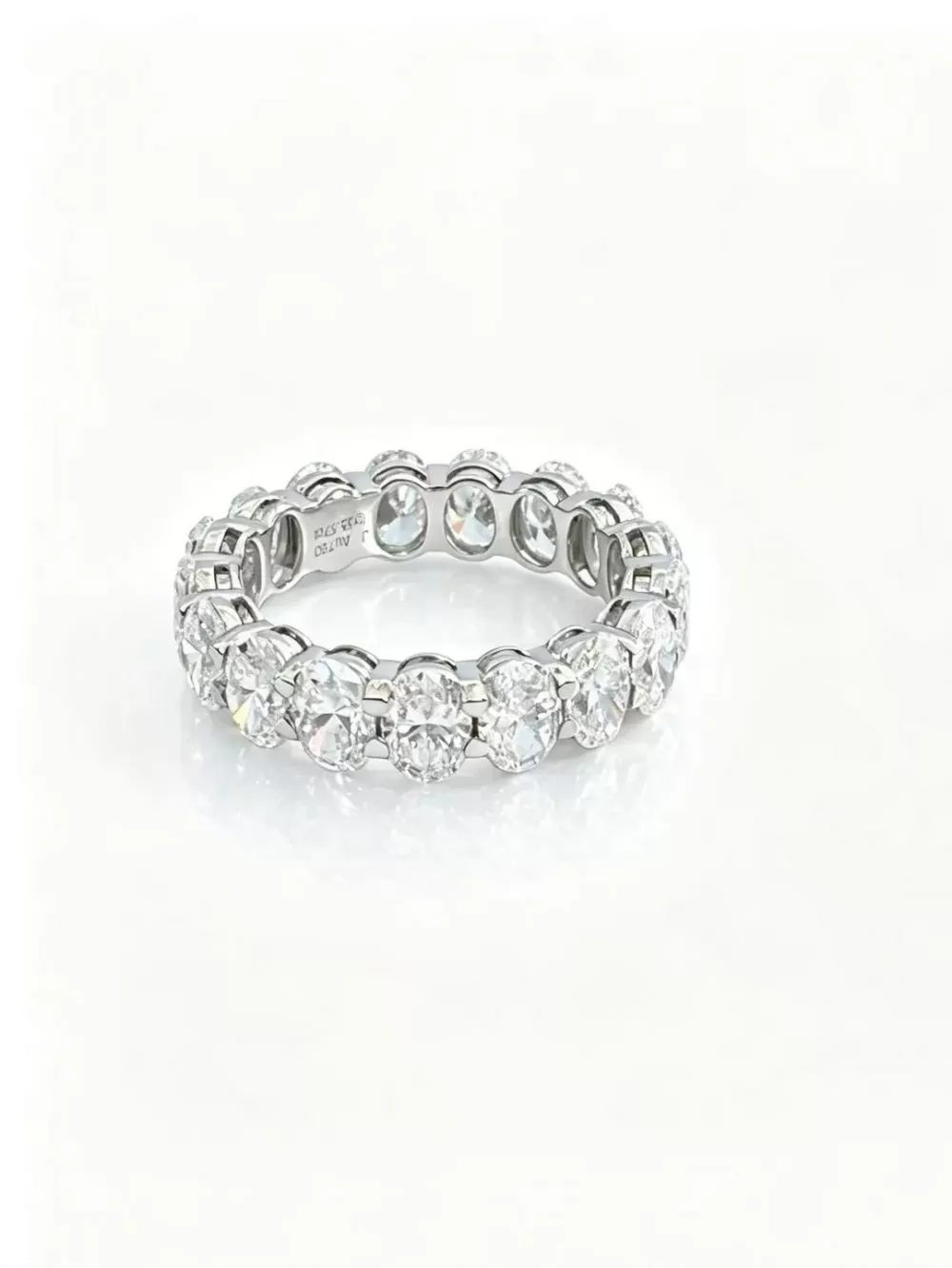
Engraving is the last step and the only one that cannot be undone. This guide covers depth, placement, file preparation and the approval loop for volume orders.
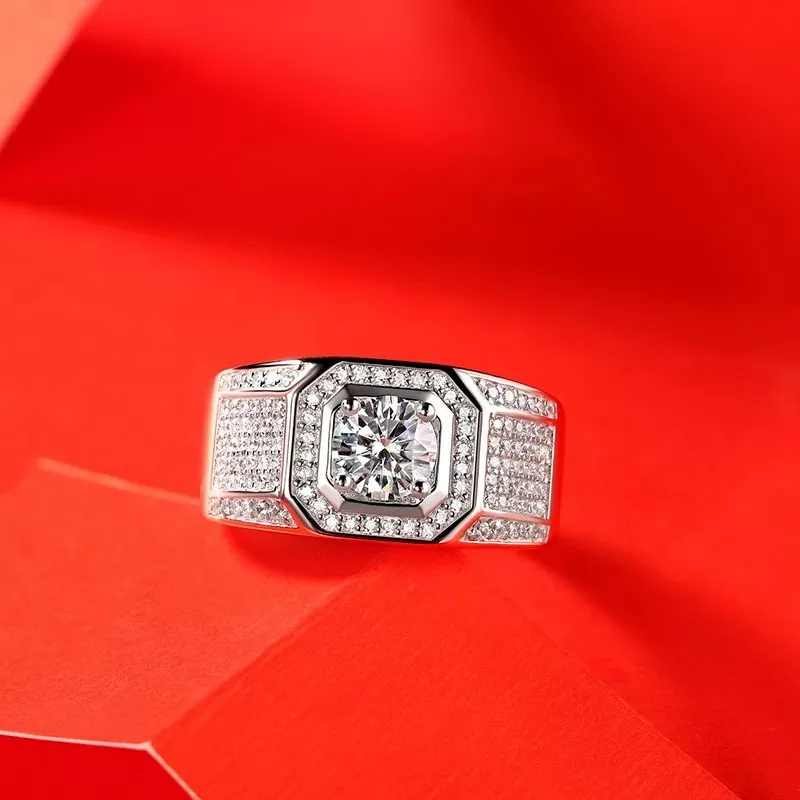
Comfort fit changes the inside profile, the size a customer needs, the metal weight and the price. This guide covers the trade-offs and the sizing rule that avoids exchanges.
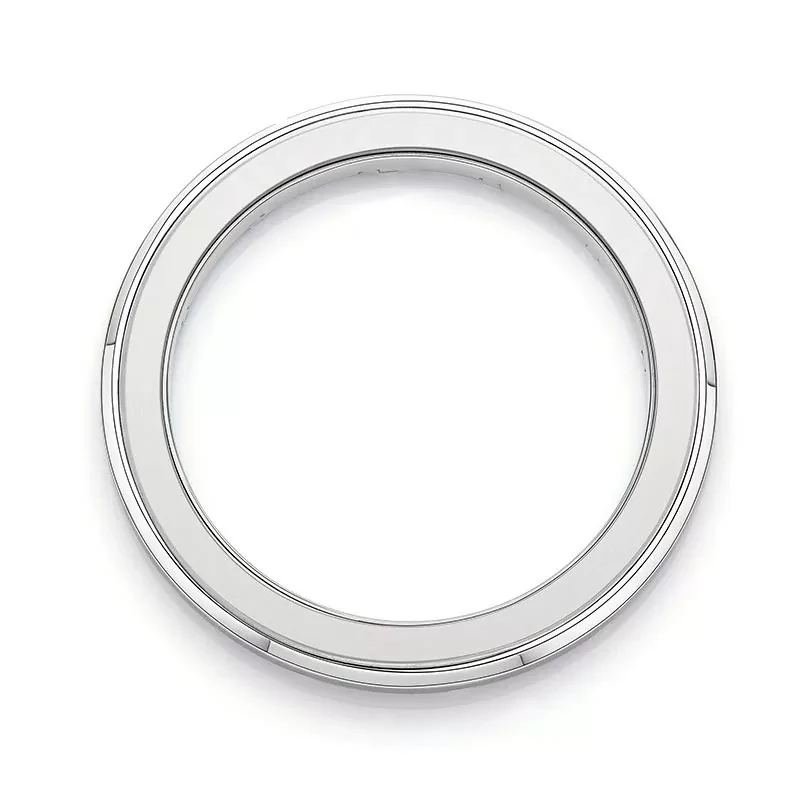
Most wedding band ranges are too wide and too shallow. This guide builds a twelve SKU core from width, metal, finish and size ratio, and shows the stock arithmetic.
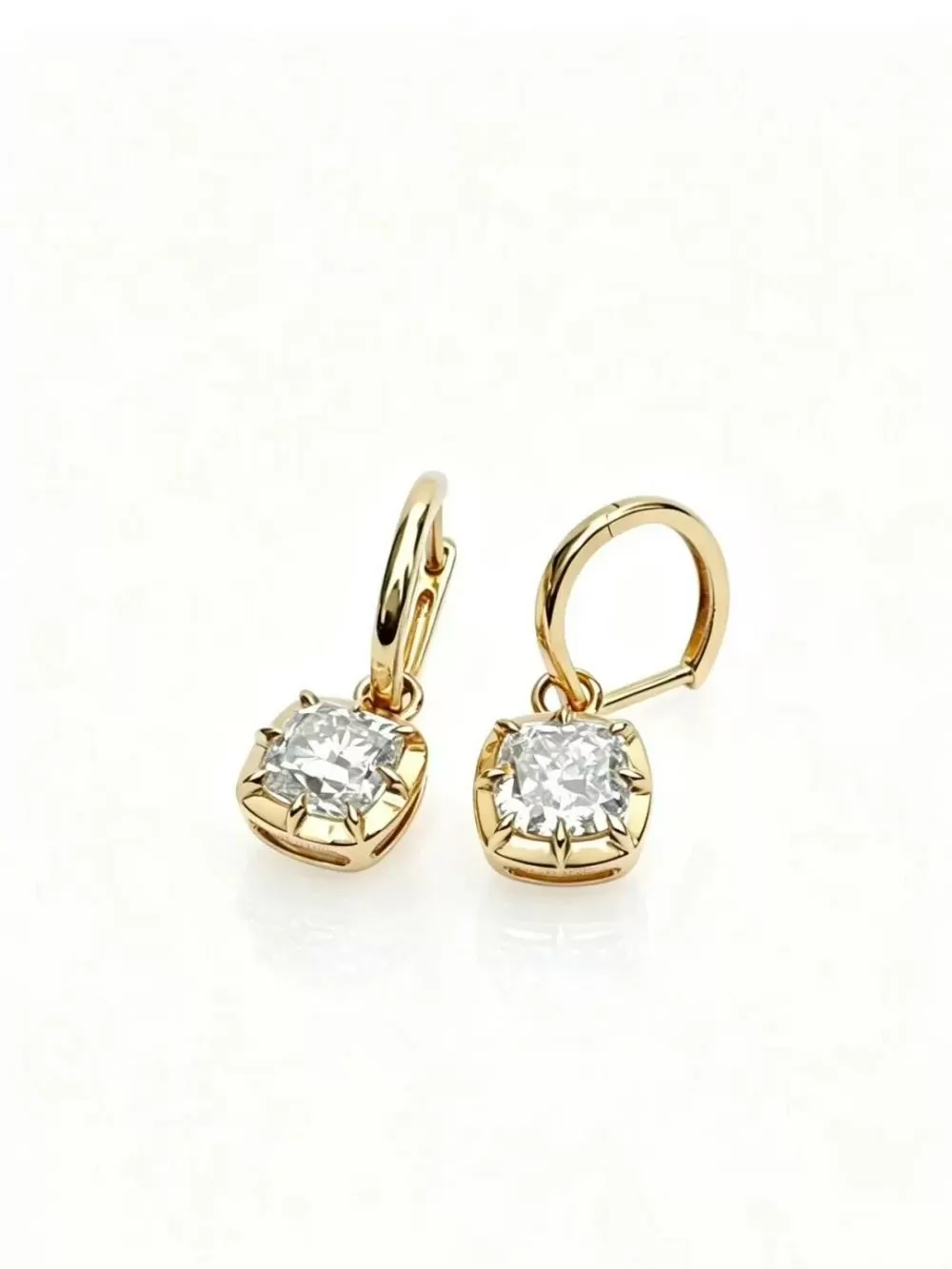
A plating claim turns on a number nobody measured. This guide covers the test methods, the reading points, the tolerances and the specification wording that settles the argument.
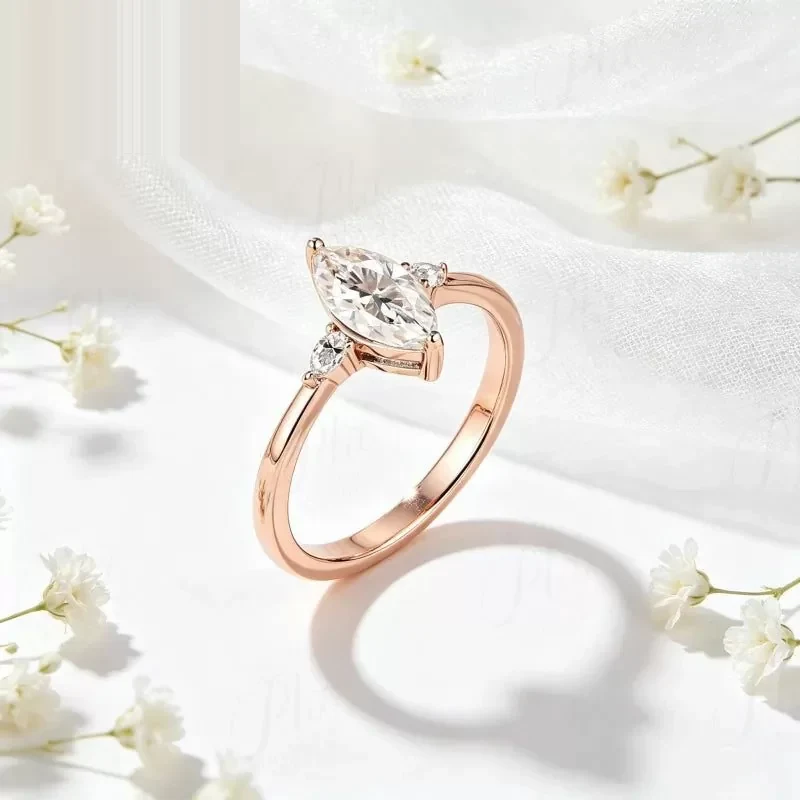
A repair policy is a margin decision. This guide separates manufacturing defects from wear, sets price bands for resizing, and gives the wording that keeps a wholesale relationship workable.
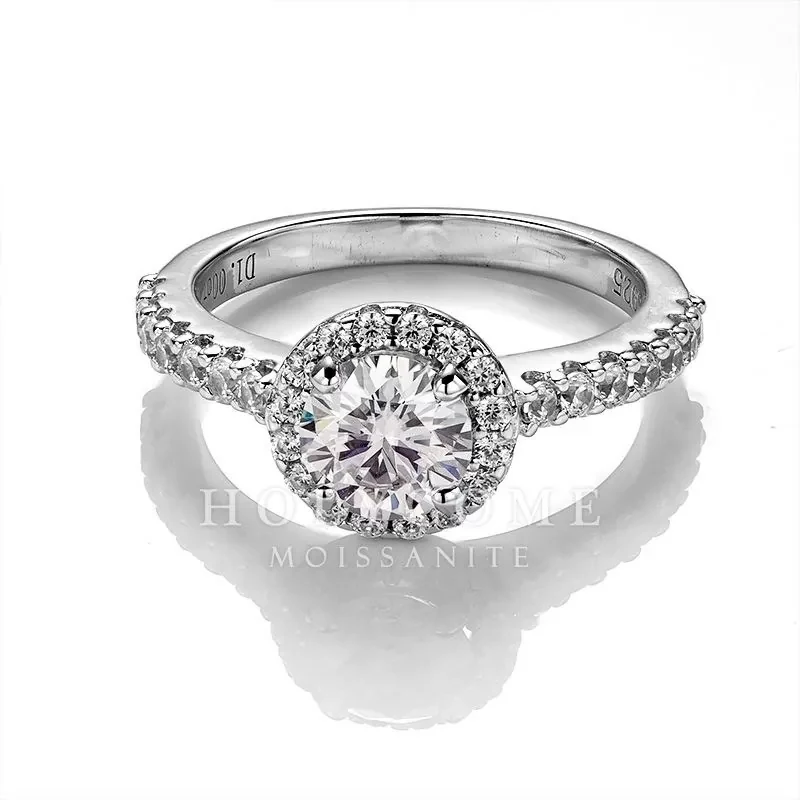
Tarnish is chemistry, and packaging is part of the chemistry. This guide covers the materials that cause it, the ones that prevent it, and the storage routine for bulk stock.
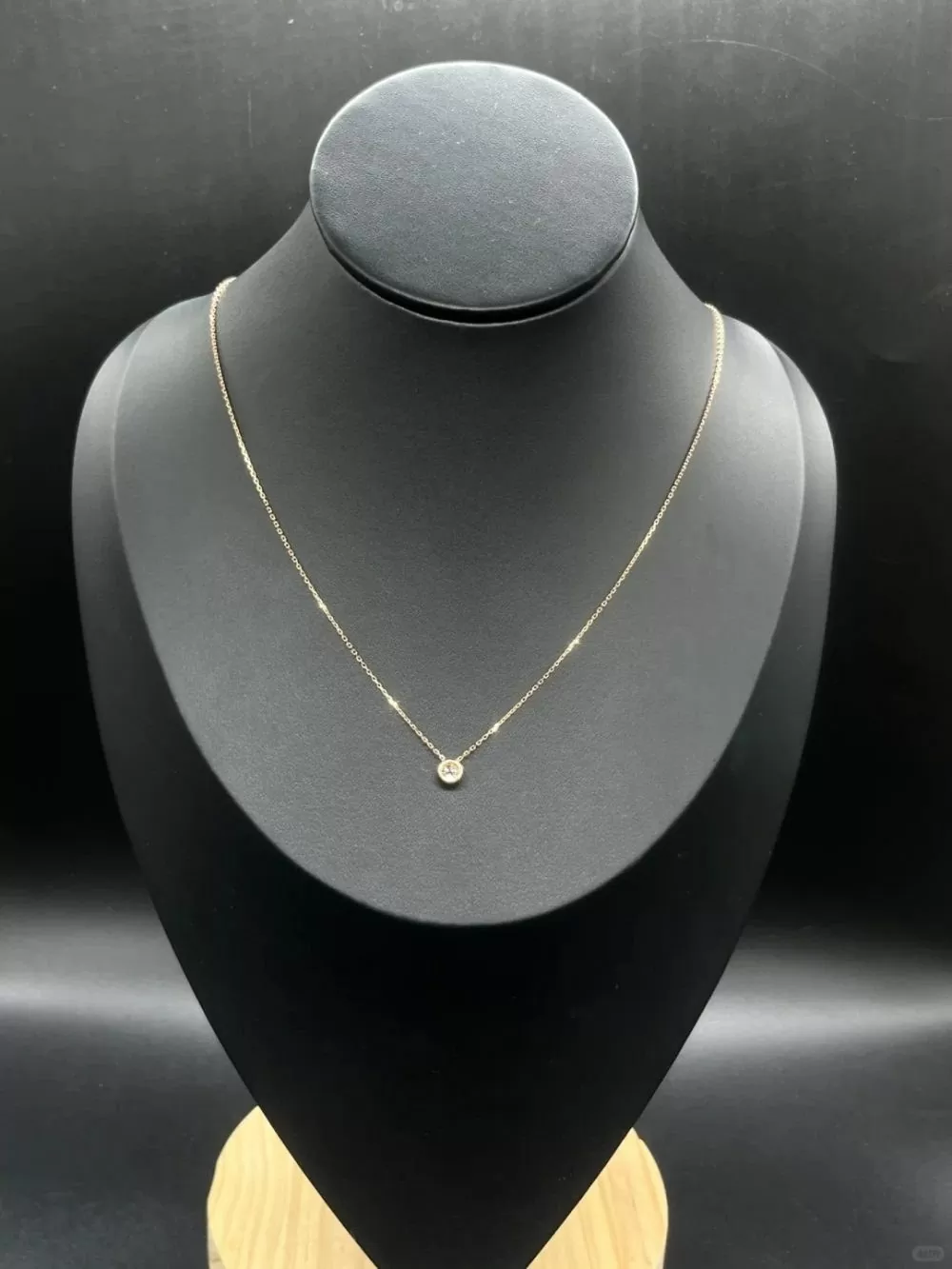
Most returns are detectable before the box closes. This guide sets out a seven step final inspection, the defects each step catches, and the record that supports a claim.
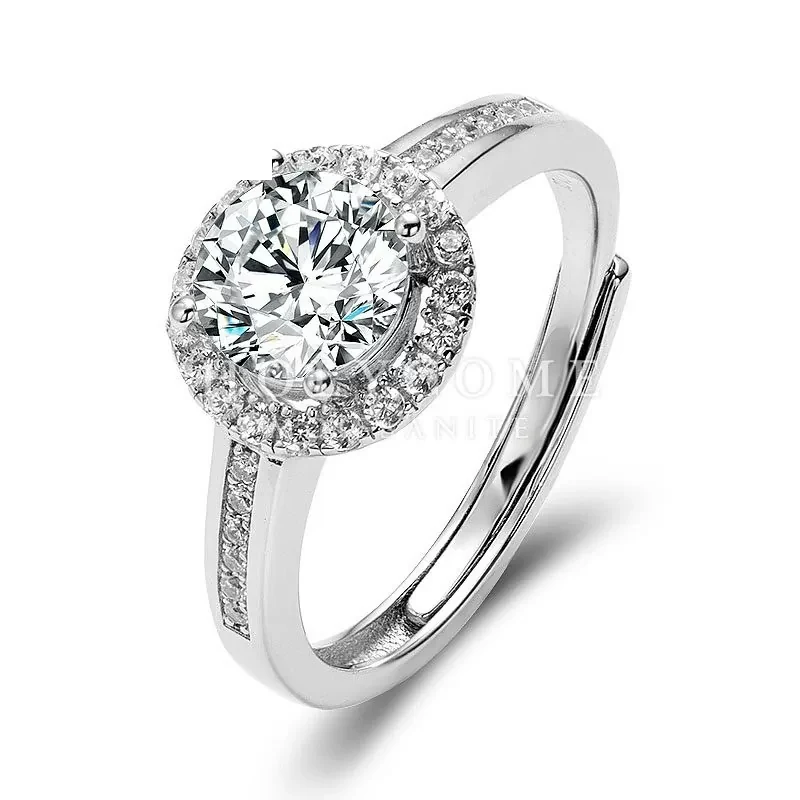
Replating is a service commitment, not a defect fix. This guide sets intervals by wear zone, plating thickness and price tier, and gives the wording a wholesale buyer can pass on.
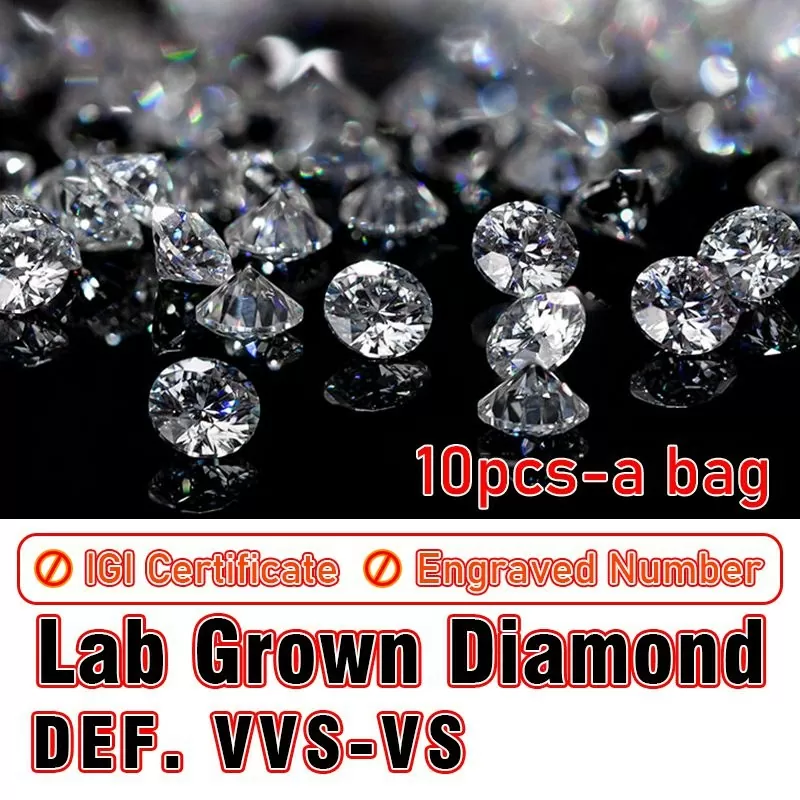
A parcel is a population, not a stone. This guide covers colour and proportion drift across a large moissanite lot and the sampling plan that catches it early.
Custom cutting runs on sample first, bulk second. This guide sets out the timings, the checkpoints and the mistakes that turn a 25 day run into a 60 day delay.
Colour in moissanite comes from growth conditions and from post-growth treatment. This guide separates the two and sets out what a listing must say about each.
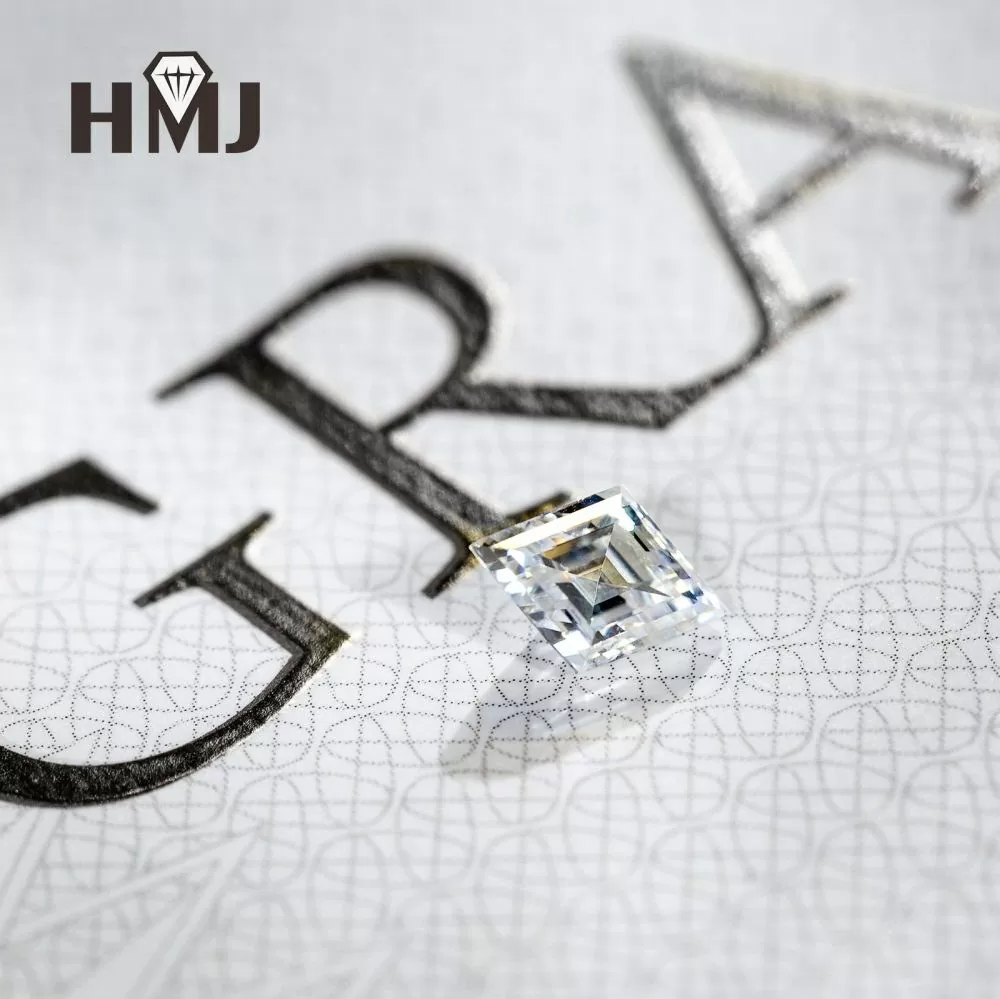
Two documents, two scopes. This guide compares GRA cards and IGI reports on moissanite, explains what each verifies, and shows how to word a listing without overstating.
Moissanite is priced from rough, and every shape loses a different share of it. This guide explains yield, shape loss and the calibration step that changes a quote.
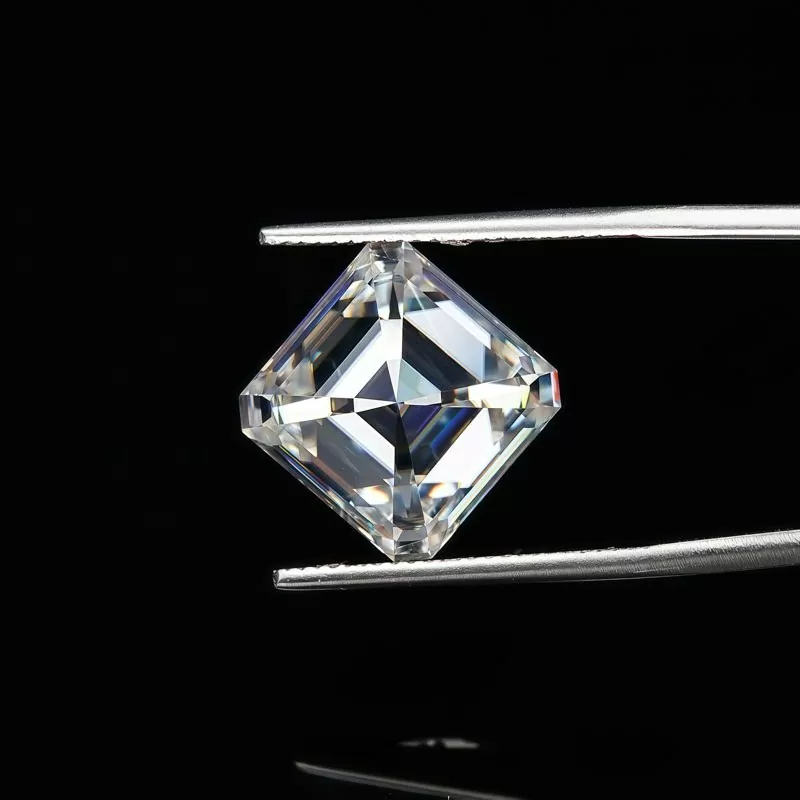
Lab-grown stones are manufactured goods, and manufactured goods get cheaper. This guide sets turnover rules, ageing limits and a buy-versus-hold test that keeps a parcel from losing value in storage.
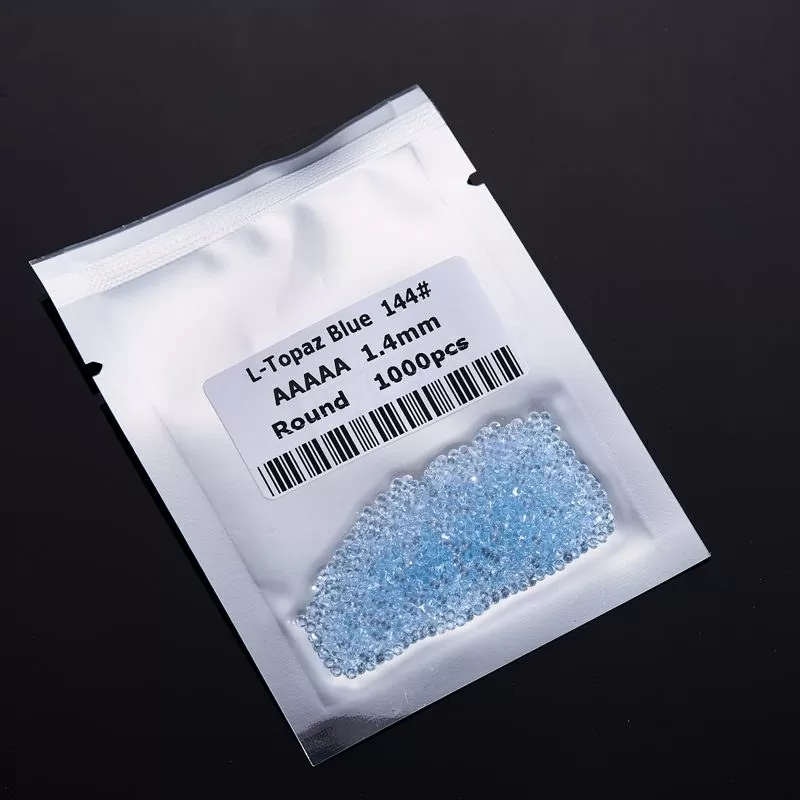
Melee is bought by the millimetre, not the carat. This guide explains sieve ranges, calibration tolerance and the sorting loss that decides whether a parcel is usable.
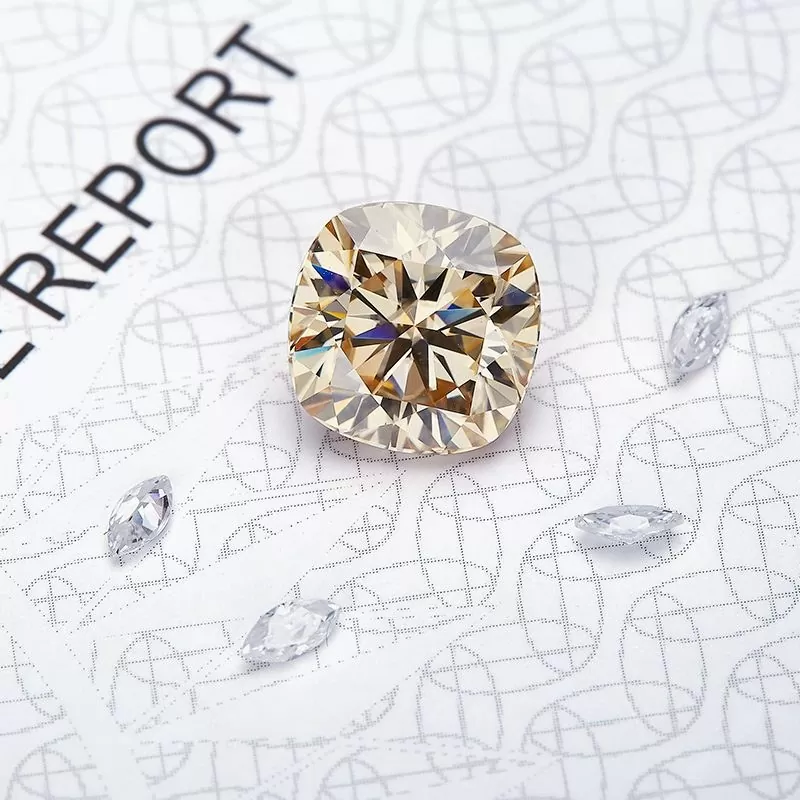
Four grades describe a stone; six report fields price it. This guide walks through the fields buyers skip and the price differences they explain.
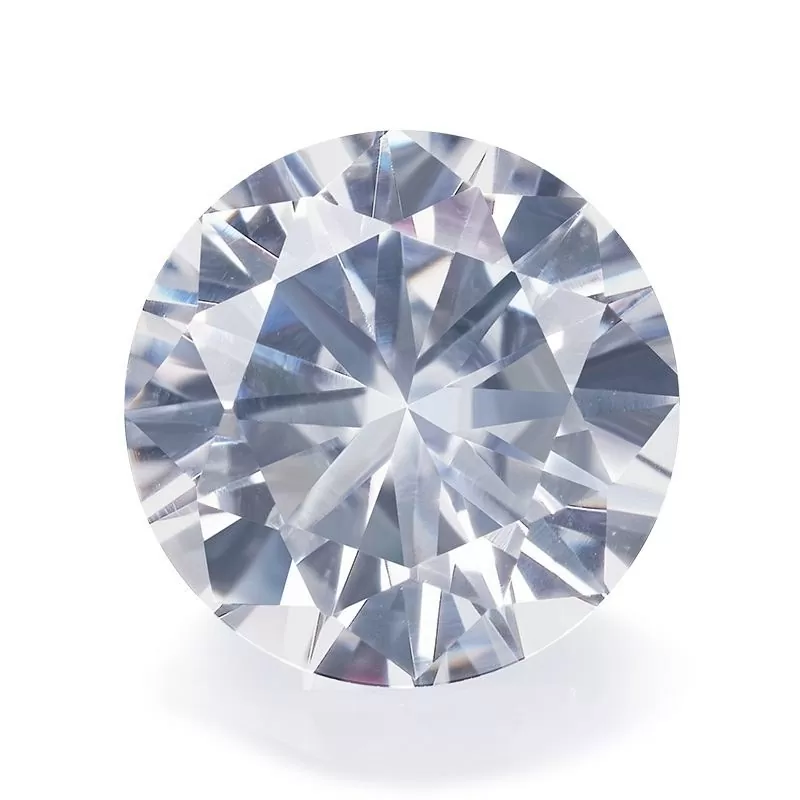
Growth method is not a marketing label. It changes strain behaviour, UV response and repair risk, and those differences show up in your setting bench and your service desk.
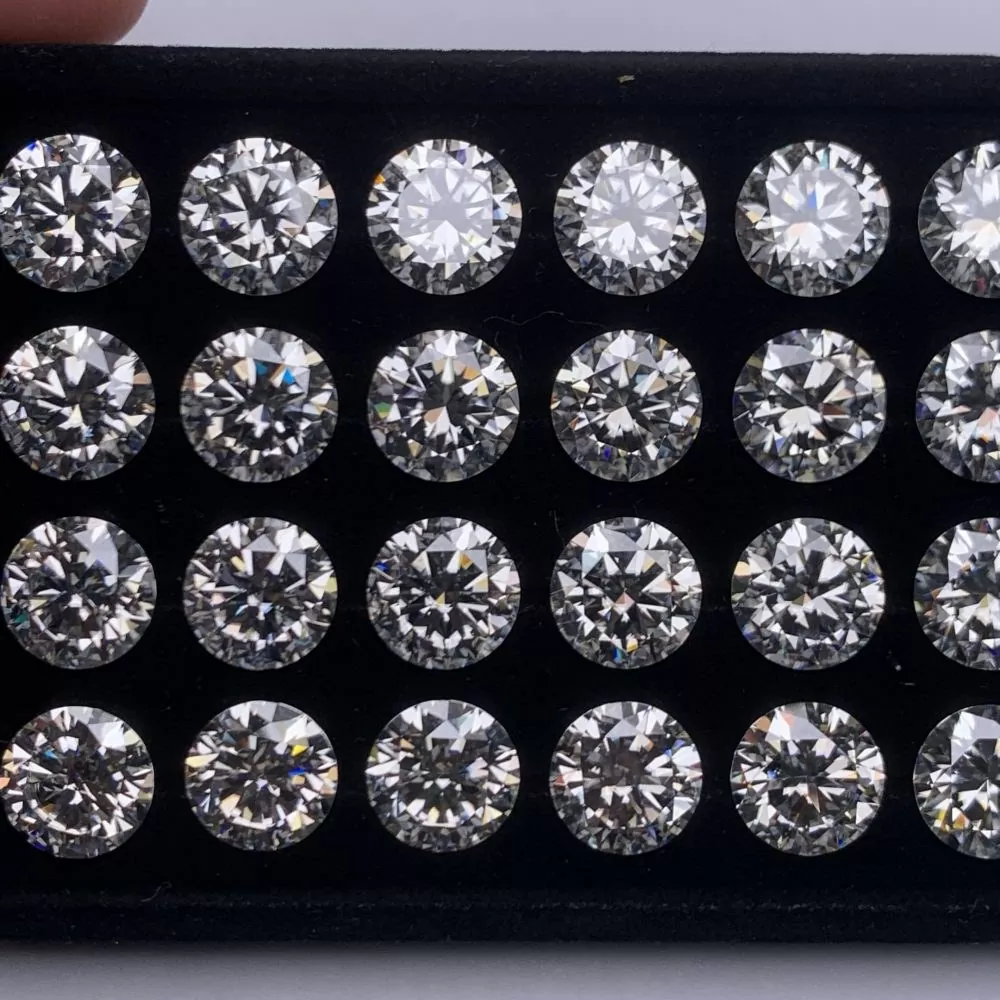
A parcel report is a compressed inventory statement. This guide explains the sieve range, colour and clarity mix, and the three figures that tell you whether a lot is priced correctly.
Payment terms decide who carries risk when a lot goes wrong. This guide compares deposit structures, method risk and the two clauses that make a claim enforceable.
Overstock in jewelry is usually a depth problem, not a taste problem. This guide sets SKU depth rules, replenishment windows and a sell-through target that keeps a seasonal buy recoverable.
Supplier vetting is a paperwork exercise before it is a factory visit. These twelve documents separate a trading office from a manufacturer, and three of them carry most of the risk signal.
MOQ starts at 5 pieces per ready-stock style; OEM/ODM custom rings follow a quoted minimum order set in the order agreement.
Ready-stock orders are prepared within 2–5 business days after confirmation. Custom, OEM and ODM projects follow a quoted lead time of 15–30 days, depending on design, metal, stone availability and order size.
Pricing is quoted per piece or per carat according to stone, metal weight, setting and finish. After you send styles, stone and quantity, our sales team returns a written price list and price range for the proposed order.
We accept T/T bank transfer, PayPal and Western Union. Custom and OEM/ODM orders require an agreed 30% deposit, with the balance paid before shipment; bulk and private-label payment terms are confirmed in the order agreement.
We keep our wholesale MOQ low, but the exact minimum is quoted on request rather than fixed on this page. Ready-stock styles can usually be ordered in small mixed batches across categories; OEM, ODM, private-label and custom packaging runs carry their own minimums depending on tooling, branding and quantity. After you send your selected styles or categories and estimated quantities, our sales team confirms the MOQ, mixed-batch options and unit price in a written quotation. Any fixed number quoted on a proposal applies to that specific order only.
Ready-stock orders are picked, inspected and packed within 2–5 business days after confirmation, subject to availability. Custom, OEM and ODM orders follow a longer quoted schedule because the project includes consultation, 3D modeling, prototype approval, production and final inspection. The total lead time depends on design complexity, metal, stone availability, setting type and order size; we state the expected production window in your quotation after reviewing the brief. No fixed production day count is promised publicly because each project differs, and sample approval always precedes bulk production.
Yes. Sample-first cooperation is standard for custom, OEM and ODM projects. For ready-stock wholesale, buyers may order a small sample batch to check quality, finish and packaging before committing to a larger order. A sample or prototype cost may apply to custom designs; that cost and whether it is credited toward a later bulk order are stated in the quotation. We recommend approving the physical sample or prototype before production begins, because changes made after approval can affect cost and lead time.