Diamonds & 4Cs
The table is the flat top facet; the depth is total height as a percentage of width. Both influence brightness, but they are guides, not guarantees.
699 articles in the knowledge base. Filter by topic below.
The table is the flat top facet; the depth is total height as a percentage of width. Both influence brightness, but they are guides, not guarantees.
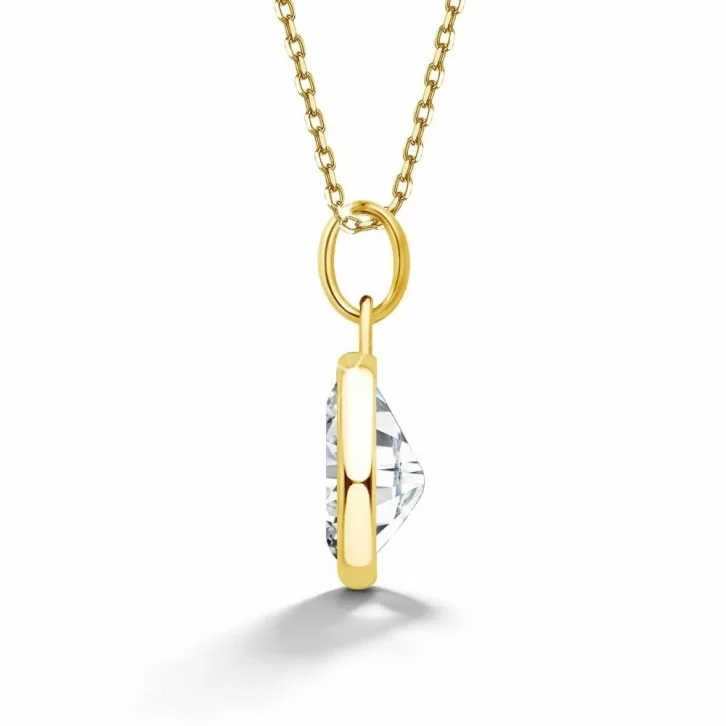
An engagement ring left in a hotel safe, a wedding band worn swimming on holiday, or a necklace stuffed into hand luggage is the jewellery equivalent of leaving the front door open. This guide covers how to pack rings so they do not scratch each other, what to wear versus leave at home, how hotel safes actually work, airport security rules, and the insurance fine print that usually only covers stolen jewellery if it was on your person.
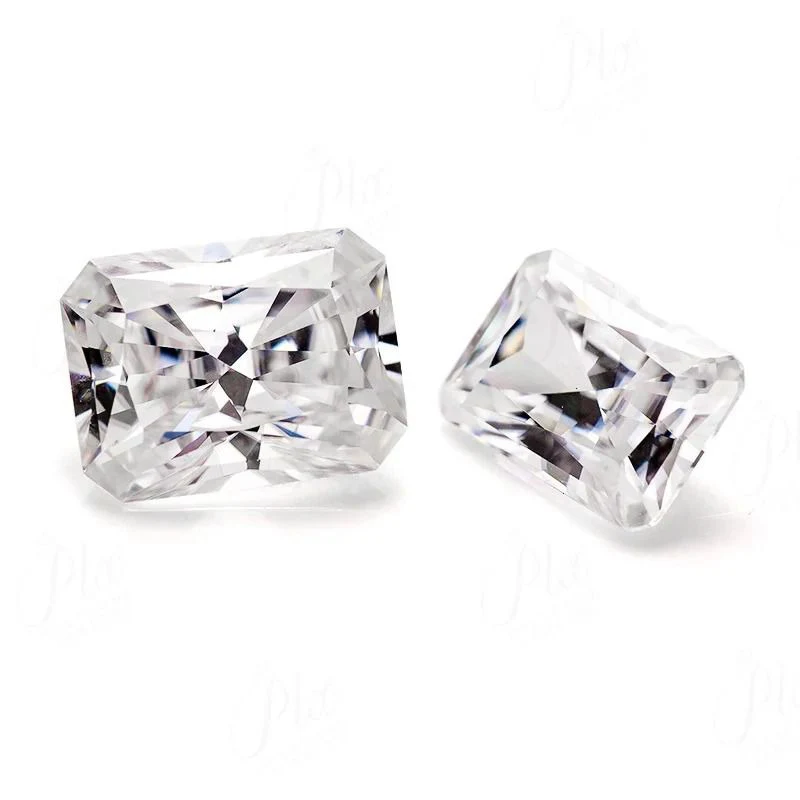
SI2 is where report and stone disagree. Inspect these four inclusion types first.
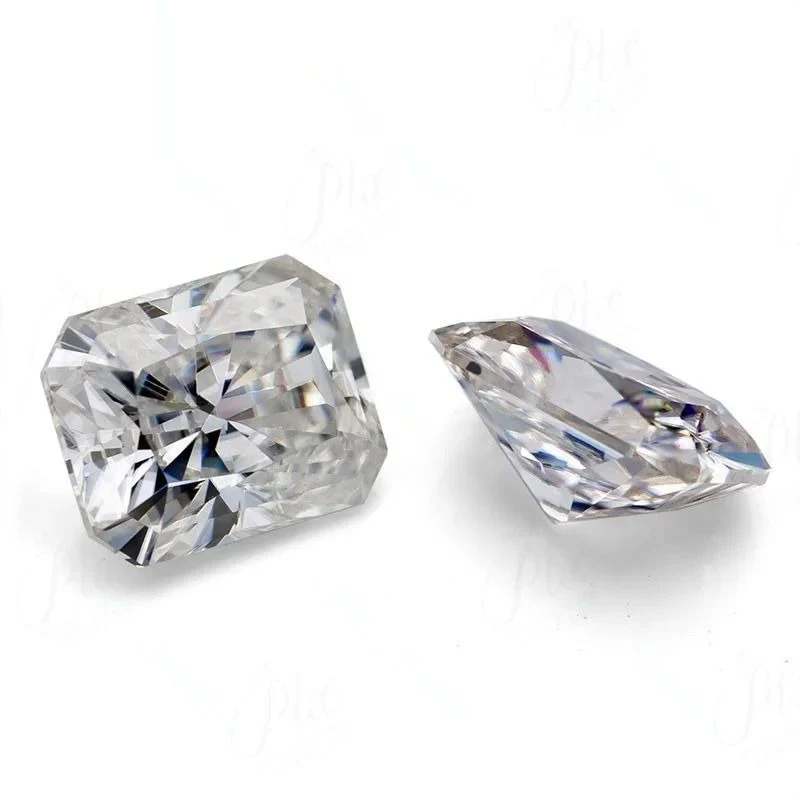
Both look white and bright in a display case. The numbers, refractive index, dispersion, Mohs hardness, explain why they age so differently.
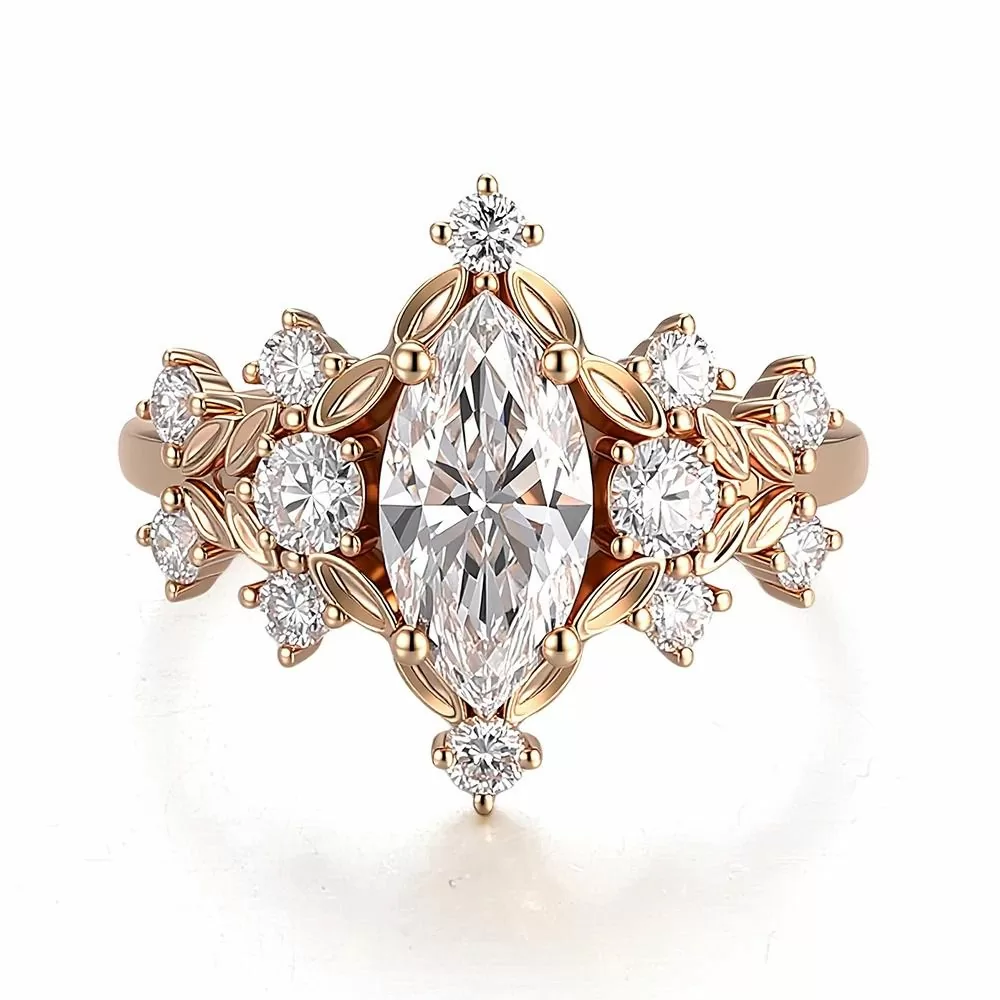
A straight comparison of gold, platinum and sterling silver for wedding bands: durability, hypoallergenic properties, price and upkeep.
Moissanite passes basic diamond testers because it conducts heat almost as well as diamond. Learn why that happens and how experts truly identify it.
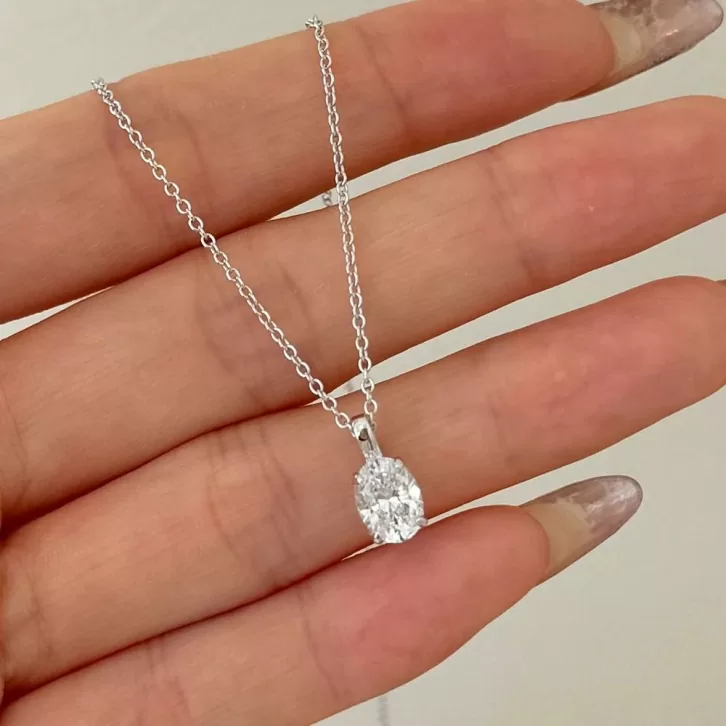
Most lost engagement stones are not lost in a dramatic moment. They are lost after a prong thins, bends or snaps quietly over months, and the stone shifts until one day it is gone. This guide shows you how to inspect your own ring at home with a pin and a magnifier, the signs that a prong needs attention, why you should never wiggle the stone hard, and how often to have a jeweller tighten the setting as part of normal wear.
A jewellery box is not just storage. Done wrong, rings scratch each other, gold tarnishes and stones loosen. Here is the right way.
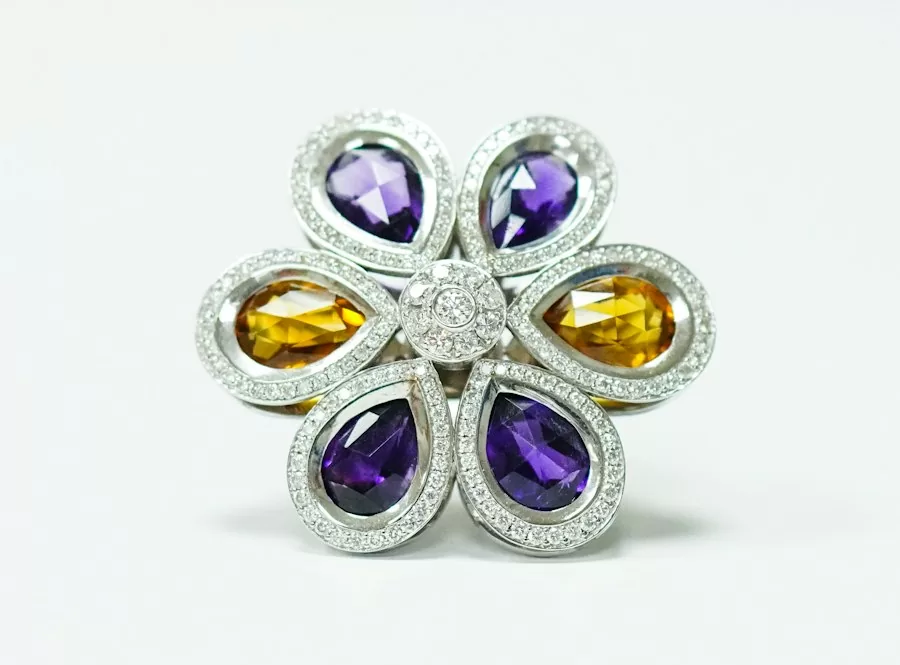
A custom ring takes more time and communication than picking from a case, but the process is more predictable than most buyers expect.
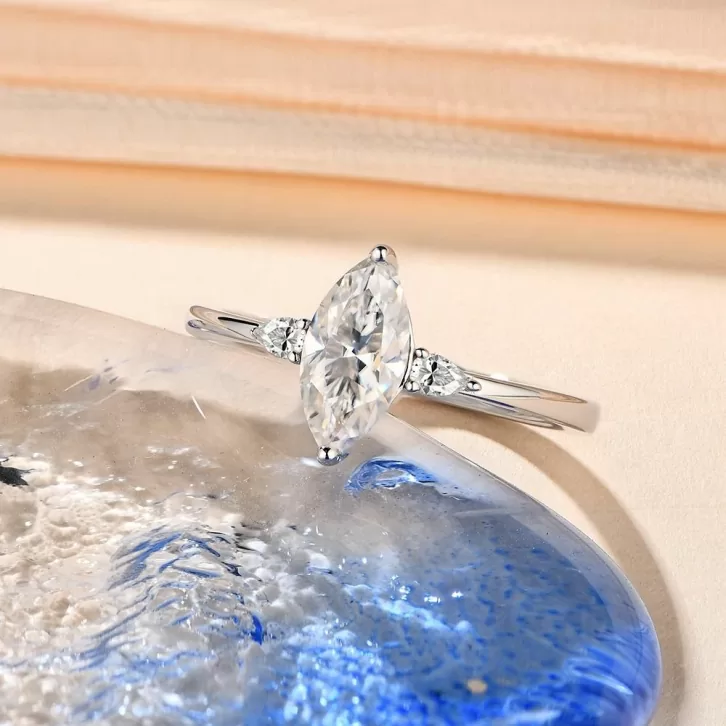
Conflict-free is a starting point, not a guarantee. Here is how to dig into a diamond's sourcing before you spend the money.
Ultrasonic baths and steam cleaners strip off grime faster than any brush, but they are not safe for every gemstone. Opal, emerald, pearl, tanzanite and fractured or treated stones can crack or lose their treatment in a bath. This guide explains how each machine works, which stones are safe, which are risky, when a jeweller uses steam versus an ultrasonic, and the simple warm-soap-and-brush method that is always the safe default.
Moissanite is usually very clean, but it is not flawless. Growth lines, veils and trapped flux can appear, and understanding them helps you pick a stone that looks perfect to the naked eye.
A diamond cannot be scratched by most things — but it can quietly scratch everything else you wear or store with it.
Three-stone rings carry a built-in narrative, but they also require more setting work and care than a solitaire. Buyers should weigh both the symbolism and the practicality.
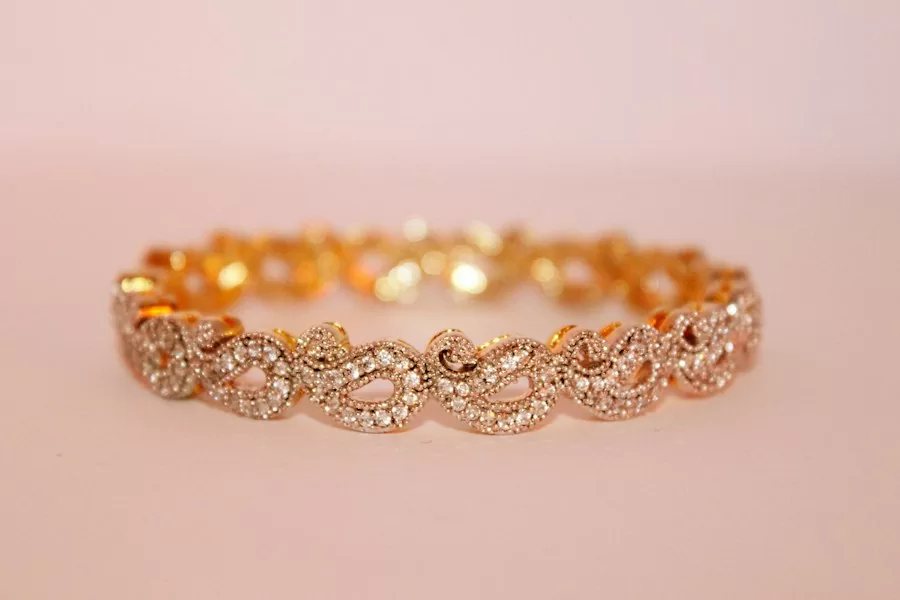
A quick hand wash at the sink is fine for most durable rings, but daily showering in the bath is a slow way to dull a stone and loosen prongs over time.
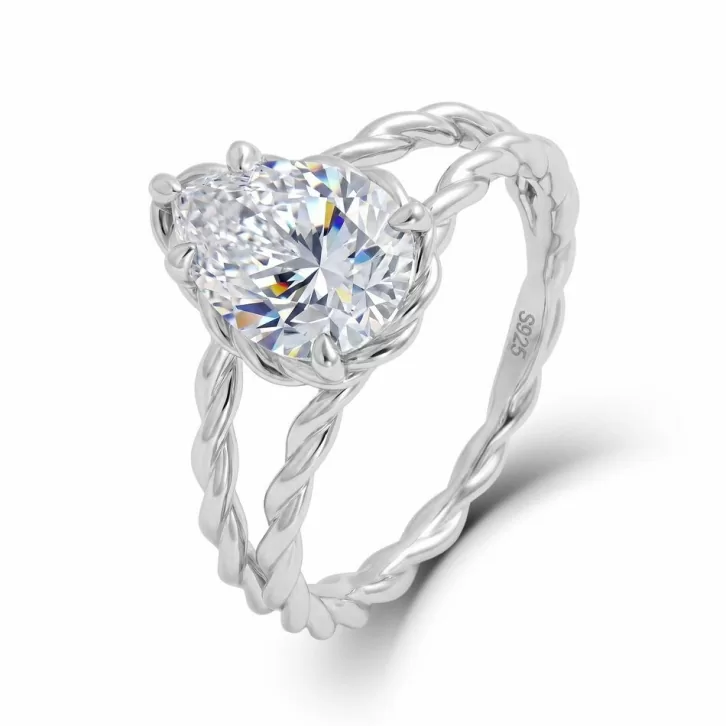
A solitaire on a home contents policy is usually under-insured. Here is what specialist jewellery insurance costs and when to buy it.
Scratches on gold are not damage in the dramatic sense. They are normal wear, and most can be improved by polishing, but there are limits worth knowing.

Most lost stones start with a prong that has worn paper-thin. Prong re-tipping rebuilds those tips and saves your ring from an expensive accident.
Hardest doesn't mean indestructible. Diamonds chip along cleavage planes, usually at the girdle or corners, and the fix is re-cutting.
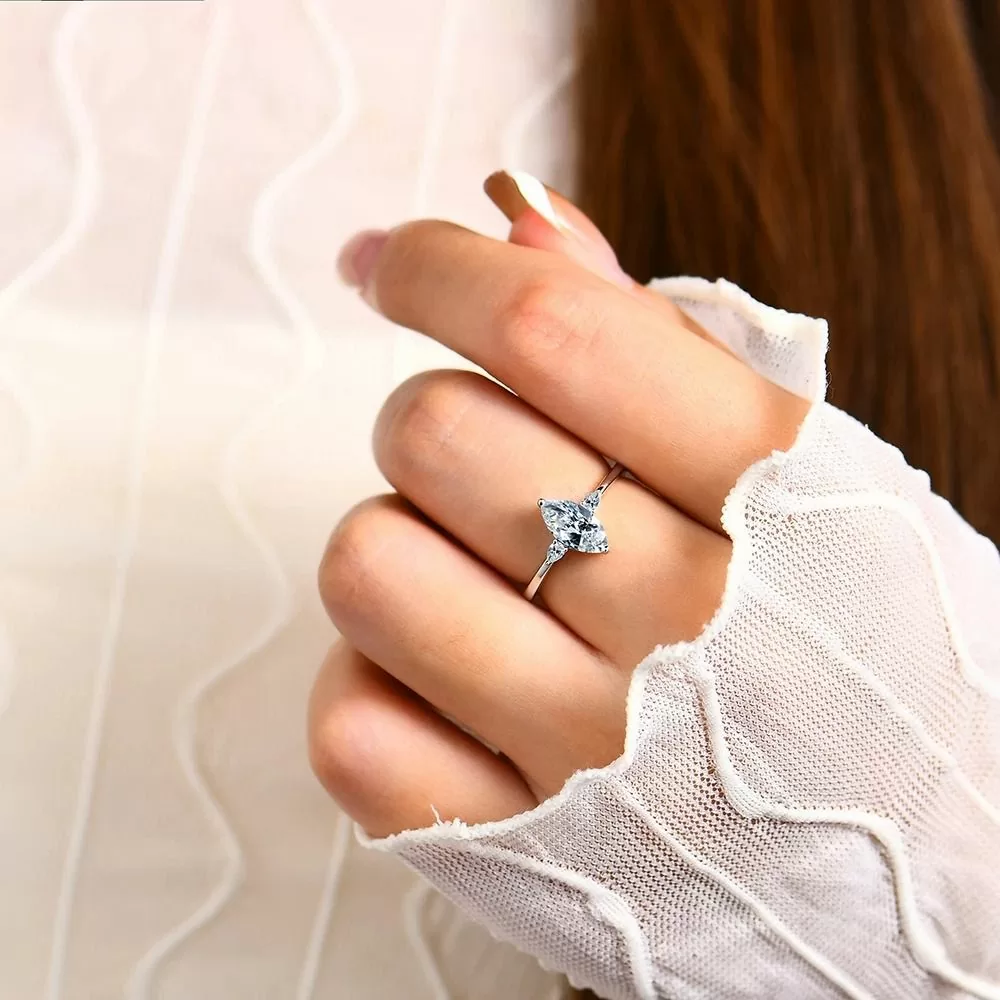
Platinum and white gold both look silver-white. They age in opposite ways, one develops patina, the other re-plates. Here is how to choose.
Laser drilling removes visible black inclusions from a diamond using a tiny laser tunnel and acid. It is permanent, disclosed, and affects value differently than fracture filling.
The return policy is your safety net. Here is the five-point checklist to check before you pay the deposit.
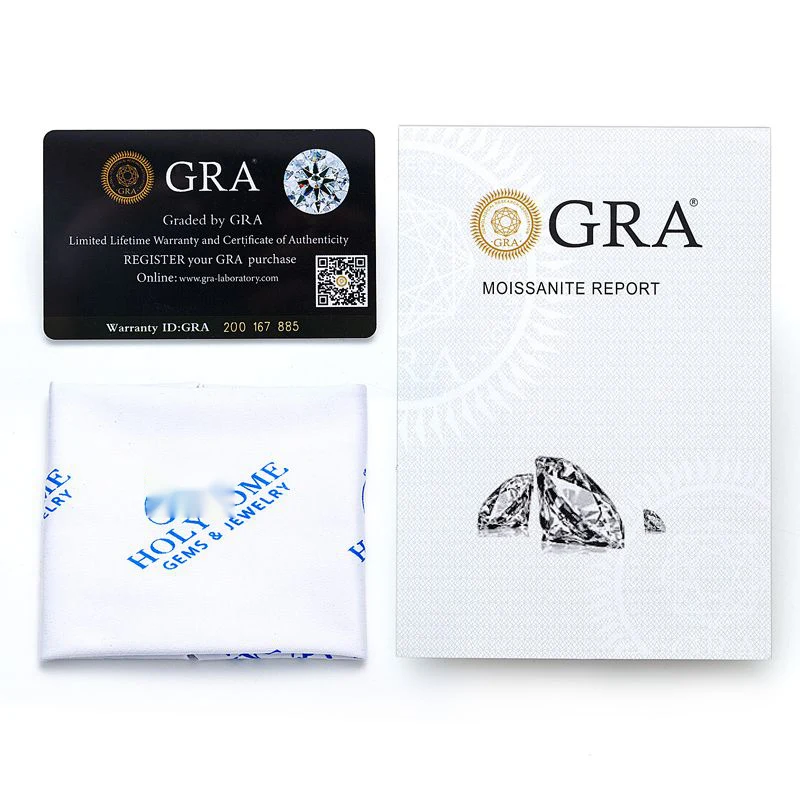
Second-hand moissanite sells for very little. Here is what holds value, how insurers price a claim, and exactly what you need to declare on a policy.
The first thing most people notice about moissanite is the flashes of rainbow colour that shoot off it in sunlight. That effect is called fire, and moissanite produces far more of it than diamond because its dispersion is nearly twice as high. This guide explains what fire actually is, why some lights make it look like a disco and others make it look white, how cut choice changes the effect, and whether that extra rainbow flash is a selling point or the reason some buyers send the ring back.
MOQ starts at 5 pieces per ready-stock style; OEM/ODM custom rings follow a quoted minimum order set in the order agreement.
Ready-stock orders are prepared within 2–5 business days after confirmation. Custom, OEM and ODM projects follow a quoted lead time of 15–30 days, depending on design, metal, stone availability and order size.
Pricing is quoted per piece or per carat according to stone, metal weight, setting and finish. After you send styles, stone and quantity, our sales team returns a written price list and price range for the proposed order.
We accept T/T bank transfer, PayPal and Western Union. Custom and OEM/ODM orders require an agreed 30% deposit, with the balance paid before shipment; bulk and private-label payment terms are confirmed in the order agreement.
We keep our wholesale MOQ low, but the exact minimum is quoted on request rather than fixed on this page. Ready-stock styles can usually be ordered in small mixed batches across categories; OEM, ODM, private-label and custom packaging runs carry their own minimums depending on tooling, branding and quantity. After you send your selected styles or categories and estimated quantities, our sales team confirms the MOQ, mixed-batch options and unit price in a written quotation. Any fixed number quoted on a proposal applies to that specific order only.
Ready-stock orders are picked, inspected and packed within 2–5 business days after confirmation, subject to availability. Custom, OEM and ODM orders follow a longer quoted schedule because the project includes consultation, 3D modeling, prototype approval, production and final inspection. The total lead time depends on design complexity, metal, stone availability, setting type and order size; we state the expected production window in your quotation after reviewing the brief. No fixed production day count is promised publicly because each project differs, and sample approval always precedes bulk production.
Yes. Sample-first cooperation is standard for custom, OEM and ODM projects. For ready-stock wholesale, buyers may order a small sample batch to check quality, finish and packaging before committing to a larger order. A sample or prototype cost may apply to custom designs; that cost and whether it is credited toward a later bulk order are stated in the quotation. We recommend approving the physical sample or prototype before production begins, because changes made after approval can affect cost and lead time.