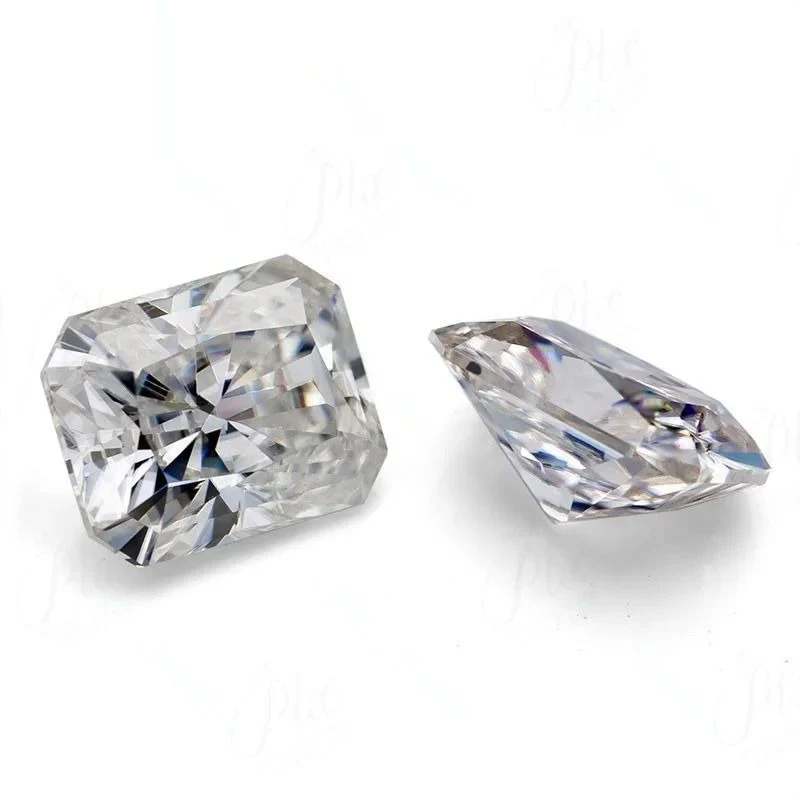
Moissanite
Unlike cheap simulants, moissanite itself is chemically stable. The 'yellowing' people notice is usually grime, not the crystal aging.
699 articles in the knowledge base. Filter by topic below.
Unlike cheap simulants, moissanite itself is chemically stable. The 'yellowing' people notice is usually grime, not the crystal aging.
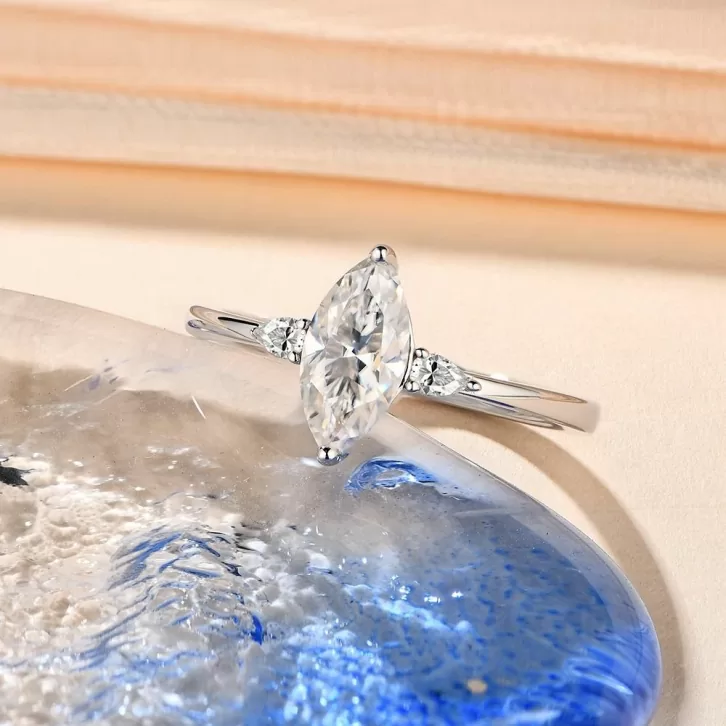
Borrow an existing ring, cut a strip of paper, and convert millimeters to a ring size chart. Methods that work before the surprise proposal.
Prongs thin in 2-4 years, white gold plating fades in 18 months to 3 years, the stone itself survives. The service timeline for a moissanite ring.
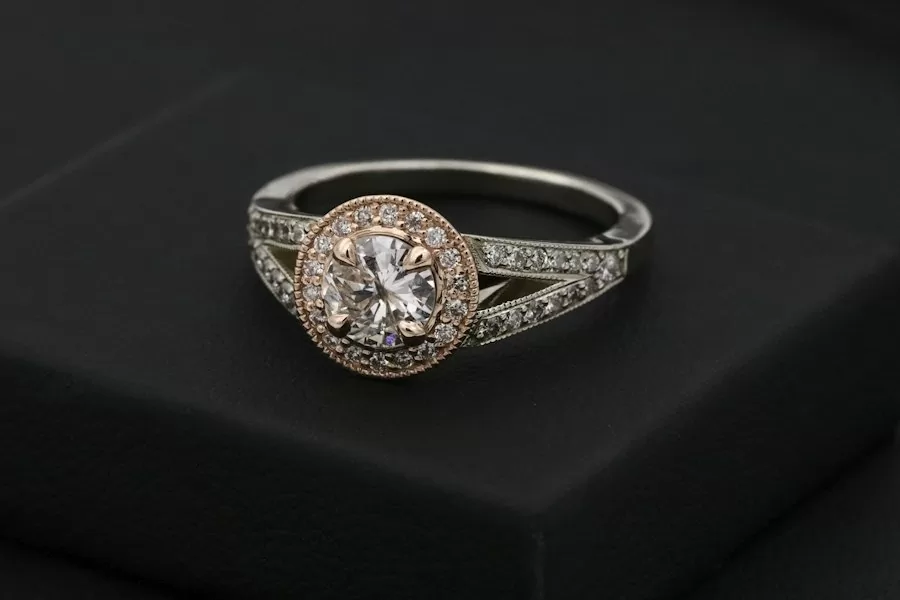
Bezel settings wrap metal around the stone for protection; prong settings lift it up for sparkle. Here is how to choose based on how you actually live.
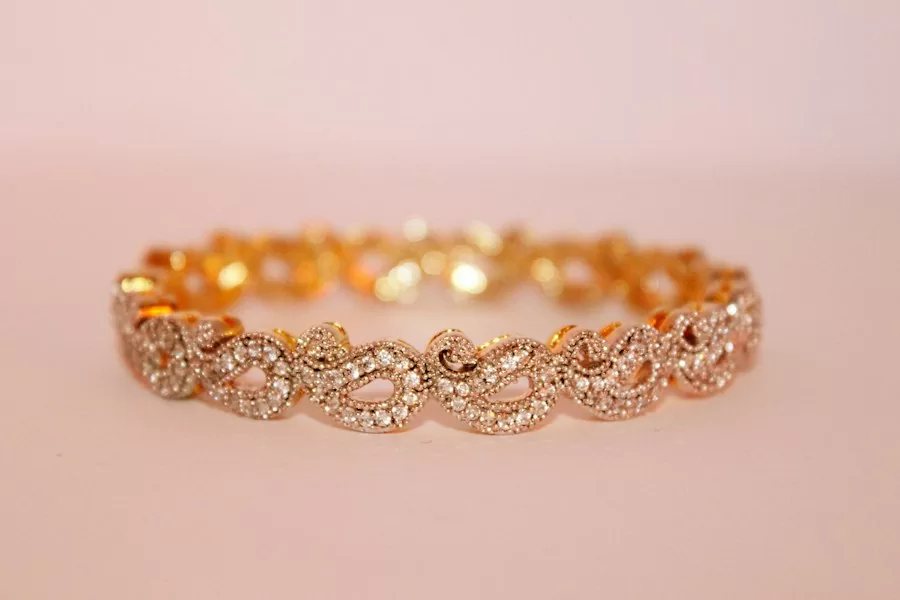
Moissanite rates 9.25 on the Mohs scale, but its sparkle still clouds under everyday grime. Here is the safe way to bring the fire back.
Both are white, durable and budget-friendly. Moissanite and white sapphire differ sharply in sparkle, refraction and how they look over years of wear.
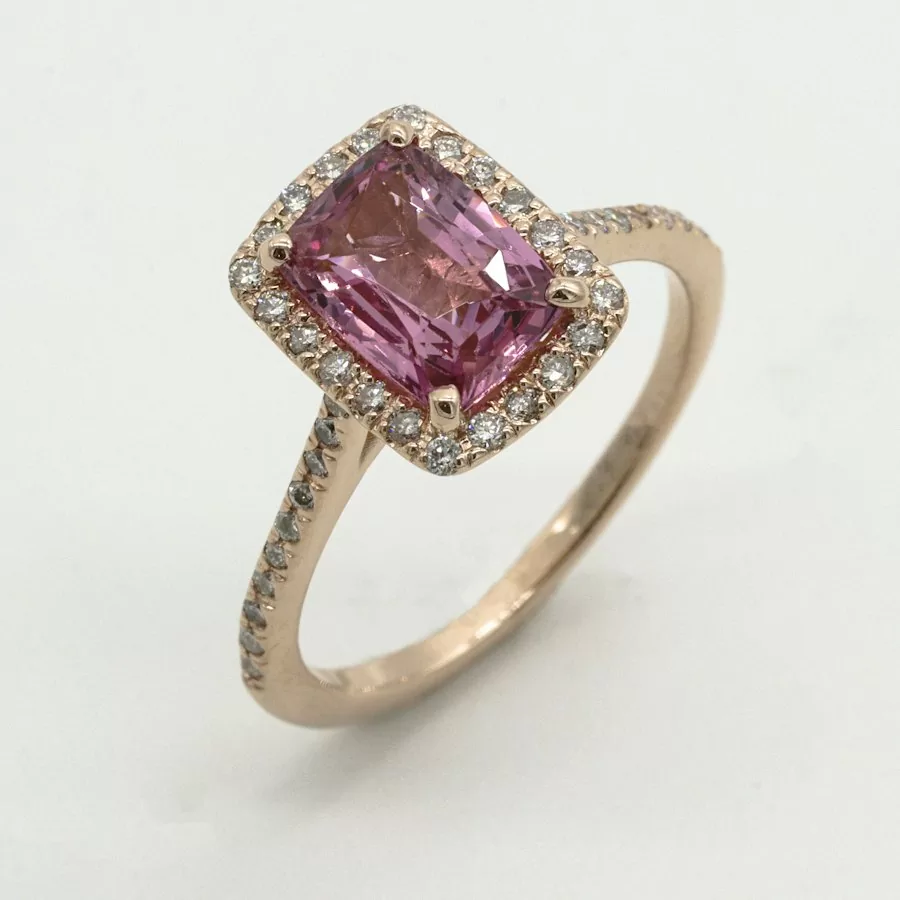
The finish on a wedding band is as much a style choice as a durability choice. Polished, satin, brushed and matte all age differently — pick the one that matches how you actually live.

The right jeweller welcomes tough questions. Bring this list to your appointment.
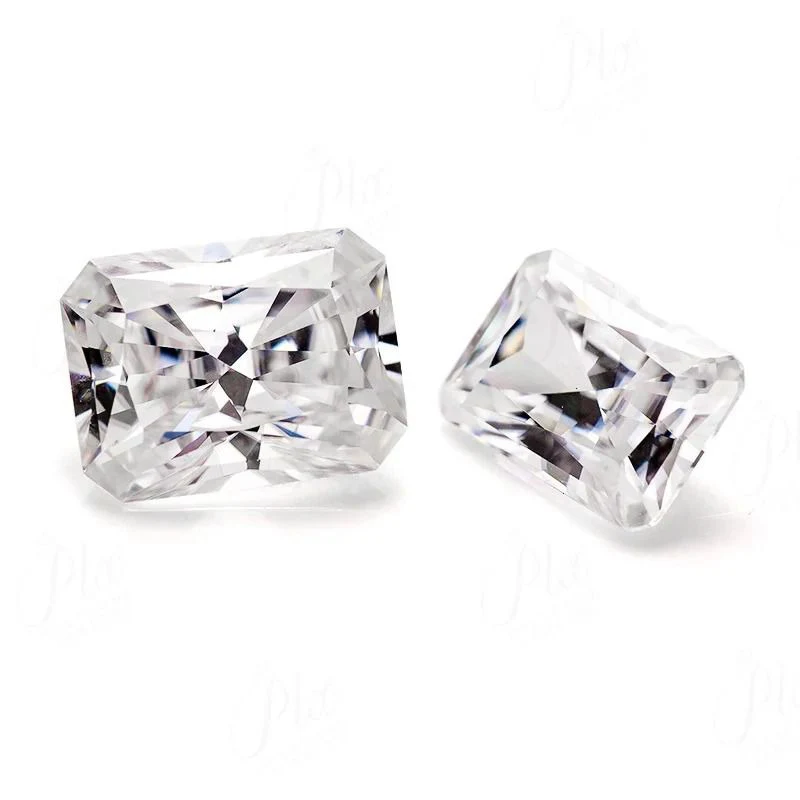
Two loose rounds with the same GIA Excellent label can look completely different once mounted. The table and depth percentages are why.
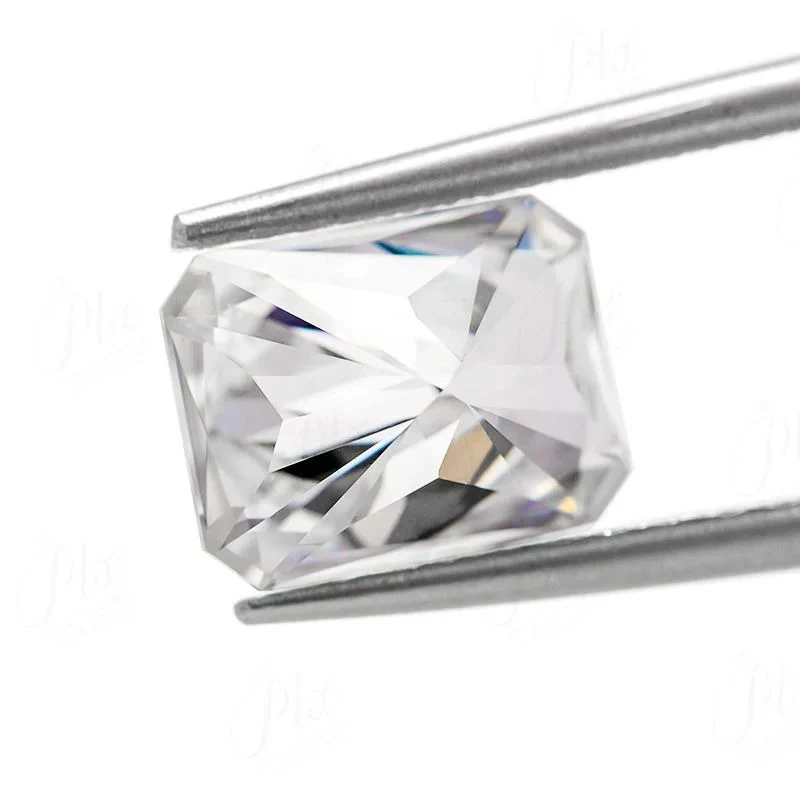
Where moissanite sits on the Mohs scale, how it compares to diamond and sapphire, and what actually causes scratches in daily wear.
Lab-grown diamonds cost a fraction of mined, but they hold very little resale value. Here is the honest picture and when it matters.
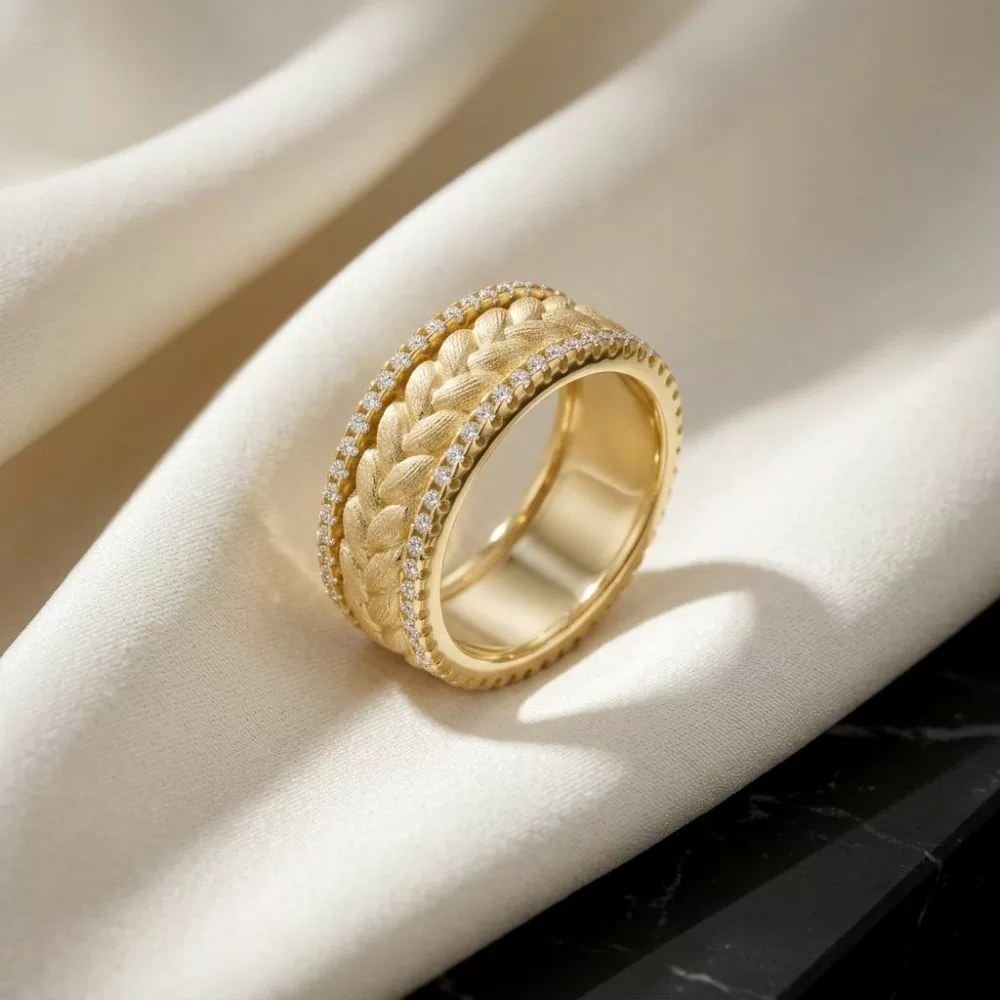
Carat weight is a number on a certificate. The face-up millimeter measurement is what you see on the finger. Here is how 1ct and 2ct compare.
Fluorescence is not a flaw. It is a discount lever for J stones and a small haze risk for D-F stones. Here is the honest breakdown.
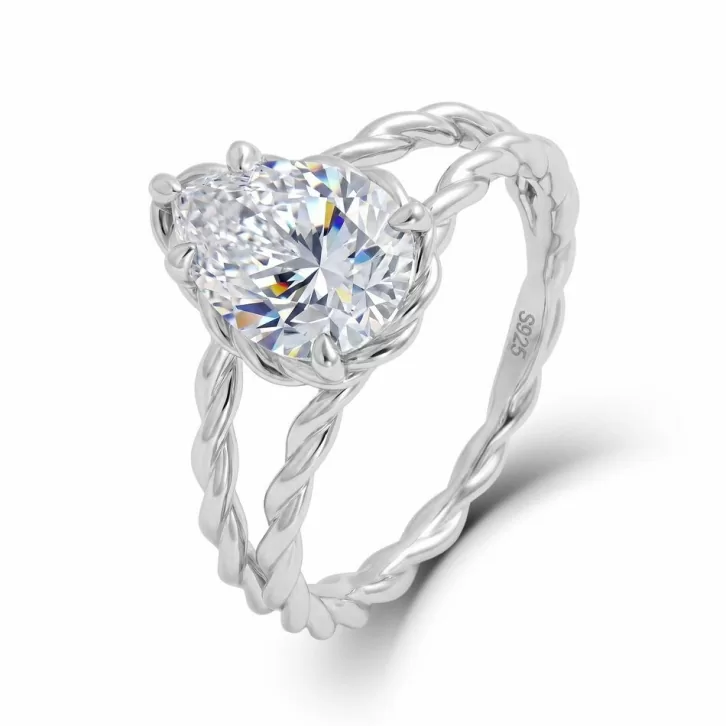
Lab-grown pricing looks like a discount, but it follows its own supply-and-demand curve.
Overpaying for the wrong cut, ignoring eye cleanliness, and buying a certificate without seeing the stone are three mistakes that cost buyers thousands. Learn how to sidestep them.
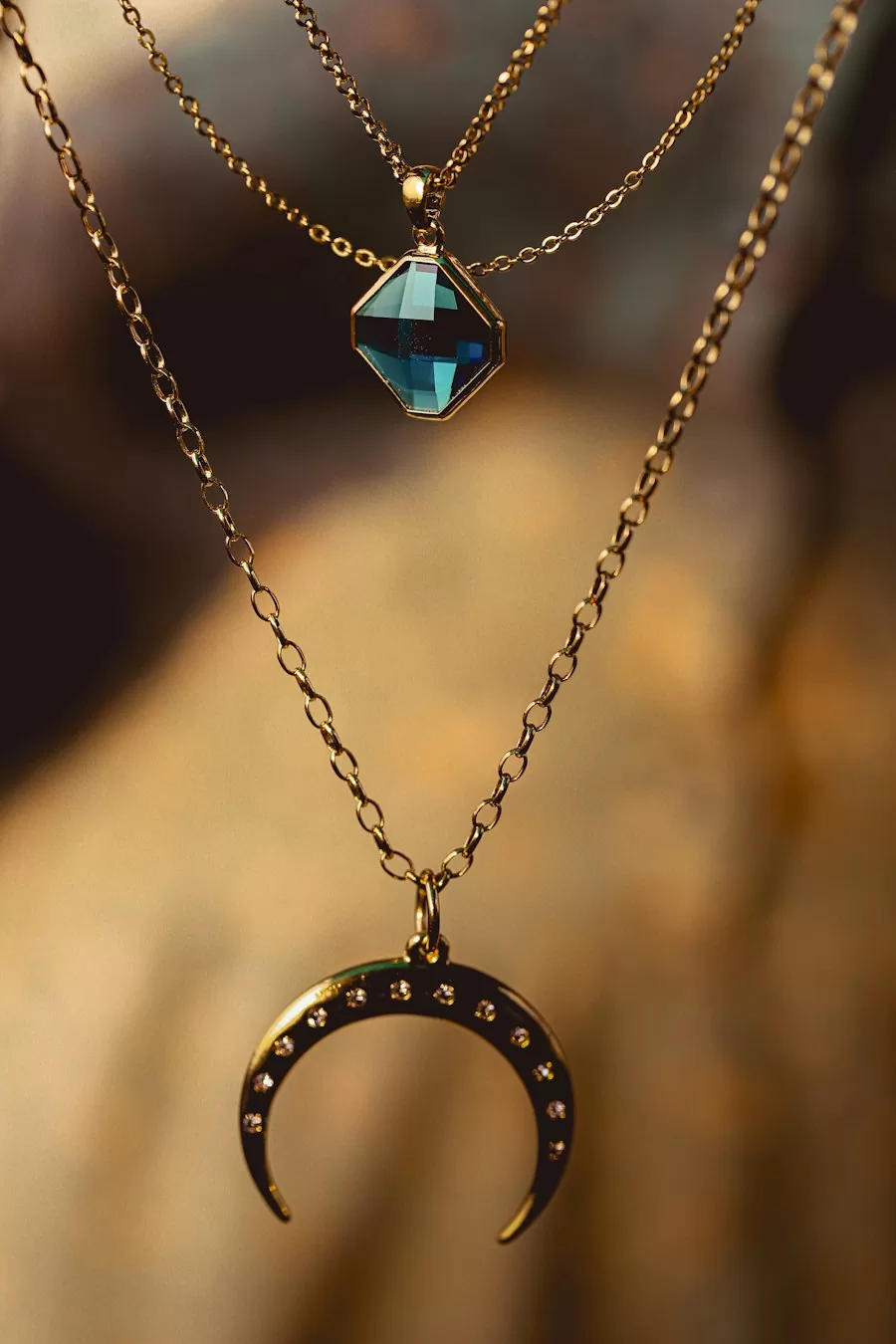
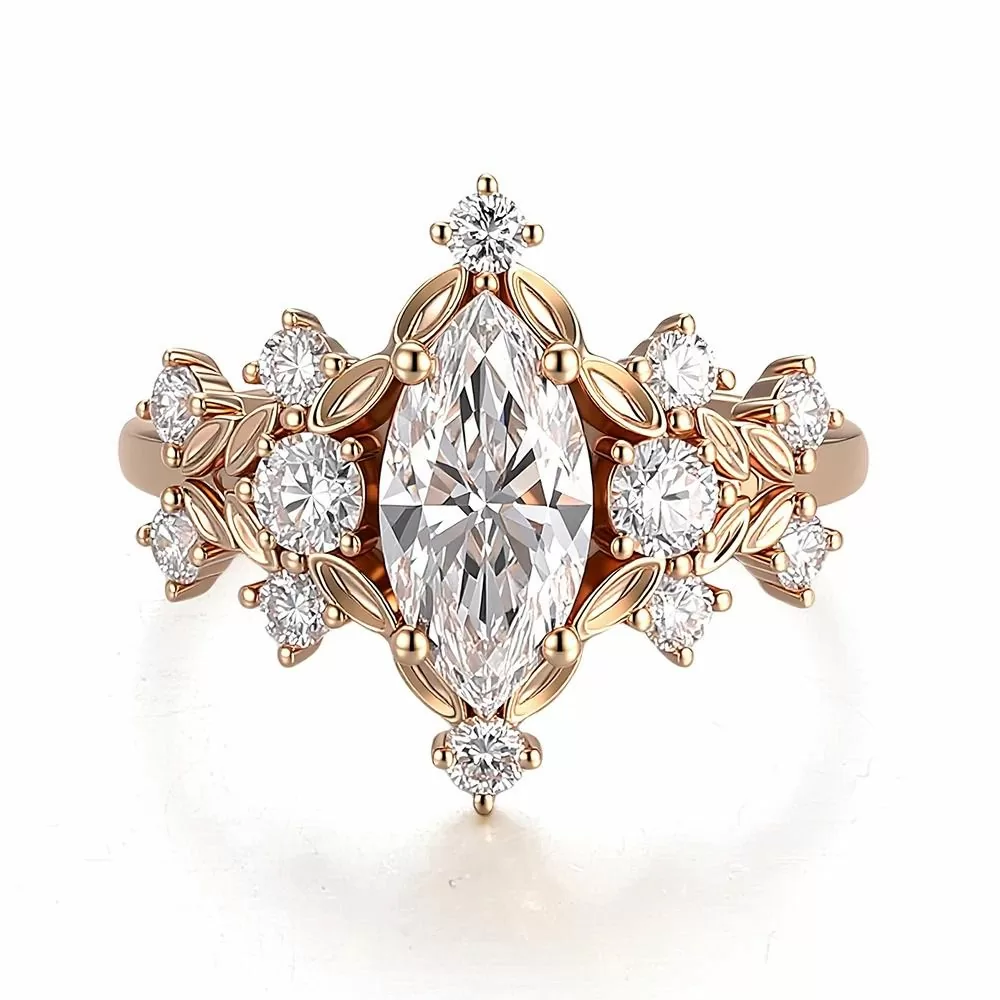
Rose gold and moissanite is a popular pairing, but the warm metal shifts how the stone reads in a way many buyers do not expect.
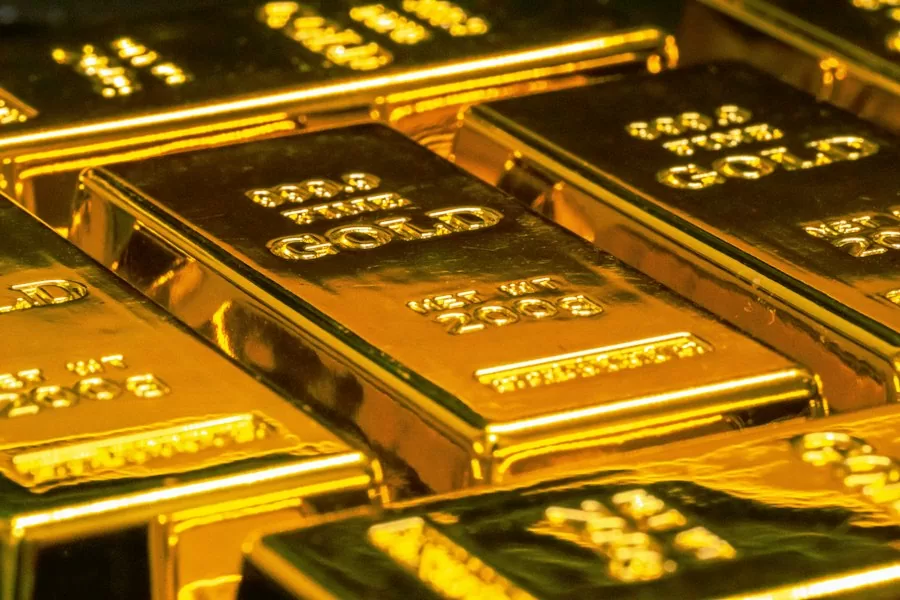
That bright white look on your white-gold ring is a thin rhodium layer, not the gold itself. It wears off unevenly, and the interval depends on how you live in the ring.
Gold color is an alloy choice, not a quality difference. Here is how the three colors are made, who they suit and what maintenance each needs.
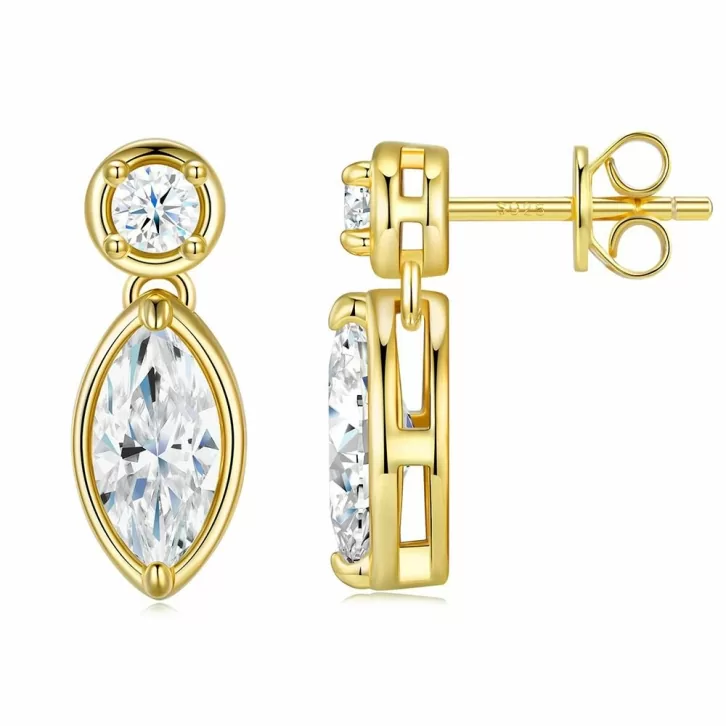
A bridal set is an engagement ring and a wedding band sold as a matched pair, designed to nest together without a gap. The advantage is a clean, intentional look; the trap is that the matching band may be hard to replace or resize if it wears first. This guide explains how bridal sets are built, what to check before you commit, whether a set saves money over buying separately, and the ways people mix and match two rings that were never sold together.
An engraving is the one part of a wedding ring nobody else will ever see, which is exactly why people value it. This guide covers the sensible length limits for a slim band, the phrases that age well versus the ones that will embarrass you in ten years, hand versus machine engraving, and how to add a date, coordinates, initials or a line from your wedding song without it looking crowded.
Men's rings have moved a long way from the plain 6mm gold band. Today the choices span tungsten, carbon fibre, black zirconium, patterned mokume, slim comfort fits and heavy signet styles. This guide walks through the practical decisions - width, metal hardness, what happens if a ring is too wide for the knuckle, which metals scratch and which dent - so the groom picks a ring he will not want to replace after a year.
An eternity band is a ring set all the way round with matching stones, usually given for an anniversary, the birth of a child, or to sit next to an engagement ring. This guide explains the difference between a full and a half eternity band, why full eternity rings are hard to resize, which setting style protects the stones best, and the occasions that actually make sense for buying one - versus buying one just because it looks pretty online.
A wedding band that does not sit flush against a solitaire will rub, tilt and leave a gap you will notice every day. The profile of both rings - flat, domed, court, knife-edge - decides whether they nest together or fight. This guide explains which band profiles pair cleanly with common solitaire settings, what a contoured or notched band actually does, and how to try the combination on before the wedding rather than after.
Those tiny symbols on the clarity plot are the geological fingerprint of the stone. What each type means, and how to read it before you buy.
MOQ starts at 5 pieces per ready-stock style; OEM/ODM custom rings follow a quoted minimum order set in the order agreement.
Ready-stock orders are prepared within 2–5 business days after confirmation. Custom, OEM and ODM projects follow a quoted lead time of 15–30 days, depending on design, metal, stone availability and order size.
Pricing is quoted per piece or per carat according to stone, metal weight, setting and finish. After you send styles, stone and quantity, our sales team returns a written price list and price range for the proposed order.
We accept T/T bank transfer, PayPal and Western Union. Custom and OEM/ODM orders require an agreed 30% deposit, with the balance paid before shipment; bulk and private-label payment terms are confirmed in the order agreement.
We keep our wholesale MOQ low, but the exact minimum is quoted on request rather than fixed on this page. Ready-stock styles can usually be ordered in small mixed batches across categories; OEM, ODM, private-label and custom packaging runs carry their own minimums depending on tooling, branding and quantity. After you send your selected styles or categories and estimated quantities, our sales team confirms the MOQ, mixed-batch options and unit price in a written quotation. Any fixed number quoted on a proposal applies to that specific order only.
Ready-stock orders are picked, inspected and packed within 2–5 business days after confirmation, subject to availability. Custom, OEM and ODM orders follow a longer quoted schedule because the project includes consultation, 3D modeling, prototype approval, production and final inspection. The total lead time depends on design complexity, metal, stone availability, setting type and order size; we state the expected production window in your quotation after reviewing the brief. No fixed production day count is promised publicly because each project differs, and sample approval always precedes bulk production.
Yes. Sample-first cooperation is standard for custom, OEM and ODM projects. For ready-stock wholesale, buyers may order a small sample batch to check quality, finish and packaging before committing to a larger order. A sample or prototype cost may apply to custom designs; that cost and whether it is credited toward a later bulk order are stated in the quotation. We recommend approving the physical sample or prototype before production begins, because changes made after approval can affect cost and lead time.