Wedding Rings
An upgrade is not a rebuy. Here is when to consider it, what to upgrade first, and how to keep the original ring's meaning intact.
699 articles in the knowledge base. Filter by topic below.
An upgrade is not a rebuy. Here is when to consider it, what to upgrade first, and how to keep the original ring's meaning intact.
The gold content difference between 9ct and 18ct is obvious on paper - 37.5% pure gold versus 75% - but the real-world trade-off is about hardness, colour, price and how the band ages on a finger. This guide compares the two on durability, cost, allergy risk, colour depth, resale and what British shoppers have traditionally chosen, so you can decide which carat actually suits daily wear rather than the label.
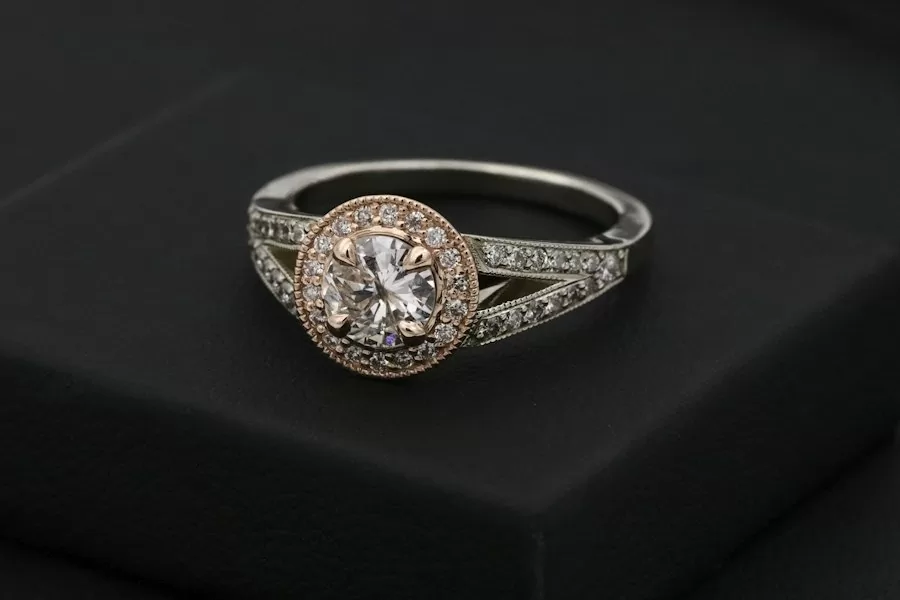
The halo setting surrounds the center stone with a ring of smaller diamonds to boost size and sparkle. It is one of the most popular modern engagement ring styles, but it is not for everyone.
Prong count changes how a diamond looks and how well it stays put. Four and six prongs each have real trade-offs in security, sparkle, and stone coverage.
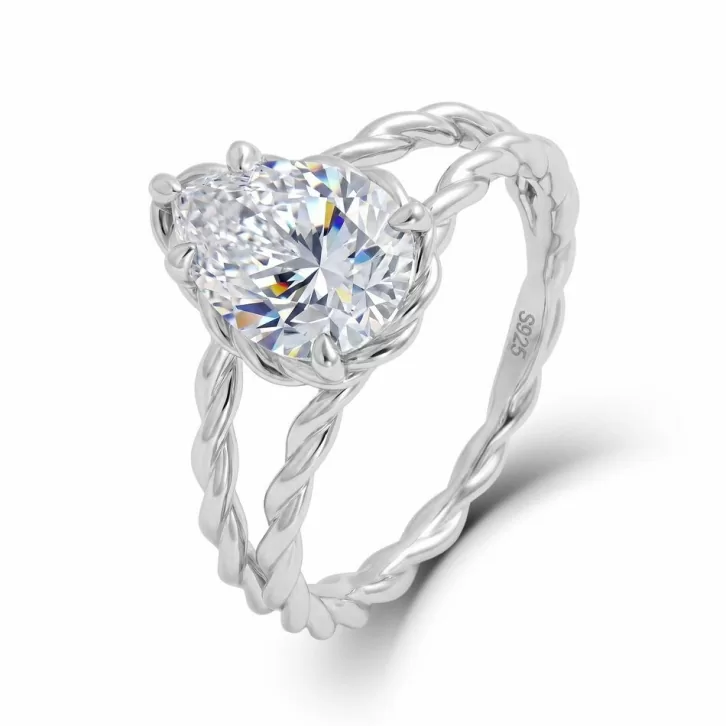
A diamond bought on holiday can be a bargain — or a customs bill. Here is how EU jewellery buying works for UK residents.
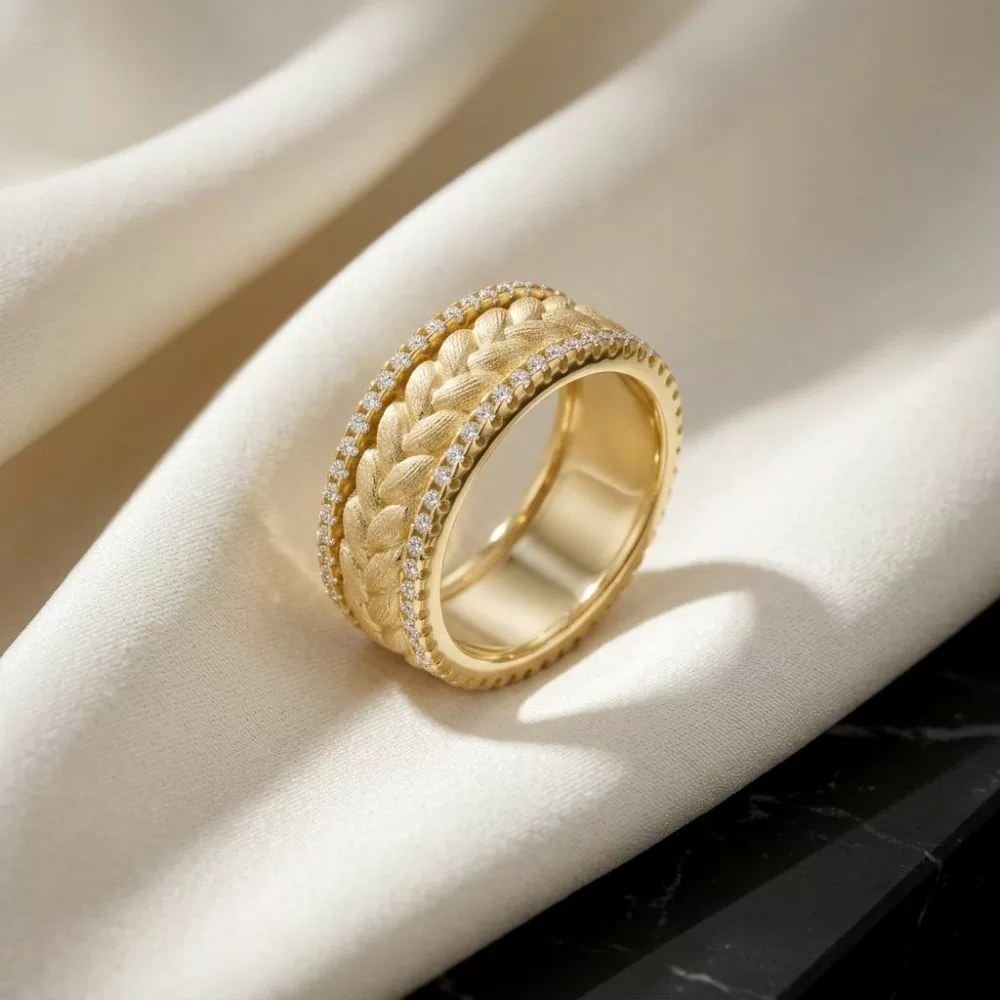
A no-kit method for measuring ring size at home, plus timing tips, knuckle rules and when to size up for wider bands.
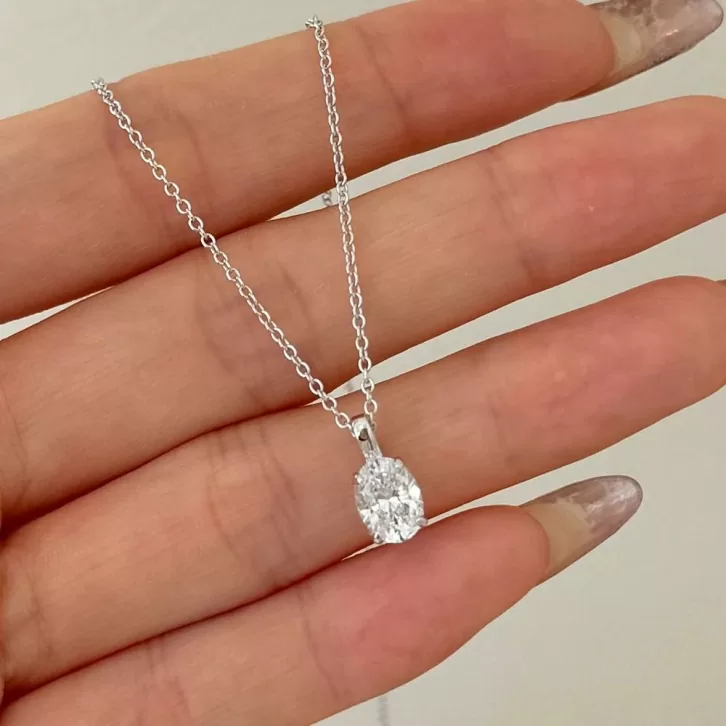
Most ring damage is not a single accident. It is years of doing up buttons, lifting weights, applying fake tan, gardening, typing with a heavy setting, or sleeping in a thin band, until a prong snaps or the shank thins to a wire. This guide lists the daily habits that quietly wear a ring down, which are genuinely risky and which are harmless fuss, and the small adjustments that add years to a ring's life.
Melee can make up a fraction of a ring's carat weight but drive a huge share of its sparkle. Here is how they are graded.
Sterling silver tarnishes because it reacts with sulfur in the air. The fix is storage, occasional polishing and knowing which home tricks work.
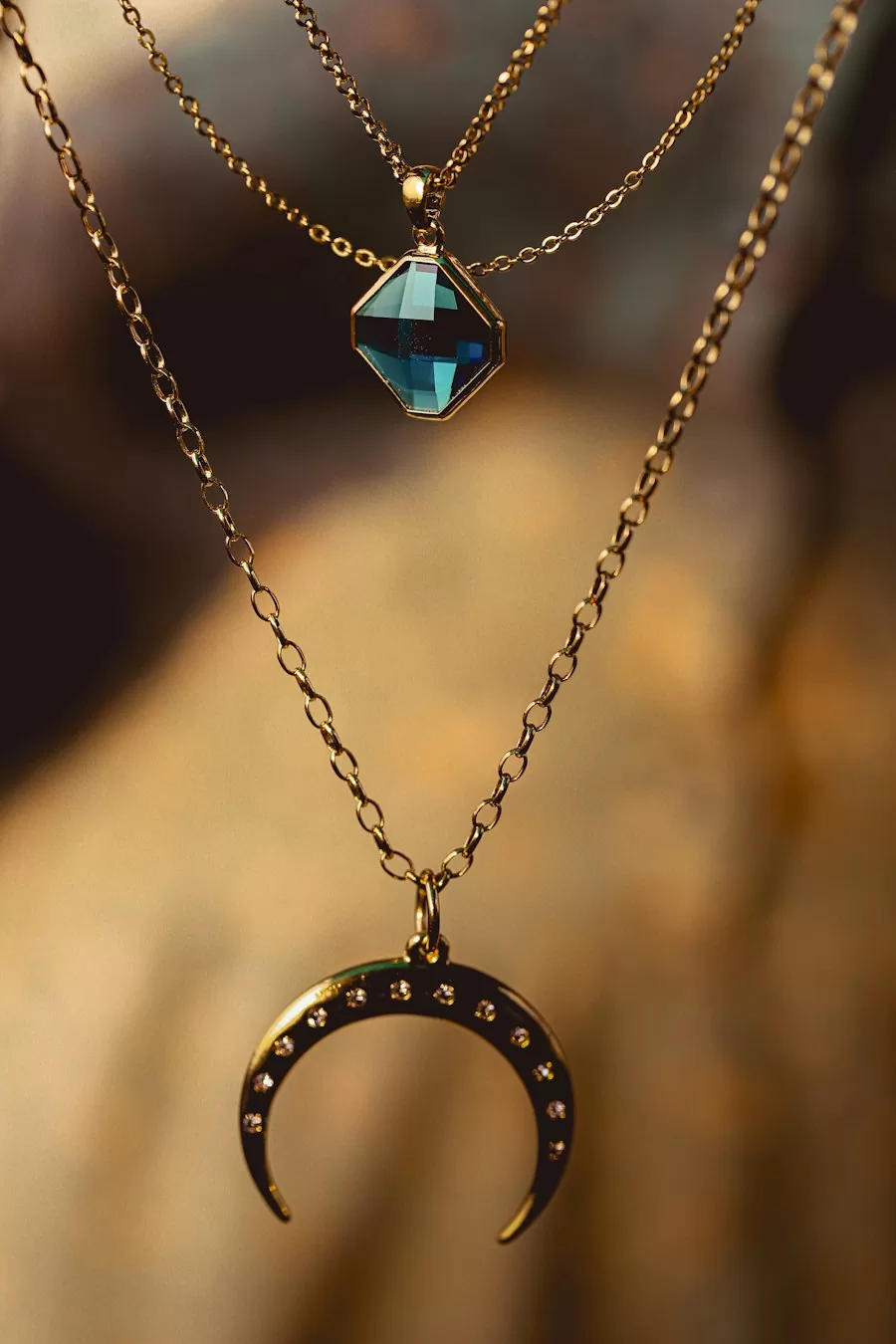
A standard heat-based diamond tester will usually flag moissanite as diamond, which is why serious jewellers add an electrical-conductivity step before calling a stone real.
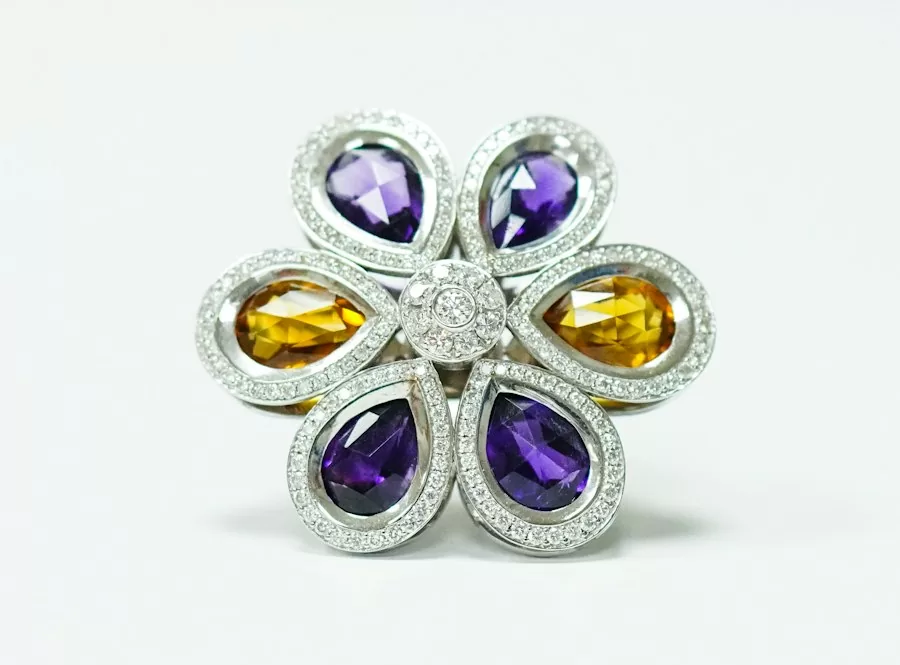
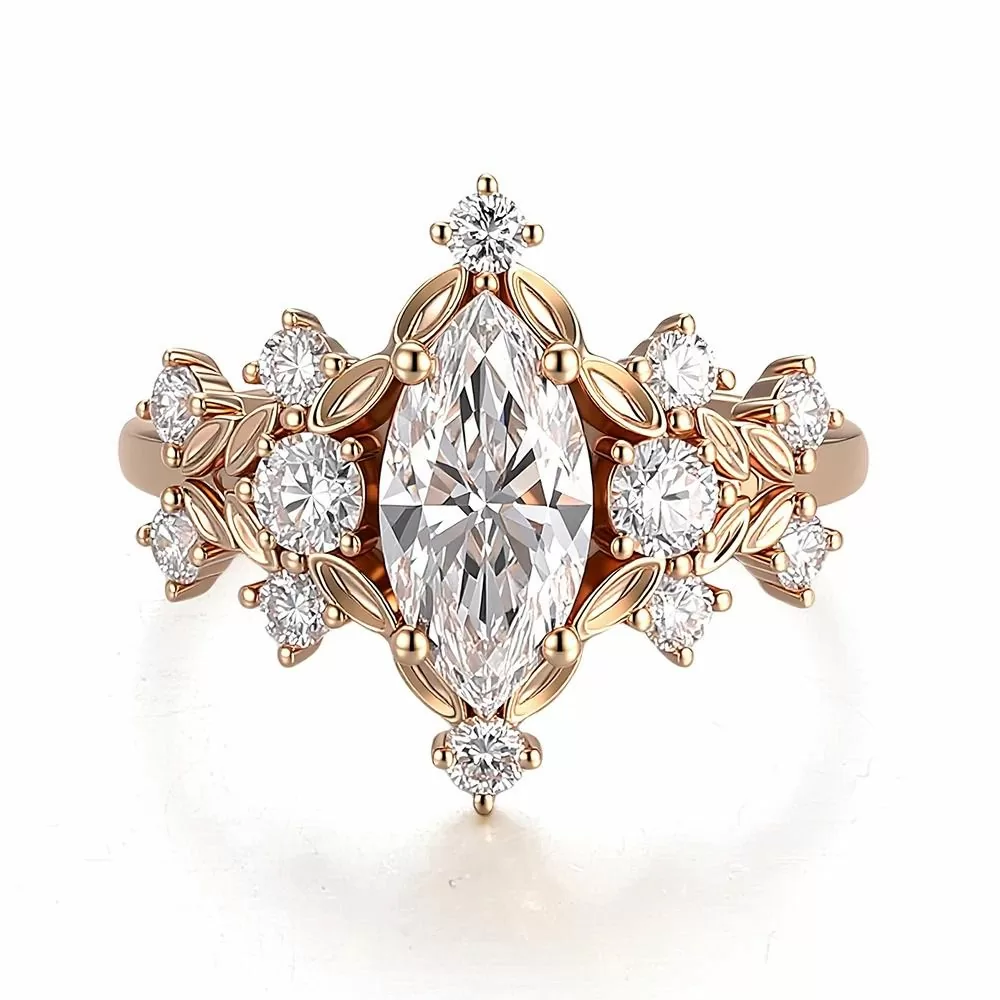
Upgrading an engagement ring can mean a new center stone, a fresh setting, or restyling the one you love. Here are your real options and what each costs.
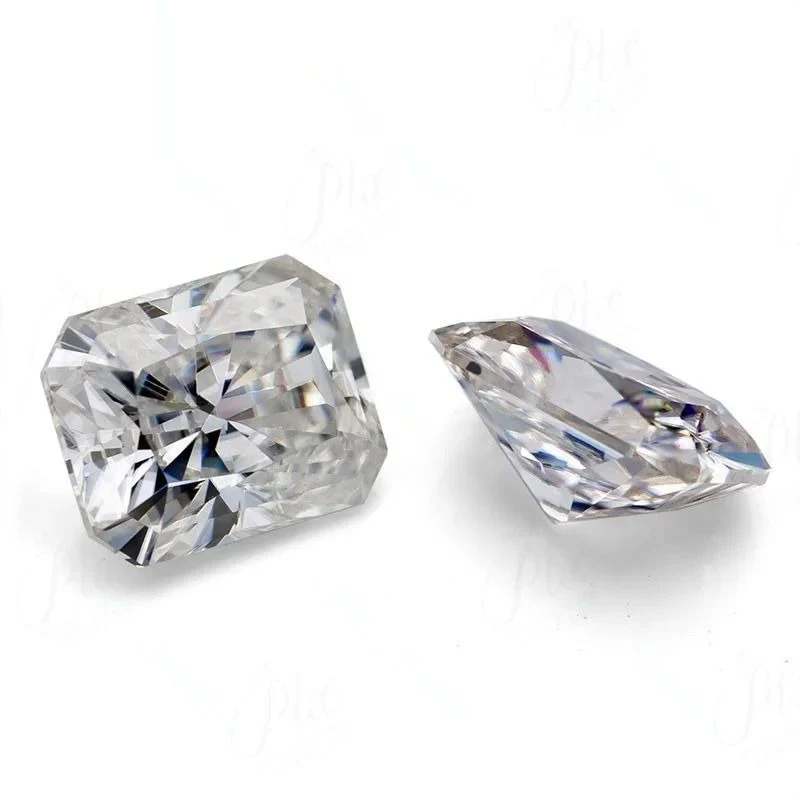
If a diamond tester says your moissanite is a diamond, that is not a marketing trick. The physics of heat conduction explains it.
A bezel hides fire, a halo amplifies it, and prong choice affects both sparkle and security. The right setting can make a moissanite look its best.
Moissanite throws more rainbow color than diamond because its dispersion is more than double. What that means, how cut tames it, and why it is a preference.
A green finger after wearing a gold ring usually means copper in the alloy is reacting with your skin — and it doesn't mean the ring is fake.

Online moissanite retailers offer serious savings, but the stones look very different on a screen than on a finger. This checklist keeps you from ending up with a yellowed, poorly cut surprise.
A full-eternity band usually cannot be resized. Here is why, what half-eternity allows, and the alternatives if it is too tight.
Both are affordable and ethically made, but moissanite and lab grown diamonds are optically, physically and financially different. Here is the honest comparison.
Moissanite costs a tenth of a diamond and often looks brighter. Here is where it wins, where it loses, and what to know before you buy.
Moissanite is sold as colourless or near-colorless. The difference is real but smaller than you think, and the right choice depends on your ring metal.
Moissanite's optical numbers are very different from diamond's, and that difference is exactly what produces its characteristic flashes of colour.
Moissanite is grown in a laboratory rather than mined, which raises important ethical and environmental questions worth understanding before purchase.
A ring that has been worn for a few years almost always needs something: prongs tightened, a re-finish, a resize, or a fresh coat of rhodium on white gold. This guide lists the common repairs UK jewellers carry out, realistic price ranges in pounds, how often a white gold ring needs re-plating, when polishing removes too much metal, and the warning that a ring can only be polished so many times before it becomes too thin.
Most lost engagement stones are not the result of a hard knock but of prongs that thinned and bent over years of unnoticed wear. Knowing what to look for can save the stone.
MOQ starts at 5 pieces per ready-stock style; OEM/ODM custom rings follow a quoted minimum order set in the order agreement.
Ready-stock orders are prepared within 2–5 business days after confirmation. Custom, OEM and ODM projects follow a quoted lead time of 15–30 days, depending on design, metal, stone availability and order size.
Pricing is quoted per piece or per carat according to stone, metal weight, setting and finish. After you send styles, stone and quantity, our sales team returns a written price list and price range for the proposed order.
We accept T/T bank transfer, PayPal and Western Union. Custom and OEM/ODM orders require an agreed 30% deposit, with the balance paid before shipment; bulk and private-label payment terms are confirmed in the order agreement.
We keep our wholesale MOQ low, but the exact minimum is quoted on request rather than fixed on this page. Ready-stock styles can usually be ordered in small mixed batches across categories; OEM, ODM, private-label and custom packaging runs carry their own minimums depending on tooling, branding and quantity. After you send your selected styles or categories and estimated quantities, our sales team confirms the MOQ, mixed-batch options and unit price in a written quotation. Any fixed number quoted on a proposal applies to that specific order only.
Ready-stock orders are picked, inspected and packed within 2–5 business days after confirmation, subject to availability. Custom, OEM and ODM orders follow a longer quoted schedule because the project includes consultation, 3D modeling, prototype approval, production and final inspection. The total lead time depends on design complexity, metal, stone availability, setting type and order size; we state the expected production window in your quotation after reviewing the brief. No fixed production day count is promised publicly because each project differs, and sample approval always precedes bulk production.
Yes. Sample-first cooperation is standard for custom, OEM and ODM projects. For ready-stock wholesale, buyers may order a small sample batch to check quality, finish and packaging before committing to a larger order. A sample or prototype cost may apply to custom designs; that cost and whether it is credited toward a later bulk order are stated in the quotation. We recommend approving the physical sample or prototype before production begins, because changes made after approval can affect cost and lead time.