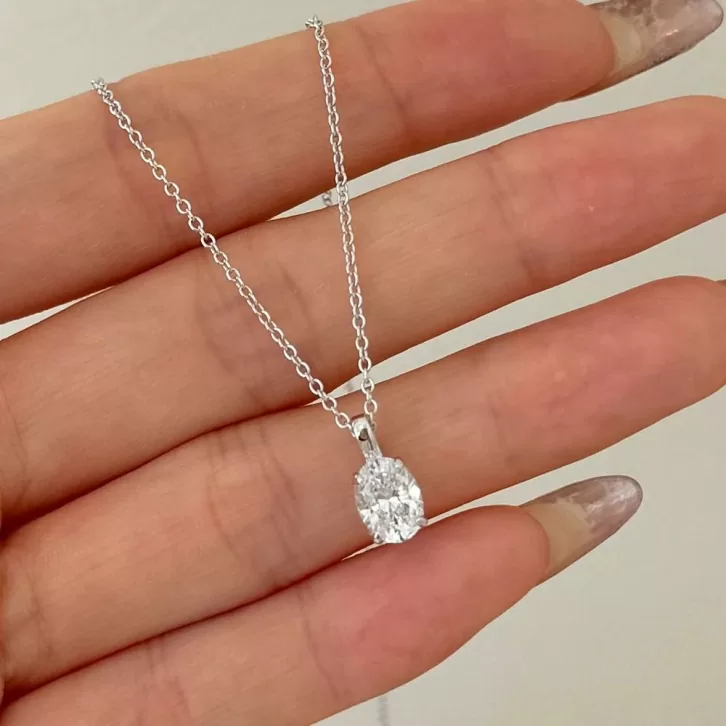
Care & Maintenance
Soak, brush gently, rinse and dry. The routine that removes lotion film, checks prongs and keeps the ring bright without damaging the setting.
699 articles in the knowledge base. Filter by topic below.
Soak, brush gently, rinse and dry. The routine that removes lotion film, checks prongs and keeps the ring bright without damaging the setting.
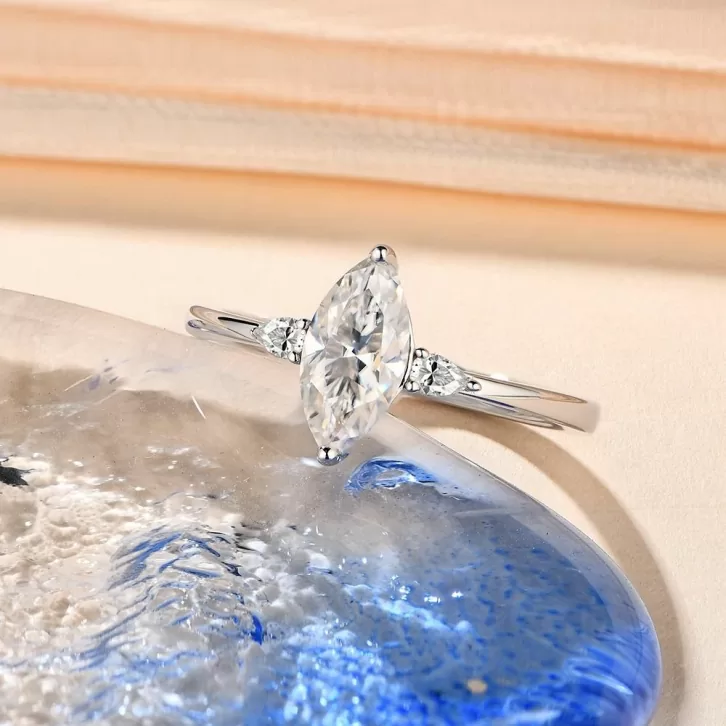
Should you buy the diamond separately and set it yourself, or choose a ready-made ring? Here is the trade-off in cost and control.
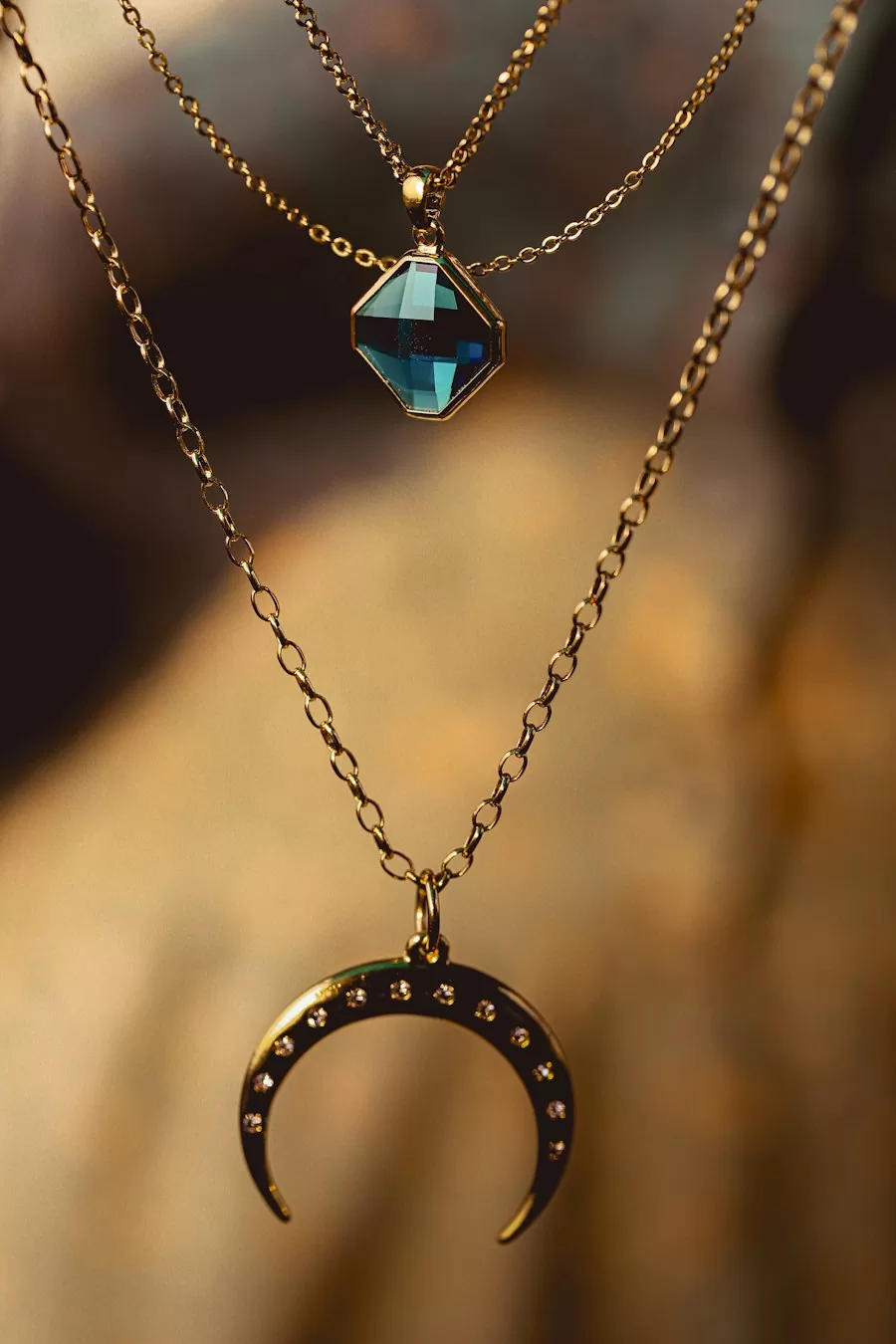
Moissanite weighs less per millimetre than diamond, so its carat number understates how big it actually looks on the hand.
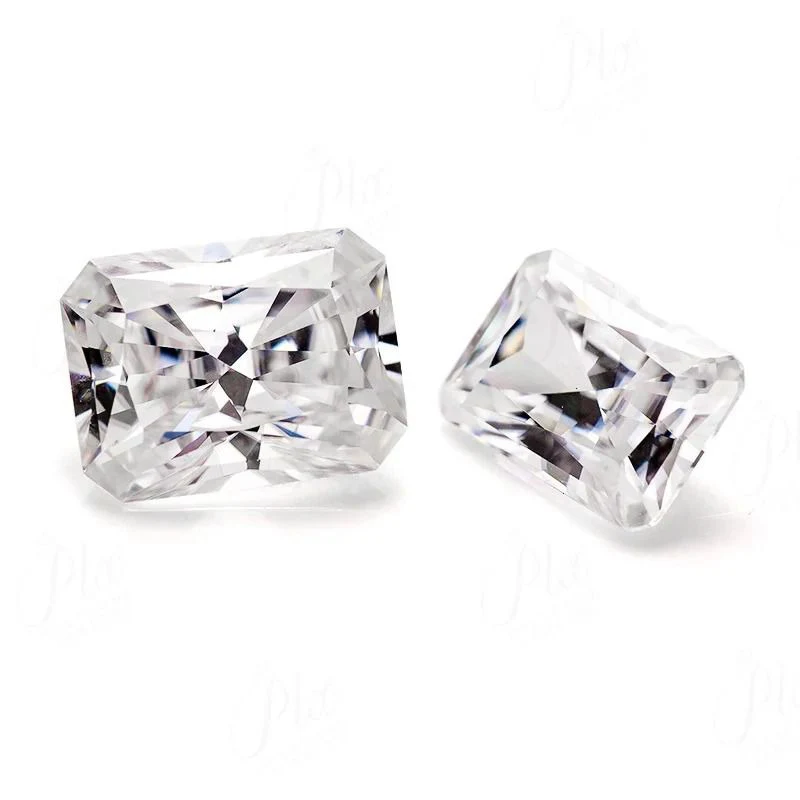
Most diamonds glow blue under a black light for a few seconds; some glow orange, green, or yellow. The GIA notes it separately on your report.
A ring worn daily picks up hand cream, soap, skin oils and microscopic dirt within a week, and that grime is exactly what stops a diamond returning light. This guide sets a realistic cleaning routine for a daily-wear ring, explains the difference between a quick home clean and a professional ultrasonic clean, tells you when visible dullness means more than dirt, and warns against over-cleaning the parts of a ring that actually need repair.
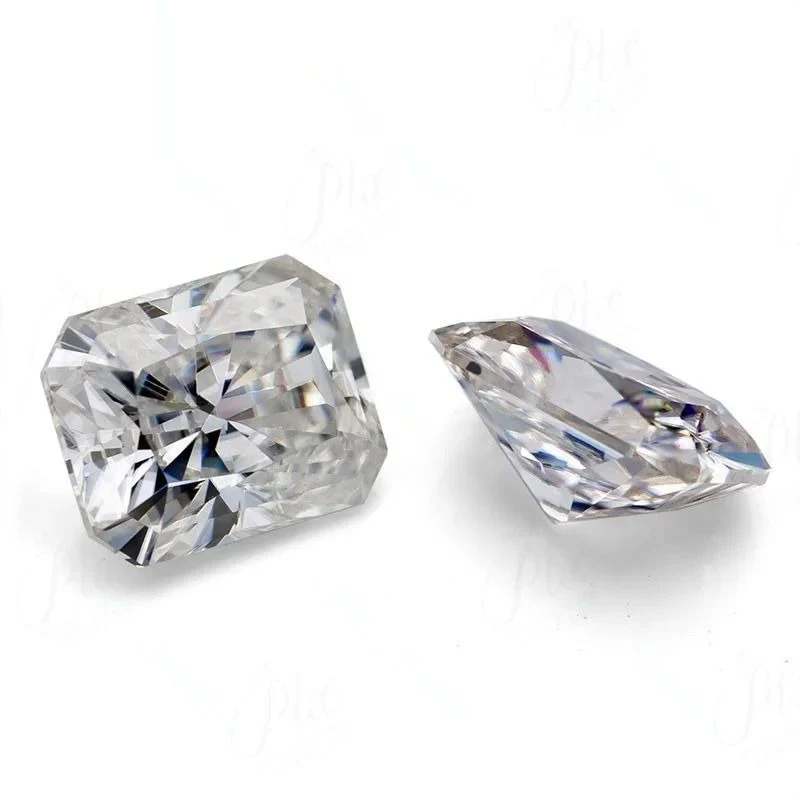
Moissanite fires twice as hard as diamond. In direct sun it can read as costume. Cut controls it.
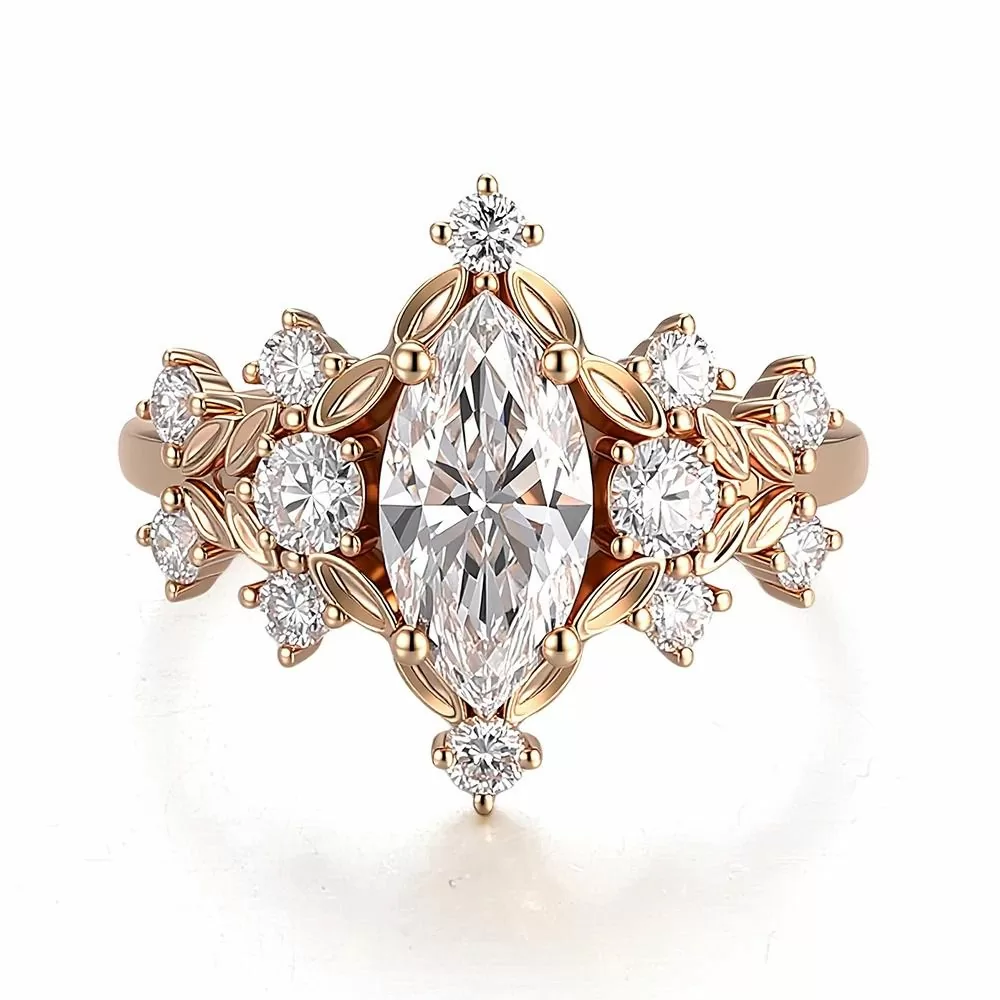
An eternity ring is a third ring, usually given on an anniversary or after children. Half or full, resizing, and the honest cost.
A halo adds sparkle and visual size; a solitaire keeps all the attention on the centre stone. Here is how to weigh the two.
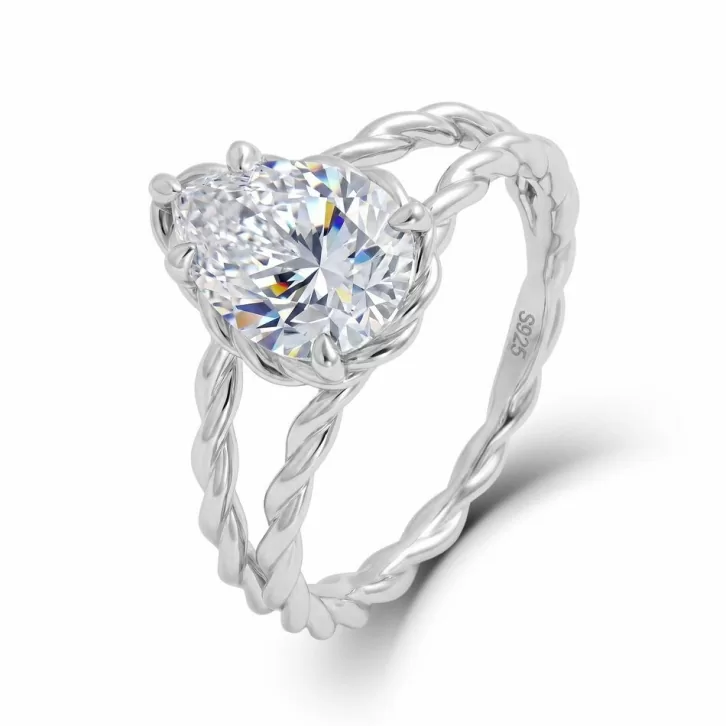
Online engagement ring buying is not riskier than in-store if you follow five steps: budget, stone, report, size, approval. Here is the process end to end.
Phosphorescence is the faint glow a diamond keeps after ultraviolet light is removed. It is related to fluorescence but is a separate, usually harmless trait.
A halo or pavé setting is held together by dozens of tiny diamonds called melee. They are graded in parcels, sold by weight, and they quietly decide how bright your ring looks.
Hand sanitiser, perfume, hairspray, household bleach, chlorine and even suntan lotion do not attack diamonds directly, but they coat them in a film that kills sparkle, and they genuinely damage softer coloured stones, pearls and plated white gold. This guide lists the everyday chemicals that age jewellery, which are harmless to a diamond solitaire, which will eat a pearl or dull rhodium plating, and the simple habit that avoids most of the damage.
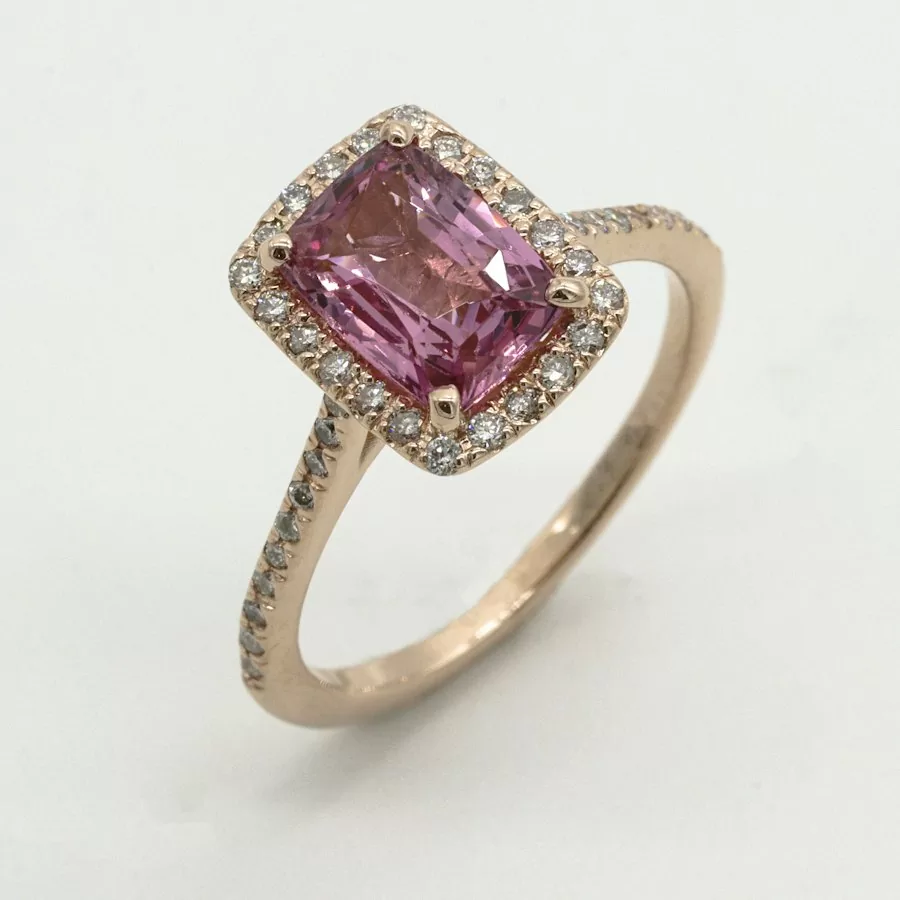
A bezel wraps the stone in metal rather than gripping it with prongs, which makes it one of the most secure settings for everyday wear.
Cut grade letters hide real numbers. Here are the proportion ranges that make a diamond sparkle, in plain terms.
Hearts and arrows is a precision pattern seen through a special scope. It hints at excellent alignment, but it is not a grading grade on its own.
The moissanite in almost every ring today is lab-created. Here is where the natural version comes from and why you almost certainly do not need to chase it.
The engagement ring industry is built on folklore. We separate the ten most expensive myths from the gemology and economics that actually matter.
Symmetry and polish sit just below cut grade on the lab report. Here is what they actually control, and where buyers can safely save money.
Moissanite clarity grading works differently from diamond grading, and most commercial stones are sold on an eye-clean basis rather than a formal scale.
A grading report looks dense, but most of it is simple once you know which lines drive price and which are background detail.
The table is the largest facet on your diamond, and its width relative to the whole stone drives how light enters and exits. Crown angle is the other half of the equation.

Promise rings and engagement rings both signal commitment, but they sit at very different points in a relationship. Here is how the two compare on meaning, budget, finger, and timing.
9ct, 18ct, platinum or palladium? Here is how the four common wedding ring metals actually differ on your finger.
Depth percentage is one of the least understood numbers on a diamond report. Here is what it measures and why it matters more for some shapes than others.
MOQ starts at 5 pieces per ready-stock style; OEM/ODM custom rings follow a quoted minimum order set in the order agreement.
Ready-stock orders are prepared within 2–5 business days after confirmation. Custom, OEM and ODM projects follow a quoted lead time of 15–30 days, depending on design, metal, stone availability and order size.
Pricing is quoted per piece or per carat according to stone, metal weight, setting and finish. After you send styles, stone and quantity, our sales team returns a written price list and price range for the proposed order.
We accept T/T bank transfer, PayPal and Western Union. Custom and OEM/ODM orders require an agreed 30% deposit, with the balance paid before shipment; bulk and private-label payment terms are confirmed in the order agreement.
We keep our wholesale MOQ low, but the exact minimum is quoted on request rather than fixed on this page. Ready-stock styles can usually be ordered in small mixed batches across categories; OEM, ODM, private-label and custom packaging runs carry their own minimums depending on tooling, branding and quantity. After you send your selected styles or categories and estimated quantities, our sales team confirms the MOQ, mixed-batch options and unit price in a written quotation. Any fixed number quoted on a proposal applies to that specific order only.
Ready-stock orders are picked, inspected and packed within 2–5 business days after confirmation, subject to availability. Custom, OEM and ODM orders follow a longer quoted schedule because the project includes consultation, 3D modeling, prototype approval, production and final inspection. The total lead time depends on design complexity, metal, stone availability, setting type and order size; we state the expected production window in your quotation after reviewing the brief. No fixed production day count is promised publicly because each project differs, and sample approval always precedes bulk production.
Yes. Sample-first cooperation is standard for custom, OEM and ODM projects. For ready-stock wholesale, buyers may order a small sample batch to check quality, finish and packaging before committing to a larger order. A sample or prototype cost may apply to custom designs; that cost and whether it is credited toward a later bulk order are stated in the quotation. We recommend approving the physical sample or prototype before production begins, because changes made after approval can affect cost and lead time.