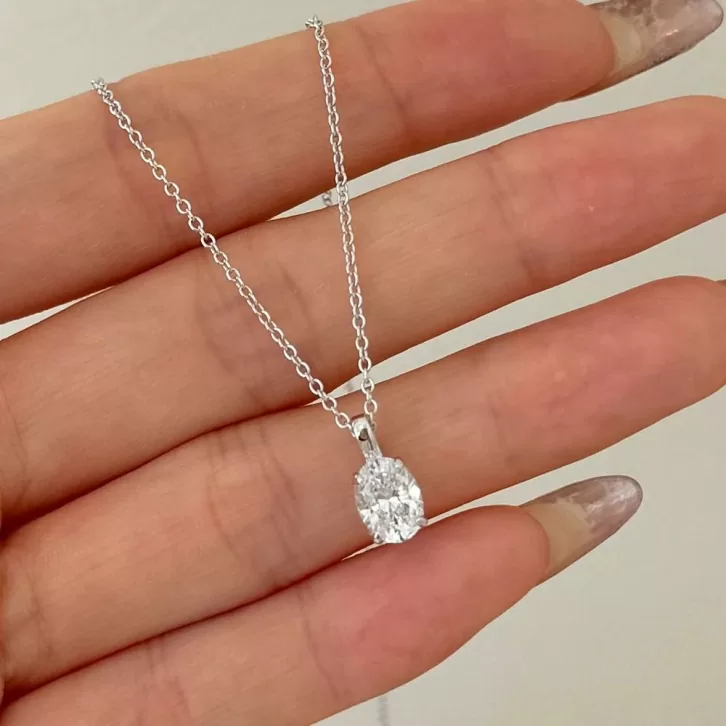
Care & Maintenance
Most household cleaning hacks damage jewelry. Learn which home items are safe for diamond, gold, silver, pearls and colored stones.
699 articles in the knowledge base. Filter by topic below.
Most household cleaning hacks damage jewelry. Learn which home items are safe for diamond, gold, silver, pearls and colored stones.
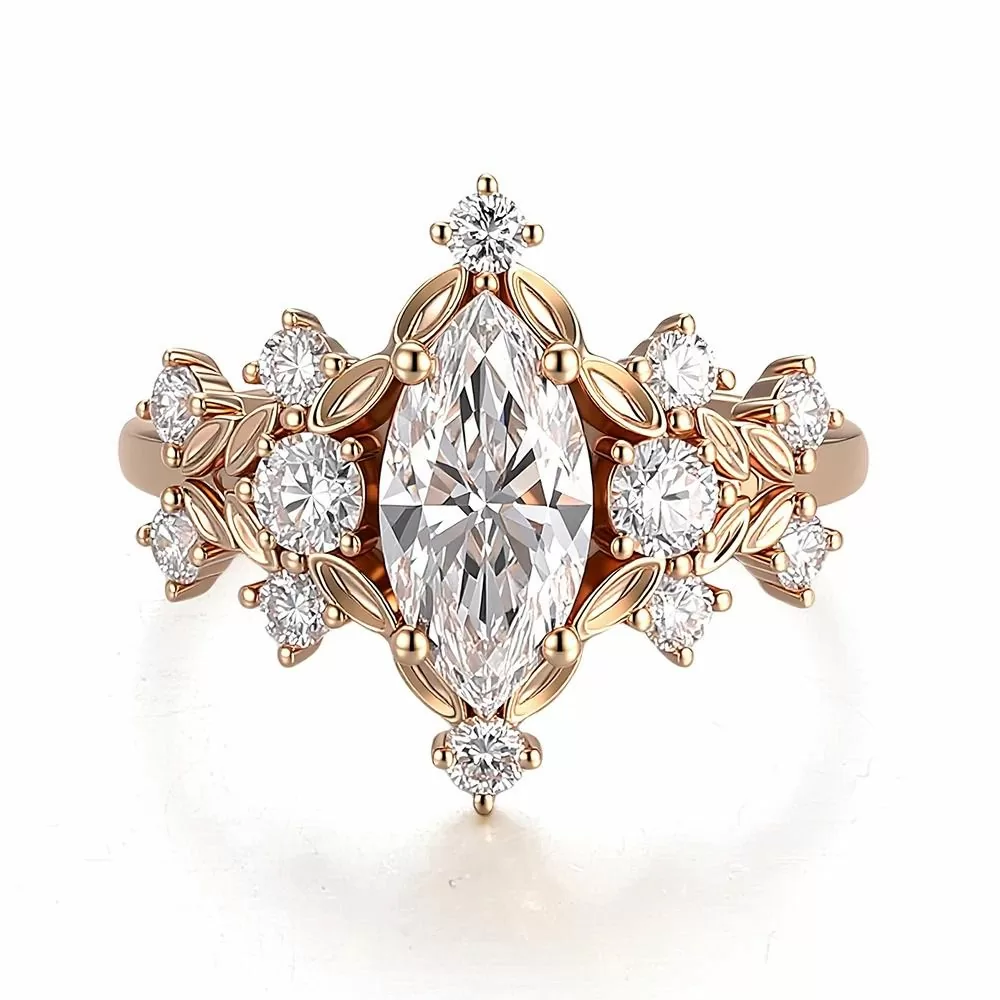
The metal that looks toughest on day one is not always the one that survives ten years of hands.
Stacking is the repeat-purchase engine. Here is the width, finish, and stone-hardness rulebook for curating a stackable line.
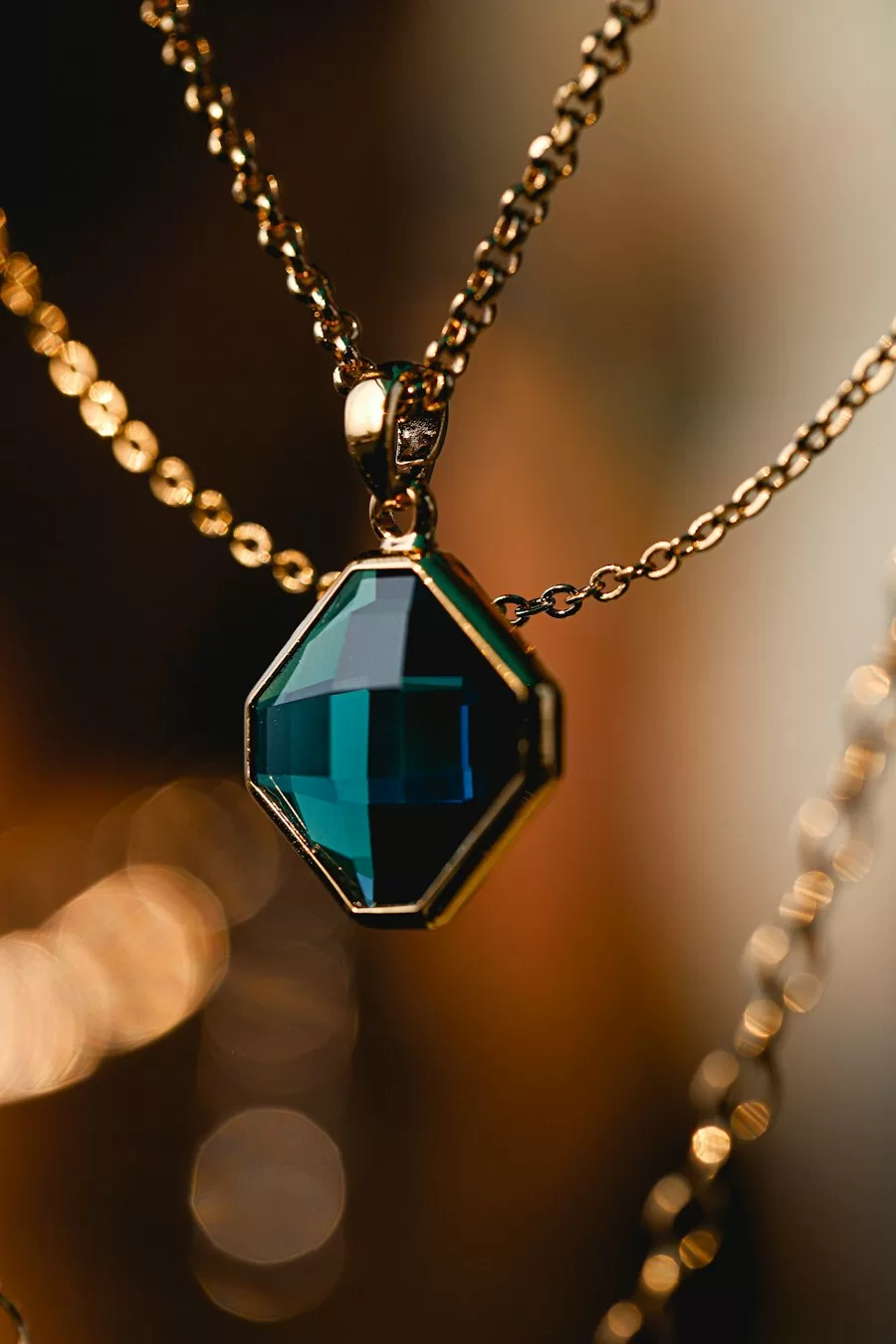
Once a yellow, pink or blue diamond holds noticeable color, it leaves the D-to-Z scale and enters the fancy-color system. Here is how that grading works.
Step cuts and brilliant cuts catch light in completely different ways. Here is how each one performs, what it costs, and who should pick which.
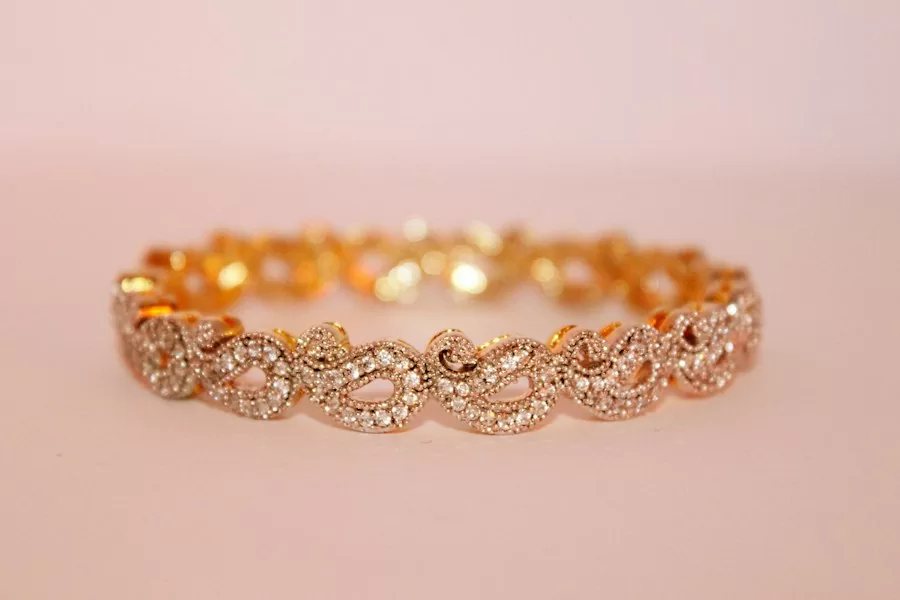
Alcohol-based hand sanitiser gets all the attention, but it's the everyday hand cream and makeup residue that quietly dulls a diamond. Here's what's really safe and what isn't.
Two numbers on a grading report quietly decide how bright your diamond looks. We explain table % and depth % in plain English.
Not every ring can be sized. Here is which designs resize cleanly, which need a new ring, and how far a band can safely move.
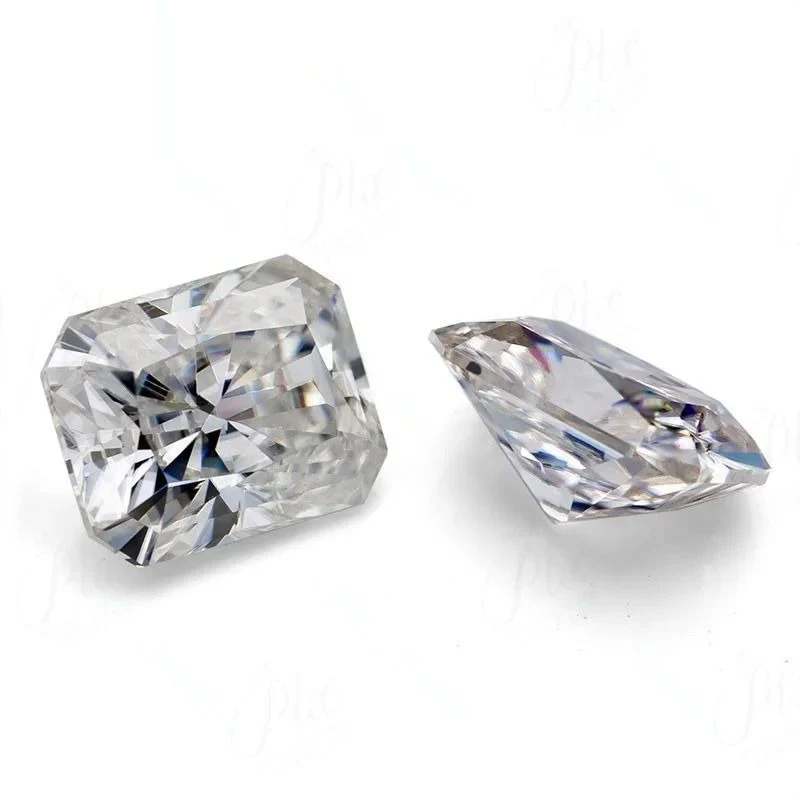
Diamond is hardest, but moissanite is close. Here is what the hardness numbers mean for a ring you wear every day.
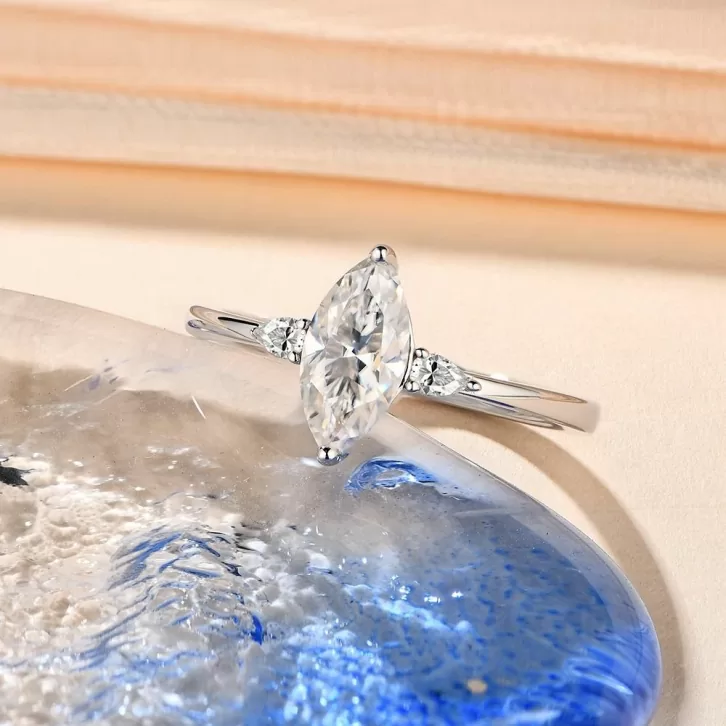
Prices for the same diamond swing wildly between retailers. Here is what each budget band realistically buys on the UK high street and online.
Moissanite looks dramatically different under sunlight, soft indoor light and candlelight. Understanding how it behaves in each environment helps you set realistic expectations.
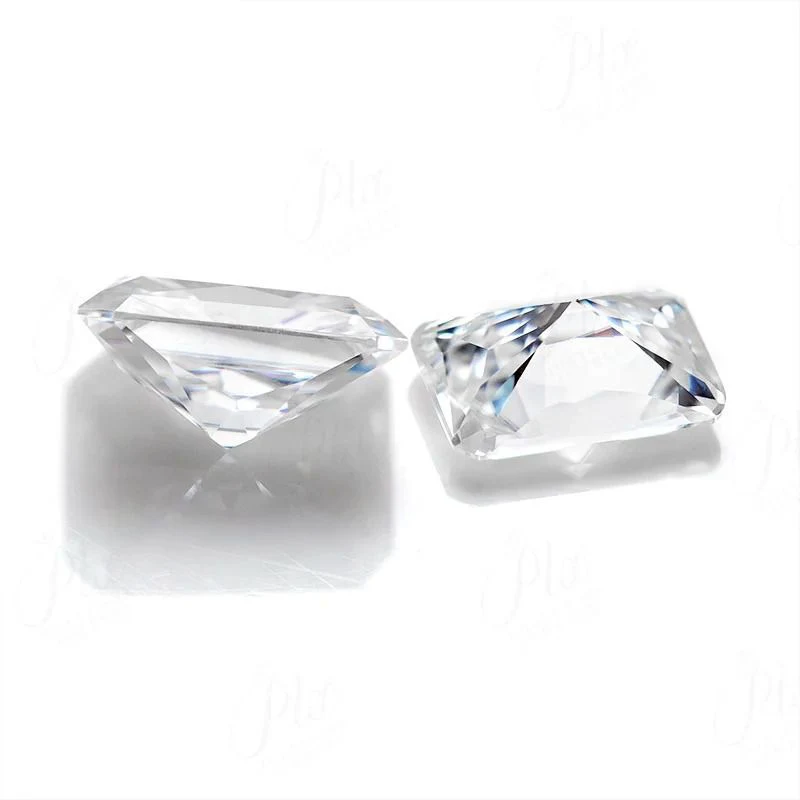
Composition, hardness and optical behavior match. What changes is price, supply chain narrative and resale value. We lay out the differences plainly.
Platinum and palladium are both white precious metals, yet they feel nothing alike. Platinum is dense, heavy and develops a soft patina; palladium is light, modern and roughly half the price. This guide compares the two on cost, weight, colour, allergy risk, how each ages, and which suits a wide band or a slim comfort fit, so you do not pay platinum money for a feel you will not actually enjoy.
A laser-inscribed number on the girdle is your diamond's fingerprint. Here is what it means and how to confirm it matches the certificate.

A ring warranty is rarely an insurance policy. Knowing the difference between free servicing, paid repairs and accidental loss cover stops you from assuming more than you have.
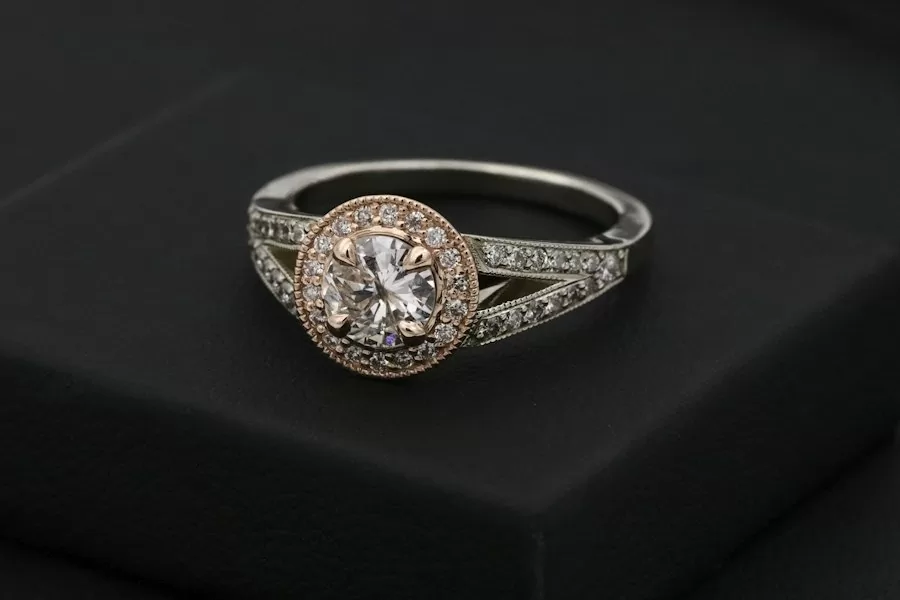
Ring shape can balance, lengthen or widen your features just like a haircut. Here is a plain-English guide to matching stone shape to face shape.
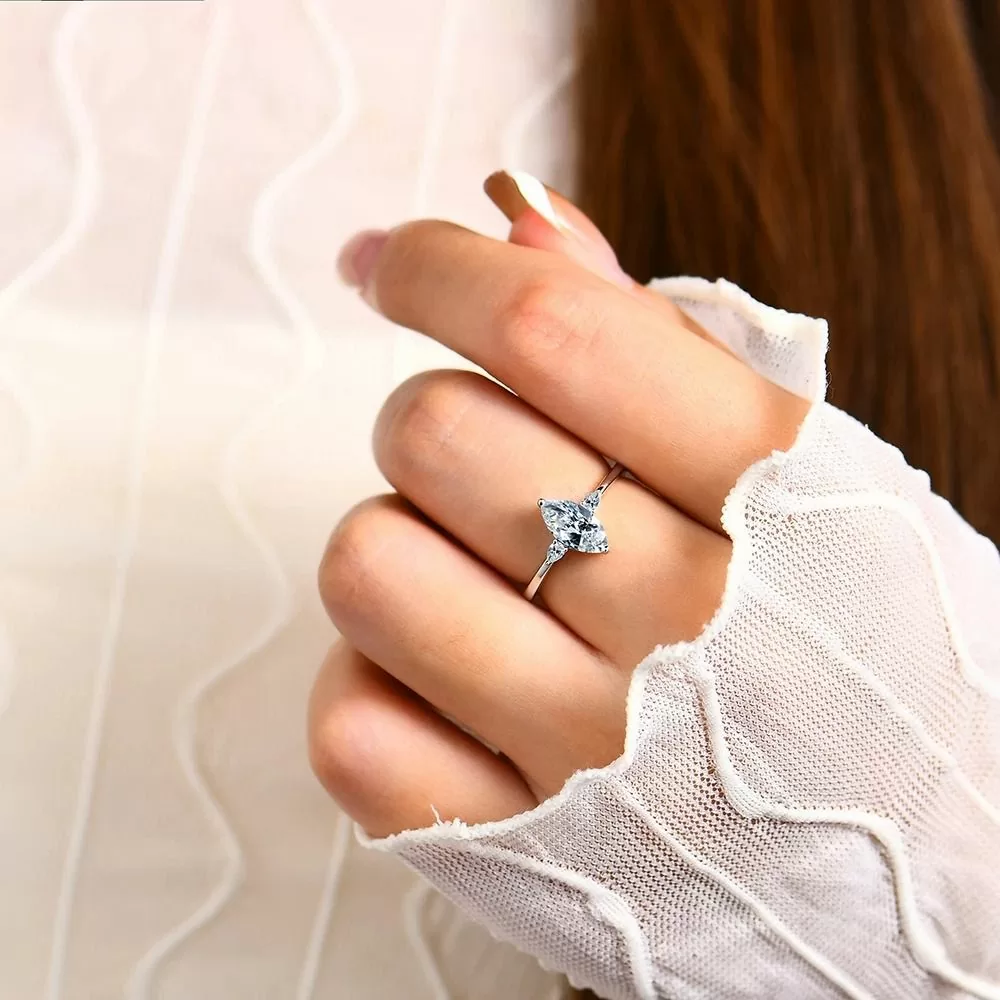
Both metals look white. They age, weigh and cost very differently. Here is the UK comparison most jewellers won't spell out.
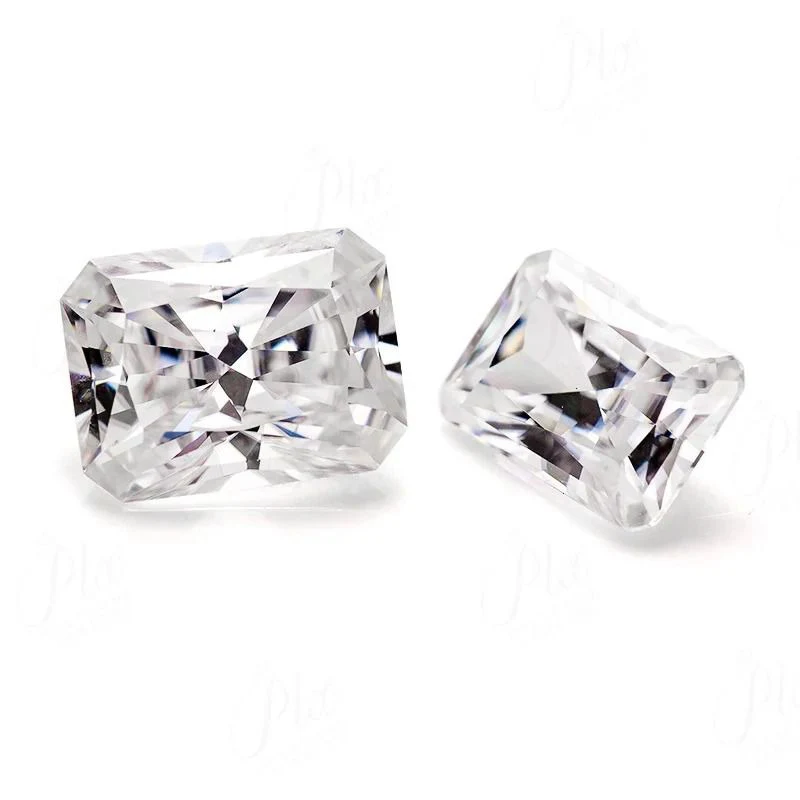
That dark band across the middle of many oval diamonds is the bowtie effect, and some elongated shapes fight it more than others.
Some birthstones are ring-hard. Others scratch the first month you wear them. Here is the durability breakdown by month.
A halo adds a ring of small diamonds around the centre, which boosts both visual size and sparkle, but it also changes how the ring wears and ages.
A polishing cloth is the simplest between-cleaning tool you own — but using it wrong can scratch fine details.
Platinum and silver both scratch, but only one sheds metal. Explain the price gap.
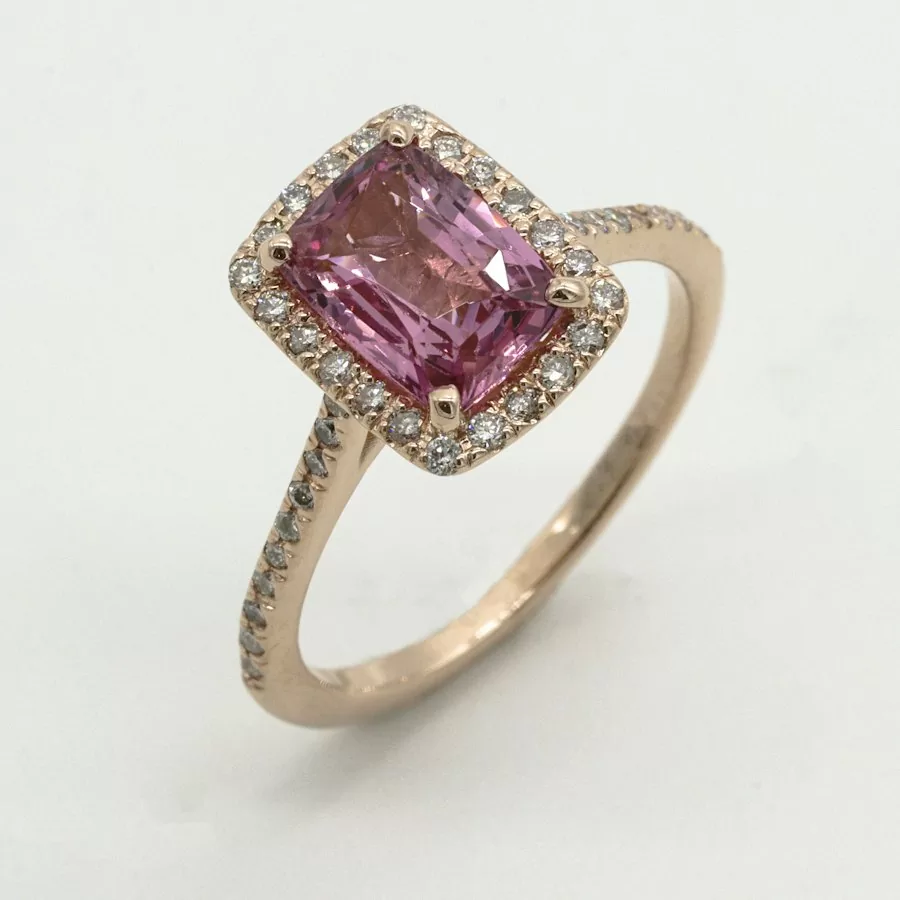
Platinum scratches develop a soft satin patina, but the metal is not wearing away—it is moving. Here is how to care for it and polish it back when you want.
Wrong cleaner etches gold, strips plating and loosens prongs. The short safe list, and the household products you should keep far from your ring.
MOQ starts at 5 pieces per ready-stock style; OEM/ODM custom rings follow a quoted minimum order set in the order agreement.
Ready-stock orders are prepared within 2–5 business days after confirmation. Custom, OEM and ODM projects follow a quoted lead time of 15–30 days, depending on design, metal, stone availability and order size.
Pricing is quoted per piece or per carat according to stone, metal weight, setting and finish. After you send styles, stone and quantity, our sales team returns a written price list and price range for the proposed order.
We accept T/T bank transfer, PayPal and Western Union. Custom and OEM/ODM orders require an agreed 30% deposit, with the balance paid before shipment; bulk and private-label payment terms are confirmed in the order agreement.
We keep our wholesale MOQ low, but the exact minimum is quoted on request rather than fixed on this page. Ready-stock styles can usually be ordered in small mixed batches across categories; OEM, ODM, private-label and custom packaging runs carry their own minimums depending on tooling, branding and quantity. After you send your selected styles or categories and estimated quantities, our sales team confirms the MOQ, mixed-batch options and unit price in a written quotation. Any fixed number quoted on a proposal applies to that specific order only.
Ready-stock orders are picked, inspected and packed within 2–5 business days after confirmation, subject to availability. Custom, OEM and ODM orders follow a longer quoted schedule because the project includes consultation, 3D modeling, prototype approval, production and final inspection. The total lead time depends on design complexity, metal, stone availability, setting type and order size; we state the expected production window in your quotation after reviewing the brief. No fixed production day count is promised publicly because each project differs, and sample approval always precedes bulk production.
Yes. Sample-first cooperation is standard for custom, OEM and ODM projects. For ready-stock wholesale, buyers may order a small sample batch to check quality, finish and packaging before committing to a larger order. A sample or prototype cost may apply to custom designs; that cost and whether it is credited toward a later bulk order are stated in the quotation. We recommend approving the physical sample or prototype before production begins, because changes made after approval can affect cost and lead time.