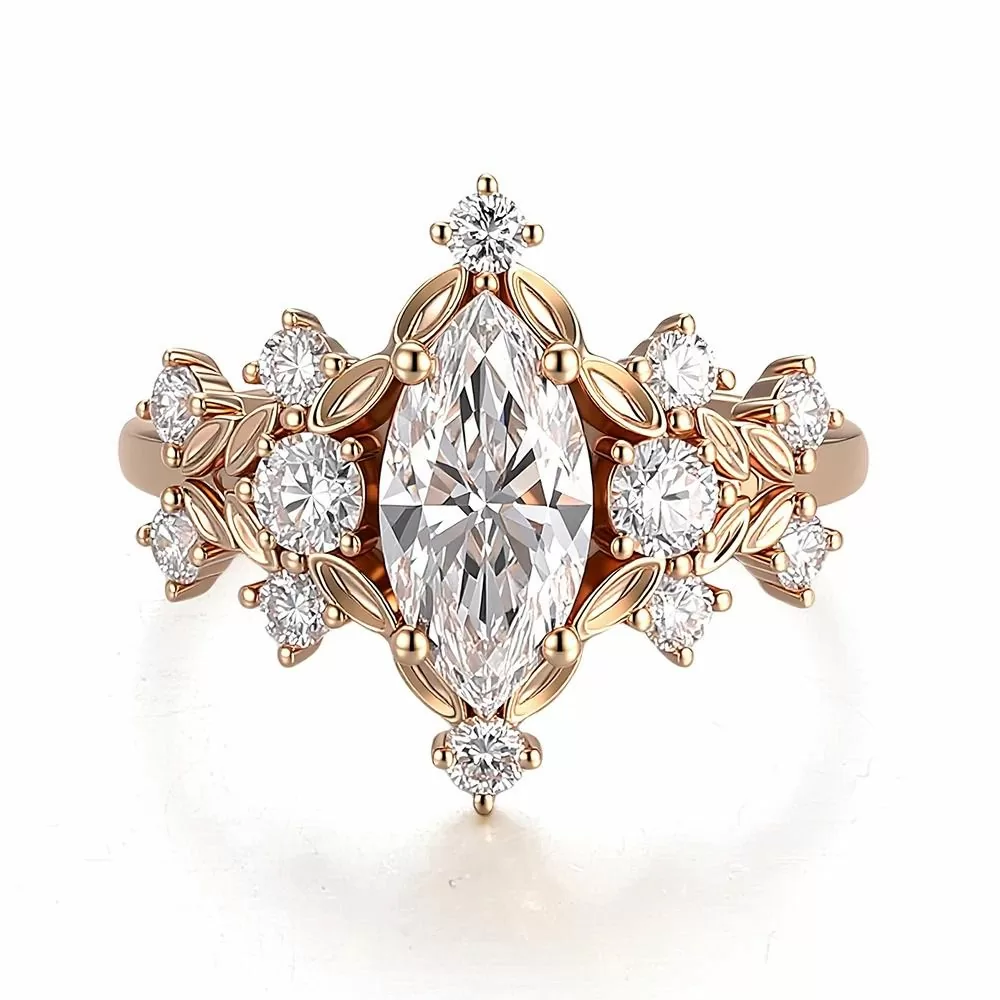
Buying Guides
Which engagement ring metal is safest for sensitive skin and a nickel allergy? We compare platinum, 18ct gold, titanium and cobalt on nickel release and daily wear.
699 articles in the knowledge base. Filter by topic below.
Which engagement ring metal is safest for sensitive skin and a nickel allergy? We compare platinum, 18ct gold, titanium and cobalt on nickel release and daily wear.
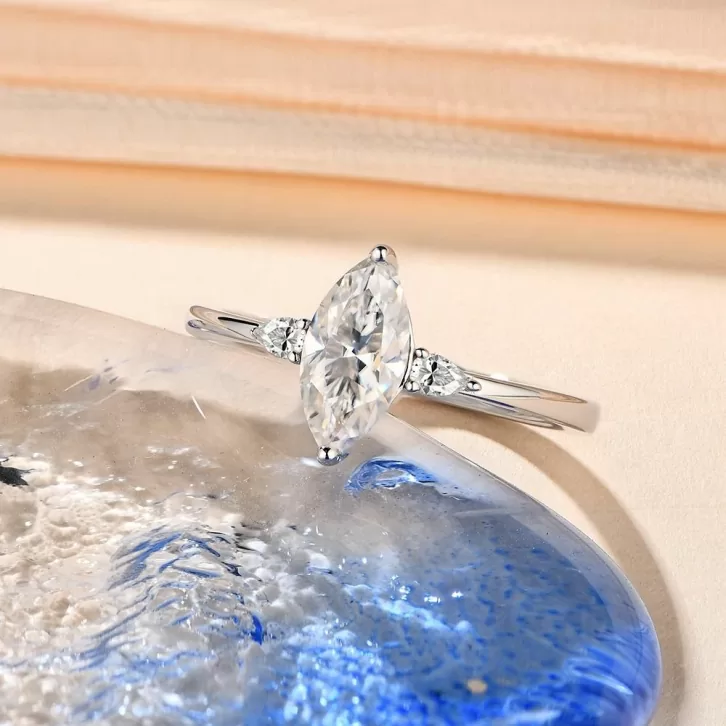
Buying an engagement ring online? Run this ten-point checklist first: certificates, ring sizing, returns, settings, metals, real photos and the small print most people scroll past before they pay.
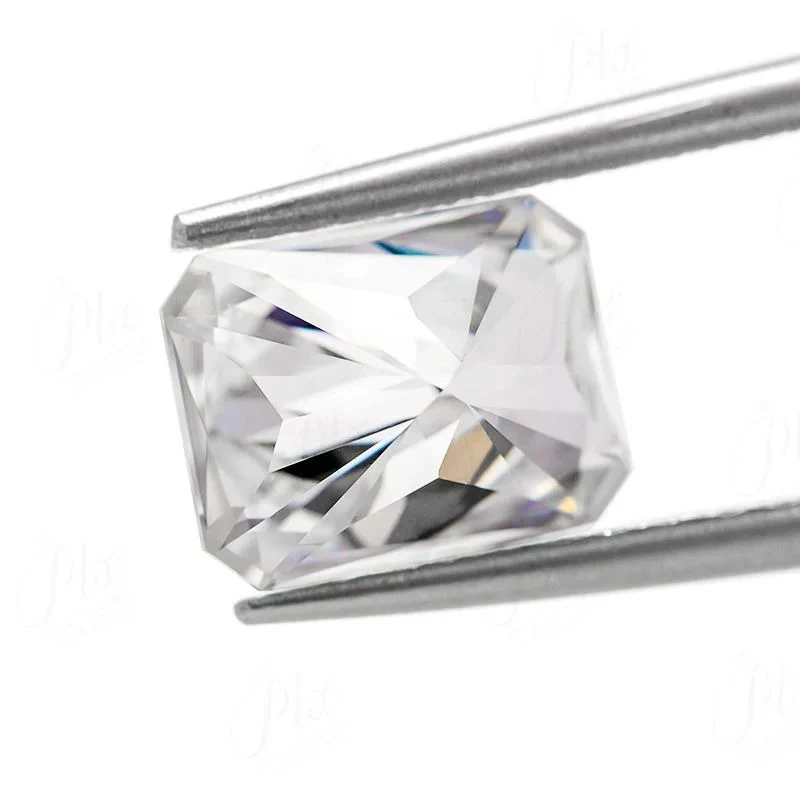
Moissanite is near-diamond hard, but hard and scratch-proof are not the same thing.
A hardness of 9.25 on Mohs sounds like a footnote until a customer asks why their moissanite still shows wear. Here is what the number actually does.
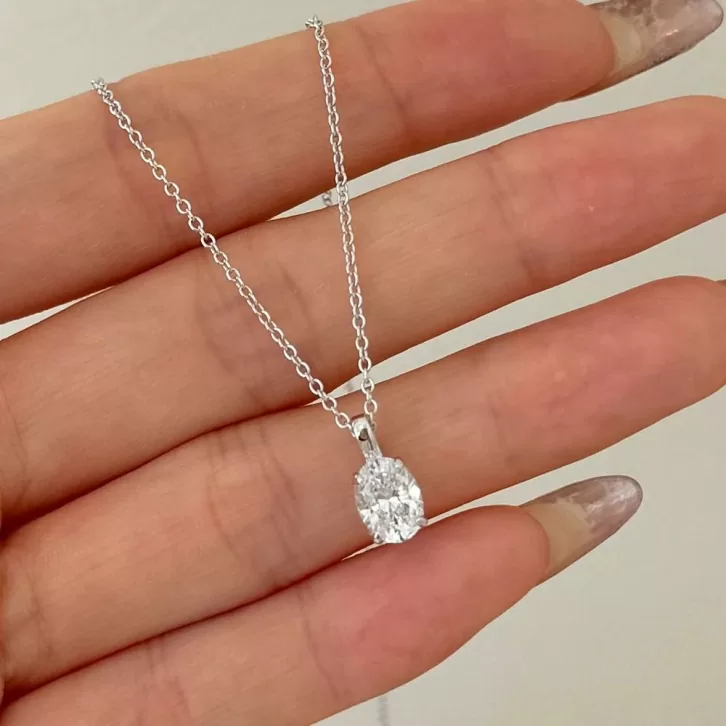
A dull ring is usually just a dirty ring. Here is the safe, cheap way to bring a solitaire back to life at home without ruining the setting.
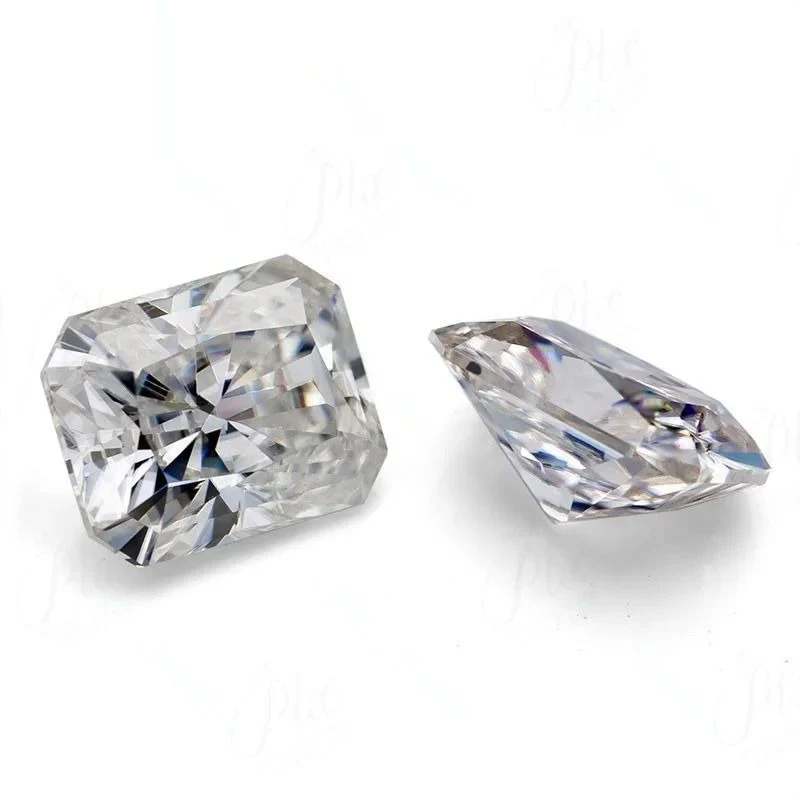
The looks-fake worry usually comes from one cheap ring under bad lighting. Here is what moissanite actually looks like on a real hand.
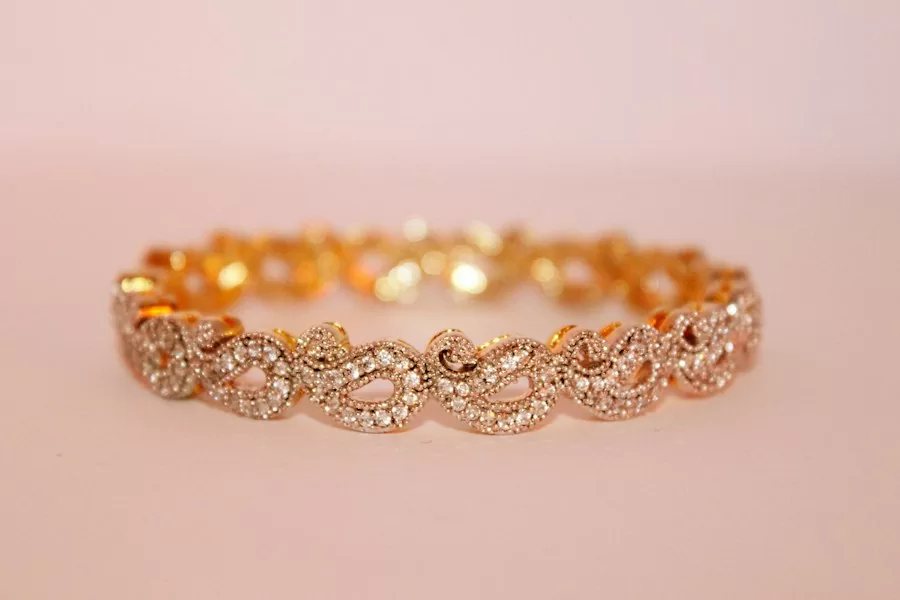
Sanitizer will not dissolve a diamond, but it can leave a film that kills sparkle and slowly wears at gold settings. A 30-second habit protects both.
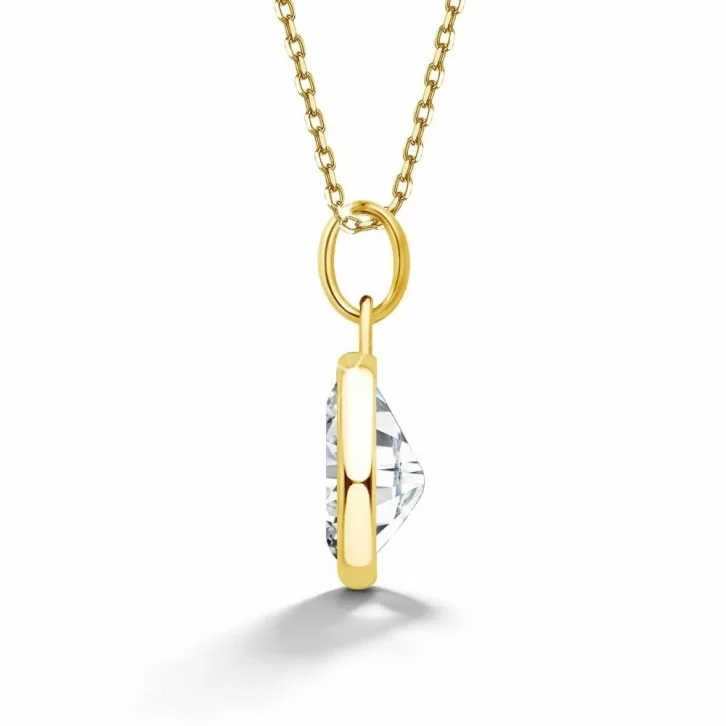
Jewelry survives travel based on how it is packed. Here is a storage-by-piece guide that prevents scratches, snags and tarnish on the road.
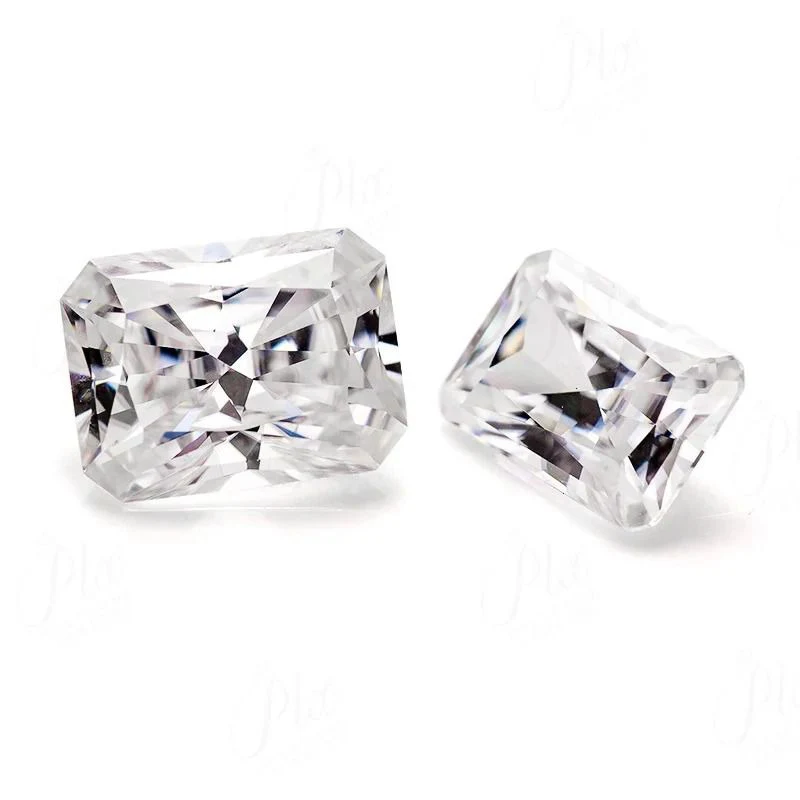
Inclusions are the internal marks that set clarity grades. Here is what each type is, and which ones you can ignore.
Most fine jewelry damage happens on vacation. Here is the packing, wearing, and insurance checklist to send with every order.
Carat weight tells you what the stone weighs, not how big it looks on her finger. Two 1-carat stones can read as a full size apart on the hand.
Do not panic and do not yank. Here are safe, proven ways to free a stuck ring and when to call a jeweller instead.
Color grade is the C buyers overpay for. Here is where the scale actually stops mattering face-up.

Tradition says one person bought both bands; modern couples split, match, or buy their own. Here is the current etiquette and what to do at the altar.
Cut, colour, clarity and carat. Here is what each one means, which ones you can see with the naked eye, and where to compromise.
Width and profile change how a band feels, stacks with an engagement ring, and sizes on your finger. Here is how to choose both.
Cold water shrinks fingers, soap makes stones slip, and chlorine can pit white gold over years. The risk is small per dip, but it adds up.
Renewing your vows deserves a ring, but it does not have to look like the first one. We compare eternity bands, matching renewals and upgraded solitaires.
Swollen fingers turn a stuck ring into a small emergency. These methods work without cutting the ring or damaging the finger.
Moissanite is not scratch-proof. Three culprits behind most returns.
Engagement ring prices are more flexible than most buyers expect, but negotiating well depends on knowing where the margin actually is.
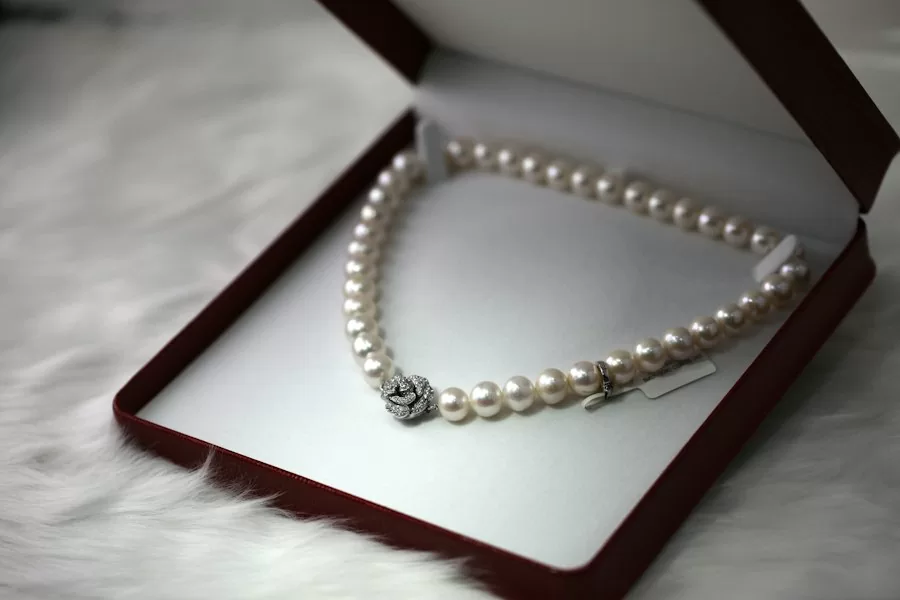
A metal ring on a worksite can be a burn, crush, or entanglement hazard. Silicone wedding bands solve that problem, but they are a work accessory, not a forever ring.
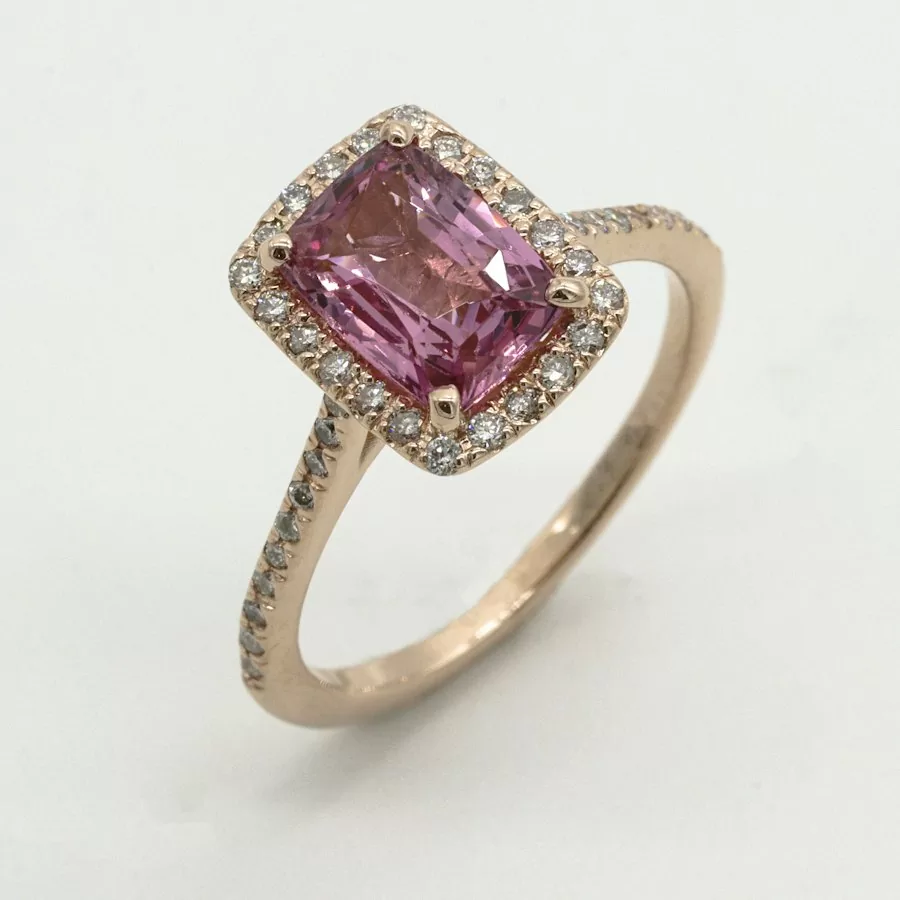
Two identical rings in the same metal can look completely different depending on their finish. The finish also decides how scratches show up over decades of wear.
Buyers mix up color and clarity letters constantly. Here is what G, VS1, VS2, SI1 and SI2 really describe on a diamond report.
MOQ starts at 5 pieces per ready-stock style; OEM/ODM custom rings follow a quoted minimum order set in the order agreement.
Ready-stock orders are prepared within 2–5 business days after confirmation. Custom, OEM and ODM projects follow a quoted lead time of 15–30 days, depending on design, metal, stone availability and order size.
Pricing is quoted per piece or per carat according to stone, metal weight, setting and finish. After you send styles, stone and quantity, our sales team returns a written price list and price range for the proposed order.
We accept T/T bank transfer, PayPal and Western Union. Custom and OEM/ODM orders require an agreed 30% deposit, with the balance paid before shipment; bulk and private-label payment terms are confirmed in the order agreement.
We keep our wholesale MOQ low, but the exact minimum is quoted on request rather than fixed on this page. Ready-stock styles can usually be ordered in small mixed batches across categories; OEM, ODM, private-label and custom packaging runs carry their own minimums depending on tooling, branding and quantity. After you send your selected styles or categories and estimated quantities, our sales team confirms the MOQ, mixed-batch options and unit price in a written quotation. Any fixed number quoted on a proposal applies to that specific order only.
Ready-stock orders are picked, inspected and packed within 2–5 business days after confirmation, subject to availability. Custom, OEM and ODM orders follow a longer quoted schedule because the project includes consultation, 3D modeling, prototype approval, production and final inspection. The total lead time depends on design complexity, metal, stone availability, setting type and order size; we state the expected production window in your quotation after reviewing the brief. No fixed production day count is promised publicly because each project differs, and sample approval always precedes bulk production.
Yes. Sample-first cooperation is standard for custom, OEM and ODM projects. For ready-stock wholesale, buyers may order a small sample batch to check quality, finish and packaging before committing to a larger order. A sample or prototype cost may apply to custom designs; that cost and whether it is credited toward a later bulk order are stated in the quotation. We recommend approving the physical sample or prototype before production begins, because changes made after approval can affect cost and lead time.