
Buying Guides
Shopping together kills the surprise? Not always. We compare the two routes and show how to keep the proposal romantic while getting the ring right.
699 articles in the knowledge base. Filter by topic below.
Shopping together kills the surprise? Not always. We compare the two routes and show how to keep the proposal romantic while getting the ring right.
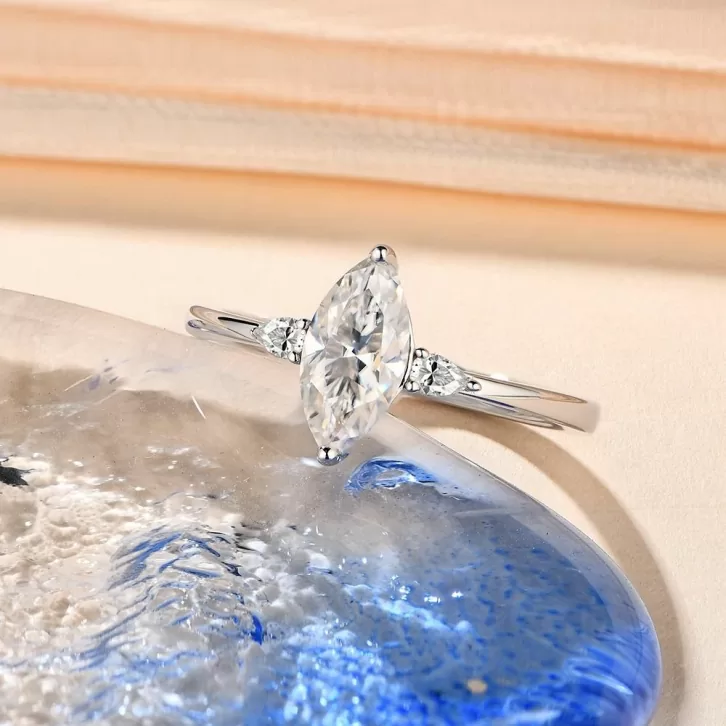
Rings go missing on trips more than at home. Here is the practical packing and security advice for travelling with fine jewellery.
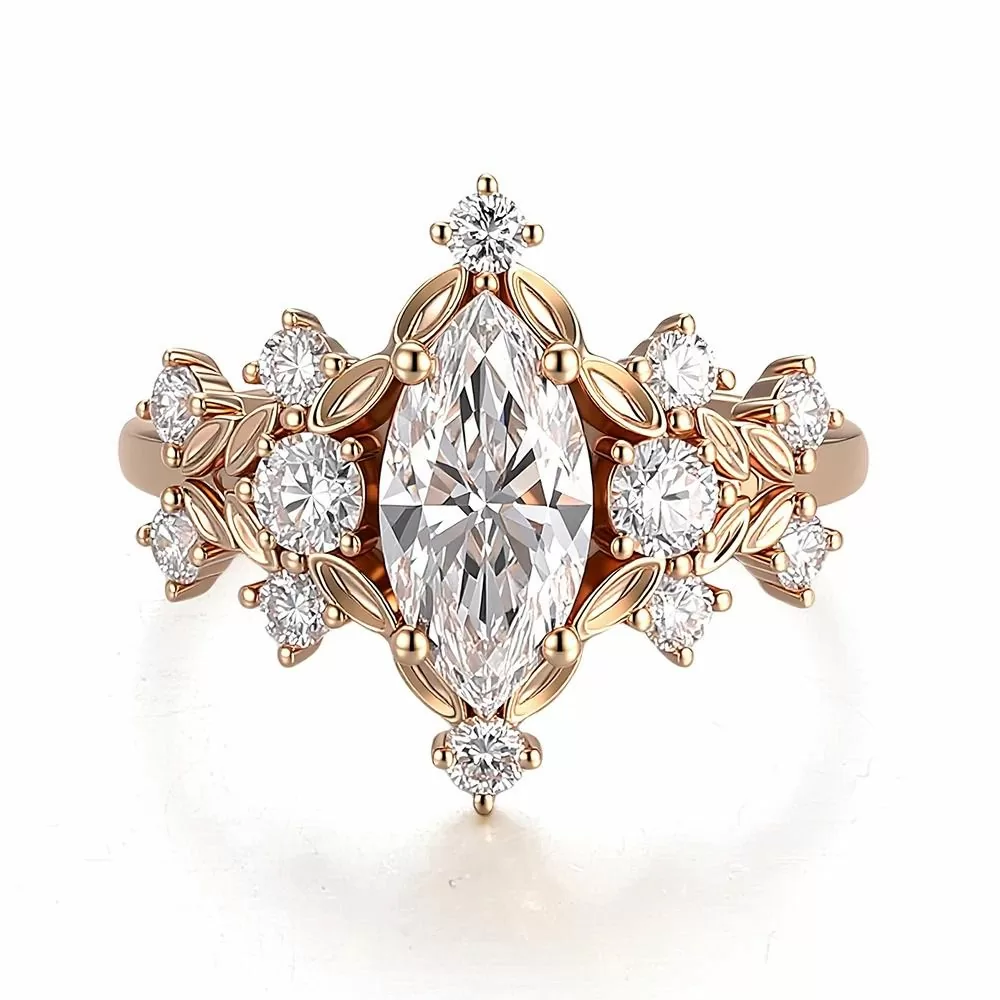
Silicone bands are not a replacement for a gold or platinum ring, but they are a smart backup for work, sport and travel. Here is when to use one.
There is no single correct month to get engaged, yet plenty of couples freeze up because they think the timing is wrong. This guide looks at the real signals UK couples use - shared finances, job security, how you handle arguments, and whether you actually want the same future - instead of the old anniversary rule. It also covers the seasons that suit a proposal in Britain, how to avoid proposing when life is in chaos, and the honest reason pressure from family rarely matters.

A secondhand solitaire can be the sharpest money in jewelry — if you verify the stone against its lab report before you pay.
Wrong ring size is the most common post-proposal fix. Here is how to measure her finger without spoiling the surprise, and what to do if you get it wrong.
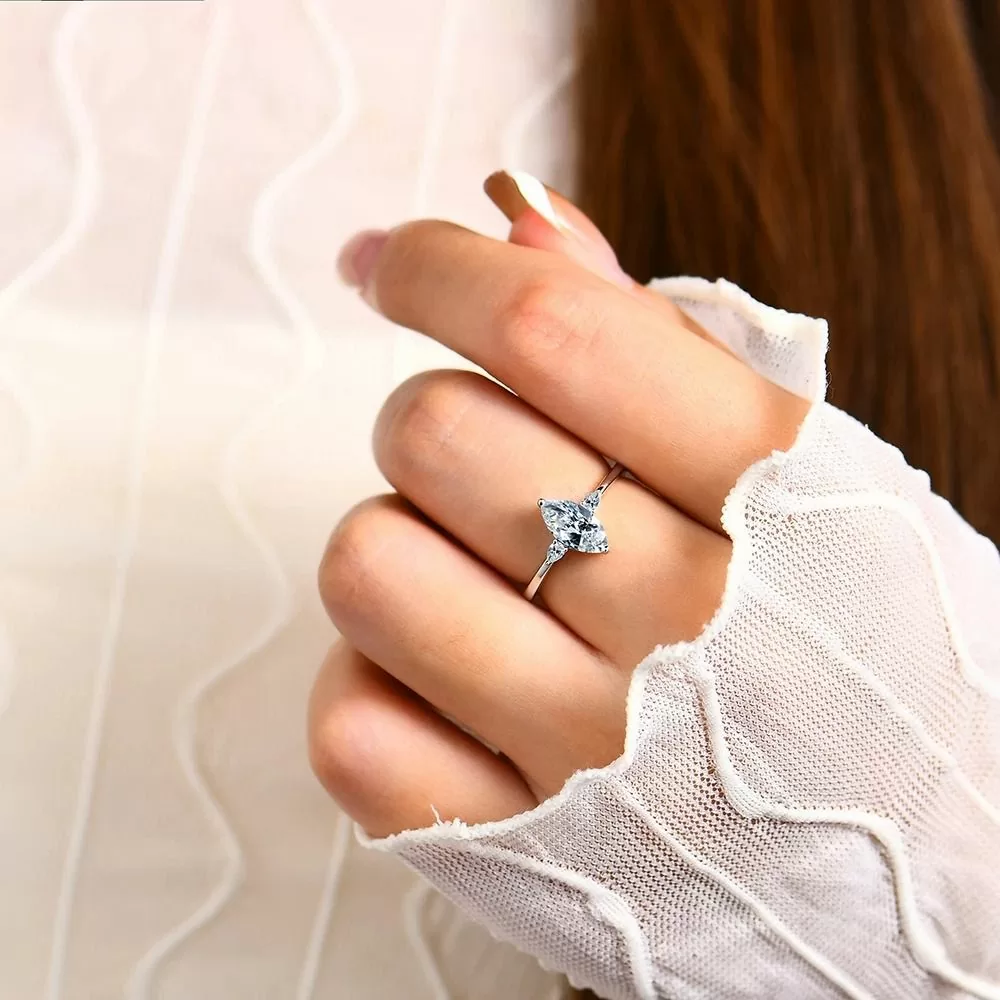
A band's profile changes how it feels more than its metal. Here are the four common shapes and who each suits.
If your knuckle is wider than the base of your finger, standard sizing leaves a ring that slips or pinches. Here is how to fix it.
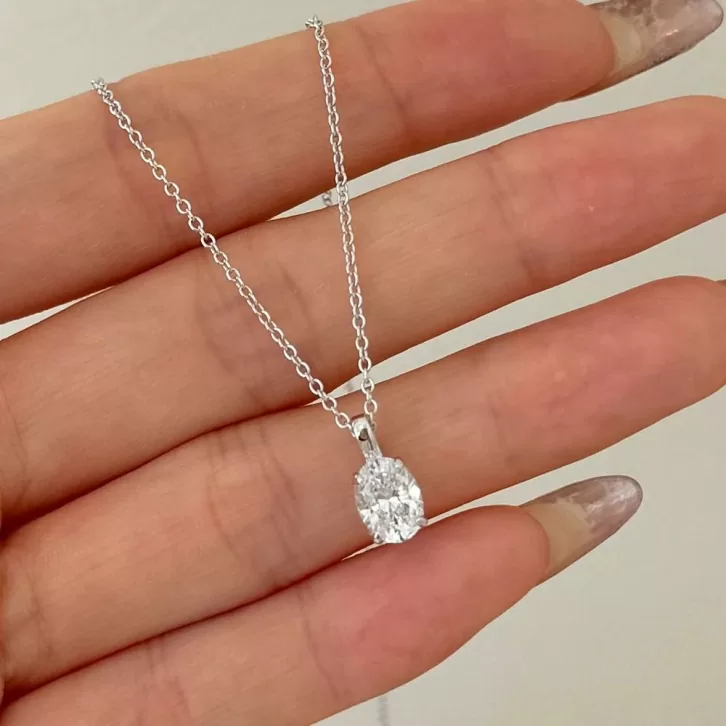
Swollen fingers in pregnancy are common, but resizing permanently during this window is usually a mistake. Here is what actually helps.
Years of rubbing against desks, door handles and each other slowly wear a ring shank thinner, and a weak band is the most common cause of a lost stone.
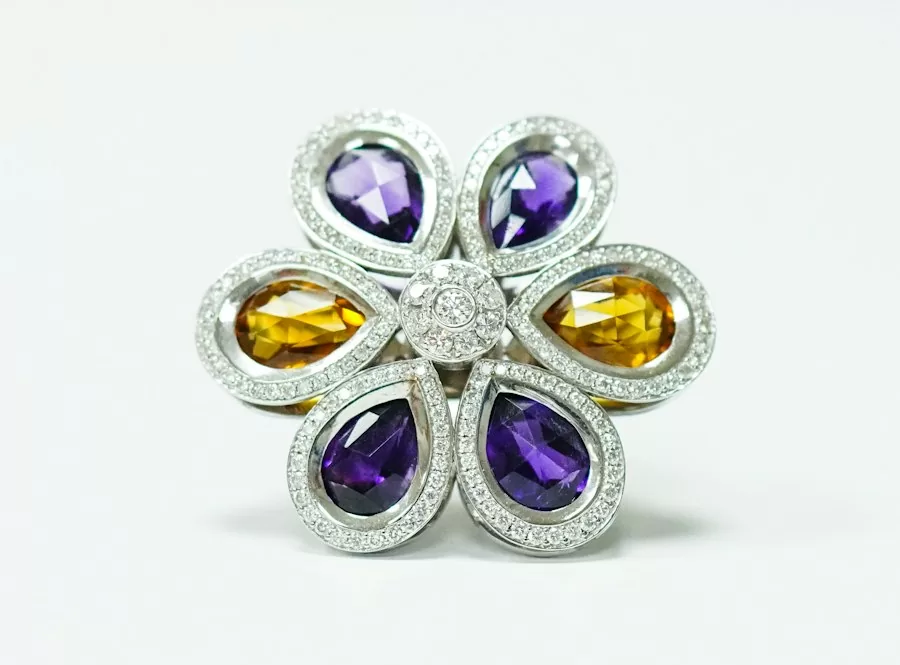
A bespoke ring is built through clear stages: consultation, design, approval, making and final fitting. Knowing the sequence makes the process feel far less opaque.
Tungsten and titanium are the two go-to alternative men's wedding metals, but they behave nothing alike in daily wear — or in an emergency.
Carat weight is not face-up size. See how finger width, band width and shape change how big a diamond really looks on the hand.
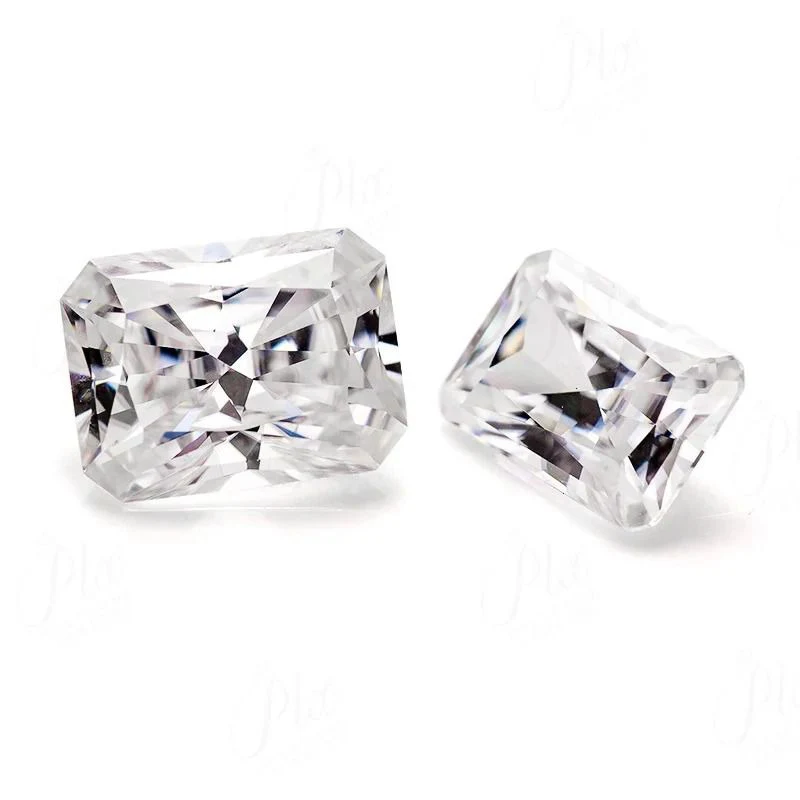
Two stones, two certificates, identical grades on paper. The differences live in the numbers and plots most buyers skip. Here is how to read them.
Second marriages and vow renewals deserve their own ring decisions, not a repeat of the first set.
A coloured gemstone band is a step away from a plain gold ring, but not every gem is tough enough for daily wear. Hardness and toughness decide which stones work.
The left-hand ring finger is a Roman idea, but many cultures wear wedding rings on the right. Here is a tour of global wedding-ring customs.
A moissanite warranty is worth far more if you actually register it. Here is how coverage works.
Couples choose everything from simple titanium bands to upgraded three-stone rings. The point is the gesture, not the price tag.
A clarity-enhanced diamond can look like a premium stone at a fraction of the price, until you learn how the fix was made and what can undo it.
A diamond report is an independent measurement, not a quality endorsement. Understanding that line is the key to deciding whether paying for certification is worth it for you.
Both stones can look colorless and bright, but their Mohs hardness ratings are worlds apart. Here is why one holds up daily and the other does not.
Band width is a personal choice, but the width that flatters your finger depends heavily on your ring size, knuckle shape and overall hand size.
A diamond tester that beeps for moissanite is not broken. It is measuring thermal conductivity, and moissanite happens to score highly. We explain why.
MOQ starts at 5 pieces per ready-stock style; OEM/ODM custom rings follow a quoted minimum order set in the order agreement.
Ready-stock orders are prepared within 2–5 business days after confirmation. Custom, OEM and ODM projects follow a quoted lead time of 15–30 days, depending on design, metal, stone availability and order size.
Pricing is quoted per piece or per carat according to stone, metal weight, setting and finish. After you send styles, stone and quantity, our sales team returns a written price list and price range for the proposed order.
We accept T/T bank transfer, PayPal and Western Union. Custom and OEM/ODM orders require an agreed 30% deposit, with the balance paid before shipment; bulk and private-label payment terms are confirmed in the order agreement.
We keep our wholesale MOQ low, but the exact minimum is quoted on request rather than fixed on this page. Ready-stock styles can usually be ordered in small mixed batches across categories; OEM, ODM, private-label and custom packaging runs carry their own minimums depending on tooling, branding and quantity. After you send your selected styles or categories and estimated quantities, our sales team confirms the MOQ, mixed-batch options and unit price in a written quotation. Any fixed number quoted on a proposal applies to that specific order only.
Ready-stock orders are picked, inspected and packed within 2–5 business days after confirmation, subject to availability. Custom, OEM and ODM orders follow a longer quoted schedule because the project includes consultation, 3D modeling, prototype approval, production and final inspection. The total lead time depends on design complexity, metal, stone availability, setting type and order size; we state the expected production window in your quotation after reviewing the brief. No fixed production day count is promised publicly because each project differs, and sample approval always precedes bulk production.
Yes. Sample-first cooperation is standard for custom, OEM and ODM projects. For ready-stock wholesale, buyers may order a small sample batch to check quality, finish and packaging before committing to a larger order. A sample or prototype cost may apply to custom designs; that cost and whether it is credited toward a later bulk order are stated in the quotation. We recommend approving the physical sample or prototype before production begins, because changes made after approval can affect cost and lead time.