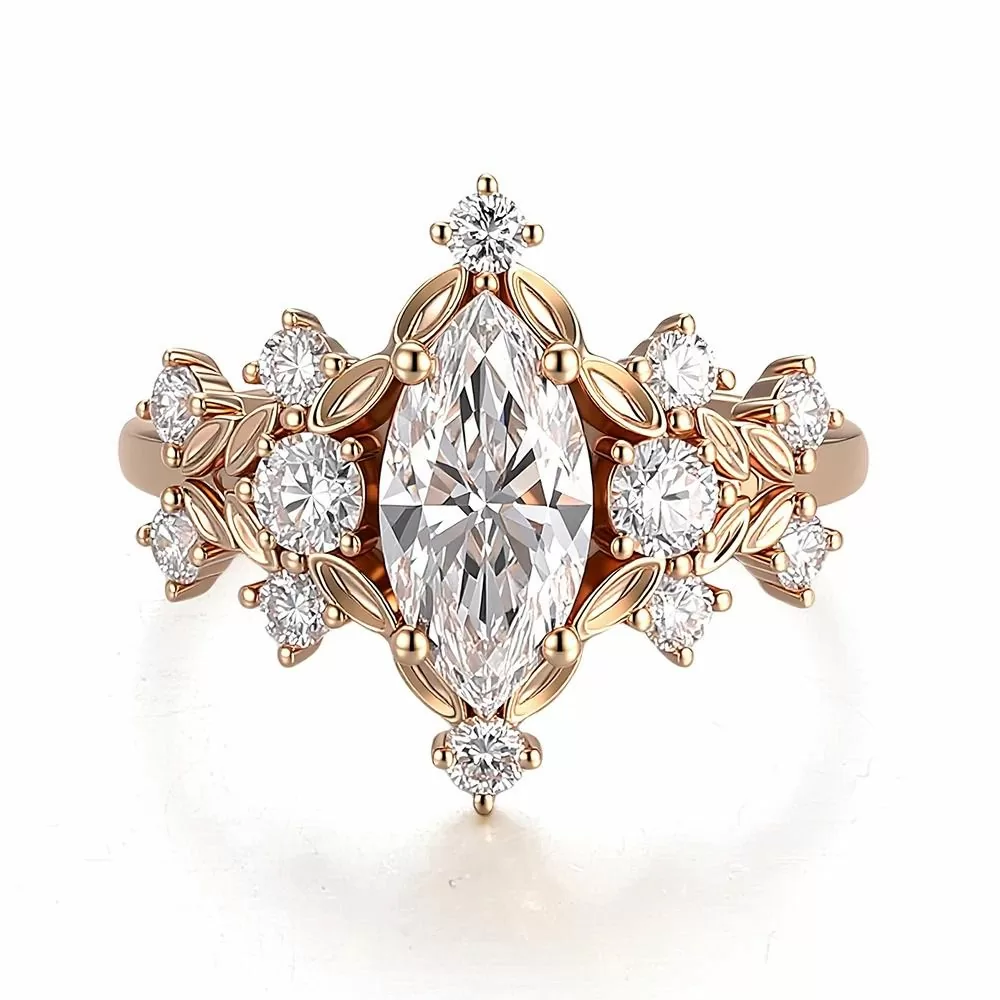
A vow renewal is not a second wedding, which is part of its charm. There is no legal paperwork, no strict etiquette, and almost no fixed script. That freedom is wonderful, but it also leaves couples with one genuinely open question: what rings do we exchange? The honest answer is that there is no prescribed answer, but there are a few common paths worth knowing before you decide.
The three traditional options
- New bands for both: Many couples pick a matching pair of simple, slim bands in the metal they wear now, years after the originals have worn or gone out of style. This is the most popular choice.
- Upgraded centre stone: A renewal is a popular moment to trade an original solitaire for a larger or better-cut stone, often using the old setting. Trade-in policies make this affordable, and many jewellers roll the old stone's value into the new setting.
- The original rings: Some couples simply re-use the wedding bands they have worn for years, cleaned and rhodium-plated for the ceremony. It is quiet, meaningful, and costs almost nothing.
What people wear on the day
Most couples keep their existing wedding set on the left hand throughout the ceremony and place the new ring on the right, or over the existing band on the left. There is no wrong finger; the renewal is a vow, not a contract. If you are designing a new stack, check how the new band sits against your existing set with our guide to stack height and fitted bands.
Popular styles for renewals
After a decade or more together, taste often shifts. Slim eternity bands, plain brushed titanium for him, and vintage-inspired three-stone rings are all common. Many couples choose something with a personal engraving, which our engraving ideas guide covers in depth. A ring that matches your life now, rather than the one you imagined at twenty-five, usually feels right on the day.
Budget does not have to rise
A vow renewal is not a chance to spend more than the wedding. Many couples spend less than they did on the first rings, because the point is the ceremony, not the jewellery. A pair of simple bands, a fresh engraving, and the original rings cleaned up can be done for a fraction of the original wedding-ring budget. Compare typical starting points in our 9ct versus 18ct guide if you want a realistic price range.
When to use an heirloom stone
Renewals are a beautiful moment to bring a family stone out of a drawer. A grandmother's diamond reset into a new band, or a parent's wedding ring re-worn as a right-hand band, ties the day to people who may not be there. If you go this route, have the stone checked and the setting refreshed before the ceremony. Older stones often need a prong tightening or a rhodium plate before they are ready to wear on a stage, so book the jeweller a few weeks ahead.
Who holds the rings?
Unlike a wedding, there is no officiant expecting a ring cushion. Many couples simply keep the new rings in their pockets, or hand them to a grown-up child to present during the ceremony. Some write the vows themselves, and some read the original vows from twenty years ago. There is no script to follow, which is the whole point. Let the ceremony feel like your marriage: familiar, but not a rehearsal.
What to avoid
Skip anything that feels like a do-over of the original wedding. A renewal is not a chance to redo a dress, a guest list, or a vendor dispute. The ring should feel like a chapter, not a correction. And if one partner wants a big new ring and the other wants the original band cleaned up, compromise on something both of you would actually wear on a Tuesday, not just in photos.
The point of the exchange
The ring is a physical way to say the vows out loud again. It does not matter whether it is new, old, upgraded, or borrowed. What matters is that both of you recognise it on the hand years from now and remember the day you chose each other again. Pick the ring that will still mean something on the tenth renewal, not just on the stage.
A note on timing
Renewals most often happen at milestone anniversaries: ten, twenty, twenty-five years. There is no rule that says you have to wait for one. Some couples renew after a hard season, a move abroad, or a health scare, just to mark the fact that they are still choosing each other. The rings for those moments are often the simplest of all: the original bands, cleaned up, with a new engraving inside the shank marking the date. That kind of ring costs very little and means more than anything expensive.
After the ceremony
Once the day is over, the new ring just becomes part of what you wear. Treat it like any other ring: take it off in the pool, clean it with warm soapy water, and have the prongs checked once a year. The meaning fades fastest when the ring becomes a prop for photos only. Wear it to the supermarket, wear it to the garden, and it will stay as meaningful on your hand as it was on the day you exchanged it.
The Wikipedia entry on engagement rings gives an independent overview of engagement ring traditions and settings.
Related Reading
- Gold vs Platinum Weight: The Density Numbers Buyers Ask About
- Everyday Rings: Which Metal Lasts the Longest
- Platinum vs Sterling Silver Wears
Frequently Asked Questions
What ring sizes can you supply in bulk?
US sizes 5–12 including half sizes. Send a size breakdown with your order and we cast to that curve; comfort-fit inner bands reduce resize requests.
Can I order a mixed size run instead of one size?
Yes. Mixed runs are standard for wholesale: specify quantity per size and we pack and label by size at no extra labor cost.
What is the MOQ for custom ring designs?
50 pieces per design for existing molds; 100–300 pieces when a new mold or CAD model is required.
How should I price rings for retail margin?
Most partners use a 3–4x markup on FOB cost for sterling and 2.5–3x for moissanite solos, which keeps landed cost under 30% of retail.


