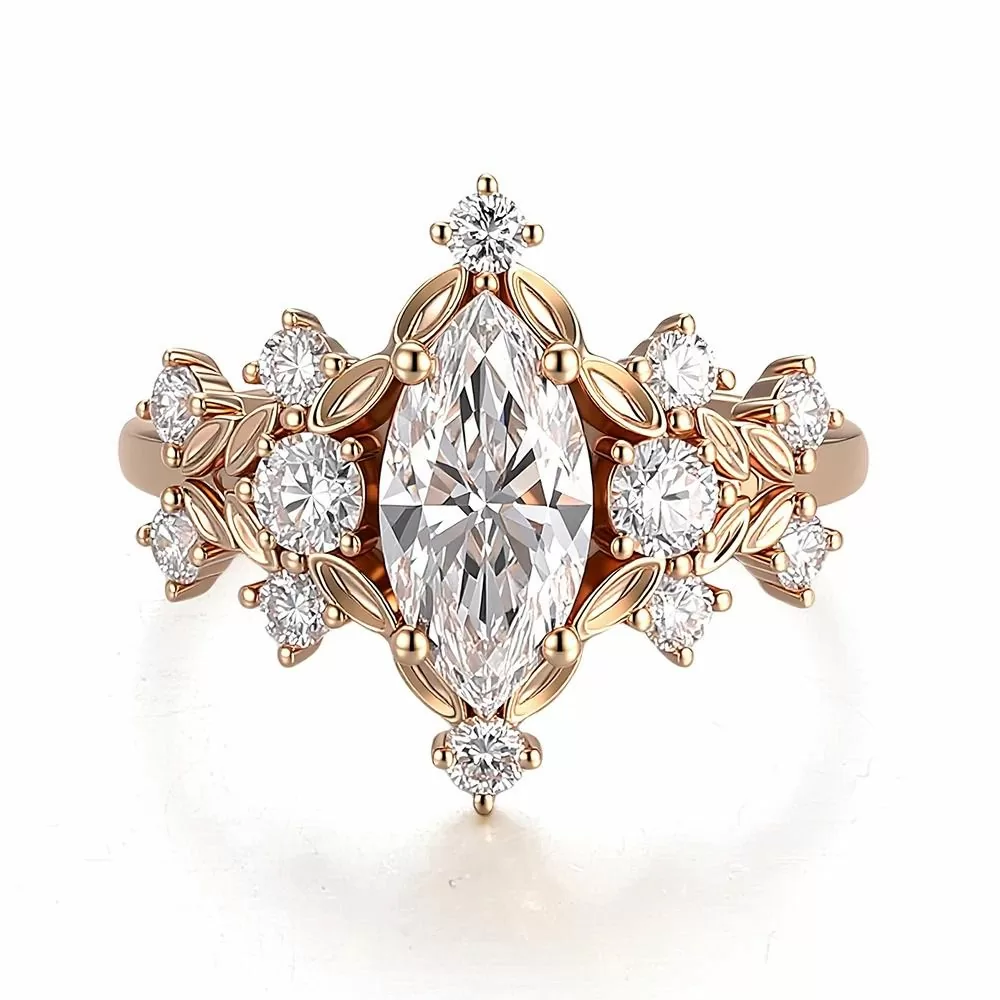
When you order a wedding band, the first real choice after shape is the metal. In the UK, four options make up the vast majority of rings: 9ct gold, 18ct gold, platinum and palladium. Each has a small but loyal following and a set of trade-offs that rarely get explained at the counter. This is that explanation, with prices you can expect to see in 2026.
What carat actually means
Carat (not to be confused with the carat weight of a diamond) measures the proportion of gold in the alloy. 24ct is pure gold, too soft for a ring. 18ct is 75% gold. 9ct is 37.5% gold, with the rest being copper, silver, zinc or palladium. The higher the gold content, the warmer and softer the metal; the lower the content, the harder and more scratch-resistant it is in day-to-day wear, but the more it can tarnish or irritate in some people.
| Metal | Gold content | Typical 4mm plain band | Best for |
|---|---|---|---|
| 9ct yellow gold | 37.5% | £180–£320 | Budget, hard-wearing |
| 18ct yellow gold | 75% | £450–£700 | Warm colour, heirloom feel |
| 9ct white gold | 37.5% | £200–£360 | Budget white metal |
| 18ct white gold | 75% | £480–£780 | Bright white, re-dip every 1–2 yrs |
| 950 platinum | 95% Pt | £650–£1,100 | No plating, weighty, hypoallergenic |
| 950 palladium | 95% Pd | £300–£500 | Lightweight white, low allergy |
The colour question
Yellow gold is the most forgiving metal on skin tone and the easiest to maintain — no rhodium, no plating. Rose gold is copper-rich, which makes it harder and more likely to tarnish slightly on some skin chemistries. White gold, as covered in our platinum versus white gold piece, needs re-dipping. If you want a white ring that ages on its own, platinum or palladium is the honest answer.
How the metals wear
Pure gold (18ct) is softer than 9ct, which means it shows fine scratches sooner but also polishes back more cleanly over decades. 9ct gold is harder, so it resists scratches in the first year but will eventually wear thin on the inside of the band. Platinum densifies rather than wearing away, which is why a 30-year-old platinum band still has its full weight. Palladium sits between the two in feel.
Hallmarks: the UK buyer's safety net
Any piece sold in the UK above a certain weight should be hallmarked at one of the four Assay Offices (Sheffield, Birmingham, London, Edinburgh). The mark tells you the metal and purity. If a ring is offered at a price that seems too good and has no hallmark, walk away. Hallmarking is your guarantee that the metal inside is what the box says it is.
A practical way to decide
- Try on the same ring in two metals — most good jewellers will let you.
- Wear each for five minutes. Weight and comfort are personal.
- Look at your existing jewellery. Matching the metal your partner already wears is usually the most flattering choice.
- Decide your upkeep appetite. If you never want to think about re-plating, pick yellow gold, platinum or palladium.
Mixing metals on purpose
It used to be considered a mistake to wear a yellow gold wedding ring against a white gold engagement ring. These days it is a deliberate design choice, and plenty of couples ask for a two-tone band — a yellow gold interior with a white gold edge, for example. There is no chemical reason not to mix the two metals; they do not tarnish each other or cause reactions. The only rule is aesthetic: choose the combination because you like it, not because it was the compromise after a disagreement.
Width and profile are the other half of the choice
A 2mm band sits delicately, a 4mm band reads as a traditional wedding ring, and a 6mm-plus band is a modern statement. The profile — comfort-fit rounded inside, flat court, or flat-through-out — changes how the ring feels more than the metal does. A comfort-fit band glides over the knuckle; a flat band sits closer to the finger. Try both widths and both profiles on the same finger before you commit; the metal choice, surprisingly often, is the easier of the two decisions.
Matching sets for two people
Couples often ask whether both bands should be the same metal. They can be, and many jewellers offer a 'his and hers' set in matching 18ct yellow gold or platinum. But there is no requirement to match: a platinum band on one hand and a yellow gold band on the other is a perfectly normal, common combination. What does matter is that each band fits the wearer's lifestyle — someone who works with their hands may prefer the harder, denser feel of platinum or 9ct, while someone who wants a light, warm band will lean to 18ct yellow gold.
Once the metal is chosen, the remaining decisions — width, court shape, polished versus satin finish — are purely stylistic, and that is the fun part.
The history and conventions of engagement rings are outlined in the Wikipedia entry on engagement rings.
Related Reading
- Gold vs Platinum Weight: The Density Numbers Buyers Ask About
- Everyday Rings: Which Metal Lasts the Longest
- Platinum vs Sterling Silver Wears
Frequently Asked Questions
What ring sizes can you supply in bulk?
US sizes 5–12 including half sizes. Send a size breakdown with your order and we cast to that curve; comfort-fit inner bands reduce resize requests.
Can I order a mixed size run instead of one size?
Yes. Mixed runs are standard for wholesale: specify quantity per size and we pack and label by size at no extra labor cost.
What is the MOQ for custom ring designs?
50 pieces per design for existing molds; 100–300 pieces when a new mold or CAD model is required.
How should I price rings for retail margin?
Most partners use a 3–4x markup on FOB cost for sterling and 2.5–3x for moissanite solos, which keeps landed cost under 30% of retail.


