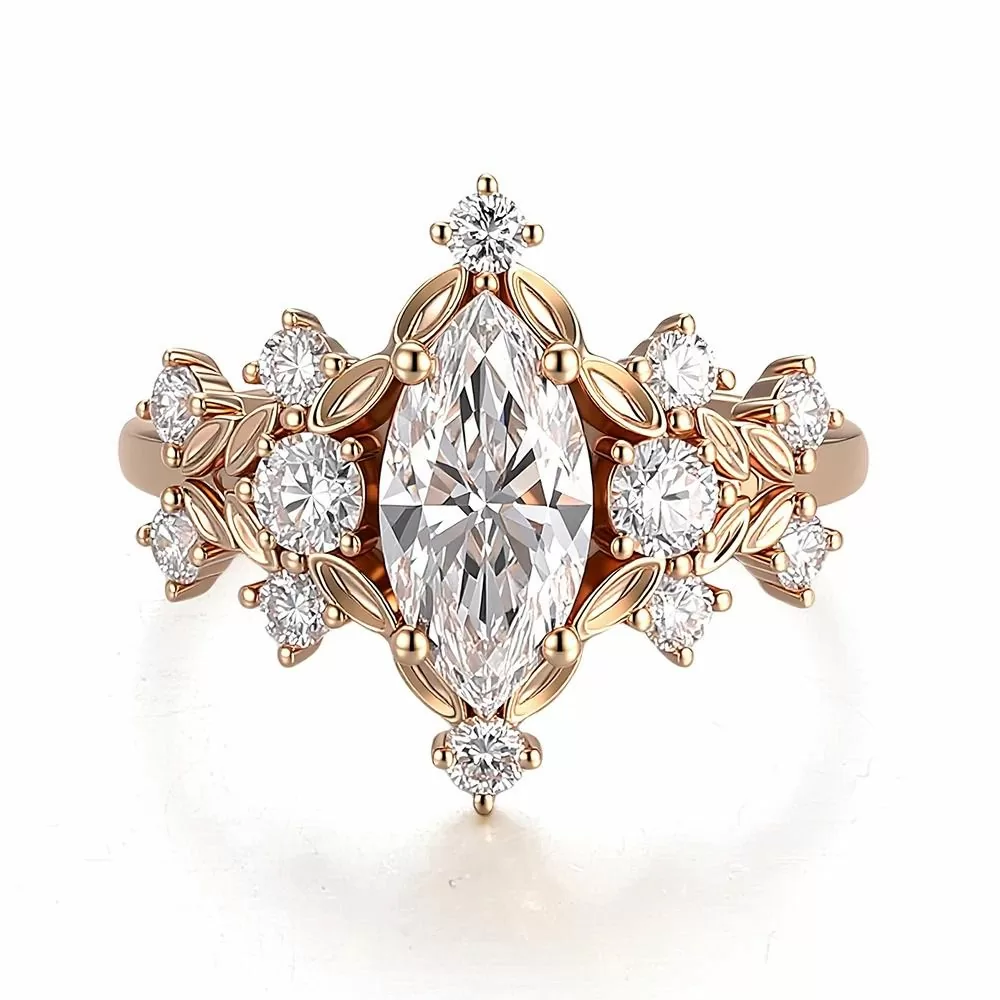
The first wedding ring decisions are usually made in a rush, on a budget, and with very little sense of what you actually like. By the time a second marriage or a vow renewal comes around, most couples know exactly what they want. That freedom is the whole point of the second ring conversation, and it is worth using it well.
Why a new ring matters
A new ring at a second wedding or a renewal is not an insult to the first. It is a visible marker of a new chapter. Couples use it to mark a change of city, a change of family, a milestone anniversary, or simply the decision to stay together when life got harder. The ring is worn daily, so the design should reflect the life you are living now, not the life you had at twenty-five.
What to do with the old ring
There is no rule. Some couples keep the original wedding rings as family pieces, give them to adult children, or repurpose the metal into the new rings. Some wear both rings on different hands. Some store the original in a box and never wear it again. The decision is emotional, not practical, and there is no wrong answer. If the original ring carries weight with children from a first marriage, keeping it visible as a family piece often matters more than starting completely fresh. Our guide to ring engraving offers small ways to connect old and new without saying it out loud.
Budget and timing
By the time couples renew vows or remarry, the budget conversation is usually calmer. There is no pressure to spend a year's salary. Most couples choose a band that matches their actual daily life: a narrower or wider band, a metal they actually like, and a design they will not be embarrassed to wear. Because the ring is often a symbol rather than a status piece, many second-wedding rings are deliberately simple. Plan the timing the same way you would for a first wedding, with six to eight weeks of lead time for a custom band.
Ring style freedom
This is the part people enjoy most. A first wedding ring is often chosen from a case under pressure. A second ring can be chosen on purpose. You may now prefer a wider band, a mixed metal, a matte finish, or a signet-style design. You may have decided you hate the thin band you wore for ten years and want something with weight. There is no bridal convention to follow. Our guide to band profiles and dome shapes is a useful starting point, because the profile is the part of a band that changes how it feels on the hand.
Stones and metals
Some couples add a small diamond, sapphire, or birthstone to the renewal band to mark the new chapter. Others prefer a plain band. Platinum and 18k gold are popular for renewals, because the metal itself signals permanence. Mixed metals, which let the new band sit next to an older engagement ring in a deliberate two-tone look, are increasingly common. Our guide on mixing metals covers how to do it without looking confused.
Engraving
Engraving matters more on a renewal ring than on a first wedding ring, because the story is richer. Common choices include the renewal date, a line from the vows, the name of the current city, or a private joke. Keep the inscription short; the inside of a band only fits about twenty characters comfortably. If the band is a wide one, you have room for a sentence; if it is narrow, a date and initials is plenty.
Renewal ceremony options
Vow renewals range from a private moment at home to a full second wedding. The ring ceremony itself is usually a smaller version of the first: the couple exchanges rings, re-reads their vows, and often invites the children to stand with them. If children are part of the new family, many couples choose rings that can later be passed to them, which is another reason to favour durable metals and simple designs over trendy finishes.
Who the second ring is for
It is easy to design the renewal ring around what guests will think, but guests will not be wearing the ring. The two people who will wear it every day are the only people who need to love it. If that means a band neither of you would have chosen at twenty-five, that is the point. The second ring is the first ring you choose for yourselves.
Reusing the old metal and stones
Many couples melt the original gold band down and recast it into the new ring, or set the original diamond into a pendant or a man's pinky ring. This is a lovely way to acknowledge the history without wearing the old ring as a daily reminder. Talk to a jeweller who does both repair and custom work; melting and recasting is straightforward, and most workshops can show you the old band as it goes in and the new design as it comes out. The result is a ring that is physically part of the old marriage and the new one at the same time, which most couples find more meaningful than starting from a blank sheet.
The Wikipedia entry on engagement rings gives an independent overview of engagement ring traditions and settings.
Related Reading
- Gold vs Platinum Weight: The Density Numbers Buyers Ask About
- Everyday Rings: Which Metal Lasts the Longest
- Platinum vs Sterling Silver Wears
Frequently Asked Questions
What ring sizes can you supply in bulk?
US sizes 5–12 including half sizes. Send a size breakdown with your order and we cast to that curve; comfort-fit inner bands reduce resize requests.
Can I order a mixed size run instead of one size?
Yes. Mixed runs are standard for wholesale: specify quantity per size and we pack and label by size at no extra labor cost.
What is the MOQ for custom ring designs?
50 pieces per design for existing molds; 100–300 pieces when a new mold or CAD model is required.
How should I price rings for retail margin?
Most partners use a 3–4x markup on FOB cost for sterling and 2.5–3x for moissanite solos, which keeps landed cost under 30% of retail.


