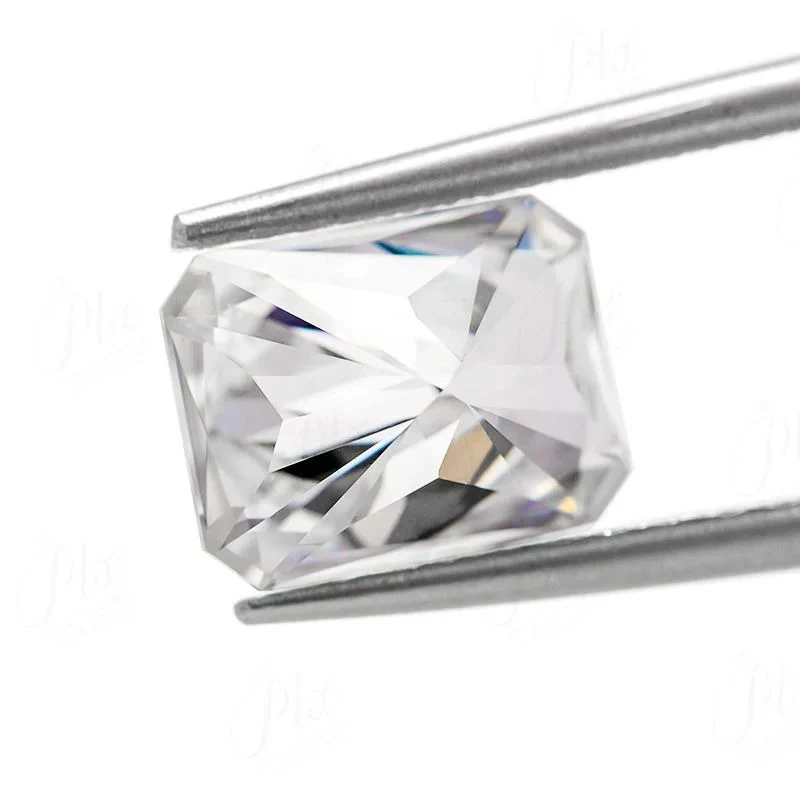
Moissanite
Moissanite is not a diamond, but is it tough enough to wear every day? Here is the honest durability breakdown after years of real wear.
699 articles in the knowledge base. Filter by topic below.
Moissanite is not a diamond, but is it tough enough to wear every day? Here is the honest durability breakdown after years of real wear.
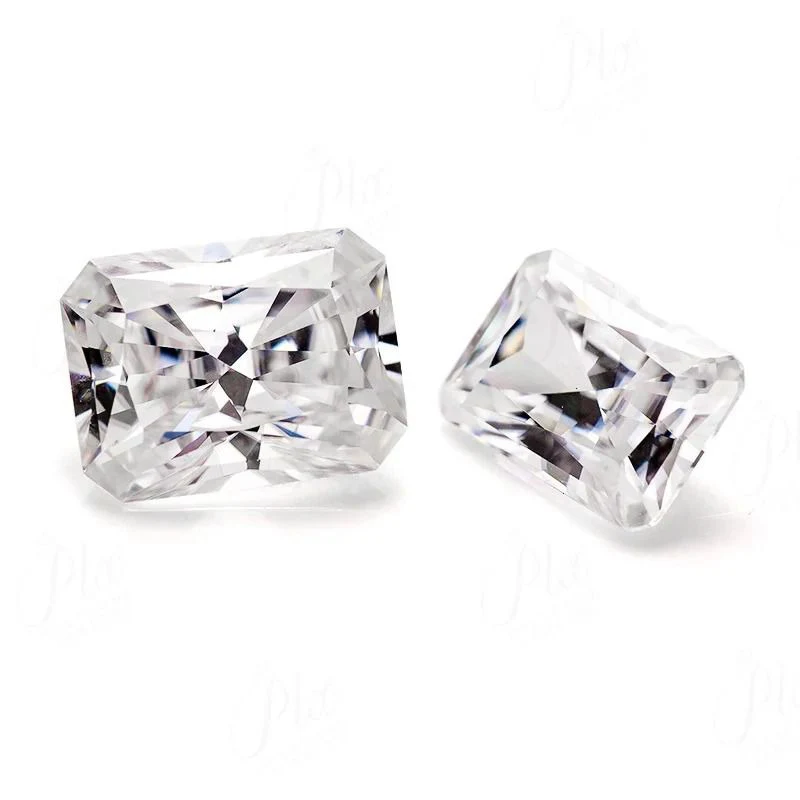
A laser-inscribed girdle links your diamond to its grading report. Here is what the tiny letters actually say and why buyers should care.
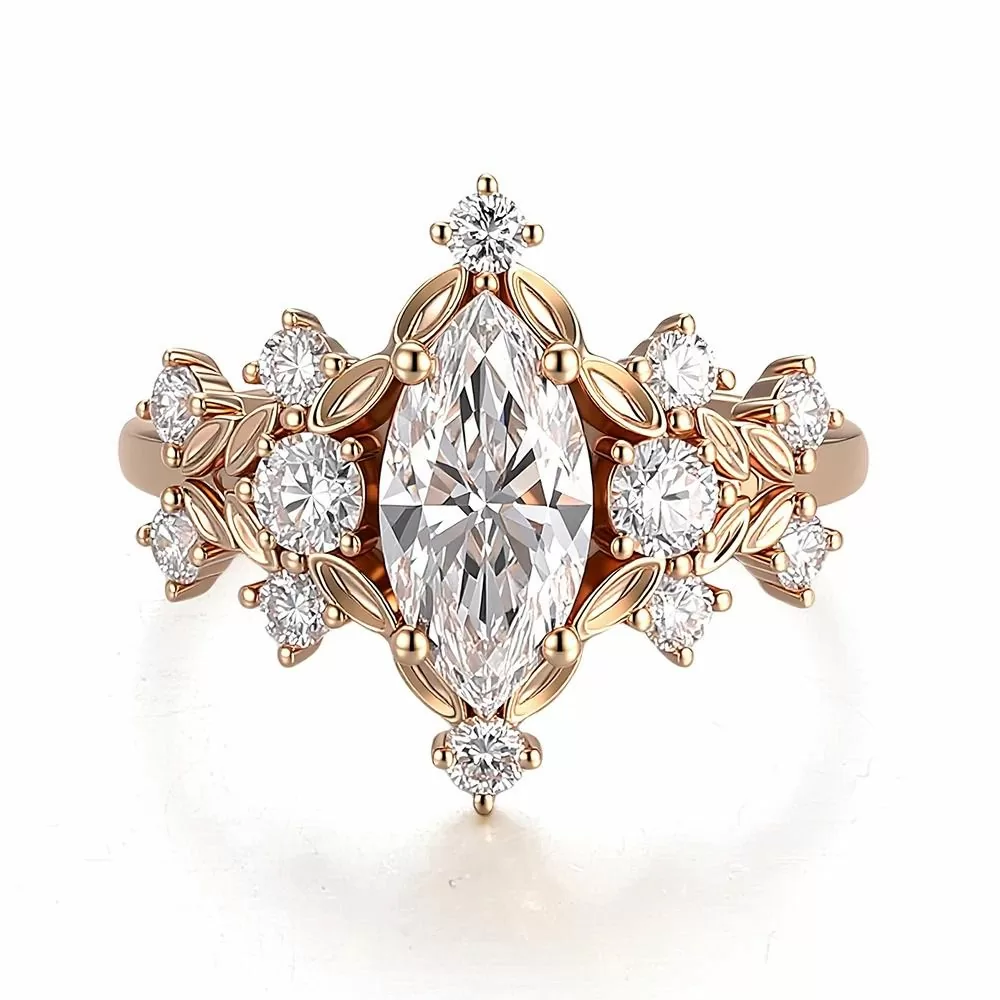
A band that survives the gym, the jobsite and the garden needs the right metal and profile. Here is what actually works for active wear.
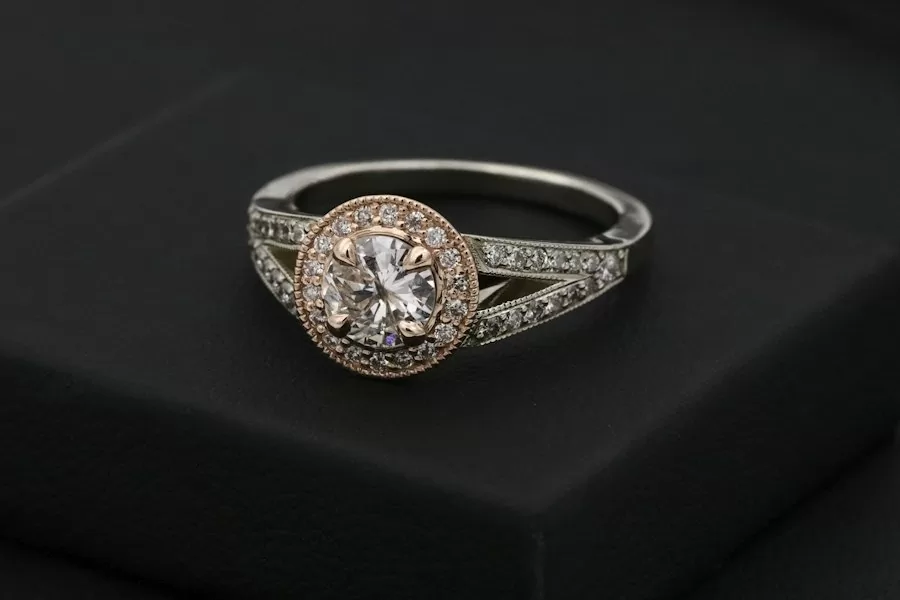
The number and shape of prongs changes how a stone catches light and how safely it sits on your finger. Pick the setting as carefully as the stone.
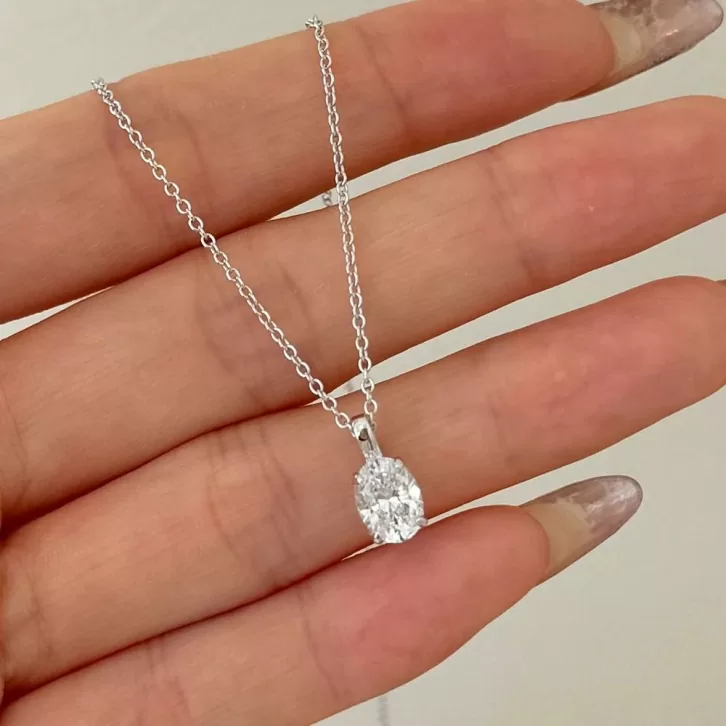
Moissanite higher RI makes oil film show fast. Warm soap and water in two minutes fixes it.
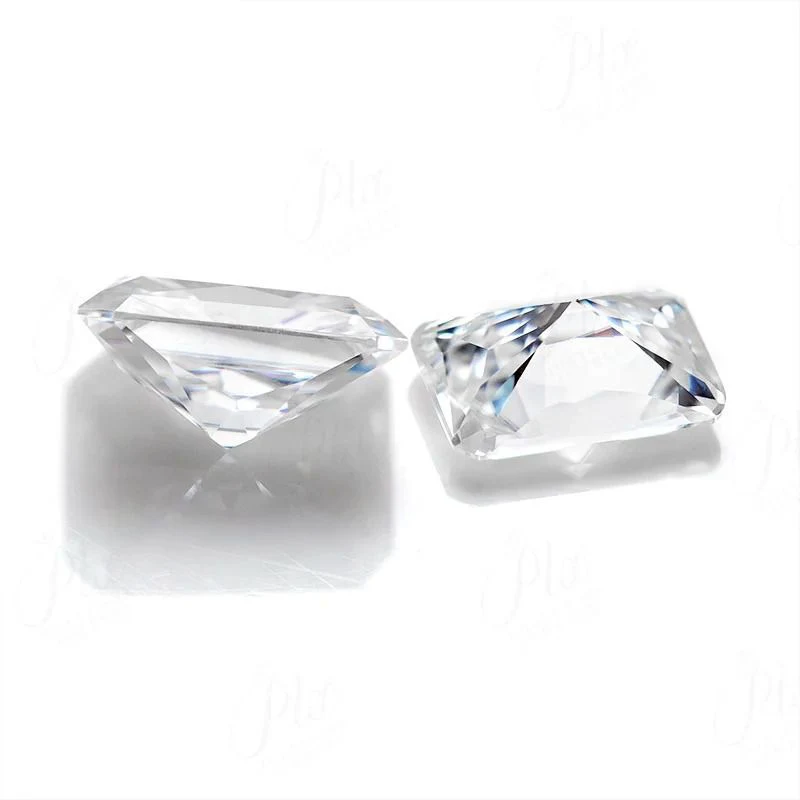
Lab grown diamonds are chemically, optically and physically identical to mined diamonds, yet they cost roughly half as much and hold their value very differently. This guide compares the two on appearance, durability, price, resale, certification and what family jewellers quietly think. It tells you who should buy lab grown, who should still choose mined, and why the difference matters more if you ever plan to sell or upgrade.
A GRA card is not a grading report. What each document states, what neither of them tells you, and the mis-selling tactics to watch for.
Diamond type is a gemology classification based on trace impurities in the crystal lattice, and it quietly explains much of diamond colour and rarity.
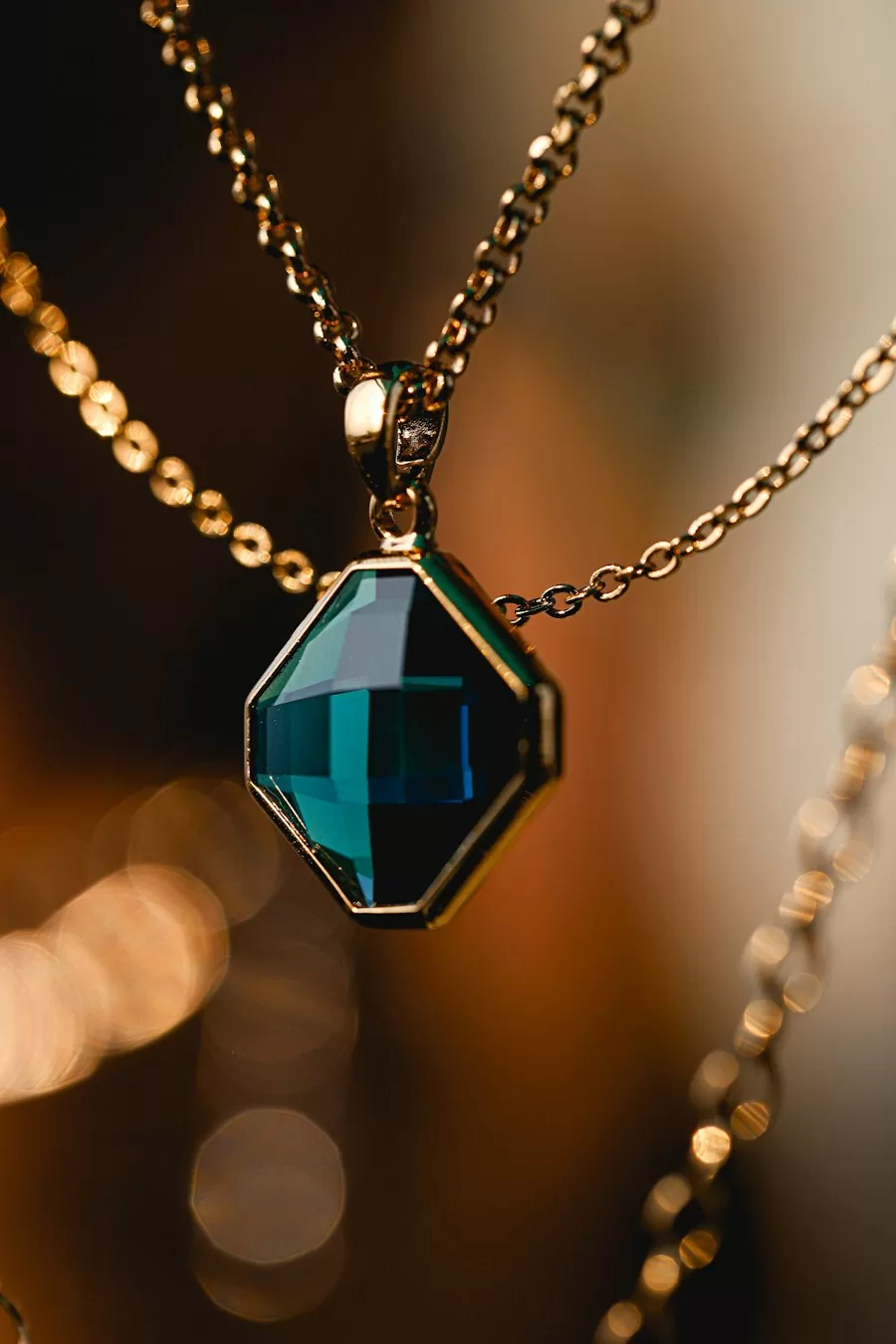
Hold a loupe to a moissanite and the back facets look doubled. That optical quirk is how gemologists separate it from a diamond.
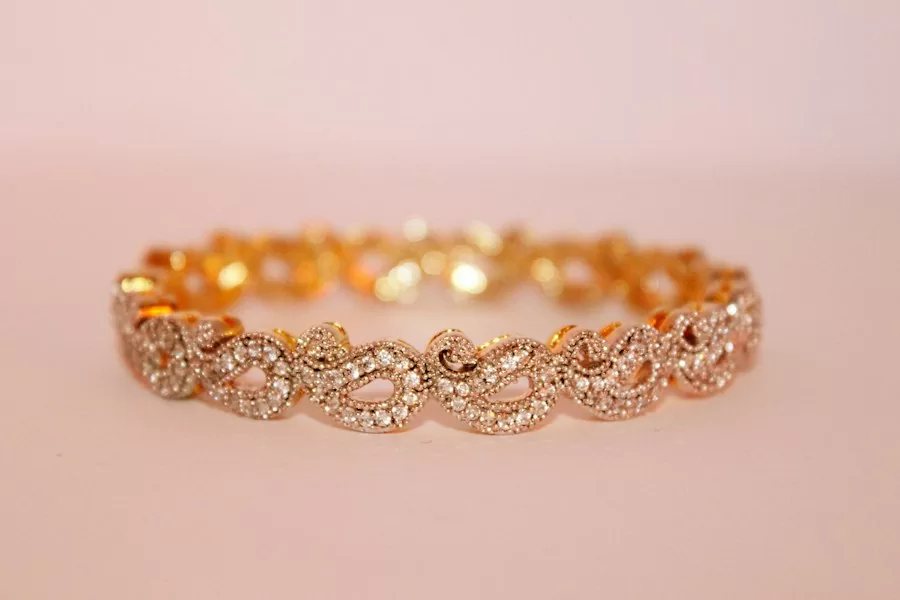
Used well, a treated cloth removes light tarnish without scratching. Used badly, it can push grit into your finish.
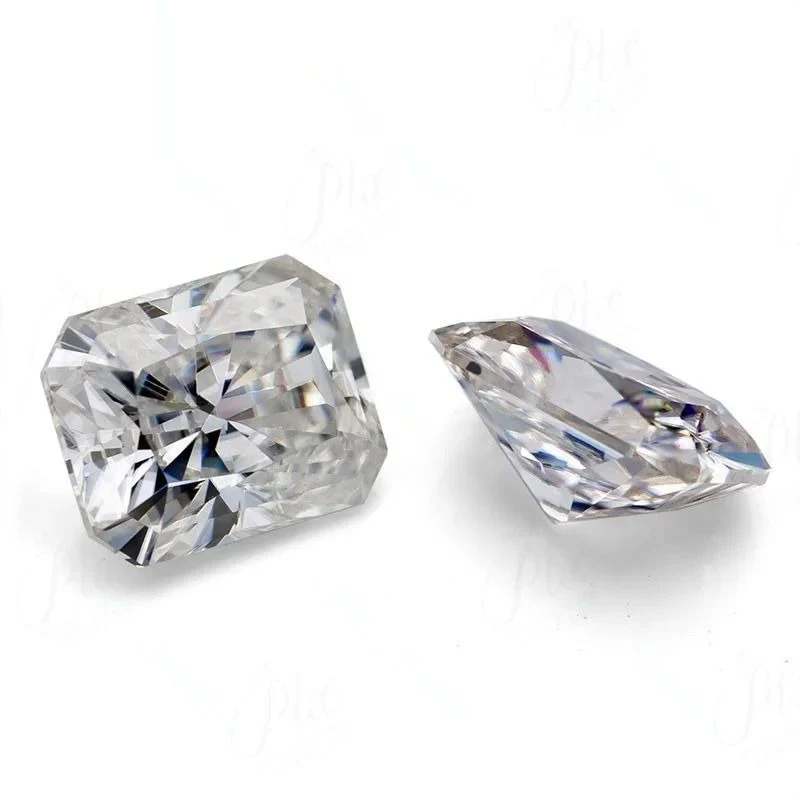
Moissanite's dispersion is more than double diamond's. Here is why the rainbow effect appears, how lighting changes it, and how to shop for it.
Shape changes the price per carat more than any other decision. Here is how the six common cuts differ in look, price and practical wear.
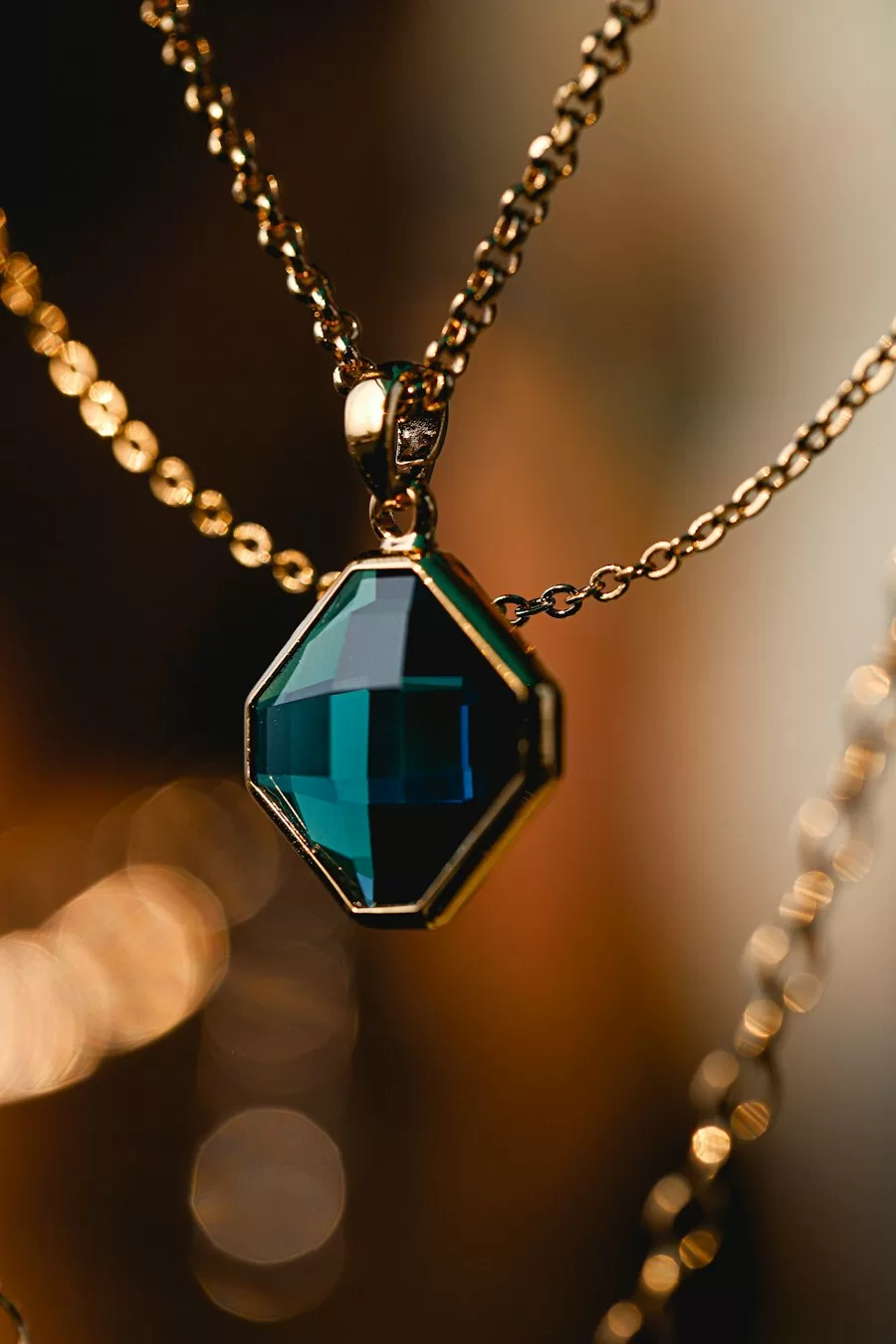
Salt and pepper diamonds trade flawless clarity for a cloudy, speckled character that has become its own engagement ring category.
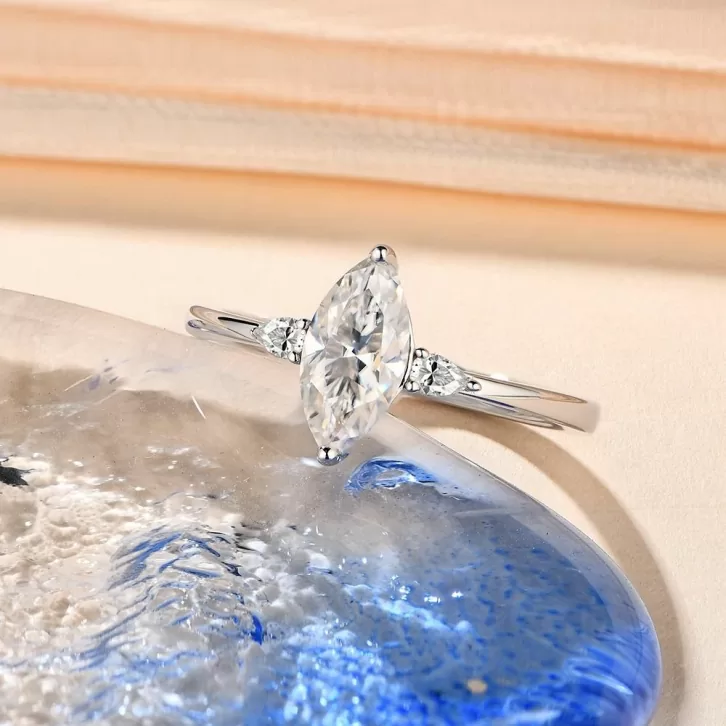
The solitaire is the classic engagement ring because it shows off a single center stone without distraction. Yet within that simple definition there are more variations than most buyers expect.
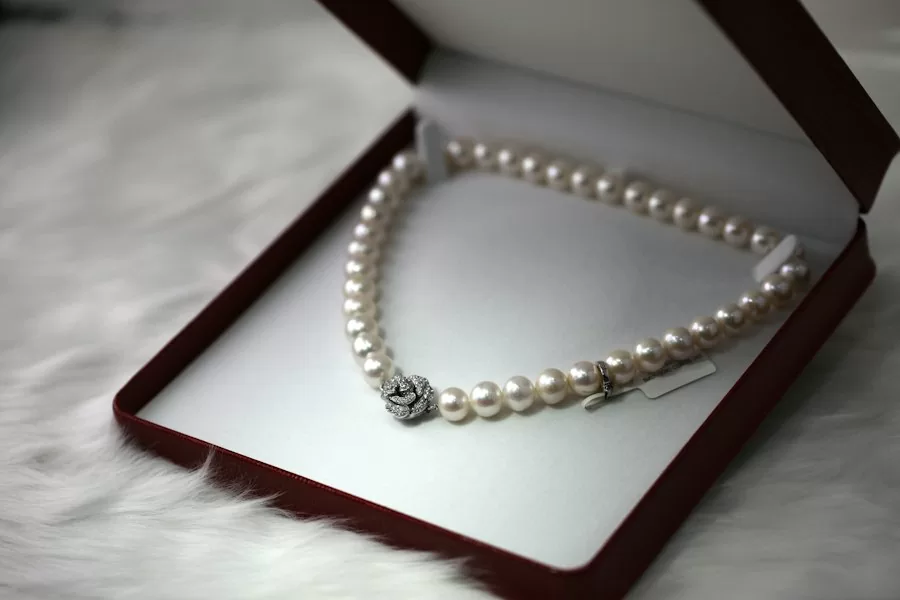
The finish on a wedding band changes how it wears, how it ages and how often it needs refreshing. Here is the plain-English comparison.
A diamond grading report is the only independent proof of what you are buying, yet most people never read past the headline grade. This guide explains what a GIA or IGI report actually contains, which fields matter and which are filler, how to check the report number online, why two labs can grade the same diamond differently, and what to do if the certificate does not match the ring in front of you. A mismatch is the single biggest red flag in diamond buying.
The table percentage — width of the flat top divided by the diamond's average width — is a quiet driver of how bright a round brilliant looks.
Chlorine will not touch the stone but it will ruin the plating. What genuinely damages moissanite, what does not, and how to clean a ring at home.
These add-on bands bridge a mismatch, protect a worn shank, or turn a solitaire into a bridal set. Each solves a different problem.
The culet is the tiny facet at the bottom point of a diamond. Most modern stones have none. Here is why.
Every gemstone moissanite sold today is lab-grown silicon carbide, created in a high-temperature furnace over days. Here is the process.
Men's rings with a centre stone used to mean diamond or nothing. Moissanite has quietly changed that assumption.
The setting changes how much light the stone catches, how likely it is to chip, and how often you need a jeweler. A plain-English comparison.
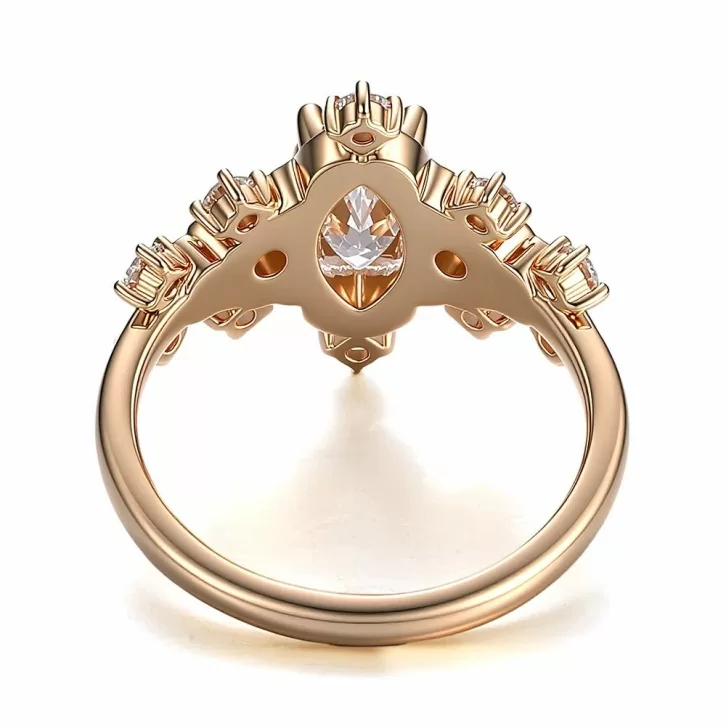
Which moissanite cut throws the most light, and which shapes expose body colour. A practical comparison of round, oval, radiant and emerald cuts.
MOQ starts at 5 pieces per ready-stock style; OEM/ODM custom rings follow a quoted minimum order set in the order agreement.
Ready-stock orders are prepared within 2–5 business days after confirmation. Custom, OEM and ODM projects follow a quoted lead time of 15–30 days, depending on design, metal, stone availability and order size.
Pricing is quoted per piece or per carat according to stone, metal weight, setting and finish. After you send styles, stone and quantity, our sales team returns a written price list and price range for the proposed order.
We accept T/T bank transfer, PayPal and Western Union. Custom and OEM/ODM orders require an agreed 30% deposit, with the balance paid before shipment; bulk and private-label payment terms are confirmed in the order agreement.
We keep our wholesale MOQ low, but the exact minimum is quoted on request rather than fixed on this page. Ready-stock styles can usually be ordered in small mixed batches across categories; OEM, ODM, private-label and custom packaging runs carry their own minimums depending on tooling, branding and quantity. After you send your selected styles or categories and estimated quantities, our sales team confirms the MOQ, mixed-batch options and unit price in a written quotation. Any fixed number quoted on a proposal applies to that specific order only.
Ready-stock orders are picked, inspected and packed within 2–5 business days after confirmation, subject to availability. Custom, OEM and ODM orders follow a longer quoted schedule because the project includes consultation, 3D modeling, prototype approval, production and final inspection. The total lead time depends on design complexity, metal, stone availability, setting type and order size; we state the expected production window in your quotation after reviewing the brief. No fixed production day count is promised publicly because each project differs, and sample approval always precedes bulk production.
Yes. Sample-first cooperation is standard for custom, OEM and ODM projects. For ready-stock wholesale, buyers may order a small sample batch to check quality, finish and packaging before committing to a larger order. A sample or prototype cost may apply to custom designs; that cost and whether it is credited toward a later bulk order are stated in the quotation. We recommend approving the physical sample or prototype before production begins, because changes made after approval can affect cost and lead time.