Diamonds & 4Cs
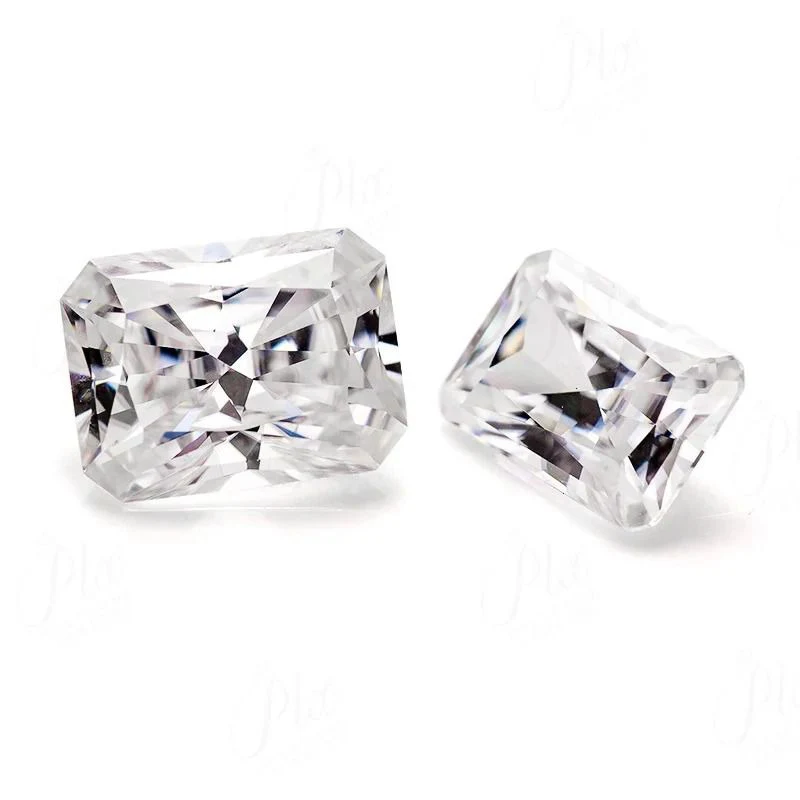
D-colour diamonds sell for a premium most buyers cannot see. Here is how colour grading actually works and where the sensible cut-off is.
699 articles in the knowledge base. Filter by topic below.
D-colour diamonds sell for a premium most buyers cannot see. Here is how colour grading actually works and where the sensible cut-off is.
The girdle is the edge of the diamond. Too thin and it chips; too thick and the stone looks smaller. Here is the sweet spot.
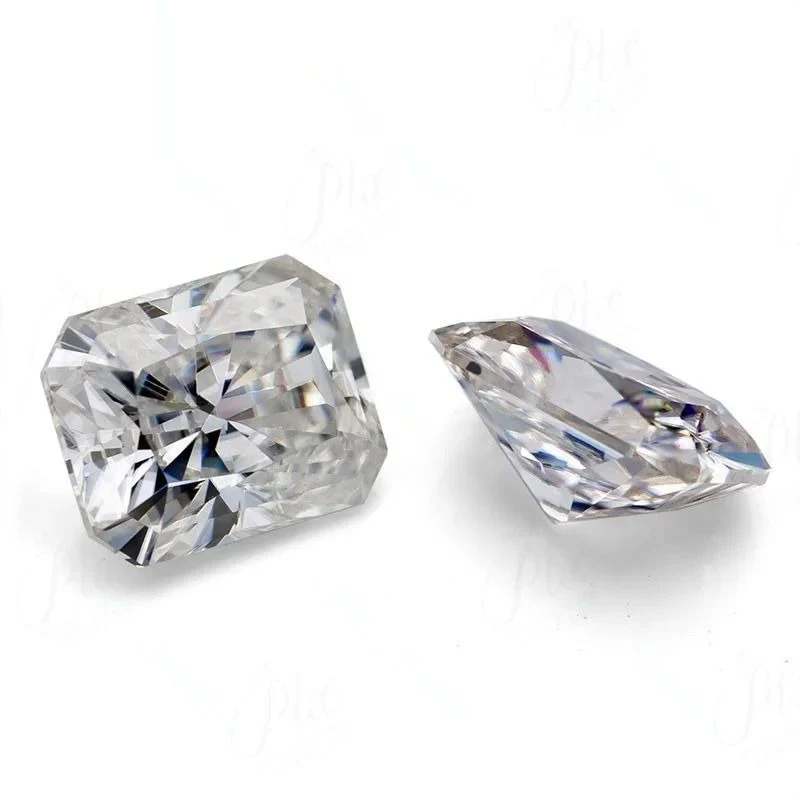
Moissanite's story starts in a meteor crater in Arizona, not a jewellery workshop. Henri Moissan's accidental discovery took decades to reach rings.
Lab-grown diamonds are identical in material to mined ones. Here is how HPHT and CVD grow them, and what buyers should compare instead.
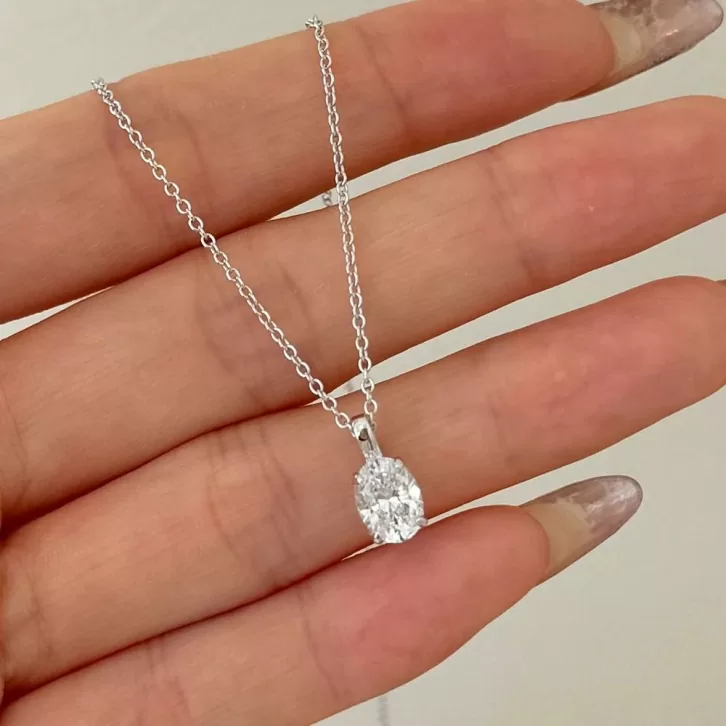
A cheap ultrasonic cleaner shifts grease a soak cannot, but it is not safe on every stone or setting. Here is the safe list.
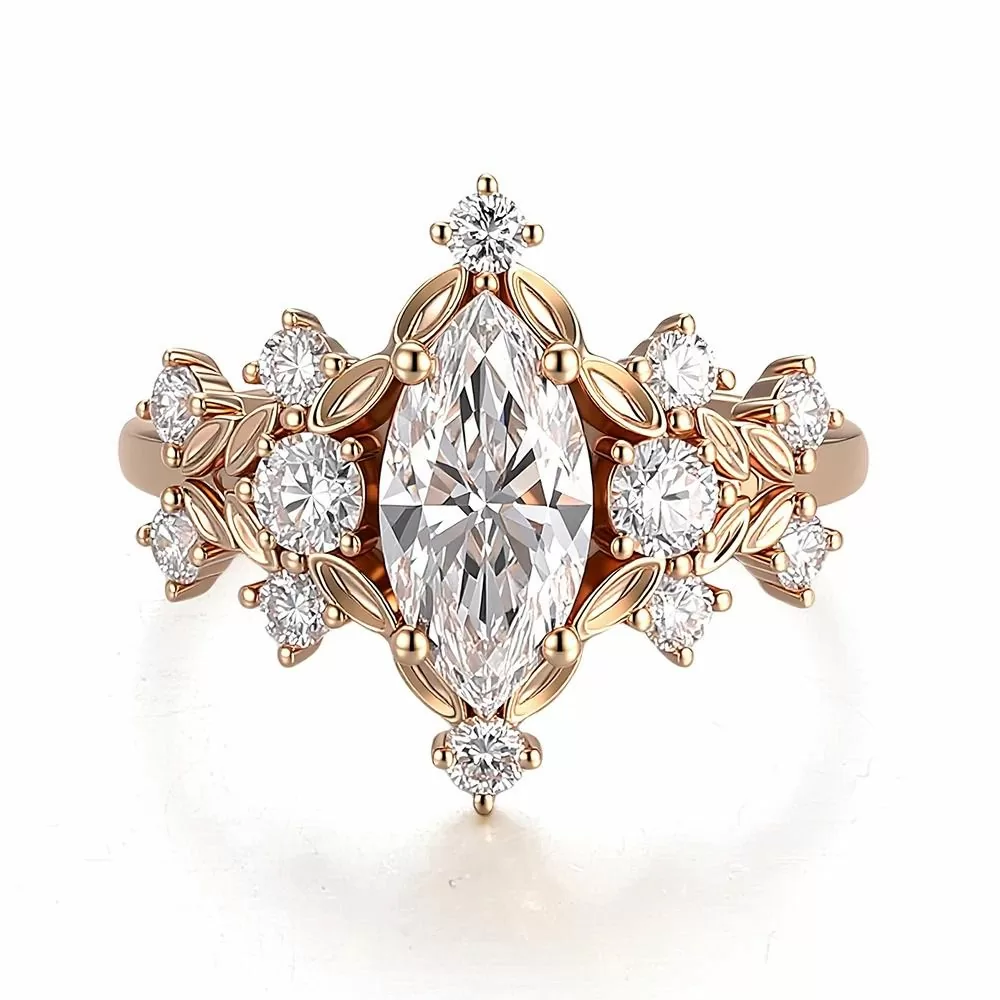
From a first to a tenth anniversary, adding a band is less about cost and more about getting the fit right.
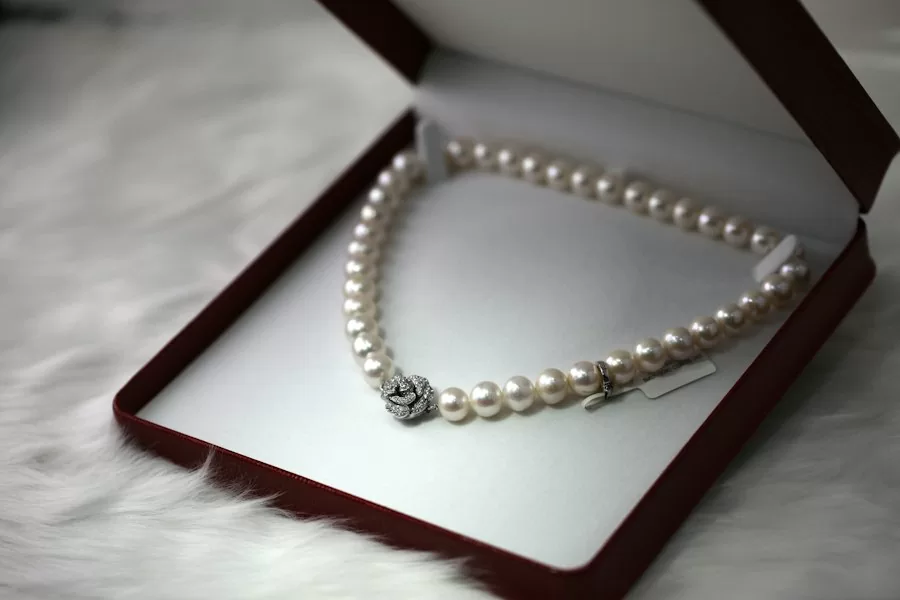
Couples who coordinate their bands usually end up with a set that looks deliberate, not duplicated. Here is how the choices work.
The small diamonds lining a halo or pave band are called melee, and buyers rarely ask about them. Yet they determine how even the sparkle looks and how much the setting wears over time.
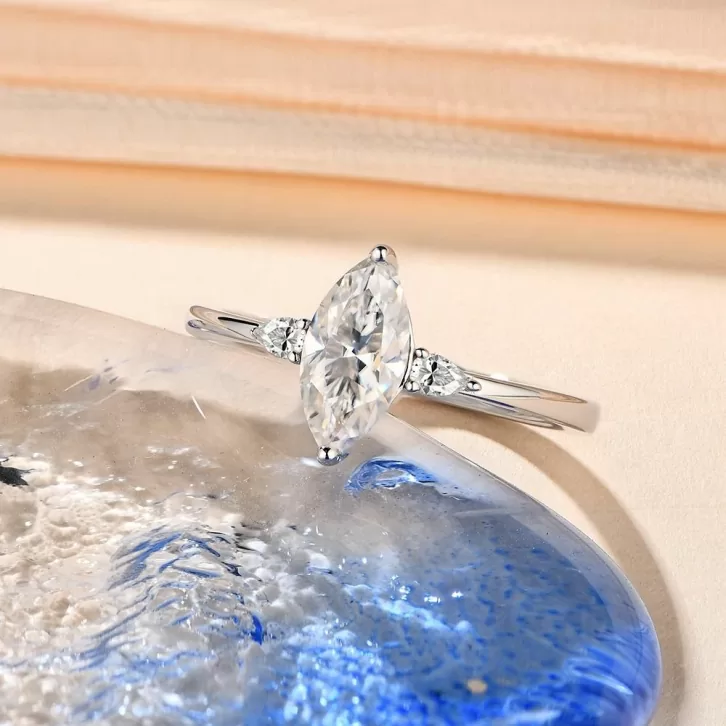
Left hand, third finger? In the UK and most of Europe it is, but the customs differ across countries and the old vein theory is not the reason.
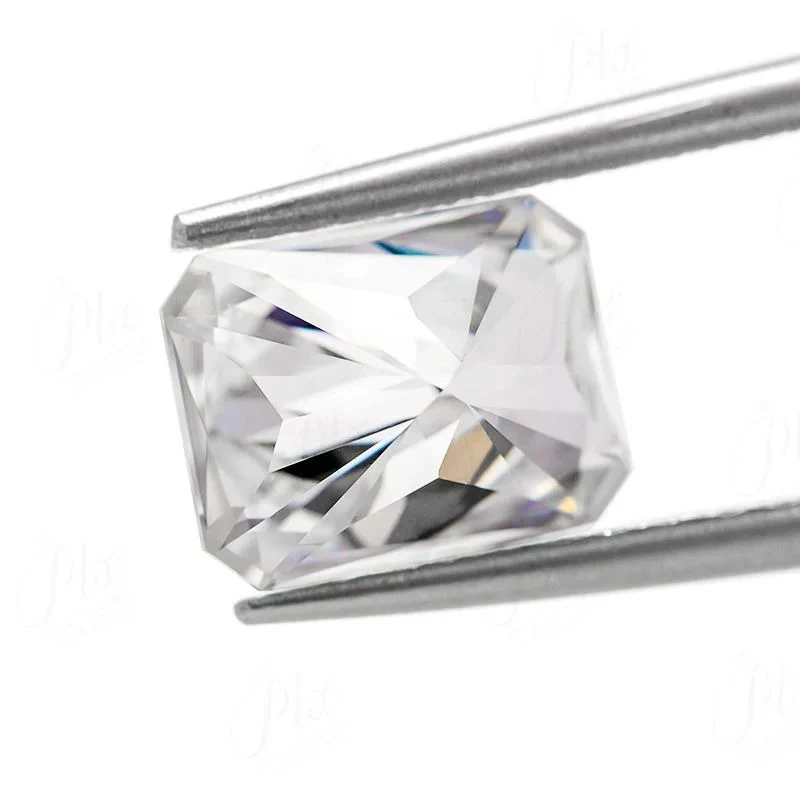
Moissanite handles everyday heat fine, but a jeweller's torch is a different matter. Here is the practical temperature guide.
Which stones and metals survive showering, sleeping and gym sessions, and which settings protect a ring you never take off.
The honest wear test: how moissanite holds up over years of daily wear, and what to expect.
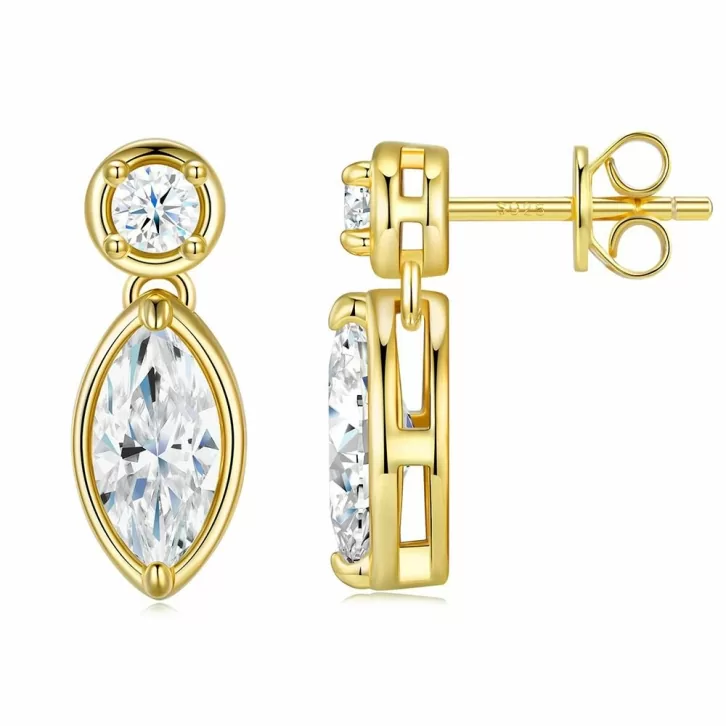
How to pick earrings and a necklace that work with your dress, your hairstyle and your engagement ring — without over-doing it.
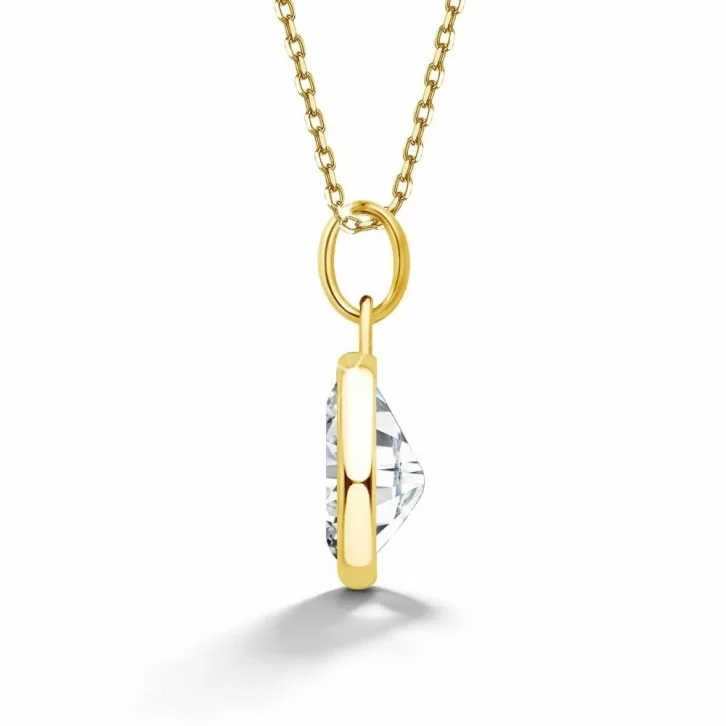
Why tossing everything in one box is quietly ruining your pieces, and the simple storage setup that fixes it.
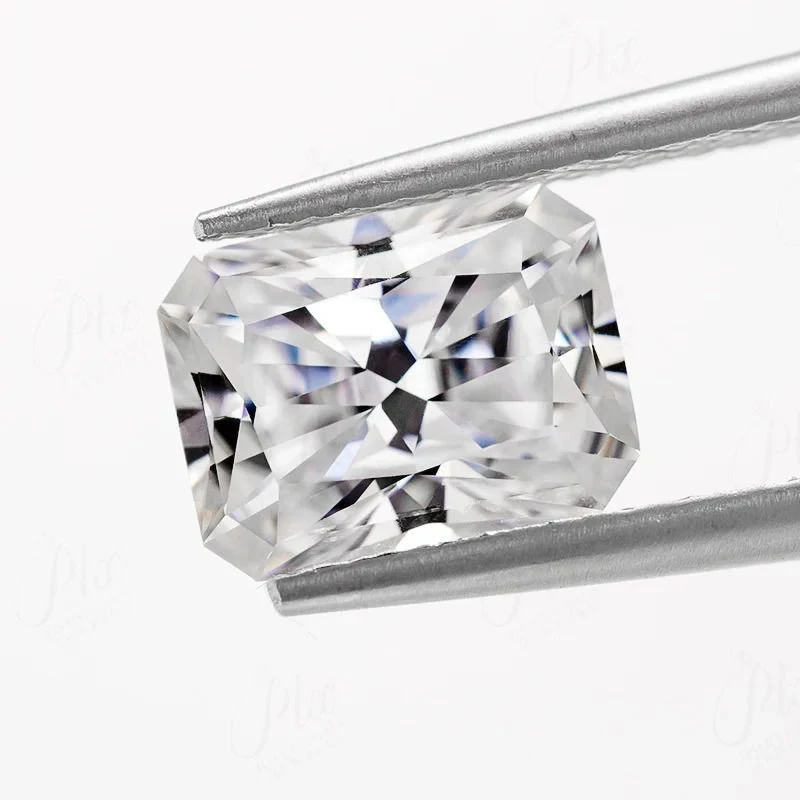
The pieces of conventional wisdom about the 4Cs that are just not true. Includes the "eye-clean" lie and the "colourless is best" trap.
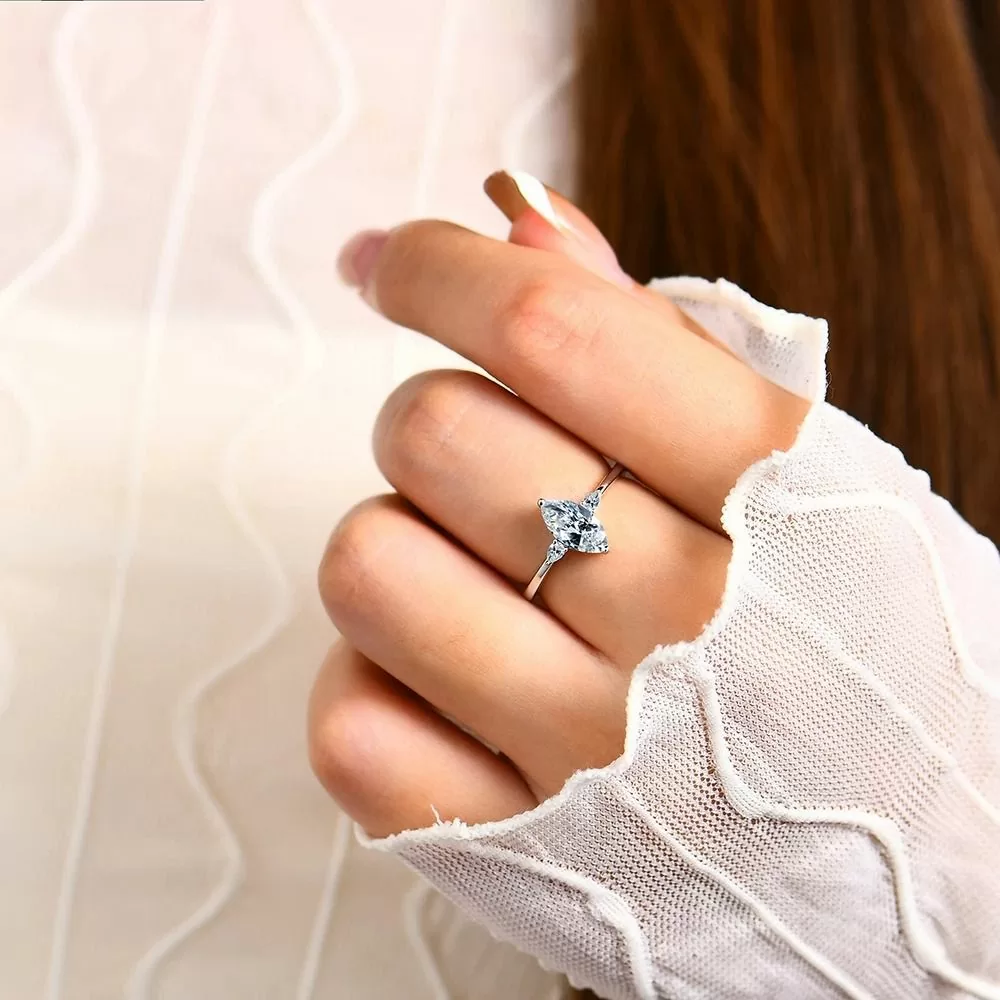
The white-metal choice most European shoppers agonise over. Here is the honest comparison on price, wear and feel.
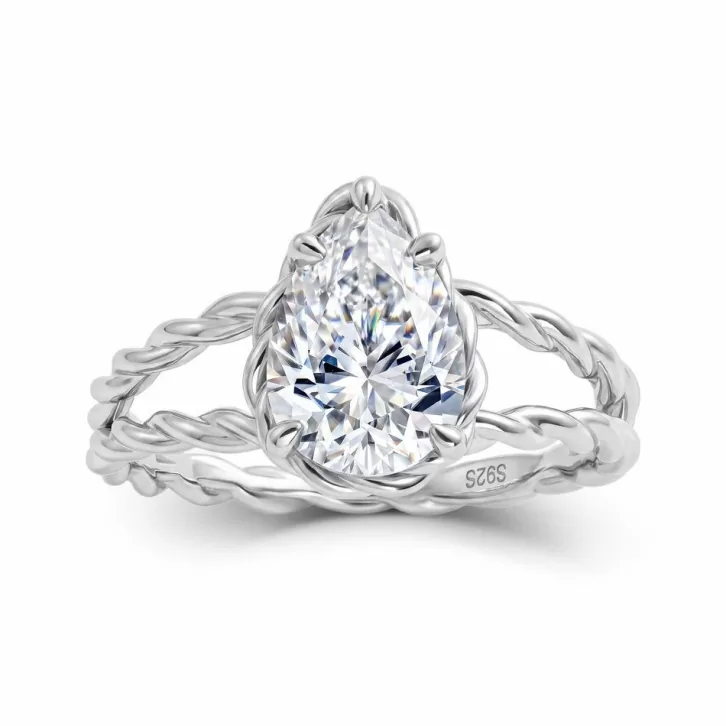
The three most common engagement ring settings, what they look like, and how they affect the way the ring wears.
How home contents insurance covers (or does not cover) an engagement ring, and when to add a separate policy.
A realistic UK budget framework: what a solitaire actually costs at different price points, and where the money goes.
Round brilliants are safe and bright; emerald cuts are modern and graphic. Here is how to choose between the two.
Lab-grown diamonds are chemically identical to mined ones but cost less. Here is how they are made, how they are graded, and what to know before you buy.
The five-minute home clean, the things that actually damage jewellery, and how often to get a professional check-up.
Platinum, yellow gold, white gold, rose gold — the four metals in everyday use, and which one suits a UK/European bride or groom.
UK alphabetical sizes, EU numerical sizes and the inside-diameter millimetres you need when ordering online from Europe.
MOQ starts at 5 pieces per ready-stock style; OEM/ODM custom rings follow a quoted minimum order set in the order agreement.
Ready-stock orders are prepared within 2–5 business days after confirmation. Custom, OEM and ODM projects follow a quoted lead time of 15–30 days, depending on design, metal, stone availability and order size.
Pricing is quoted per piece or per carat according to stone, metal weight, setting and finish. After you send styles, stone and quantity, our sales team returns a written price list and price range for the proposed order.
We accept T/T bank transfer, PayPal and Western Union. Custom and OEM/ODM orders require an agreed 30% deposit, with the balance paid before shipment; bulk and private-label payment terms are confirmed in the order agreement.
We keep our wholesale MOQ low, but the exact minimum is quoted on request rather than fixed on this page. Ready-stock styles can usually be ordered in small mixed batches across categories; OEM, ODM, private-label and custom packaging runs carry their own minimums depending on tooling, branding and quantity. After you send your selected styles or categories and estimated quantities, our sales team confirms the MOQ, mixed-batch options and unit price in a written quotation. Any fixed number quoted on a proposal applies to that specific order only.
Ready-stock orders are picked, inspected and packed within 2–5 business days after confirmation, subject to availability. Custom, OEM and ODM orders follow a longer quoted schedule because the project includes consultation, 3D modeling, prototype approval, production and final inspection. The total lead time depends on design complexity, metal, stone availability, setting type and order size; we state the expected production window in your quotation after reviewing the brief. No fixed production day count is promised publicly because each project differs, and sample approval always precedes bulk production.
Yes. Sample-first cooperation is standard for custom, OEM and ODM projects. For ready-stock wholesale, buyers may order a small sample batch to check quality, finish and packaging before committing to a larger order. A sample or prototype cost may apply to custom designs; that cost and whether it is credited toward a later bulk order are stated in the quotation. We recommend approving the physical sample or prototype before production begins, because changes made after approval can affect cost and lead time.