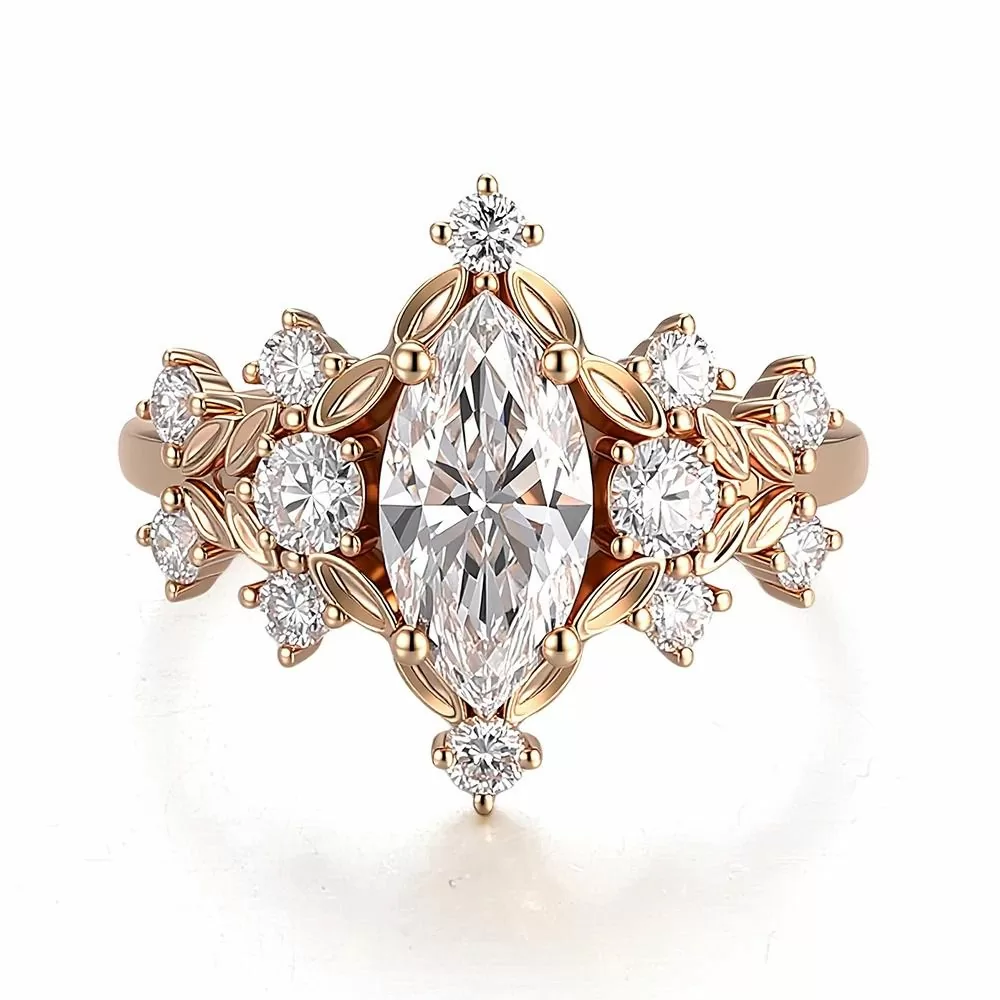
An anniversary band is the quiet tradition that grows with a marriage. It starts, if it starts at all, long after the wedding day, when a couple decides to mark a milestone with a second ring that sits alongside the engagement and wedding bands. In the UK these are often called eternity or anniversary rings, and they are chosen less for their cost and more for how they complete the stack you already wear. Getting the timing, the stones and the height right is what makes the addition feel like part of the set rather than a new ring bolted on.
There is no fixed rule for when an anniversary band appears. Some couples mark the first wedding anniversary; others wait for the tenth, the fifteenth or a significant birthday. The traditional gift list suggests gemstones for certain years, but the modern approach is to add a band when the moment feels meaningful, not when a calendar says you must. Our guide to eternity band options explains the styles available before you start shopping.
Half eternity versus full eternity
The first choice is how far around the band the stones run. A half eternity carries stones across the visible front and sides, leaving the back plain. A full eternity carries stones all the way around. Half eternity rings are cheaper, easier to resize, and more practical for hands that work, because the plain back can be sized down or up without removing stones. Full eternity rings look spectacular but cannot be resized once made, so the ring size must be exact at purchase time. Read our notes on resizing eternity rings before you commit to a full circle.
For a first anniversary band, most jewellers recommend a half eternity. It gives the sparkle you want on the visible side, leaves room for future sizing, and costs less than a full circle. A full eternity is a wonderful later upgrade when you are confident of your permanent size and want the full effect.
Stone choice and matching
The anniversary band should feel related to the engagement ring rather than competing with it. If your centre stone is a round brilliant, a band lined with small round melee will harmonise. If the engagement ring is a moissanite, you can match the colour and cut closely, as our guide to matching a moissanite wedding band describes. Choosing stones of a similar white grade (per GIA's diamond grading standards) means the band does not introduce a new colour that clashes with the centre stone.
Many people choose a birthstone or a sentimental gem for the anniversary band rather than diamonds. A sapphire for a September birthday, a ruby for July, or a emerald for May adds a personal note and sits beautifully between a plain wedding band and a solitaire. If you go this route, check the hardness of the gem you choose; softer stones can be worn in a ring, but they need a more protective setting and gentler daily care.
Stack height and fitted bands
The most overlooked detail is how the new band sits against the existing rings. If the engagement ring has a high setting and the wedding band sits snug under it, a third band needs its own place in the stack. A fitted or contoured band is shaped to curve around the profile of the engagement ring, so the three rings sit flat against each other without rocking. This is why our guide to stack height and fitted bands exists; without it, three rings can feel like a handful of uneven metal.
When you add an anniversary band, take the engagement and wedding rings with you to the jeweller. Try the new band on alongside them, wear the set around the store for ten minutes, and check that the rings lie flat and do not twist. A band that looks right alone may sit awkwardly in the stack, and that is something you can only discover by trying all three together.
Metal and finish consistency
Mixing metals is fashionable, but for an anniversary band most people choose the same metal as the existing rings so the stack reads as a set. If the engagement and wedding bands are platinum, a platinum anniversary band will wear at the same rate and develop a matching patina. If they are 18ct yellow gold, a yellow gold anniversary band keeps the colour consistent. Our overview of mixing metals is worth reading if you want to break from that tradition deliberately rather than by accident.
The finish matters too. A polished band next to a matte band creates an interesting contrast, but a hammered or brushed anniversary ring can look out of place against two plain polished bands unless that contrast is the point. Bring the existing rings, hold the new one beside them in daylight, and trust your eye. The anniversary band is meant to feel like it belonged on your hand all along.
An anniversary band is not a requirement and not a milestone you owe anyone. It is a choice couples make when they want a visible, wearable marker of years together. Take your time, match the stack rather than chasing a trend, and the band will become the piece you adjust unconsciously with your thumb, the one that tells the story of everything that happened after the wedding day.
Related Reading
- Gold vs Platinum Weight: The Density Numbers Buyers Ask About
- Everyday Rings: Which Metal Lasts the Longest
- Platinum vs Sterling Silver Wears
Frequently Asked Questions
What ring sizes can you supply in bulk?
US sizes 5–12 including half sizes. Send a size breakdown with your order and we cast to that curve; comfort-fit inner bands reduce resize requests.
Can I order a mixed size run instead of one size?
Yes. Mixed runs are standard for wholesale: specify quantity per size and we pack and label by size at no extra labor cost.
What is the MOQ for custom ring designs?
50 pieces per design for existing molds; 100–300 pieces when a new mold or CAD model is required.
How should I price rings for retail margin?
Most partners use a 3–4x markup on FOB cost for sterling and 2.5–3x for moissanite solos, which keeps landed cost under 30% of retail.


