Moissanite
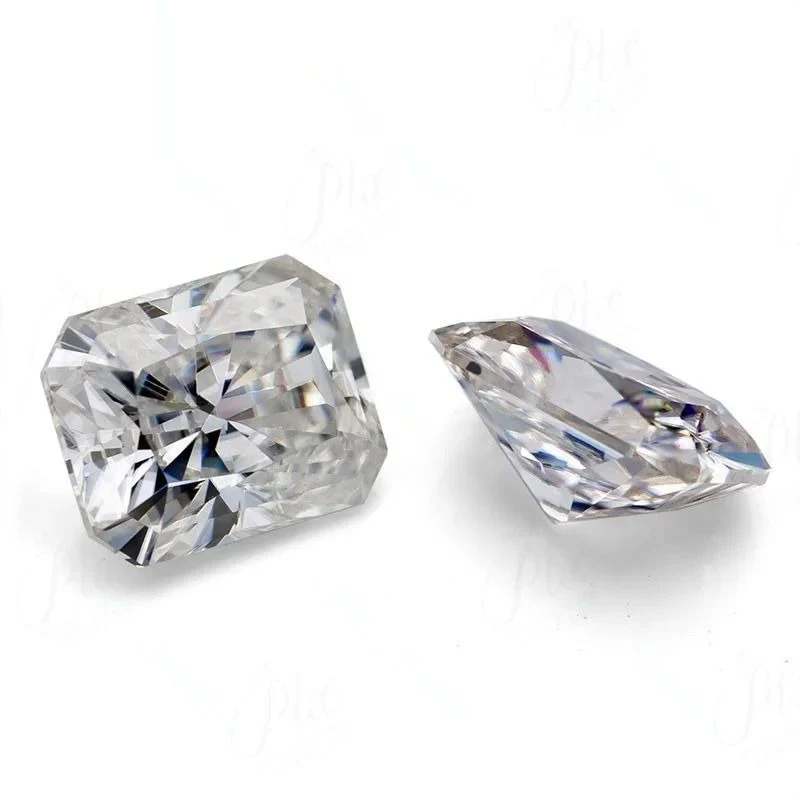
A 1.00ct moissanite and a 1.00ct diamond are not the same size on the hand. Density is the reason the carat number lies.
699 articles in the knowledge base. Filter by topic below.
A 1.00ct moissanite and a 1.00ct diamond are not the same size on the hand. Density is the reason the carat number lies.
Toothpaste is not a jewelry cleaner. The grit that scrubs teeth is the same grit that hazes moissanite.
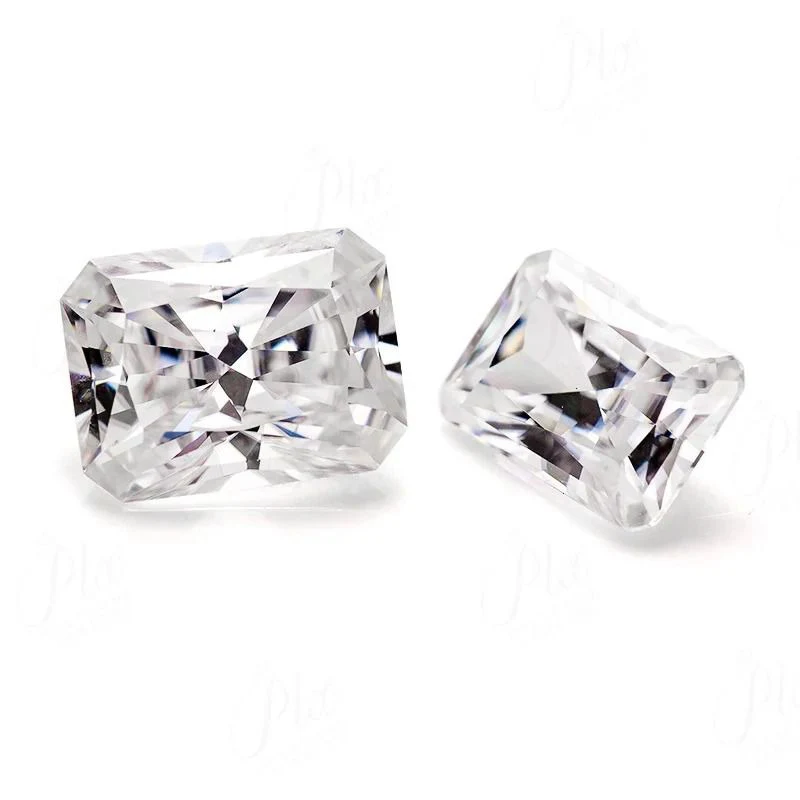
Cut, color, clarity and carat weight do not have to be intimidating. This guide walks a first-time buyer through each C and how to weigh them.
Thermal pens can call moissanite a diamond. Electric-mode testers catch it. Here is the honest explanation for your product page.
The cloth you clean a ring with matters as much as the solution. Some everyday rags leave swirl marks you cannot polish out.
Natural solitaires under 1.5ct for the story. Lab-grown 1.5 to 3ct for the visual size. That is the split.
A printable guide needs a calibration box and width correction. Otherwise returns spike.
Both look white in a display case. The numbers, RI, dispersion, Mohs hardness, price, explain why one lasts decades and the other clouds in a year.
Most buyers shop VS and SI and never reach the included grades. But I1 stones have a real place in budget and industrial jewelry.
VS1 and VS2 look identical to the naked eye; the money difference is in the loupe.
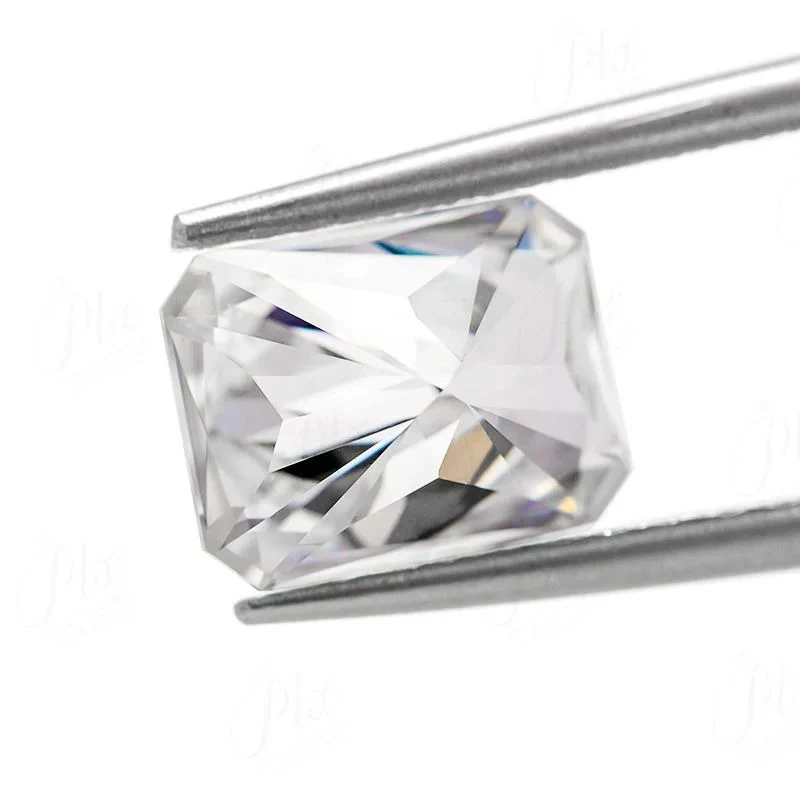
The stone is safe; the soap film and the silver setting are not. Here is the after-sale answer to put on your product page.
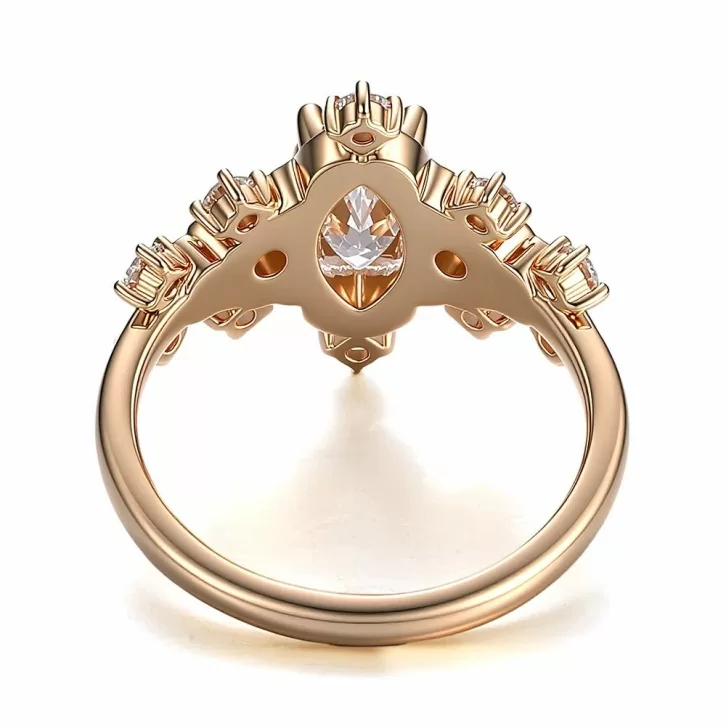
Emerald and round diamonds trade light return for geometry. Here is how step-cut and brilliant-cut designs differ in fire, scintillation and apparent face-up size per carat.
Moissanite flashes more rainbow than diamond because of a single optical number. Here is what dispersion actually measures, and how to explain it.
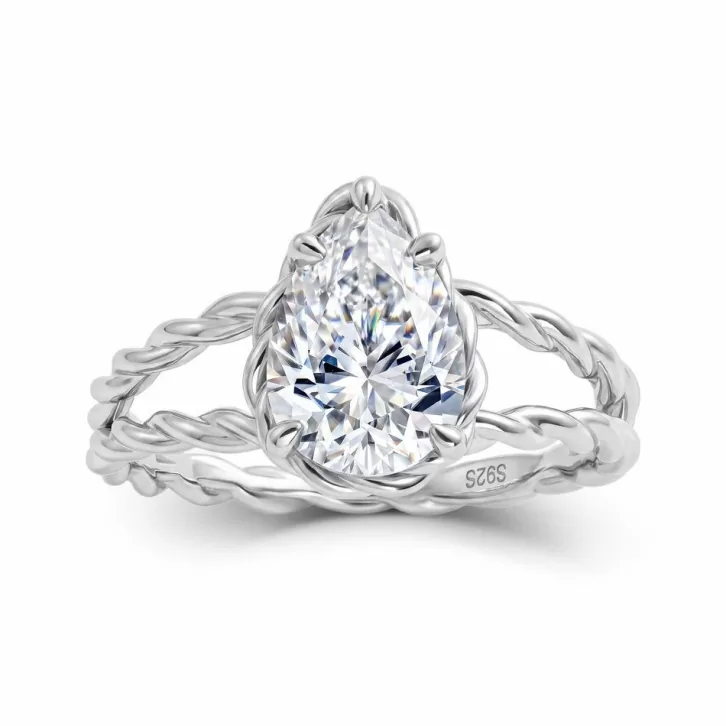
A solitaire centers on one stone; a three-stone ring tells a story of past, present and future. Here is how the two designs compare in meaning, structure and band fit.
D-to-J is where most bridal buying happens. Here is what each grade looks like mounted and where the invisible premium sits.
Borrow a ring, cut a strip of paper, measure the circumference in millimeters, and convert to a size chart. Three covert methods that work before a surprise proposal.
The rainbow bursts come from dispersion, and moissanite bends light more than diamond does.
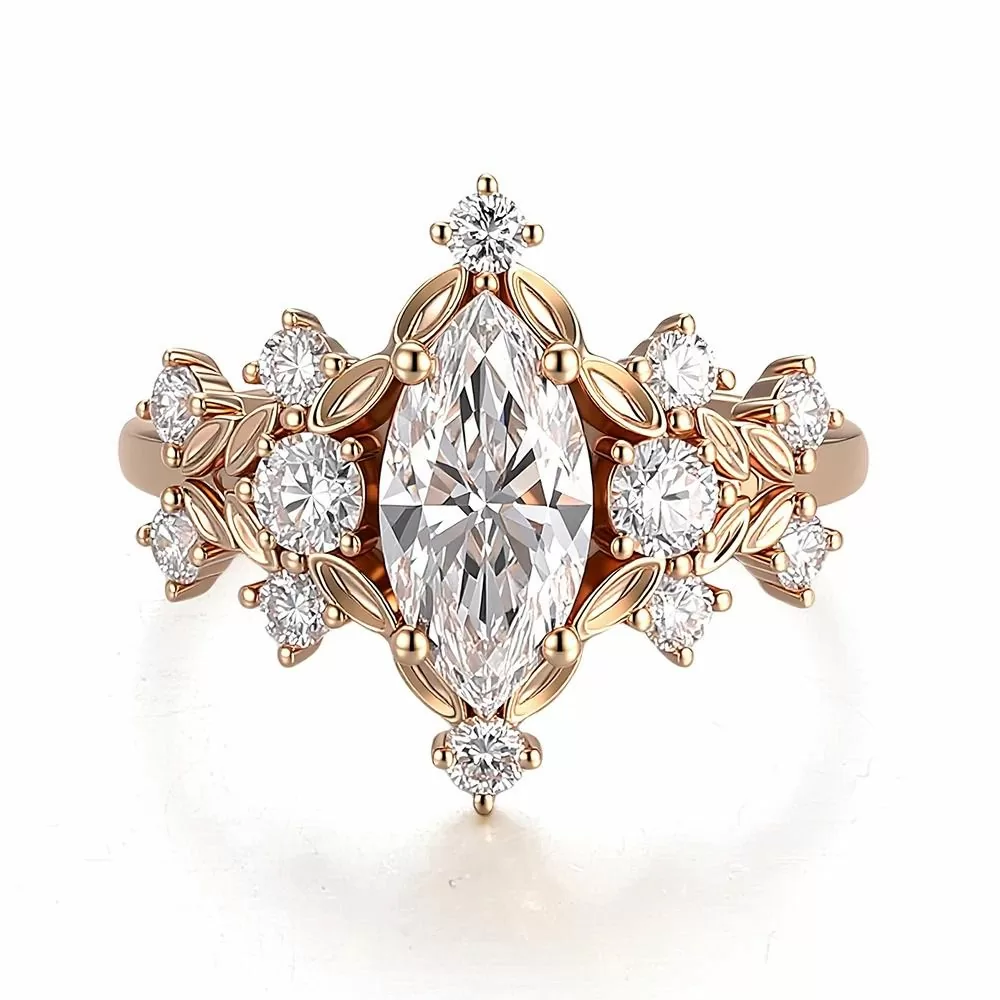
A platinum band and a 14k gold band of the same width look identical on the rack. On the hand they feel completely different. Weight is why.
If two same-spec moissanite rings look different on the hand, the cause is usually where it was grown, how it was cut and what it is set in.
A jewelry policy is not a generic homeowner's add-on. Here is the coverage language wholesale and retail buyers should demand before insuring high-value pieces.
White gold and sterling silver look alike on day one and diverge by month six.
Clarity is graded under 10x magnification, not by how the ring looks at arm's length. Here is what IF, VVS, VS, SI and I really mean.
Moissanite is one of the hardest gemstones used in jewelry. We look at Mohs hardness, toughness and what daily wear does to it.
Return rates drop when you explain half sizes and resize limits up front. Here is the sizing cheat sheet for online stores.
MOQ starts at 5 pieces per ready-stock style; OEM/ODM custom rings follow a quoted minimum order set in the order agreement.
Ready-stock orders are prepared within 2–5 business days after confirmation. Custom, OEM and ODM projects follow a quoted lead time of 15–30 days, depending on design, metal, stone availability and order size.
Pricing is quoted per piece or per carat according to stone, metal weight, setting and finish. After you send styles, stone and quantity, our sales team returns a written price list and price range for the proposed order.
We accept T/T bank transfer, PayPal and Western Union. Custom and OEM/ODM orders require an agreed 30% deposit, with the balance paid before shipment; bulk and private-label payment terms are confirmed in the order agreement.
We keep our wholesale MOQ low, but the exact minimum is quoted on request rather than fixed on this page. Ready-stock styles can usually be ordered in small mixed batches across categories; OEM, ODM, private-label and custom packaging runs carry their own minimums depending on tooling, branding and quantity. After you send your selected styles or categories and estimated quantities, our sales team confirms the MOQ, mixed-batch options and unit price in a written quotation. Any fixed number quoted on a proposal applies to that specific order only.
Ready-stock orders are picked, inspected and packed within 2–5 business days after confirmation, subject to availability. Custom, OEM and ODM orders follow a longer quoted schedule because the project includes consultation, 3D modeling, prototype approval, production and final inspection. The total lead time depends on design complexity, metal, stone availability, setting type and order size; we state the expected production window in your quotation after reviewing the brief. No fixed production day count is promised publicly because each project differs, and sample approval always precedes bulk production.
Yes. Sample-first cooperation is standard for custom, OEM and ODM projects. For ready-stock wholesale, buyers may order a small sample batch to check quality, finish and packaging before committing to a larger order. A sample or prototype cost may apply to custom designs; that cost and whether it is credited toward a later bulk order are stated in the quotation. We recommend approving the physical sample or prototype before production begins, because changes made after approval can affect cost and lead time.