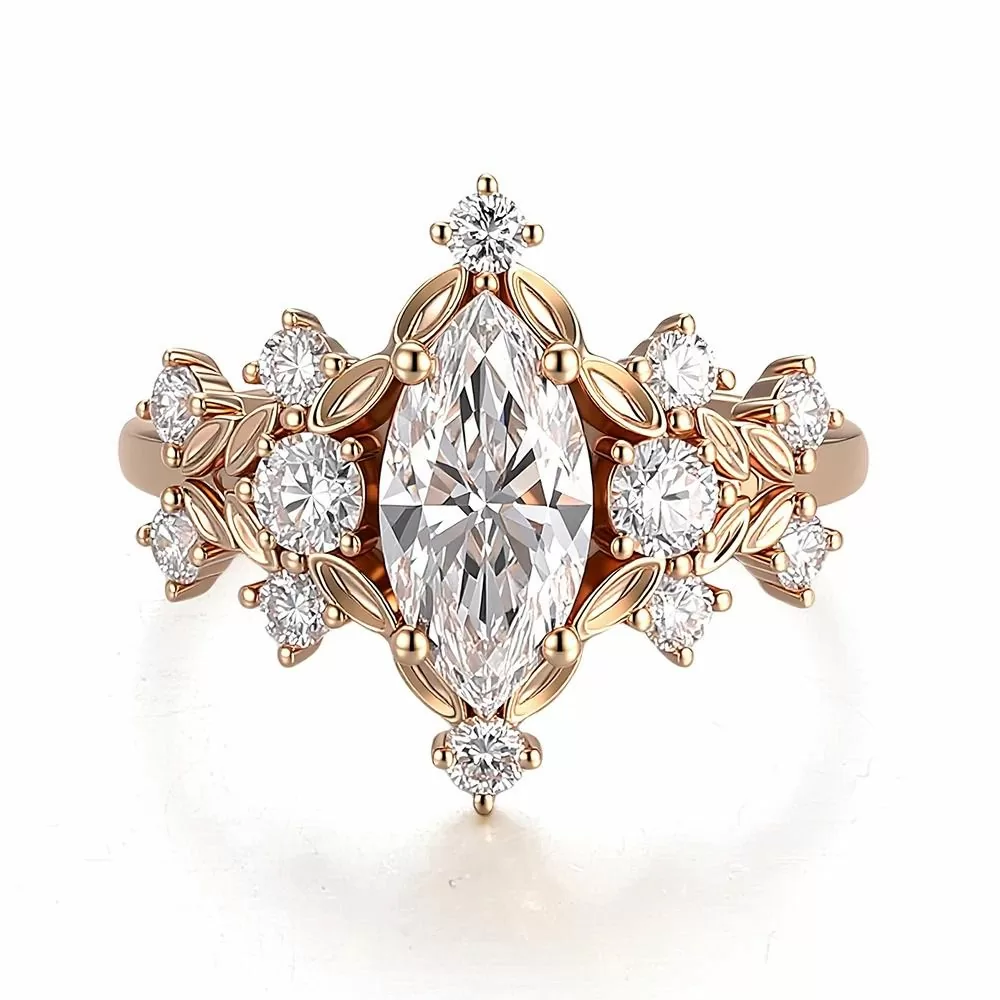
Ten years in, a client looks at the original engagement ring and feels it no longer matches who they are. An anniversary upgrade is the answer, but the instinct to start over often wastes a perfectly good setting. The smart move is to upgrade surgically rather than replace the whole ring.
When an upgrade makes sense
Milestones are the natural trigger: the first anniversary, the five-year, the ten-year, then every decade. But the real signals are practical. If the client's taste has shifted, if the center stone no longer fits their hand, or if the original budget meant a smaller stone, an upgrade refreshes the ring without a new emotional start. It also works as a stand-alone anniversary band stacked with the original, which is the lowest-risk option.
What to upgrade first
Three upgrades deliver the most visible change for the money. First, swap the center stone for a larger or better-graded one, reusing the existing mount if the head fits. Second, add side stones or a halo to widen the look, which can add 0.3 to 0.5 carats of visual size. Third, restyle the setting into a profile the client prefers. Reusing a well-made shank saves the cost of a new mount. For stone choices, compare emerald vs round cut and review grades in diamond color and clarity.
Keeping the sentimental value
Many clients worry that upgrading erases the original ring. It does not have to. A common approach is to move the original center stone into a pendant or a right-hand ring, and set the new stone in the engagement mount. That keeps the first stone in the family while giving the hand a fresh look. For settings that take a new stone, see engagement ring settings, and confirm the chosen mount resizes cleanly using the resizing guide.
Budget and planning
An upgrade costs less than a fresh ring because the shank and band are reused. Plan the budget around the new center stone and any side stones, plus a setting fee. If the original ring was bought online, bring a grading (per GIA's diamond grading standards) report so the new stone matches the old in metal and style. Insure the upgraded value afterward, using the policy points in the jewelry insurance guide. For grading standards behind a new stone, see IGI.
FAQs
What is a good anniversary milestone to upgrade a ring?
The 10-year anniversary is the most common point, though 1, 5 and 20-year upgrades are also popular. Upgrade when taste or budget has shifted, not just on a date.
Can I reuse my original ring setting?
Often yes. A plain shank can take a new center stone if the head fits. A jeweler measures the seat and may adjust the prongs for the new stone.
What should I do with the old center stone?
Set it into a pendant or a right-hand ring so it stays in the family. This preserves the sentimental value while the engagement ring gets a new center stone.
Does an upgraded ring need new insurance?
Yes. The insured value rises with the new stone, so update the appraisal and schedule the higher value with your insurer.
Stacking vs resetting: the two upgrade paths
There are two ways to upgrade, and choosing between them is the first decision. Stacking adds a band, an eternity ring or a contour band alongside the original engagement and wedding set. It is the lowest-risk option: nothing about the original ring is changed, sentimental value is preserved, and the new band is an anniversary piece in its own right. Stacking suits clients who love the original ring and simply want a richer, more expressive set on the hand.
Budget the upgrade in the same order as a new purchase: center stone first, then side stones or halo, then the mount. Reusing the shank saves roughly the cost of a new mount, so the budget can go further into a better stone. If the client is unsure which path to take, start with a stacking band; it is reversible and gives a year to decide whether a full reset is worth the investment.
Resetting changes the original ring itself. The center stone is moved into a new mount, or the original stone is replaced and the old one set into a pendant. Resetting is the right move when the client no longer likes the original setting, when the center stone feels too small, or when the taste has shifted from a plain solitaire to a halo or three-stone. It costs more than stacking because it includes a new mount and setting labor, but it produces a ring that feels new without abandoning the original stone. Whichever path is chosen, keep the old grading report and the original receipt; they make both the reset and the updated appraisal straightforward.
HOLYCOME offers upgrade programs for trade partners: reuse existing mounts, swap calibrated center stones and add side-stone halos. Contact our team for an upgrade quote on a client piece.
Frequently Asked Questions
What ring sizes can you supply in bulk?
US sizes 5–12 including half sizes. Send a size breakdown with your order and we cast to that curve; comfort-fit inner bands reduce resize requests.
Can I order a mixed size run instead of one size?
Yes. Mixed runs are standard for wholesale: specify quantity per size and we pack and label by size at no extra labor cost.
What is the MOQ for custom ring designs?
50 pieces per design for existing molds; 100–300 pieces when a new mold or CAD model is required.
How should I price rings for retail margin?
Most partners use a 3–4x markup on FOB cost for sterling and 2.5–3x for moissanite solos, which keeps landed cost under 30% of retail.


