Diamonds & 4Cs
Salt and pepper diamonds trade flawless clarity for a cloudy, speckled character that has become its own engagement ring category.
125 articles in the knowledge base. Filter by topic below.
Salt and pepper diamonds trade flawless clarity for a cloudy, speckled character that has become its own engagement ring category.
A diamond grading report is the only independent proof of what you are buying, yet most people never read past the headline grade. This guide explains what a GIA or IGI report actually contains, which fields matter and which are filler, how to check the report number online, why two labs can grade the same diamond differently, and what to do if the certificate does not match the ring in front of you. A mismatch is the single biggest red flag in diamond buying.
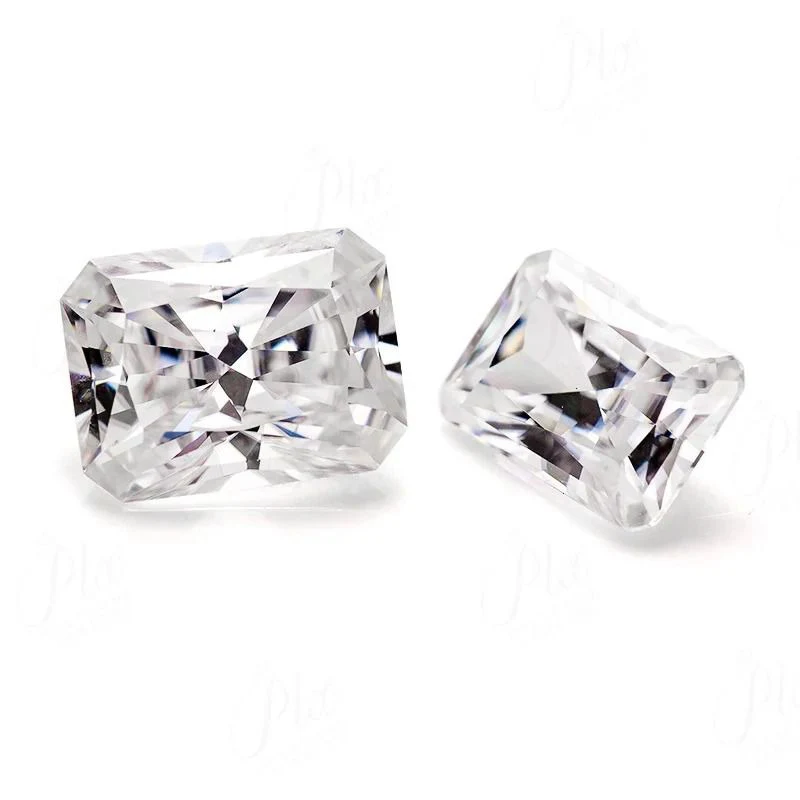
The table percentage — width of the flat top divided by the diamond's average width — is a quiet driver of how bright a round brilliant looks.
The culet is the tiny facet at the bottom point of a diamond. Most modern stones have none. Here is why.
Carat is a weight, not a measurement of across-the-finger size, which is why one 1-carat stone can look noticeably bigger than another. This guide shows you how a 0.5, 1, 1.5 and 2-carat round brilliant actually reads on an average UK finger, why cut quality changes perceived size, what face-up size in millimetres really means, and how to get a bigger-looking stone without paying for extra weight that just adds depth you cannot see.
Rose cut diamonds have a domed crown of triangular facets and a flat base, producing a soft, glassy antique glow rather than fiery modern sparkle.
VVS sounds impressive but costs a fortune. Here is which clarity grade you can actually see on a worn ring, and where the smart money sits.
A 1ct oval looks like a 1.5ct round. Carat is weight, shape is size. Use the mm chart.
Clarity measures the internal and external flaws, called inclusions, that a diamond forms inside the earth. The scale runs from Flawless, which is museum-grade and ruinously expensive, down to I3, where inclusions are obvious to the eye and can weaken the stone. This guide tells you which clarity grade is actually eye-clean, why most grades above VS1 are a waste of money, how inclusions can be hidden under prongs, and why a skilled cutter can move a flaw somewhere you will never see.
Micro-laser engraving on the girdle links your diamond directly to its grading report. It is tiny, permanent, and easier to verify than most buyers expect.
Salt and pepper diamonds are naturally included stones with a cloudy, speckled appearance that has become a distinctive alternative to colourless diamonds.
Table percentage is one of the cut proportions that controls how light bounces inside a diamond. Here is what the numbers on your report actually mean.
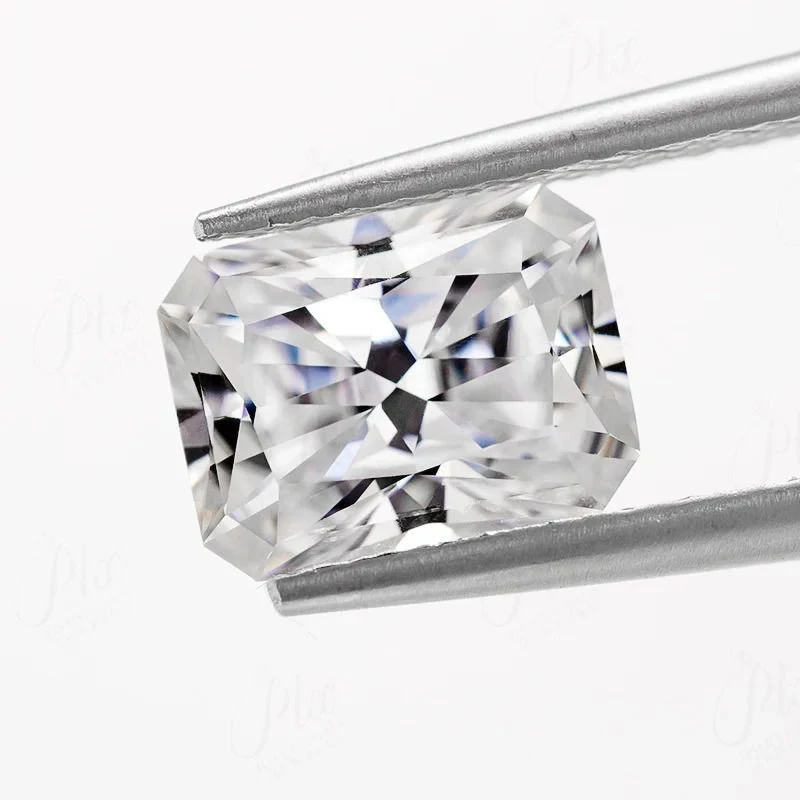
Diamond colour is graded on a scale from D, completely colourless, down to Z, light yellow or brown. Most buyers chase D-F and overpay for a difference no one can see on a finger. This guide explains where the eye actually stops noticing yellow tint, why warm stones look better in yellow gold, how setting colour changes your perception of the stone, and which grades offer the best value for UK shoppers on a real budget.
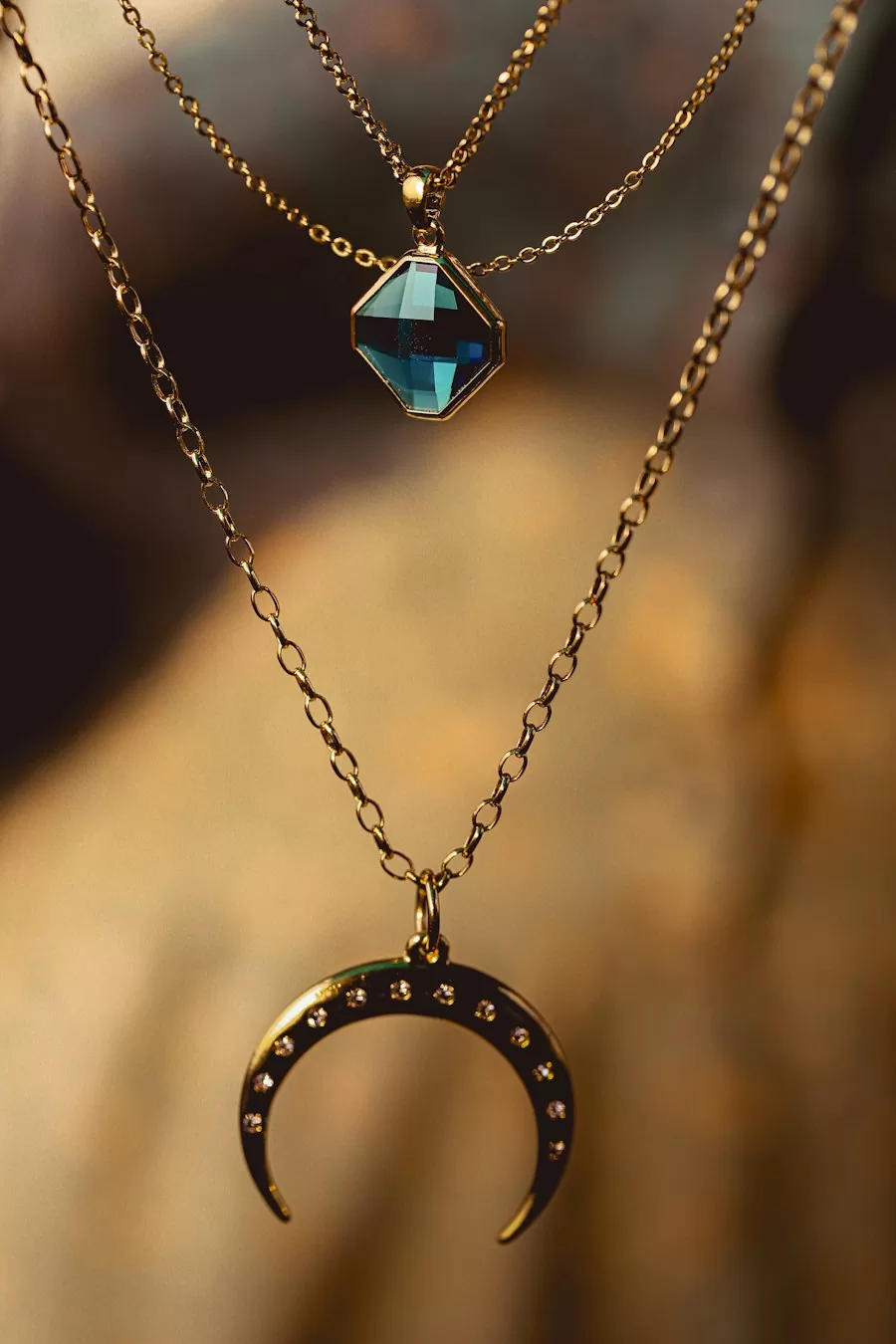
Old European cuts and modern round brilliants look related but behave very differently under light, and they are priced on completely different curves.
Of the four Cs, cut is the only one humans fully control, and the only one that decides whether a diamond looks alive. A perfectly colourless, flawless stone with a poor cut will look dull and glassy, while a slightly included stone with an excellent cut will sparkle from across a room. This guide explains what cut grade actually measures - proportions, symmetry and polish - why GIA and IGI use slightly different scales, and how to read the numbers on a grading report without becoming a gemologist.
SI1 and SI2 sit between VS and I. Learn what Slightly Included means, when an SI stone is eye-clean, and how to read the clarity plot.
A thin laser-engraved code on the girdle ties a loose or mounted diamond to its certificate. Here is what each field means.
Two ovals of the same carat weight can look completely different, and the difference is almost always the length-to-width ratio.
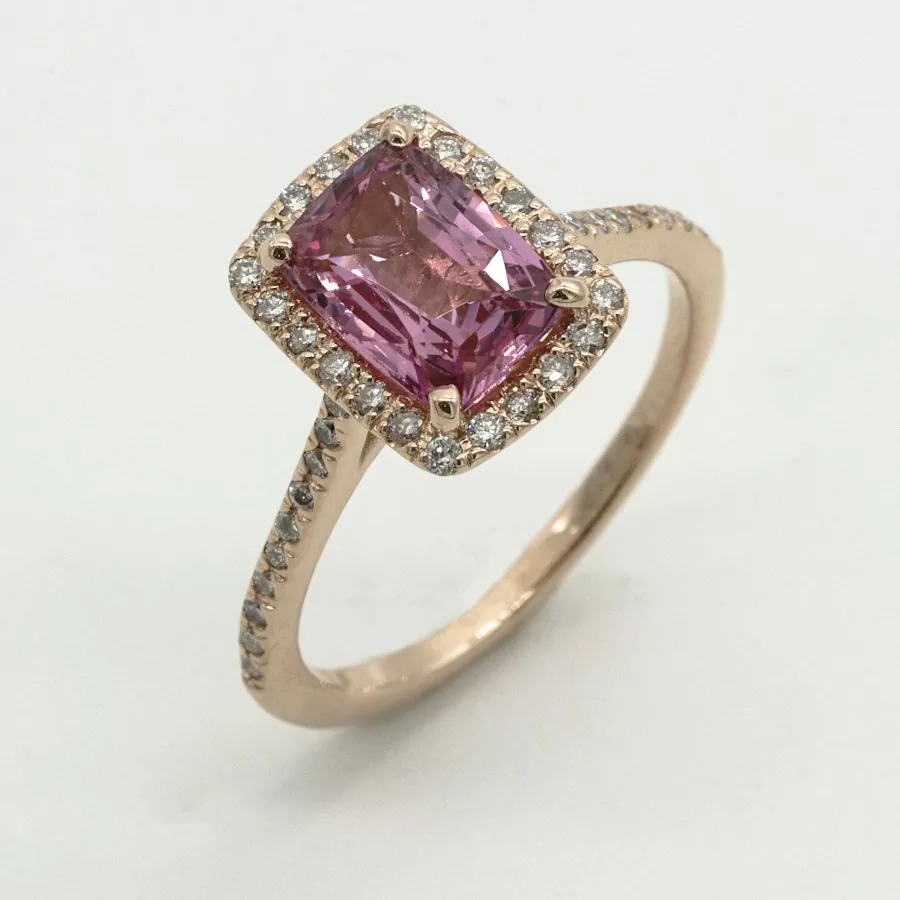
A diamond's clarity grade is judged under 10x magnification. Eye-clean means nobody but a trained grader will ever see its flaws.
Two stones, two certificates, identical grades on paper. The differences live in the numbers and plots most buyers skip. Here is how to read them.
A clarity-enhanced diamond can look like a premium stone at a fraction of the price, until you learn how the fix was made and what can undo it.
D-colour diamonds sell for a premium most buyers cannot see. Here is how colour grading actually works and where the sensible cut-off is.
The girdle is the edge of the diamond. Too thin and it chips; too thick and the stone looks smaller. Here is the sweet spot.
Lab-grown diamonds are identical in material to mined ones. Here is how HPHT and CVD grow them, and what buyers should compare instead.
MOQ starts at 5 pieces per ready-stock style; OEM/ODM custom rings follow a quoted minimum order set in the order agreement.
Ready-stock orders are prepared within 2–5 business days after confirmation. Custom, OEM and ODM projects follow a quoted lead time of 15–30 days, depending on design, metal, stone availability and order size.
Pricing is quoted per piece or per carat according to stone, metal weight, setting and finish. After you send styles, stone and quantity, our sales team returns a written price list and price range for the proposed order.
We accept T/T bank transfer, PayPal and Western Union. Custom and OEM/ODM orders require an agreed 30% deposit, with the balance paid before shipment; bulk and private-label payment terms are confirmed in the order agreement.
We keep our wholesale MOQ low, but the exact minimum is quoted on request rather than fixed on this page. Ready-stock styles can usually be ordered in small mixed batches across categories; OEM, ODM, private-label and custom packaging runs carry their own minimums depending on tooling, branding and quantity. After you send your selected styles or categories and estimated quantities, our sales team confirms the MOQ, mixed-batch options and unit price in a written quotation. Any fixed number quoted on a proposal applies to that specific order only.
Ready-stock orders are picked, inspected and packed within 2–5 business days after confirmation, subject to availability. Custom, OEM and ODM orders follow a longer quoted schedule because the project includes consultation, 3D modeling, prototype approval, production and final inspection. The total lead time depends on design complexity, metal, stone availability, setting type and order size; we state the expected production window in your quotation after reviewing the brief. No fixed production day count is promised publicly because each project differs, and sample approval always precedes bulk production.
Yes. Sample-first cooperation is standard for custom, OEM and ODM projects. For ready-stock wholesale, buyers may order a small sample batch to check quality, finish and packaging before committing to a larger order. A sample or prototype cost may apply to custom designs; that cost and whether it is credited toward a later bulk order are stated in the quotation. We recommend approving the physical sample or prototype before production begins, because changes made after approval can affect cost and lead time.