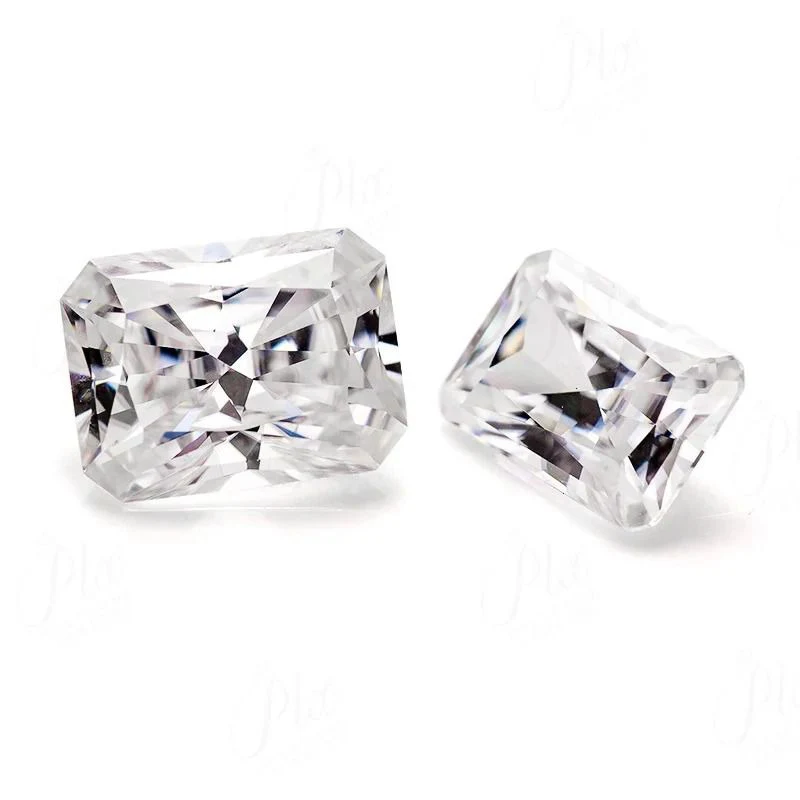
What Buyers Really Need to Know About Lab Grown Diamond Bulk Pricing If you are new to moissanite and trying to understand the gemstone before your first purchase, you have probably run into conflicting information online.
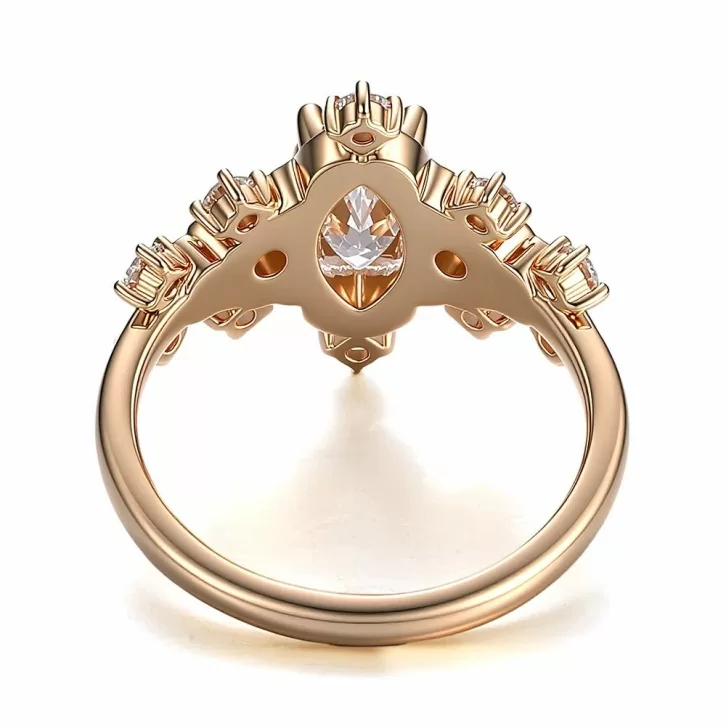
125 articles in the knowledge base. Filter by topic below.
What Buyers Really Need to Know About Lab Grown Diamond Bulk Pricing If you are new to moissanite and trying to understand the gemstone before your first purchase, you have probably run into conflicting information online.
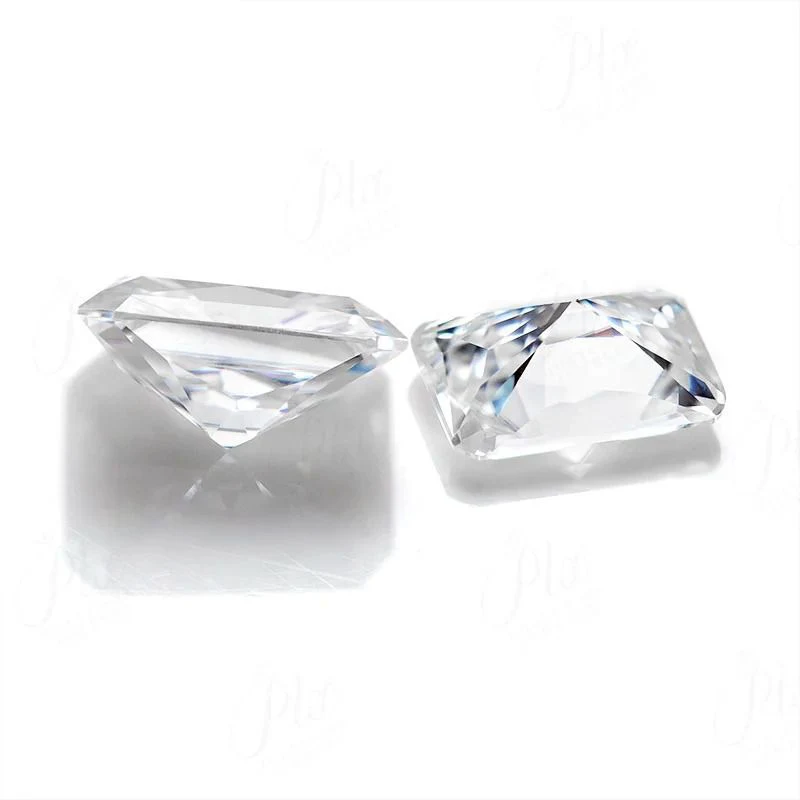
What Buyers Really Need to Know About Lab Grown Diamond Factory Audit If you are new to moissanite and trying to understand the gemstone before your first purchase, you have probably run into conflicting information online.
What Buyers Really Need to Know About Lab Grown Diamond Supplier If you are new to moissanite and trying to understand the gemstone before your first purchase, you have probably run into conflicting information online.
A couple came to our gemology desk in 2024 looking to sell a 1.5-carat diamond engagement ring they had purchased secondhand online for $8,500. The seller listed it as a natural diamond with an EGL report.
Lab Grown Diamonds Complete Education Guide CVD HPHT vs Natural - HOLYCOME Lab grown diamonds have moved from scientific curiosity to mainstream jewelry in less than a decade.
D is colorless, Z is tinted. Most engagement rings land in G to I. Here is how the scale works and how your setting changes which grade you need.
Cut, color, clarity and carat weight do not have to be intimidating. This guide walks a first-time buyer through each C and how to weigh them.
Most buyers shop VS and SI and never reach the included grades. But I1 stones have a real place in budget and industrial jewelry.
VS1 and VS2 look identical to the naked eye; the money difference is in the loupe.
Emerald and round diamonds trade light return for geometry. Here is how step-cut and brilliant-cut designs differ in fire, scintillation and apparent face-up size per carat.
D-to-J is where most bridal buying happens. Here is what each grade looks like mounted and where the invisible premium sits.
Clarity is graded under 10x magnification, not by how the ring looks at arm's length. Here is what IF, VVS, VS, SI and I really mean.
Cut grade is the only C the cutter chooses. Here is what each grade changes.
Cut is the 4C that controls how bright, fiery and lively a diamond looks. Here is what actually drives sparkle and how to judge it.
Excellent vs Very Good is a 10-18% price gap. Here is when the customer notices the difference and when they do not.
Cubic zirconia looks like a diamond at a glance, but the differences are easy to spot once you know the tests. We cover breath, weight, fog, scratches and price.
Round is classic, but oval, pear and cushion shapes each read differently on the hand. We compare size, sparkle, finger-flattering effect and which flaws each shape hides.
Diamond fluorescence divides buyers. We explain what it is, why blue fluorescence can help or hurt a stone, and when a faint or medium grade is actually worth choosing.
Inclusions are the internal marks that set clarity grades. Here is what each type is, and which ones you can ignore.
Color grade is the C buyers overpay for. Here is where the scale actually stops mattering face-up.
Cut, colour, clarity and carat. Here is what each one means, which ones you can see with the naked eye, and where to compromise.
Buyers mix up color and clarity letters constantly. Here is what G, VS1, VS2, SI1 and SI2 really describe on a diamond report.
Two loose rounds with the same GIA Excellent label can look completely different once mounted. The table and depth percentages are why.
Fluorescence is not a flaw. It is a discount lever for J stones and a small haze risk for D-F stones. Here is the honest breakdown.
MOQ starts at 5 pieces per ready-stock style; OEM/ODM custom rings follow a quoted minimum order set in the order agreement.
Ready-stock orders are prepared within 2–5 business days after confirmation. Custom, OEM and ODM projects follow a quoted lead time of 15–30 days, depending on design, metal, stone availability and order size.
Pricing is quoted per piece or per carat according to stone, metal weight, setting and finish. After you send styles, stone and quantity, our sales team returns a written price list and price range for the proposed order.
We accept T/T bank transfer, PayPal and Western Union. Custom and OEM/ODM orders require an agreed 30% deposit, with the balance paid before shipment; bulk and private-label payment terms are confirmed in the order agreement.
We keep our wholesale MOQ low, but the exact minimum is quoted on request rather than fixed on this page. Ready-stock styles can usually be ordered in small mixed batches across categories; OEM, ODM, private-label and custom packaging runs carry their own minimums depending on tooling, branding and quantity. After you send your selected styles or categories and estimated quantities, our sales team confirms the MOQ, mixed-batch options and unit price in a written quotation. Any fixed number quoted on a proposal applies to that specific order only.
Ready-stock orders are picked, inspected and packed within 2–5 business days after confirmation, subject to availability. Custom, OEM and ODM orders follow a longer quoted schedule because the project includes consultation, 3D modeling, prototype approval, production and final inspection. The total lead time depends on design complexity, metal, stone availability, setting type and order size; we state the expected production window in your quotation after reviewing the brief. No fixed production day count is promised publicly because each project differs, and sample approval always precedes bulk production.
Yes. Sample-first cooperation is standard for custom, OEM and ODM projects. For ready-stock wholesale, buyers may order a small sample batch to check quality, finish and packaging before committing to a larger order. A sample or prototype cost may apply to custom designs; that cost and whether it is credited toward a later bulk order are stated in the quotation. We recommend approving the physical sample or prototype before production begins, because changes made after approval can affect cost and lead time.