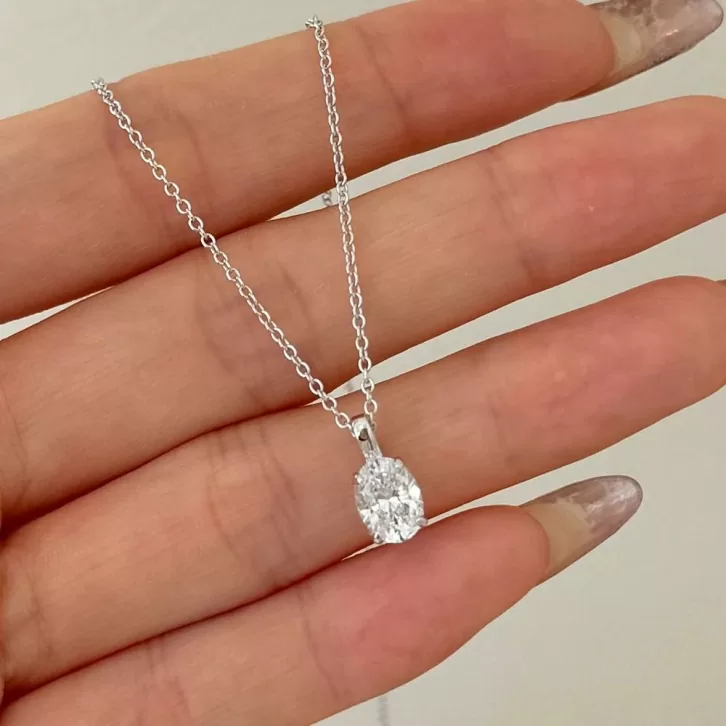
Care & Maintenance
Most household cleaning hacks damage jewelry. Learn which home items are safe for diamond, gold, silver, pearls and colored stones.
113 articles in the knowledge base. Filter by topic below.
Most household cleaning hacks damage jewelry. Learn which home items are safe for diamond, gold, silver, pearls and colored stones.
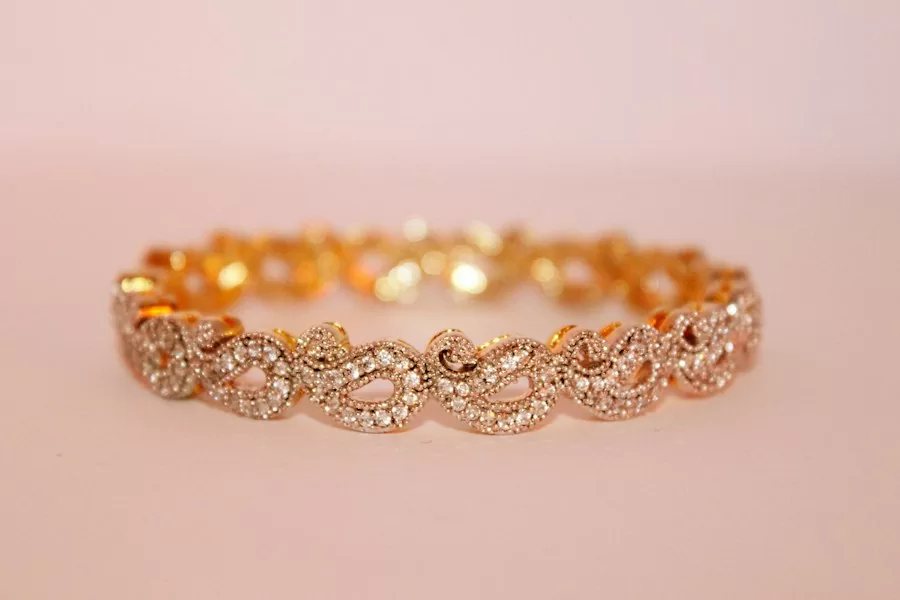
Alcohol-based hand sanitiser gets all the attention, but it's the everyday hand cream and makeup residue that quietly dulls a diamond. Here's what's really safe and what isn't.
Not every ring can be sized. Here is which designs resize cleanly, which need a new ring, and how far a band can safely move.
A polishing cloth is the simplest between-cleaning tool you own — but using it wrong can scratch fine details.
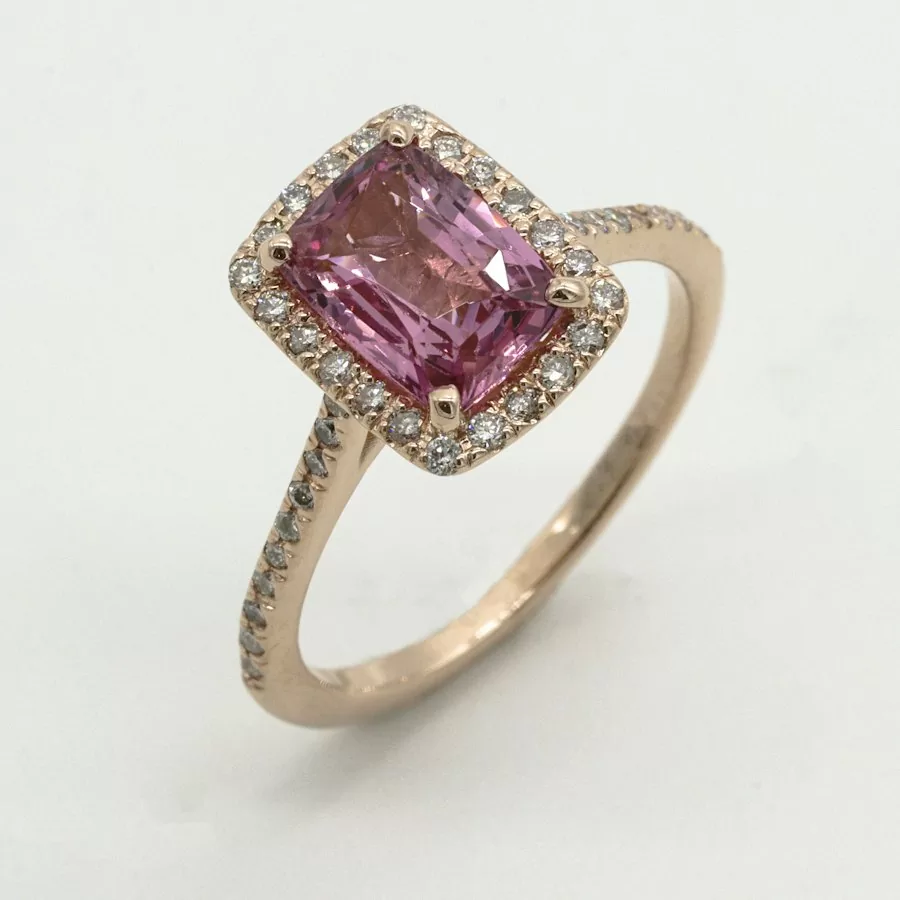
Platinum scratches develop a soft satin patina, but the metal is not wearing away—it is moving. Here is how to care for it and polish it back when you want.
Wrong cleaner etches gold, strips plating and loosens prongs. The short safe list, and the household products you should keep far from your ring.
Most ring damage is not a single accident. It is years of doing up buttons, lifting weights, applying fake tan, gardening, typing with a heavy setting, or sleeping in a thin band, until a prong snaps or the shank thins to a wire. This guide lists the daily habits that quietly wear a ring down, which are genuinely risky and which are harmless fuss, and the small adjustments that add years to a ring's life.
Sterling silver tarnishes because it reacts with sulfur in the air. The fix is storage, occasional polishing and knowing which home tricks work.
A green finger after wearing a gold ring usually means copper in the alloy is reacting with your skin — and it doesn't mean the ring is fake.
A ring that has been worn for a few years almost always needs something: prongs tightened, a re-finish, a resize, or a fresh coat of rhodium on white gold. This guide lists the common repairs UK jewellers carry out, realistic price ranges in pounds, how often a white gold ring needs re-plating, when polishing removes too much metal, and the warning that a ring can only be polished so many times before it becomes too thin.

Most lost engagement stones are not the result of a hard knock but of prongs that thinned and bent over years of unnoticed wear. Knowing what to look for can save the stone.
Soak, brush gently, rinse and dry. The routine that removes lotion film, checks prongs and keeps the ring bright without damaging the setting.
A ring worn daily picks up hand cream, soap, skin oils and microscopic dirt within a week, and that grime is exactly what stops a diamond returning light. This guide sets a realistic cleaning routine for a daily-wear ring, explains the difference between a quick home clean and a professional ultrasonic clean, tells you when visible dullness means more than dirt, and warns against over-cleaning the parts of a ring that actually need repair.
Hand sanitiser, perfume, hairspray, household bleach, chlorine and even suntan lotion do not attack diamonds directly, but they coat them in a film that kills sparkle, and they genuinely damage softer coloured stones, pearls and plated white gold. This guide lists the everyday chemicals that age jewellery, which are harmless to a diamond solitaire, which will eat a pearl or dull rhodium plating, and the simple habit that avoids most of the damage.
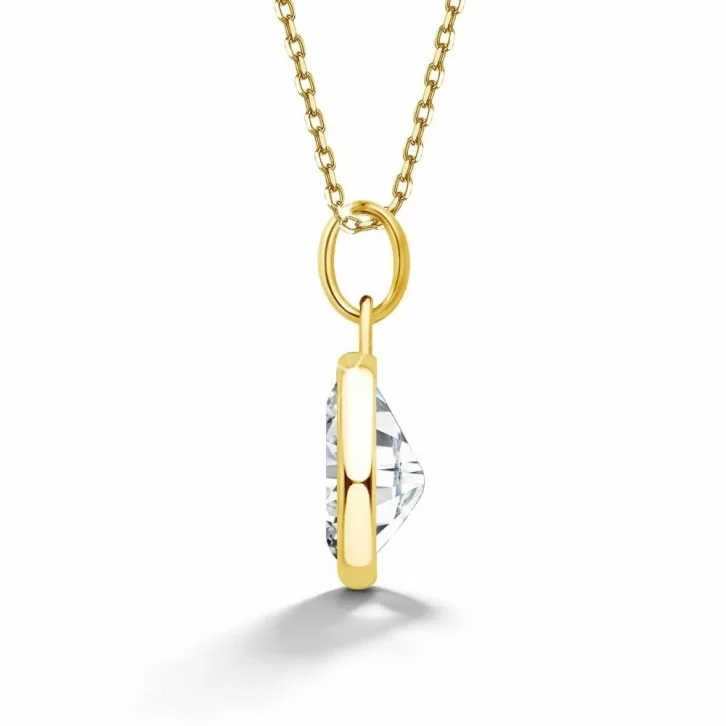
An engagement ring left in a hotel safe, a wedding band worn swimming on holiday, or a necklace stuffed into hand luggage is the jewellery equivalent of leaving the front door open. This guide covers how to pack rings so they do not scratch each other, what to wear versus leave at home, how hotel safes actually work, airport security rules, and the insurance fine print that usually only covers stolen jewellery if it was on your person.
Most lost engagement stones are not lost in a dramatic moment. They are lost after a prong thins, bends or snaps quietly over months, and the stone shifts until one day it is gone. This guide shows you how to inspect your own ring at home with a pin and a magnifier, the signs that a prong needs attention, why you should never wiggle the stone hard, and how often to have a jeweller tighten the setting as part of normal wear.
A jewellery box is not just storage. Done wrong, rings scratch each other, gold tarnishes and stones loosen. Here is the right way.
Ultrasonic baths and steam cleaners strip off grime faster than any brush, but they are not safe for every gemstone. Opal, emerald, pearl, tanzanite and fractured or treated stones can crack or lose their treatment in a bath. This guide explains how each machine works, which stones are safe, which are risky, when a jeweller uses steam versus an ultrasonic, and the simple warm-soap-and-brush method that is always the safe default.
A diamond cannot be scratched by most things — but it can quietly scratch everything else you wear or store with it.
A quick hand wash at the sink is fine for most durable rings, but daily showering in the bath is a slow way to dull a stone and loosen prongs over time.
Scratches on gold are not damage in the dramatic sense. They are normal wear, and most can be improved by polishing, but there are limits worth knowing.
Most lost stones start with a prong that has worn paper-thin. Prong re-tipping rebuilds those tips and saves your ring from an expensive accident.
Hardest doesn't mean indestructible. Diamonds chip along cleavage planes, usually at the girdle or corners, and the fix is re-cutting.
Moissanite higher RI makes oil film show fast. Warm soap and water in two minutes fixes it.
MOQ starts at 5 pieces per ready-stock style; OEM/ODM custom rings follow a quoted minimum order set in the order agreement.
Ready-stock orders are prepared within 2–5 business days after confirmation. Custom, OEM and ODM projects follow a quoted lead time of 15–30 days, depending on design, metal, stone availability and order size.
Pricing is quoted per piece or per carat according to stone, metal weight, setting and finish. After you send styles, stone and quantity, our sales team returns a written price list and price range for the proposed order.
We accept T/T bank transfer, PayPal and Western Union. Custom and OEM/ODM orders require an agreed 30% deposit, with the balance paid before shipment; bulk and private-label payment terms are confirmed in the order agreement.
We keep our wholesale MOQ low, but the exact minimum is quoted on request rather than fixed on this page. Ready-stock styles can usually be ordered in small mixed batches across categories; OEM, ODM, private-label and custom packaging runs carry their own minimums depending on tooling, branding and quantity. After you send your selected styles or categories and estimated quantities, our sales team confirms the MOQ, mixed-batch options and unit price in a written quotation. Any fixed number quoted on a proposal applies to that specific order only.
Ready-stock orders are picked, inspected and packed within 2–5 business days after confirmation, subject to availability. Custom, OEM and ODM orders follow a longer quoted schedule because the project includes consultation, 3D modeling, prototype approval, production and final inspection. The total lead time depends on design complexity, metal, stone availability, setting type and order size; we state the expected production window in your quotation after reviewing the brief. No fixed production day count is promised publicly because each project differs, and sample approval always precedes bulk production.
Yes. Sample-first cooperation is standard for custom, OEM and ODM projects. For ready-stock wholesale, buyers may order a small sample batch to check quality, finish and packaging before committing to a larger order. A sample or prototype cost may apply to custom designs; that cost and whether it is credited toward a later bulk order are stated in the quotation. We recommend approving the physical sample or prototype before production begins, because changes made after approval can affect cost and lead time.