Buying Guides
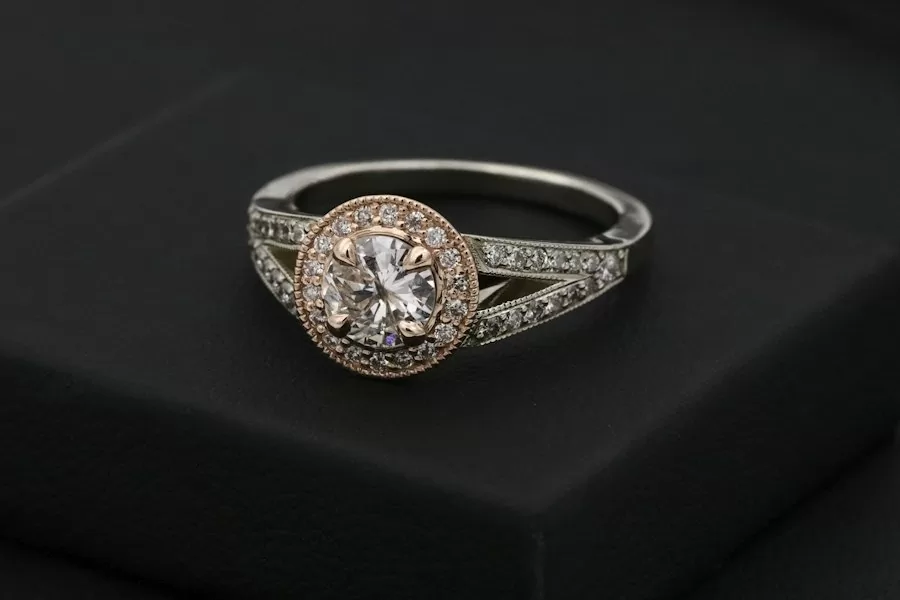
Bezel settings wrap metal around the stone for protection; prong settings lift it up for sparkle. Here is how to choose based on how you actually live.
124 articles in the knowledge base. Filter by topic below.
Bezel settings wrap metal around the stone for protection; prong settings lift it up for sparkle. Here is how to choose based on how you actually live.

The right jeweller welcomes tough questions. Bring this list to your appointment.
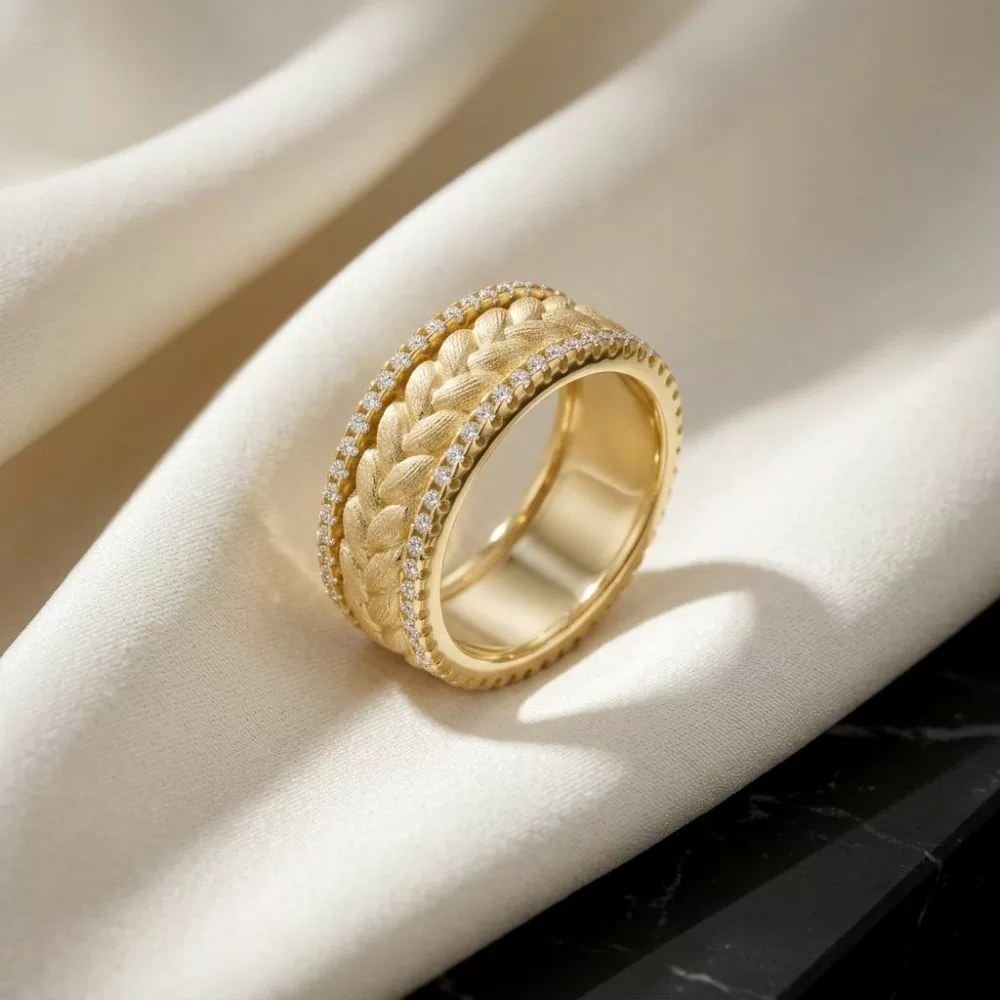
Carat weight is a number on a certificate. The face-up millimeter measurement is what you see on the finger. Here is how 1ct and 2ct compare.
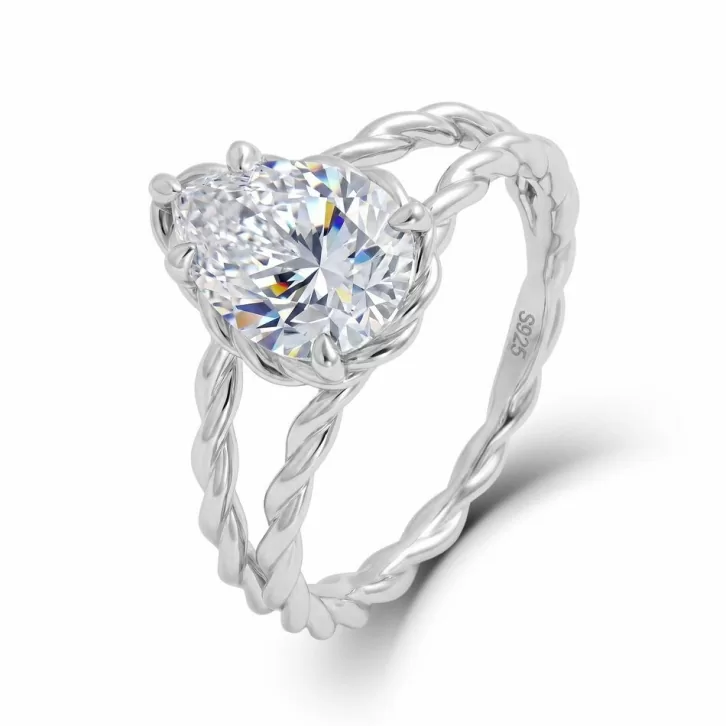
Lab-grown pricing looks like a discount, but it follows its own supply-and-demand curve.
Overpaying for the wrong cut, ignoring eye cleanliness, and buying a certificate without seeing the stone are three mistakes that cost buyers thousands. Learn how to sidestep them.
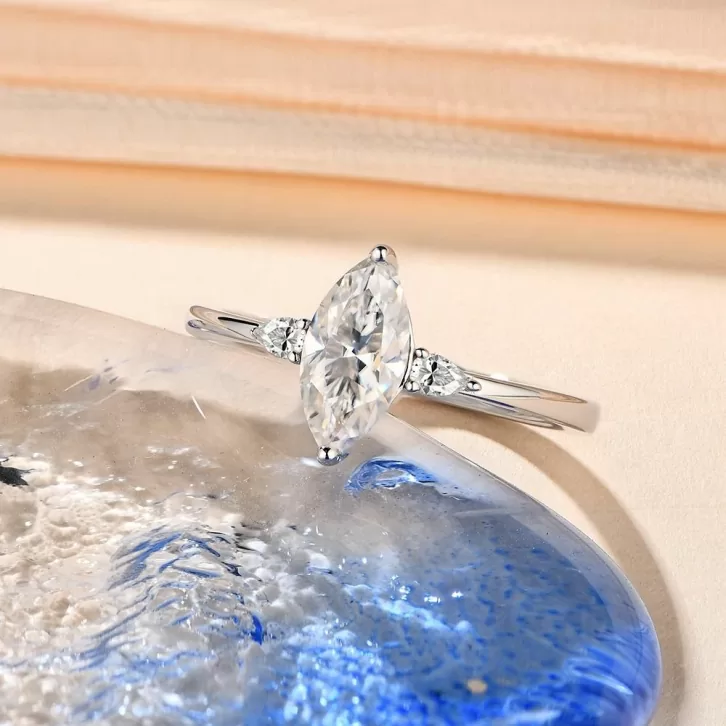
Gold color is an alloy choice, not a quality difference. Here is how the three colors are made, who they suit and what maintenance each needs.
Prices for the same diamond swing wildly between retailers. Here is what each budget band realistically buys on the UK high street and online.
A ring warranty is rarely an insurance policy. Knowing the difference between free servicing, paid repairs and accidental loss cover stops you from assuming more than you have.
Ring shape can balance, lengthen or widen your features just like a haircut. Here is a plain-English guide to matching stone shape to face shape.
Some birthstones are ring-hard. Others scratch the first month you wear them. Here is the durability breakdown by month.
A halo adds a ring of small diamonds around the centre, which boosts both visual size and sparkle, but it also changes how the ring wears and ages.
The halo setting surrounds the center stone with a ring of smaller diamonds to boost size and sparkle. It is one of the most popular modern engagement ring styles, but it is not for everyone.
Prong count changes how a diamond looks and how well it stays put. Four and six prongs each have real trade-offs in security, sparkle, and stone coverage.
A diamond bought on holiday can be a bargain — or a customs bill. Here is how EU jewellery buying works for UK residents.
A no-kit method for measuring ring size at home, plus timing tips, knuckle rules and when to size up for wider bands.
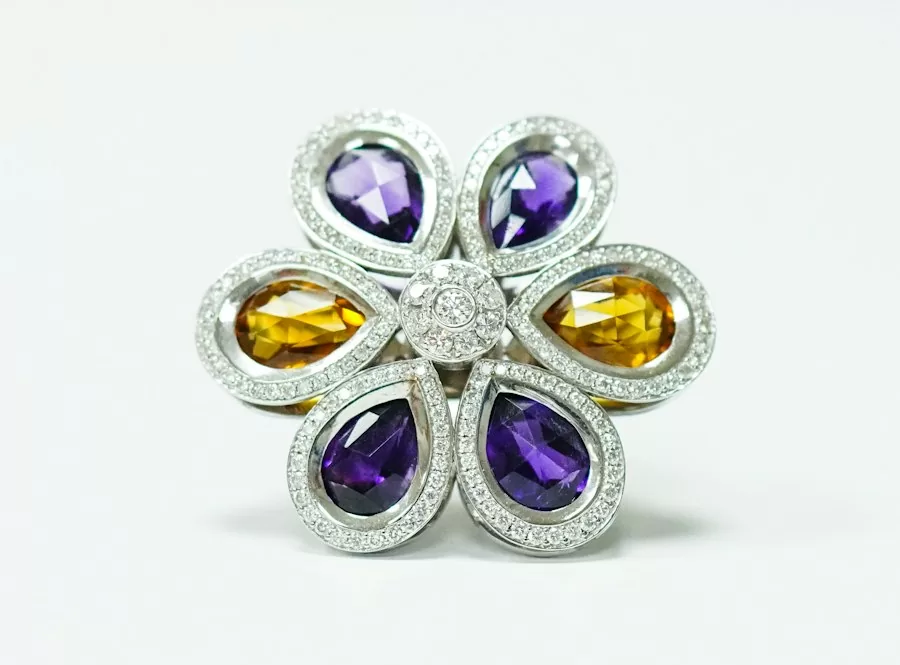
Upgrading an engagement ring can mean a new center stone, a fresh setting, or restyling the one you love. Here are your real options and what each costs.
Online moissanite retailers offer serious savings, but the stones look very different on a screen than on a finger. This checklist keeps you from ending up with a yellowed, poorly cut surprise.
Should you buy the diamond separately and set it yourself, or choose a ready-made ring? Here is the trade-off in cost and control.
A halo adds sparkle and visual size; a solitaire keeps all the attention on the centre stone. Here is how to weigh the two.
Online engagement ring buying is not riskier than in-store if you follow five steps: budget, stone, report, size, approval. Here is the process end to end.
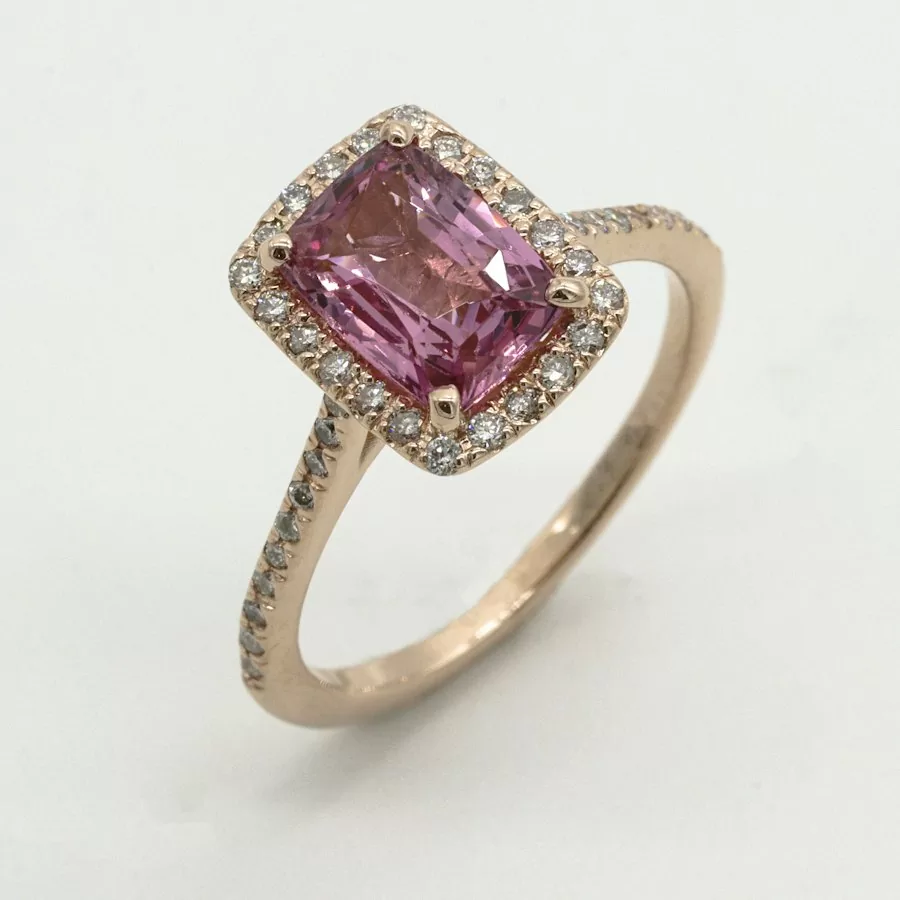
A bezel wraps the stone in metal rather than gripping it with prongs, which makes it one of the most secure settings for everyday wear.
The engagement ring industry is built on folklore. We separate the ten most expensive myths from the gemology and economics that actually matter.
A custom ring takes more time and communication than picking from a case, but the process is more predictable than most buyers expect.
Conflict-free is a starting point, not a guarantee. Here is how to dig into a diamond's sourcing before you spend the money.
MOQ starts at 5 pieces per ready-stock style; OEM/ODM custom rings follow a quoted minimum order set in the order agreement.
Ready-stock orders are prepared within 2–5 business days after confirmation. Custom, OEM and ODM projects follow a quoted lead time of 15–30 days, depending on design, metal, stone availability and order size.
Pricing is quoted per piece or per carat according to stone, metal weight, setting and finish. After you send styles, stone and quantity, our sales team returns a written price list and price range for the proposed order.
We accept T/T bank transfer, PayPal and Western Union. Custom and OEM/ODM orders require an agreed 30% deposit, with the balance paid before shipment; bulk and private-label payment terms are confirmed in the order agreement.
We keep our wholesale MOQ low, but the exact minimum is quoted on request rather than fixed on this page. Ready-stock styles can usually be ordered in small mixed batches across categories; OEM, ODM, private-label and custom packaging runs carry their own minimums depending on tooling, branding and quantity. After you send your selected styles or categories and estimated quantities, our sales team confirms the MOQ, mixed-batch options and unit price in a written quotation. Any fixed number quoted on a proposal applies to that specific order only.
Ready-stock orders are picked, inspected and packed within 2–5 business days after confirmation, subject to availability. Custom, OEM and ODM orders follow a longer quoted schedule because the project includes consultation, 3D modeling, prototype approval, production and final inspection. The total lead time depends on design complexity, metal, stone availability, setting type and order size; we state the expected production window in your quotation after reviewing the brief. No fixed production day count is promised publicly because each project differs, and sample approval always precedes bulk production.
Yes. Sample-first cooperation is standard for custom, OEM and ODM projects. For ready-stock wholesale, buyers may order a small sample batch to check quality, finish and packaging before committing to a larger order. A sample or prototype cost may apply to custom designs; that cost and whether it is credited toward a later bulk order are stated in the quotation. We recommend approving the physical sample or prototype before production begins, because changes made after approval can affect cost and lead time.