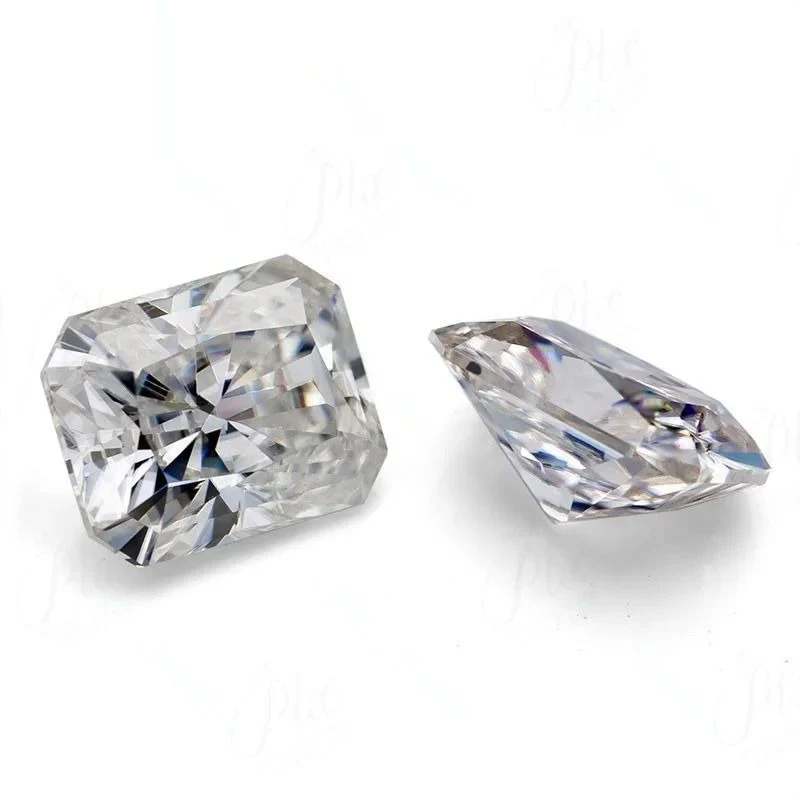
Moissanite
If two same-spec moissanite rings look different on the hand, the cause is usually where it was grown, how it was cut and what it is set in.
154 articles in the knowledge base. Filter by topic below.
If two same-spec moissanite rings look different on the hand, the cause is usually where it was grown, how it was cut and what it is set in.
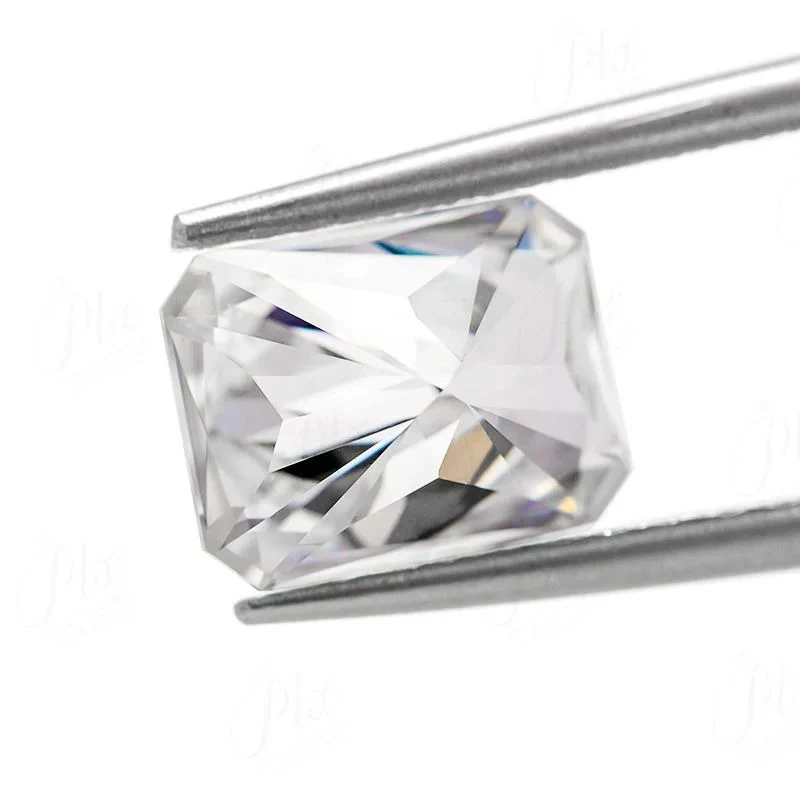
Moissanite is one of the hardest gemstones used in jewelry. We look at Mohs hardness, toughness and what daily wear does to it.
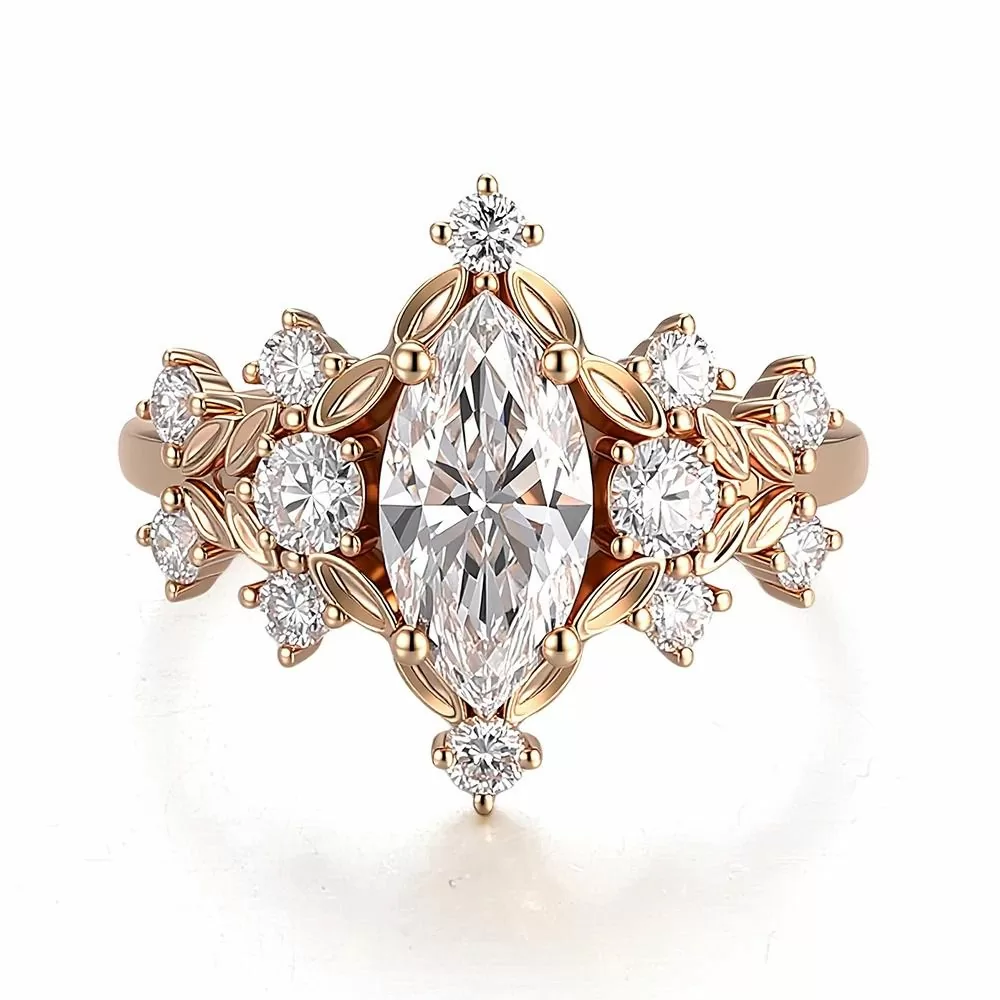
A moissanite engagement ring deserves a wedding band that sits flush, matches the metal and does not compete with the stone. We cover shapes, metals and pairing.
The most common worry about moissanite is that it will look "fake". We look at what people actually notice, in daylight and under lights, and how to avoid the giveaway signs.
Moissanite, white sapphire and cubic zirconia all look like a white gem at a glance. We compare hardness, brilliance, price and longevity side by side.
Moissanite is near-diamond hard, but hard and scratch-proof are not the same thing.
A hardness of 9.25 on Mohs sounds like a footnote until a customer asks why their moissanite still shows wear. Here is what the number actually does.
The looks-fake worry usually comes from one cheap ring under bad lighting. Here is what moissanite actually looks like on a real hand.
Moissanite is not scratch-proof. Three culprits behind most returns.
Unlike cheap simulants, moissanite itself is chemically stable. The 'yellowing' people notice is usually grime, not the crystal aging.
Prongs thin in 2-4 years, white gold plating fades in 18 months to 3 years, the stone itself survives. The service timeline for a moissanite ring.
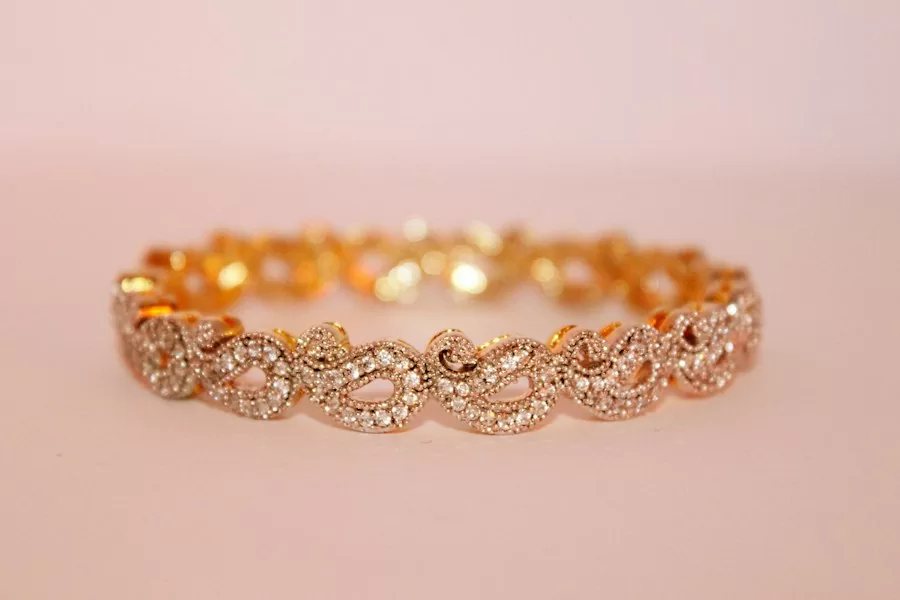
Moissanite rates 9.25 on the Mohs scale, but its sparkle still clouds under everyday grime. Here is the safe way to bring the fire back.
Both are white, durable and budget-friendly. Moissanite and white sapphire differ sharply in sparkle, refraction and how they look over years of wear.
Where moissanite sits on the Mohs scale, how it compares to diamond and sapphire, and what actually causes scratches in daily wear.
Lab-grown diamonds cost a fraction of mined, but they hold very little resale value. Here is the honest picture and when it matters.
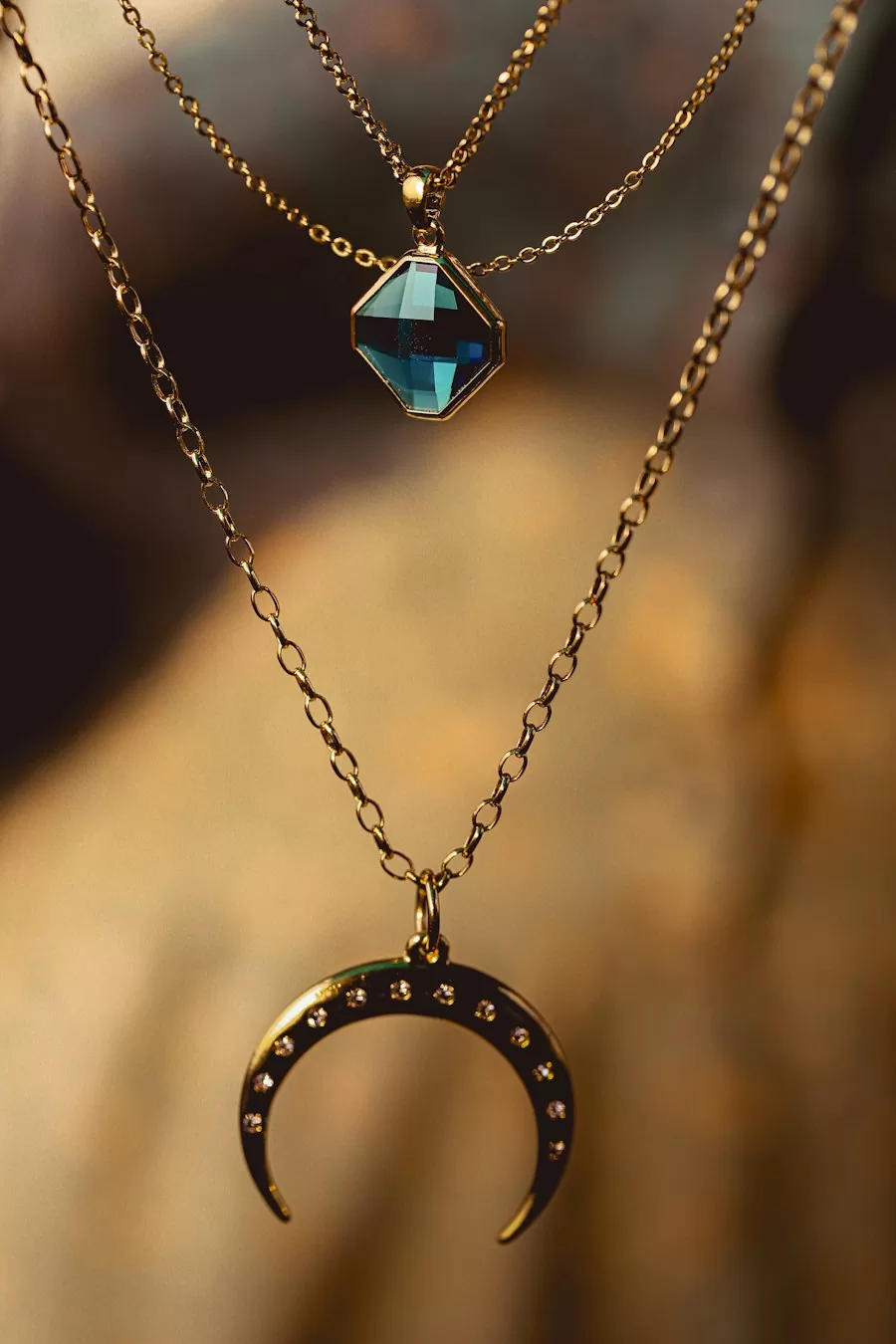
Rose gold and moissanite is a popular pairing, but the warm metal shifts how the stone reads in a way many buyers do not expect.
Diamond is hardest, but moissanite is close. Here is what the hardness numbers mean for a ring you wear every day.
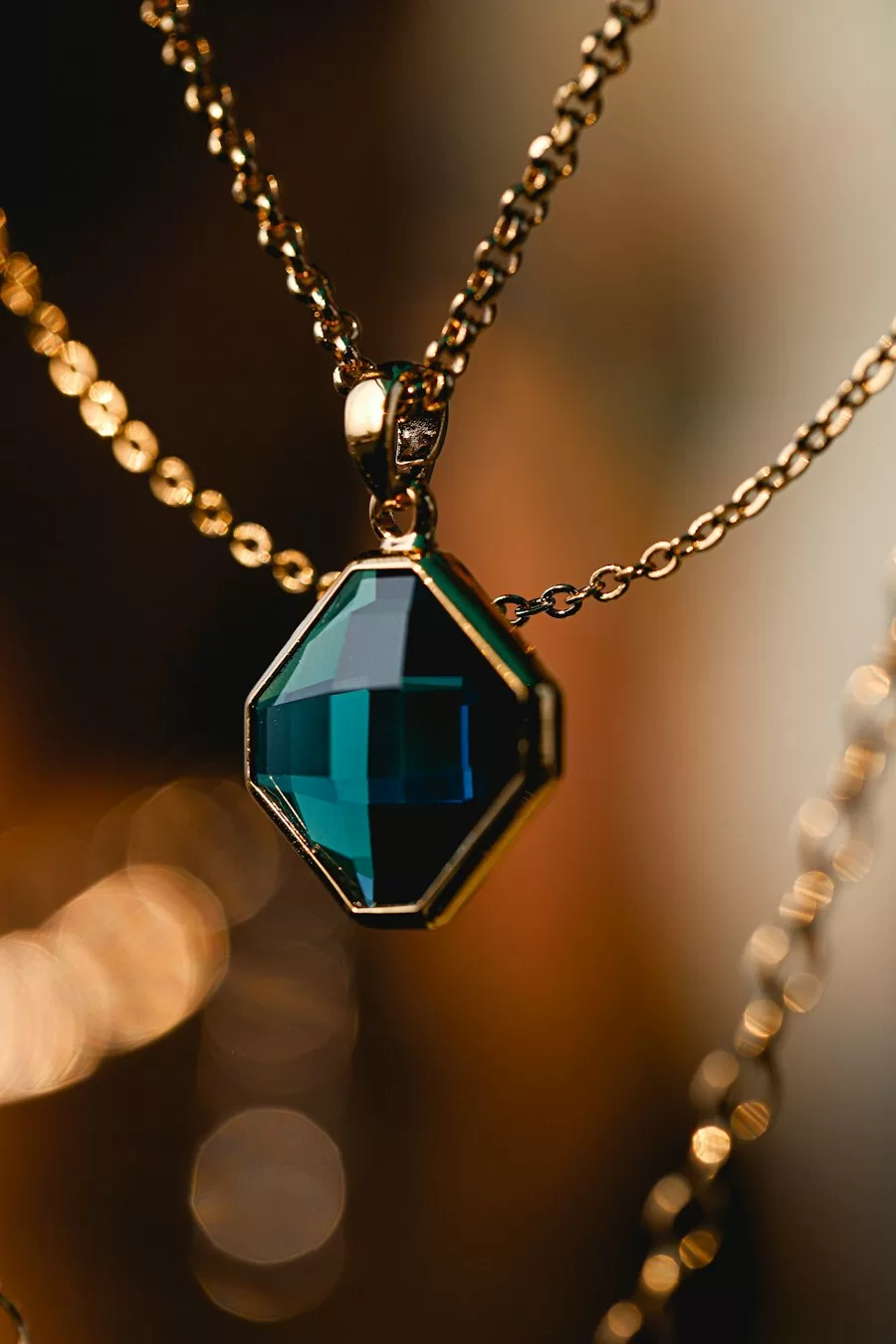
Moissanite looks dramatically different under sunlight, soft indoor light and candlelight. Understanding how it behaves in each environment helps you set realistic expectations.
A standard heat-based diamond tester will usually flag moissanite as diamond, which is why serious jewellers add an electrical-conductivity step before calling a stone real.
If a diamond tester says your moissanite is a diamond, that is not a marketing trick. The physics of heat conduction explains it.
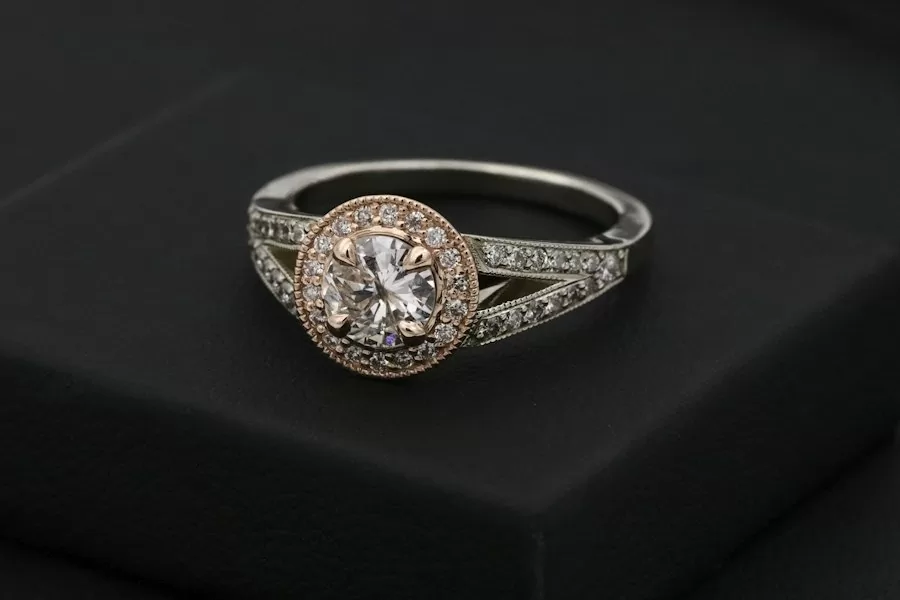
A bezel hides fire, a halo amplifies it, and prong choice affects both sparkle and security. The right setting can make a moissanite look its best.
Moissanite throws more rainbow color than diamond because its dispersion is more than double. What that means, how cut tames it, and why it is a preference.
Both are affordable and ethically made, but moissanite and lab grown diamonds are optically, physically and financially different. Here is the honest comparison.
Moissanite costs a tenth of a diamond and often looks brighter. Here is where it wins, where it loses, and what to know before you buy.
MOQ starts at 5 pieces per ready-stock style; OEM/ODM custom rings follow a quoted minimum order set in the order agreement.
Ready-stock orders are prepared within 2–5 business days after confirmation. Custom, OEM and ODM projects follow a quoted lead time of 15–30 days, depending on design, metal, stone availability and order size.
Pricing is quoted per piece or per carat according to stone, metal weight, setting and finish. After you send styles, stone and quantity, our sales team returns a written price list and price range for the proposed order.
We accept T/T bank transfer, PayPal and Western Union. Custom and OEM/ODM orders require an agreed 30% deposit, with the balance paid before shipment; bulk and private-label payment terms are confirmed in the order agreement.
We keep our wholesale MOQ low, but the exact minimum is quoted on request rather than fixed on this page. Ready-stock styles can usually be ordered in small mixed batches across categories; OEM, ODM, private-label and custom packaging runs carry their own minimums depending on tooling, branding and quantity. After you send your selected styles or categories and estimated quantities, our sales team confirms the MOQ, mixed-batch options and unit price in a written quotation. Any fixed number quoted on a proposal applies to that specific order only.
Ready-stock orders are picked, inspected and packed within 2–5 business days after confirmation, subject to availability. Custom, OEM and ODM orders follow a longer quoted schedule because the project includes consultation, 3D modeling, prototype approval, production and final inspection. The total lead time depends on design complexity, metal, stone availability, setting type and order size; we state the expected production window in your quotation after reviewing the brief. No fixed production day count is promised publicly because each project differs, and sample approval always precedes bulk production.
Yes. Sample-first cooperation is standard for custom, OEM and ODM projects. For ready-stock wholesale, buyers may order a small sample batch to check quality, finish and packaging before committing to a larger order. A sample or prototype cost may apply to custom designs; that cost and whether it is credited toward a later bulk order are stated in the quotation. We recommend approving the physical sample or prototype before production begins, because changes made after approval can affect cost and lead time.