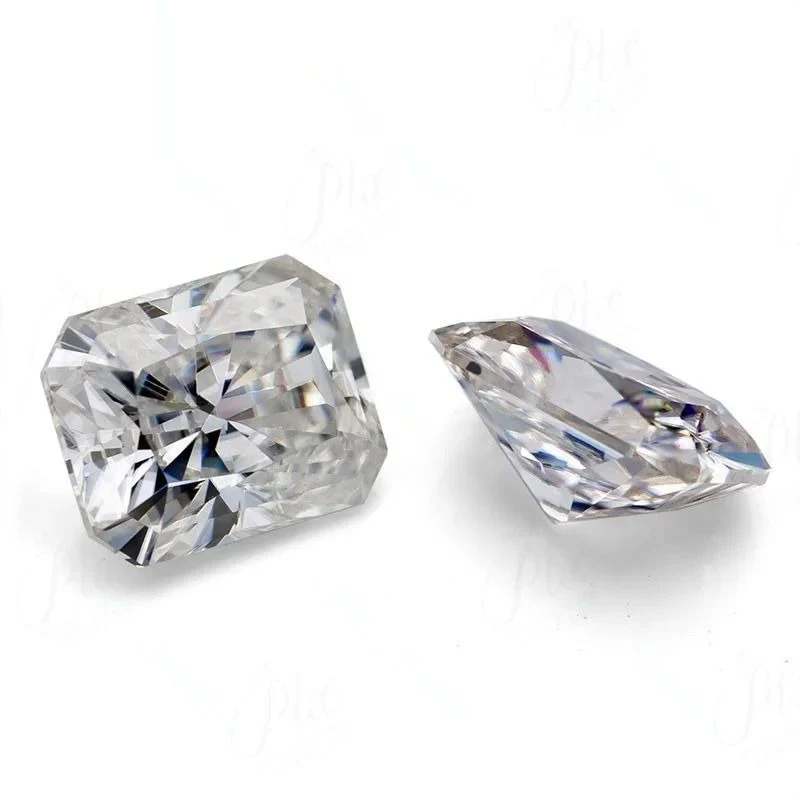
Understanding lab-grown-diamond requires grounding in the fundamental gemology, material science, and quality factors that determine beauty, durability, and value. This guide covers what buyers, sellers, and owners need to know about lab-grown-diamond: how they are made, how to evaluate quality, how they compare to alternatives, and how to care for them to maintain appearance over decades of wear.
Lab-Grown-Diamond Styles Available
| Style | Details | Wholesale Price |
|---|---|---|
| LGD Rings | Engagement, wedding, fashion; HPHT/CVD stones | $80-$1200 |
| LGD Earrings | Studs, hoops, drops; IGI-certified stones | $45-$400/pair |
| LGD Necklaces | Pendants, tennis necklaces; 0.1-5ct stones | $55-$600 |
| LGD Bracelets | Tennis, bangles, chain; certified stones | $90-$800 |
| Loose LGD | HPHT/CVD, D-J color, VS-SI, various cuts | $50-$3000/stone |
Key Quality Factors
Understanding the four Cs (cut, color, clarity, carat) is essential, but moissanite and silver jewelry have additional quality factors buyers should know: manufacturing precision, setting quality, metal thickness (heavier pieces wear better and feel more substantial), plating thickness (thicker rhodium lasts longer), and post-production finishing quality.
Care and Maintenance
Moissanite can be cleaned with warm soapy water and a soft toothbrush; ultrasonic cleaners are generally safe. Silver should be polished with a silver polishing cloth and stored in anti-tarnish bags when not worn. All fine jewelry should be removed before heavy activity, swimming in chlorinated water, or applying cosmetics.
Product Specifications
- Stones: HPHT and CVD lab-grown diamonds, Type IIa available
- Grades: D-J color, IF-SI clarity, Excellent/Very Good cut
- Certifications: IGI (standard); GIA available at premium
- Sizes: 0.5mm melee to 12mm (6ct+) available
Pricing and MOQ
| Order Size | Pricing | Lead Time |
|---|---|---|
| Individual pieces | Retail pricing | Ready to ship 1-3 days |
| Starter collection (10pc) | Mixed selection | 5-7 days |
| Complete collection (30+pc) | Curated bulk | 10-20 days |
Browse our full catalog: Loose LGD stones, lab diamond rings, LGD earrings, LGD necklaces, LGD bracelets, and LGD OEM services.
All manufacturing processes adhere to FTC Jewelry Guides for metal quality marking and disclosure of lab-created materials. Moissanite rates 9.25 on the Mohs scale, making it suitable for daily-wear jewelry. Production quality follows GIA gem quality standards with in-house gemologists grading every stone before setting.
Frequently Asked Questions
What is the difference between HPHT and CVD lab diamonds?
HPHT diamonds grow under high pressure high temperature mimicking natural formation; CVD diamonds grow from carbon gas in a vacuum chamber. Both are chemically, optically, and physically identical to natural diamonds.
Are lab-grown diamonds real diamonds?
Yes. Lab-grown diamonds are crystallized carbon with the same hardness (10 Mohs), refractive index (2.42), and chemical composition as natural diamonds. The FTC recognizes them as diamonds in 2018 guidance.
Are your lab diamonds certified?
Yes. IGI certificates are standard for our lab-grown diamond jewelry. GIA certificates are available at a premium for stones over 1ct.
How much cheaper are lab-grown vs natural diamonds?
Lab-grown diamonds typically cost 50-70% less than equivalent natural diamonds at wholesale, with larger savings on bigger stones.
Will lab-grown diamonds test as diamond on a diamond tester?
Yes. Lab-grown diamonds test positive as diamond on standard thermal conductivity testers (they conduct heat like natural diamond). Specialty testers can distinguish them.
Whether you're buying, selling, or simply learning about lab-grown-diamond, understanding the material science, quality factors, and care requirements helps you make informed decisions and get the most enjoyment from your jewelry.


