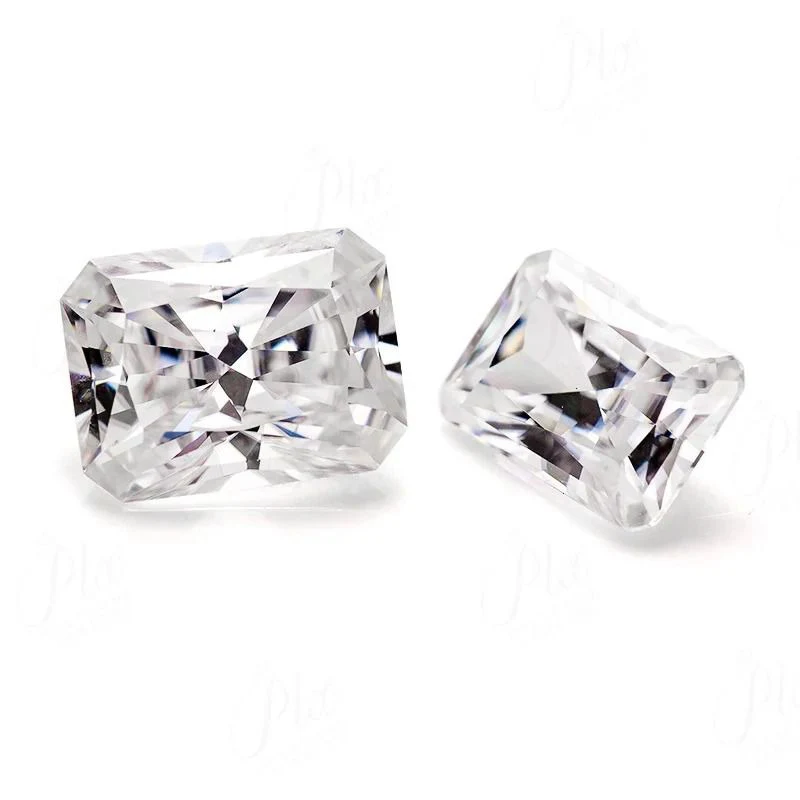
The girdle is the narrow edge around the widest part of a diamond — the rim between the flat top (the crown) and the pointed bottom (the pavilion). It is also the part the jeweller's claw grips. Most buyers never look at it, but it quietly affects both durability and how big the stone looks on the finger. This is what the girdle grades on a certificate actually mean.
Why it matters for durability
A very thin girdle is sharp and brittle, like the edge of a piece of glass. A knock on that edge can chip the stone, and chips at the girdle are the most common damage seen on worn rings. A girdle graded 'thin' or 'very thin' needs a setting that covers it — a bezel or a protective claw — rather than a bare-prong solitaire. A girdle graded 'medium' or 'slightly thick' is robust and wears well.
Why it matters for appearance
A girdle that is too thick, by contrast, adds weight without adding visible size. A thick girdle can make a 1.0ct stone look like a 0.9ct on the finger, because the extra weight is hidden around the rim. This is one reason two stones of the same carat can look different sizes: the thicker-girdled stone is carrying invisible weight. On the certificate, girdle thickness is listed under the proportions.
| Girdle grade | Durability | Look | Verdict |
|---|---|---|---|
| Very thin | Chip risk | Good size | Needs protective setting |
| Thin | Some risk | Good size | Acceptable with care |
| Medium | Robust | Balanced | The sweet spot |
| Slightly thick | Very robust | Slight size loss | Fine, slightly pricier per carat |
| Thick / very thick | Robust | Looks smaller | Avoid unless cheap |
Where it shows on the certificate
How the setting changes the girdle story
A girdle that worries you on a bare solitaire can be made safe by the right setting. A bezel — a rim of metal that wraps the edge — protects a thin girdle completely. Six claws, rather than four, also spread the grip and reduce the chance of a chip. If the stone you love has a very thin girdle, ask the jeweller to set it in a protective head rather than a bare four-claw solitaire. The same stone, better set, is a different ring.
The price-per-carat connection
Because a thick girdle adds invisible weight, stones with thick girdles are quietly worse value per carat of visible size. When two stones look the same price but one has a slightly thick girdle, the medium-girdled stone will look larger on the finger for the same carat. This is a subtle point most buyers miss, but it is the kind of detail that separates a good purchase from an average one. Check the girdle grade on the certificate, prefer medium, and avoid very thick if you are paying for visible size.
Faceted vs polished girdle
The certificate also notes whether the girdle is faceted or polished. A faceted girdle has small flat edges; a polished girdle is smooth. The difference is cosmetic and minor, but a polished girdle can read as smoother in the setting. This is a detail that separates a hand-finished stone from a mass-produced one, and it is worth noticing on a high-value purchase. On a more affordable stone, do not lose sleep over it.
The girdle and resizing
A thin girdle is also more likely to show wear at the claws over decades. The claws grip the girdle; a thick, well-supported rim holds the setting firmly, while a thin one can wear where the claw presses. This is a slow effect, but over thirty years it shows up as a looser stone. If you are buying an heirloom ring, a medium or slightly thick girdle is the more future-proof choice, quite apart from the chip resistance.
The thing to avoid is a girdle graded 'Very Thin' on a stone you plan to wear every day in a solitaire, and a girdle graded 'Thick' or 'Very Thick' if you are paying by the carat for visible size. Medium is the quiet sweet spot: robust, well-proportioned, and fairly priced. For the other proportion numbers that matter, our ideal cut proportions guide is the natural next read. The girdle is a small detail, but it is one you can check in ten seconds on the certificate before you commit. A medium girdle on a well-set stone will take knocks for decades; a very thin one is a quiet worry from day one. On a GIA report the word is 'Girdle', right in the proportions table; on an IGI report it sits in the same place. Either way, medium is the value choice: it resists chipping, it holds the claws, and it does not waste carat on invisible depth. Skip both extremes and the stone looks bigger, lasts longer and costs less. It is a quiet win on the certificate, not a visible one.
The definition of carat weight and how it is measured are set out in the Wikipedia entry on carat weight.
Related Reading
- I1, I2, I3 Clarity: What Included Diamonds Actually Mean
- Diamond Table and Depth Percentages: What the Numbers Actually Mean
- VS1 vs VS2 Diamond Clarity: Which Grade to Buy
Frequently Asked Questions
Is moissanite a good diamond alternative for retail buyers?
Yes for price-sensitive customers who want brilliance and hardness. Moissanite ranks 9.25 on the Mohs scale, holds up to daily wear and costs a fraction of a natural diamond of the same size, so it resells fast in bridal and fashion lines.
What is the minimum order for wholesale moissanite?
MOQ starts at 50 pieces per design for stock items. Custom cuts and private-label settings usually start at 100–300 pieces depending on the mold.
Do you provide certificates with moissanite stones?
Yes. Every parcel ships with GRA or IGI documentation listing carat weight, color grade and cut. We recommend passing the certificate to your end customer for trust.
How long does sample and bulk production take?
Samples ship in 3–5 days. Bulk runs take 15–20 days under 500 pieces, and 25–30 days for custom work.


